






Hisense XR10 4K Triple Laser Projector
Appliance & TVs

Hisense XR10 Takes Home Cinema Further With a 4K Liquid-Cooled Long-Throw Laser Projector

Reading Time: 5 minutes

Share via

Our team of editors and experts thoughtfully chooses each product. If you decide to buy through one of our links, we may earn a commission. Learn more. Want to know how we test products? Click here for more details.

  • 4K RGB triple-laser projection delivers up to 6,000 ANSI lumens.
  • Projects a massive 65- to 300-inch cinema-sized picture.
  • Liquid cooling helps manage heat while keeping the operation quiet.
  • Optical zoom, lens shift and intelligent image correction make installation far more flexible.

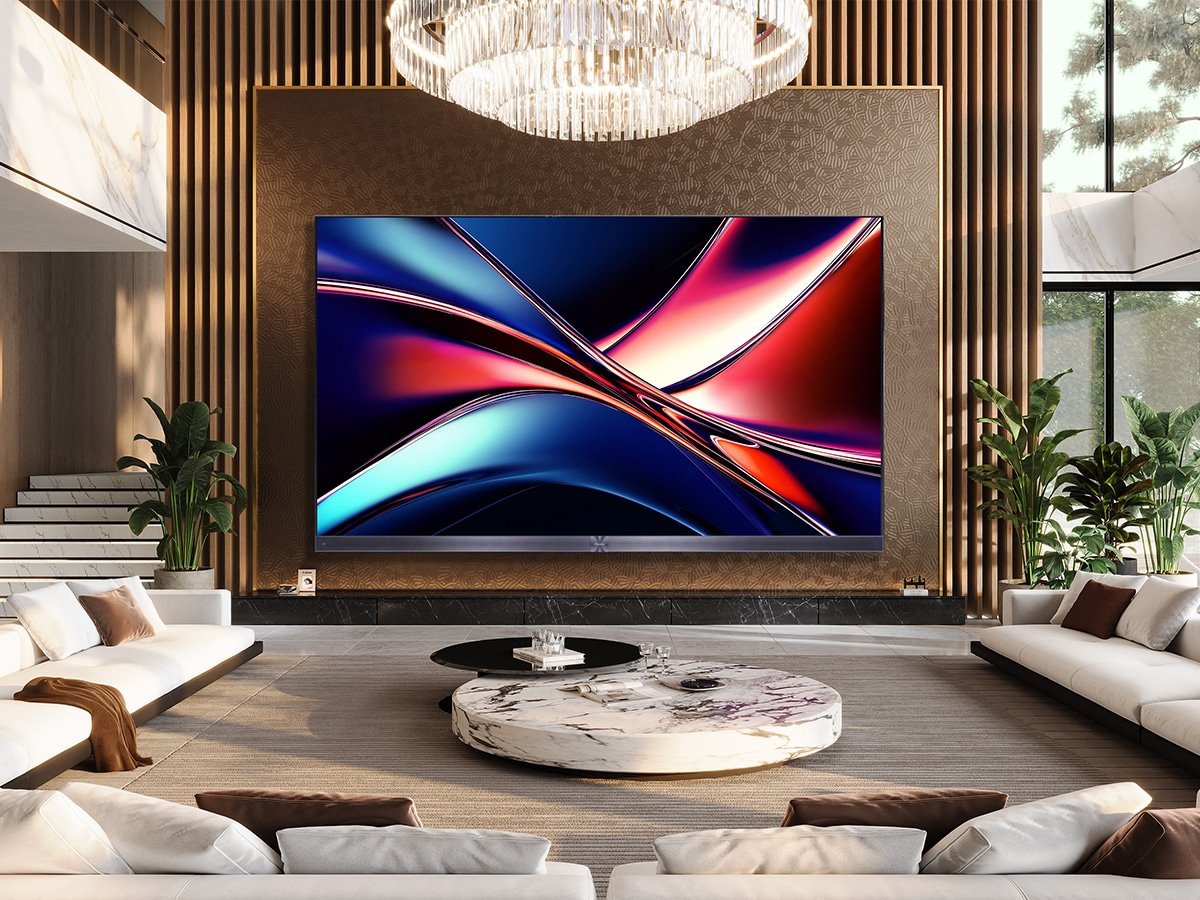
For over ten years, Hisense has believed that you don’t need a huge TV on your wall to enjoy a true home cinema experience. At CES 2026, the company took this idea even further. The new Hisense XR10 is a top-of-the-line long-throw 4K laser projector designed for anyone who wants a real cinema feel at home. It uses an RGB triple-laser system, delivers 6,000 ANSI lumens of brightness, and can project images from 65 inches up to a massive 300 inches.

But the impressive specs are just one part of what makes the XR10 stand out. Hisense has included a sealed micro-channel liquid-cooling system, an adjustable iris, optical zoom, and a wide lens shift, all in a compact design. The goal is to offer the performance and size of a theatre projector without making installation a hassle, whether you mount it on the ceiling in a dedicated cinema room or set it up in a regular living space.

Hisense XR10 Specifications

  • Resolution: 4K UHD
  • Projection size: 65 to 300 inches
  • Light source: RGB Triple Laser
  • Brightness: 6,000 ANSI lumens
  • Colour gamut: 118% BT.2020
  • Contrast: Up to 6,000:1 with iris
  • Laser lifespan: 25,000 hours
  • Throw ratio: 0.84–2.0:1
  • Optical zoom: 2.38x
  • Lens shift: ±130% vertical / ±46% horizontal
  • HDR: Dolby Vision, HDR10+, HDR10 and HLG
  • Cooling: Microchannel liquid-cooling system
  • Connectivity: Wi-Fi 7, Bluetooth 5.4 and Ethernet
  • Dimensions: 11.5 x 10.7 x 8.4 inches
  • Weight: 23.4 lbs (10.6kg)

The XR10 runs on Hisense’s LPU 3.0 Digital Laser Engine, which features an upgraded chipset and a pure RGB triple-laser light source that can reach 6,000 ANSI lumens. According to Hisense, the optical system uses 16 all-glass lenses to boost light transmission and maintain stable temperatures. The projector also covers the wider BT.2020 color range and claims to reduce speckle to as low as six percent, so the bright image stays clear instead of looking washed out.

This technology is the newest step in Hisense’s ongoing laser strategy, which began with its first laser projector in 2014. The TriChroma system launched in 2019, and now, seven years later, the XR10 shows how much progress the company has made.

As Wood Bi, CTO of Hisense USA, explains, “When we introduced TriChroma Laser TV on the CES stage in 2019, we were the only brand talking seriously about laser projectors and multi-primary color,” said Wood Bi, CTO of Hisense USA. “At a time when others were still refining legacy display technologies, we made a bet on the future, and that bet has paid off, with laser technology becoming a cornerstone of Hisense’s growth, pushing us to innovate faster, scale smarter, and lead globally in big-screen experiences. The XR10 is the next chapter in that story.”

Generating so much light in a small projector creates a lot of heat, so the XR10 uses a liquid-cooling system. Hisense’s sealed microchannel design helps remove heat and prevents leaks, so the projector can keep working well without loud fans that might distract you during quiet movie scenes. The iris system also automatically adjusts the aperture and exposure as needed, and the projector offers up to 6,000:1 contrast.
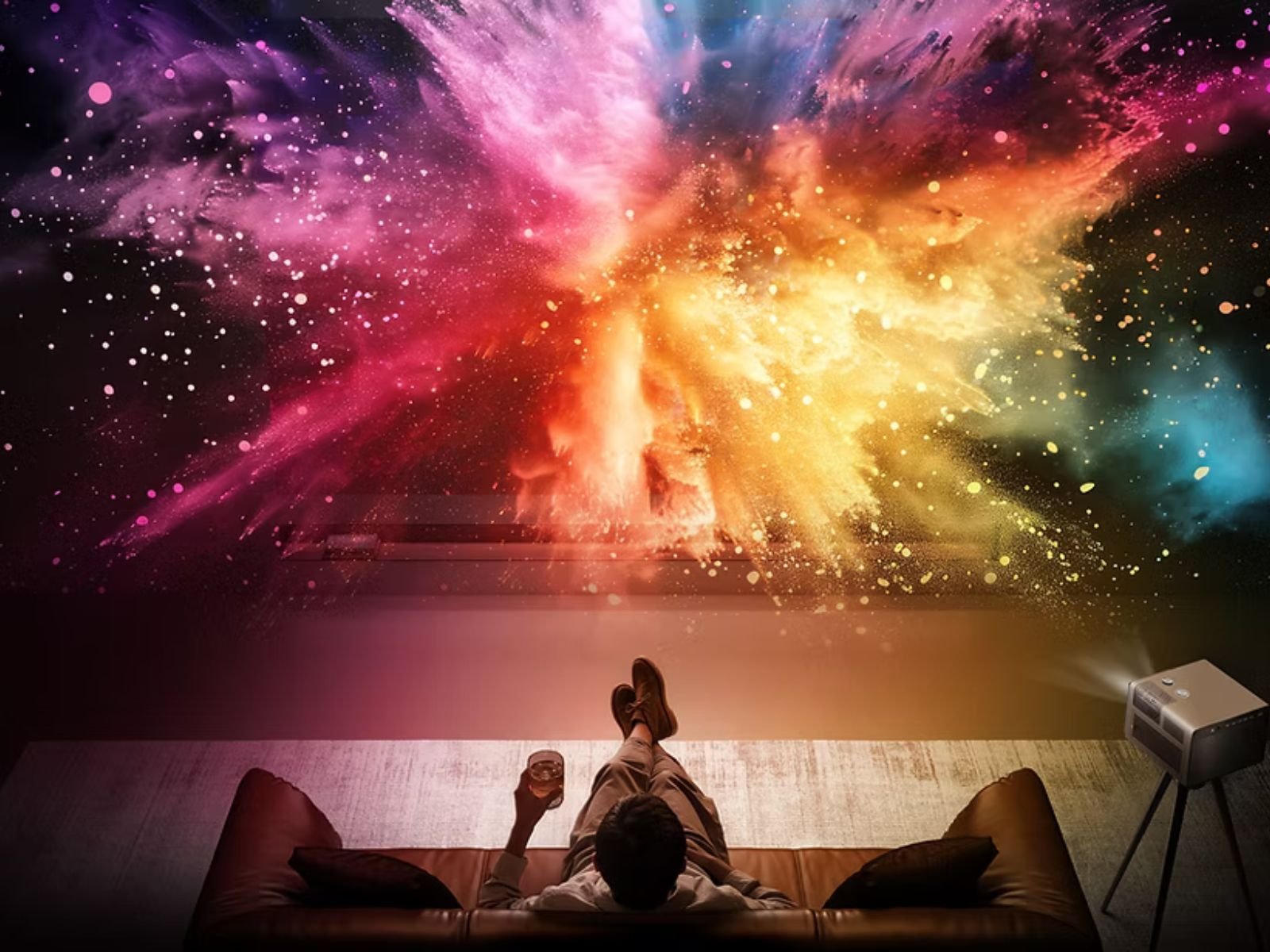
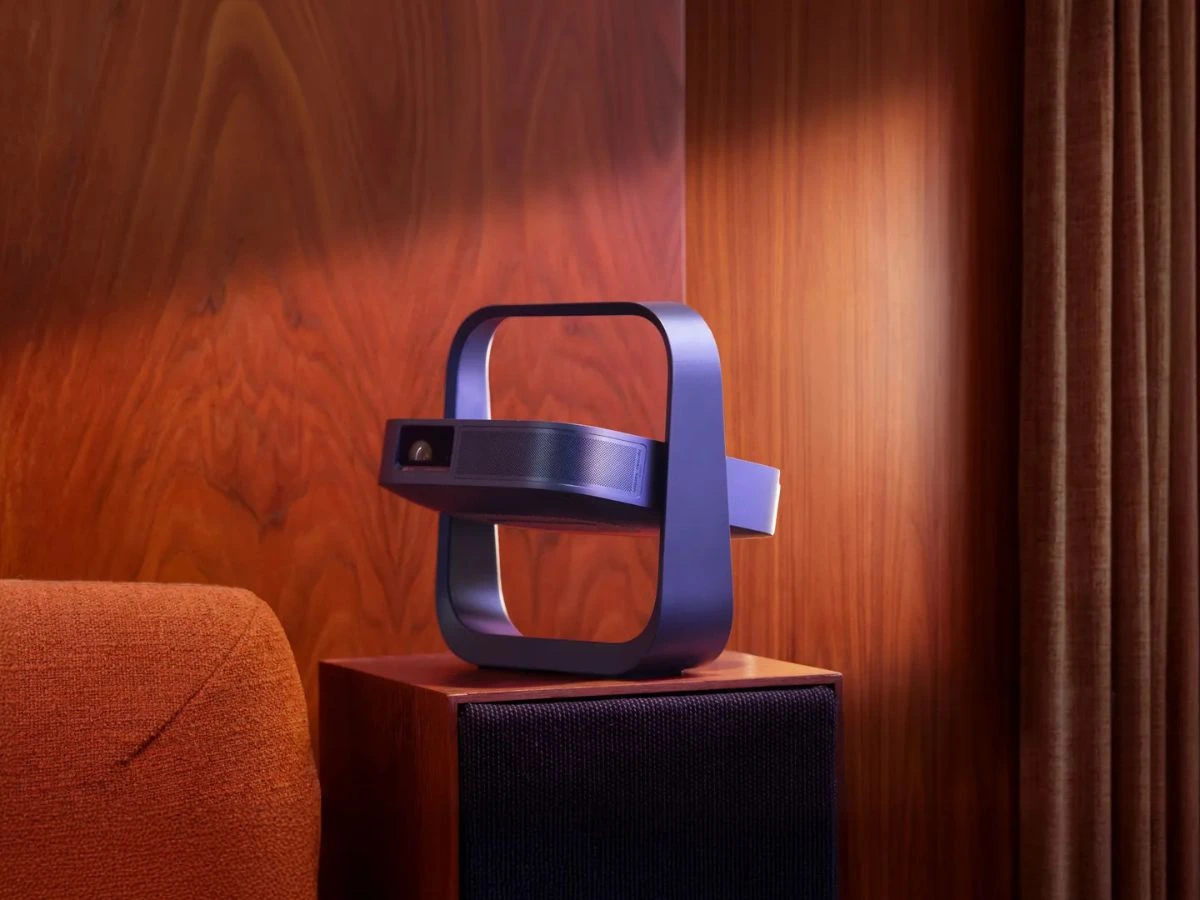
Hisense XR10 4K Triple Laser Projector
Hisense XR10 4K Triple Laser Projector | Image: Hisense

The XR10’s optical system supports a wide throw range, and the lens shift lets you move the image up, down, or sideways without moving the projector itself. It also uses a four-camera and dual-ToF sensing system for automatic adjustments, including correcting side projection by up to 15 degrees. This matters because a projector that can fill a 300-inch screen isn’t much use if setup takes all weekend.

The XR10 isn’t just for movie nights. It supports Dolby Vision, HDR10+, HDR10, HLG, and IMAX Enhanced, and it runs on the VIDAA smart TV platform. Hisense has also included a 2.1-channel 31W audio system developed with Devialet and Opéra de Paris. Still, if you’re building a full home theatre, you’ll probably want to add a dedicated surround sound system later on.
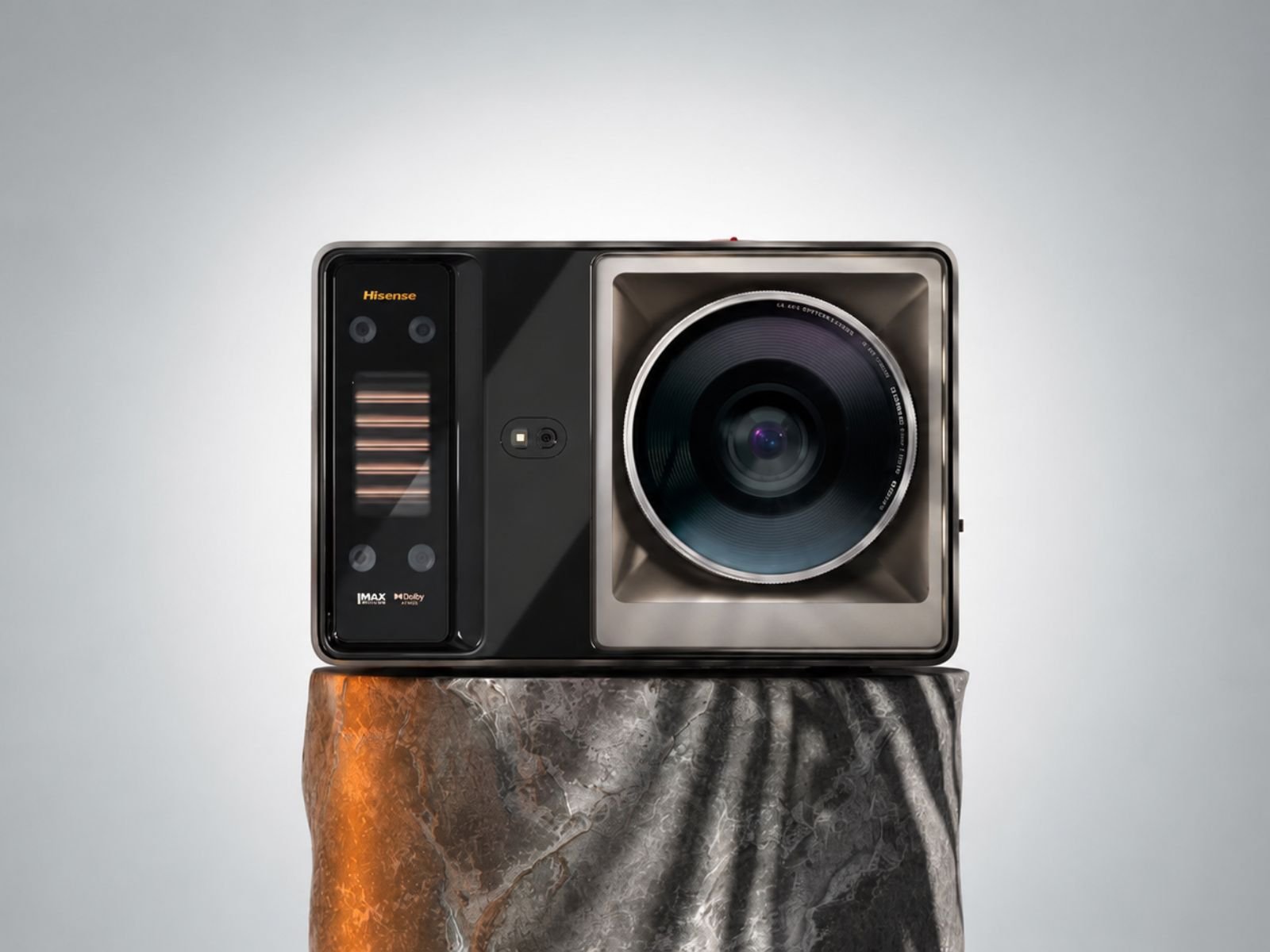
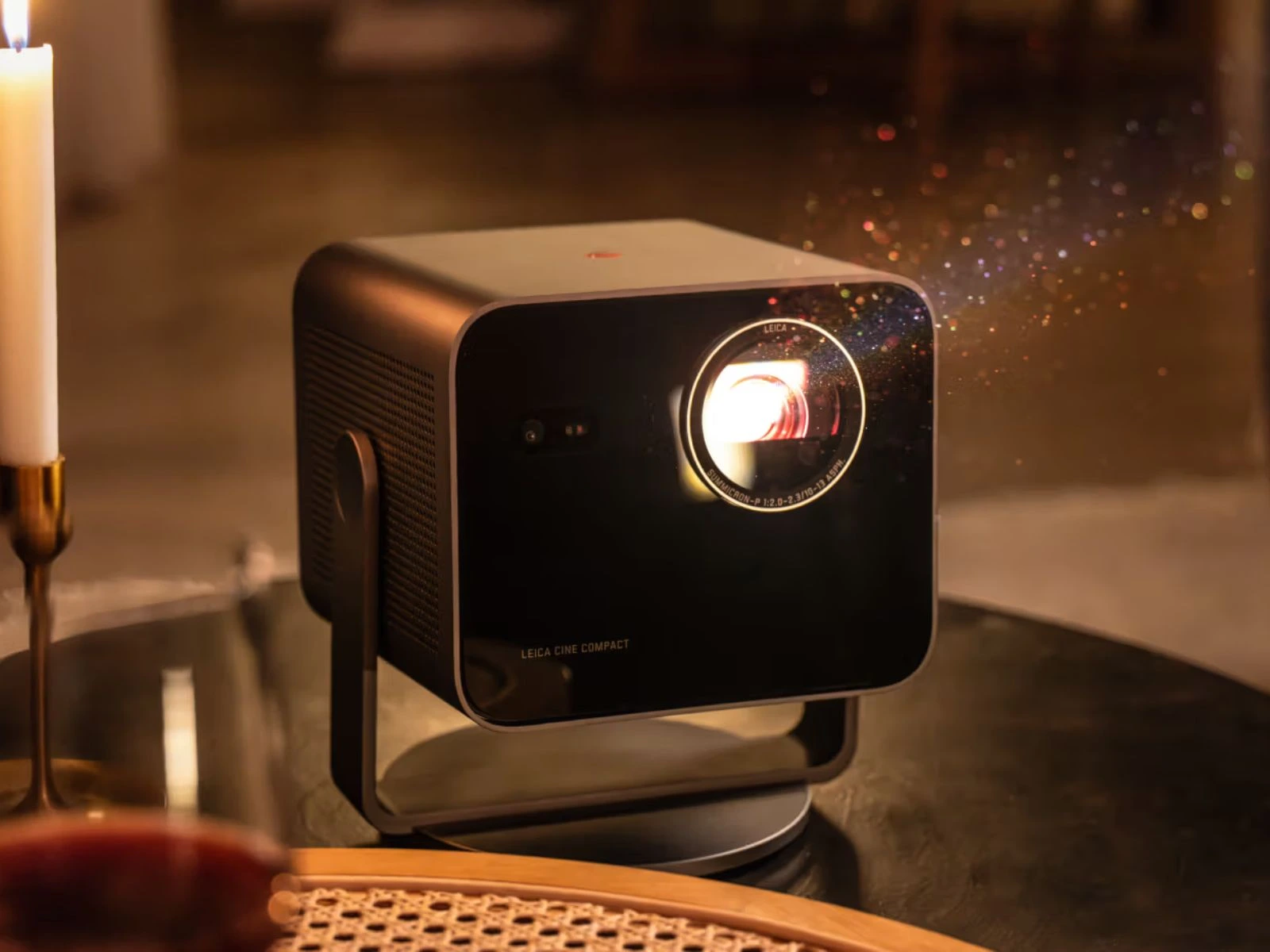
Hisense XR10 4K Triple Laser Projector
Hisense XR10 4K Triple Laser Projector | Image: Hisense

The XR10 stands out for more than just its ability to create a 300-inch picture. Hisense has added features like optical zoom, flexible lens shift, automatic image correction, and liquid cooling to make this large projector easier to use. With 6,000 ANSI lumens, it is also bright enough to work well even if your room isn’t completely dark.

With 4K resolution, RGB triple-laser projection, Dolby Vision, and a picture size up to 300 inches, it offers much more than just a bigger TV. It lets you create a big-screen experience at home that once required a dedicated projection room.

If you have enough space, the Hisense XR10 shows that upgrading your home cinema doesn’t always mean buying a bigger TV. Sometimes, turning your whole wall into a screen is the best choice.
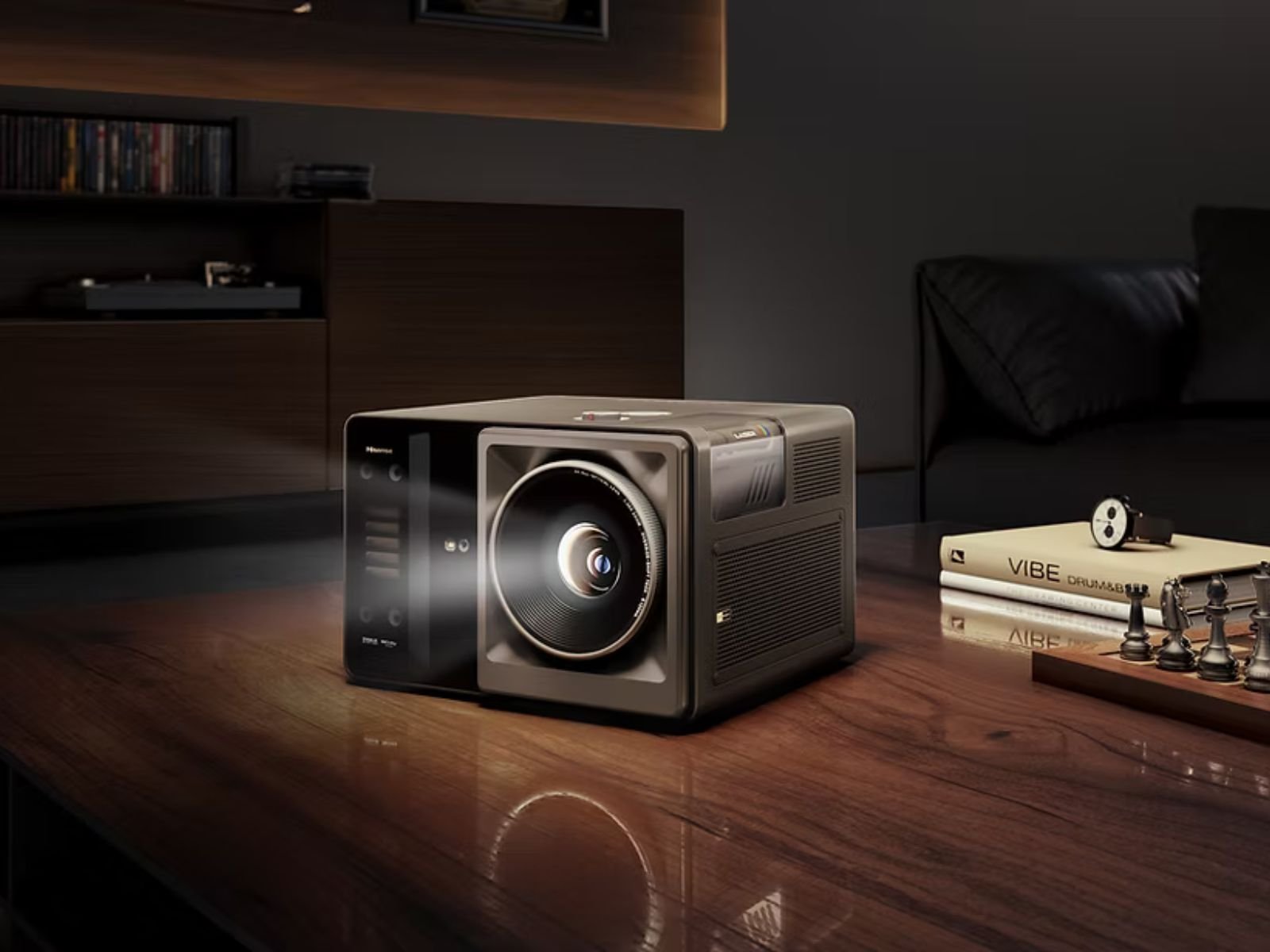
Hisense XR10 4K Triple Laser Projector
Hisense XR10 4K Triple Laser Projector | Image: Hisense
CESHisense
About the Author

Related Articles

Tech

Is Apple Ready to Compete in the Gaming World?

Reading Time: 4 minutes

Our team of editors and experts thoughtfully chooses each product. If you decide to buy through one of our links, we may earn a commission. Learn more. Want to know how we test products? Click here for more details

For years now, Apple has dominated the tech industry with its sleek hardware, user-friendly software, and seamless integration ecosystem. From iPhones to MacBooks, the Cupertino giants have consistently pushed the boundaries of innovation. However, in the realm of gaming, Apple has historically taken a back seat, allowing Microsoft, Sony, and even PC brands focused on gaming to take the lead. Now, with advancements in Apple Silicon, strategic partnerships, and an evolving software landscape, the question arises: Is Apple finally ready to compete in the gaming world?

Apple’s relationship with gaming is complex. While the App Store has transformed mobile gaming, with titles such as Genshin Impact and Call of Duty: Mobile delivering console-quality experiences on smartphones, Apple has yet to make significant progress in high-end gaming. The company’s focus has mainly been on casual and mobile gaming, leaving hardcore gamers dependent on Windows-based systems for their serious gaming needs.

However, recent developments indicate a shift in Apple’s approach. The introduction of the M1, M2, and now the M3 chips has significantly enhanced the performance of Mac devices, bringing them closer to the capabilities of high-end gaming PCs. With features like MetalFX Upscaling and improved GPU power, Apple appears to be establishing a more gaming-friendly environment.

One of the biggest game-changers for Apple is its proprietary Apple Silicon chips. The latest M3 Max chip features GPU enhancements that rival those of dedicated gaming laptops, providing real-time ray tracing, high frame rates, and exceptional energy efficiency. These chips allow MacBooks and iMacs to run AAA games more easily than ever before, narrowing the performance gap with traditional gaming setups.

Divinity Original Sin 2 | Image: Supplied

A Growing Library of Games

For Apple to genuinely compete in the gaming industry, a strong game library is crucial. The Mac gaming scene has historically encountered challenges due to limited developer support, as many game studios prefer Windows for its DirectX compatibility and larger gaming audience. However, Apple has been striving to change this situation. The announcement that Resident Evil Village, Death Stranding Director’s Cut, and No Man’s Sky will be launched natively on macOS is a promising indication. Additionally, Apple’s Game Porting Toolkit, unveiled at WWDC 2023, allows developers to more easily port PC games to Mac, potentially broadening the range of available titles.

While Apple Arcade has focused on delivering high-quality, ad-free mobile games, it has yet to position itself as a serious competitor to services like Xbox Game Pass or PlayStation Plus. However, given Apple’s financial resources, an expansion into cloud gaming or exclusive AAA titles could be a game-changer. Furthermore, Apple’s close ties with streaming services such as GeForce Now and Xbox Cloud Gaming could provide Mac users with access to more titles without necessitating Windows emulation.

Despite Apple’s. advancements, several challenges remain. The Macill not the preferred choice for most game developers, meaning many new releases may take longer to arrive—or might not arrive at all. Furthermore, Apple’s restrictive App Store policies have caused tensions with major gaming companies, as evident in the ongoing disputes with Epic Games concerning Fortnite’s App Store revenue policies.

Another challenge is hardware optimization. Although Apple Silicon is powerful, most major games are optimized for x86 architecture (used by Intel and AMD). This means developers must exert extra effort to ensure their games run smoothly on macOS. Until Mac gaming becomes more mainstream, many studios may be reluctant to invest significant resources into macOS compatibility.

Civilization VI | Image: Supplied

Can Apple Take on the Gaming Giants?

Apple certainly possesses the potential to become a major player in the gaming industry, but this shift will not happen overnight. With continuous investment in hardware, development tools, and gaming partnerships, Apple could create a stronger presence in the gaming sector. The company’s strategy may not entail a direct competition with PlayStation, Xbox, or PC gaming; rather, it seeks to cultivate its own unique gaming ecosystem—one that integrates effortlessly across all Apple devices.

The upcoming years will show whether Apple can genuinely establish itself in the hardcore gaming world or if it will continue to be a secondary player in the industry. One thing is certain: Apple is no longer dismissing gaming, and that alone signals exciting possibilities for the future.

About the Author
arrow_drop_up