





Few shoes have managed to balance sophistication and versatility quite like the loafer. Born from a legacy of refined European style and reimagined over decades, loafers have earned their place as a staple in every man’s wardrobe. From boardrooms to beachside brunches, they’re the rare footwear that can transition from sharp tailoring to relaxed leisure without missing a beat, all while adding a touch of timeless charm.
But not all loafers are created equal, and knowing your penny from your tassel (plus exactly how to pull them off) can make the difference between looking like you own the room or like you borrowed someone else’s shoes. Each style tells its own story—some exude a vintage, Ivy League cool, while others channel a sleek, continental flair. In this guide, we’ll break down 10 essential loafer styles every man should know, along with the best ways to style them so you can step out with confidence in any setting.
Casual loafer styles, as our first section, are all about comfort while maintaining a touch of polish, making them the ultimate go-to for relaxed days that still need a bit of style. Think soft suede penny loafers with rolled chinos, driving loafers paired with tailored shorts, or minimalist leather slip-ons worn with your favourite jeans. These laid-back designs often feature flexible soles, unlined construction, and lightweight materials, guaranteeing all-day comfort. Ideal for weekend brunches, casual Fridays at work, or an impromptu date night, casual loafers strike that sweet spot between relaxed ease and elegant sophistication—effortless style you can literally just slip into.
- Occasion: Casual outings, weekend brunch, summer strolls
- Style: Relaxed yet refined, soft suede or velvet uppers
- Season: Spring, Summer, Early Autumn
- Best Paired With: Jeans, chinos, linen trousers, polo shirts, open-collar shirts
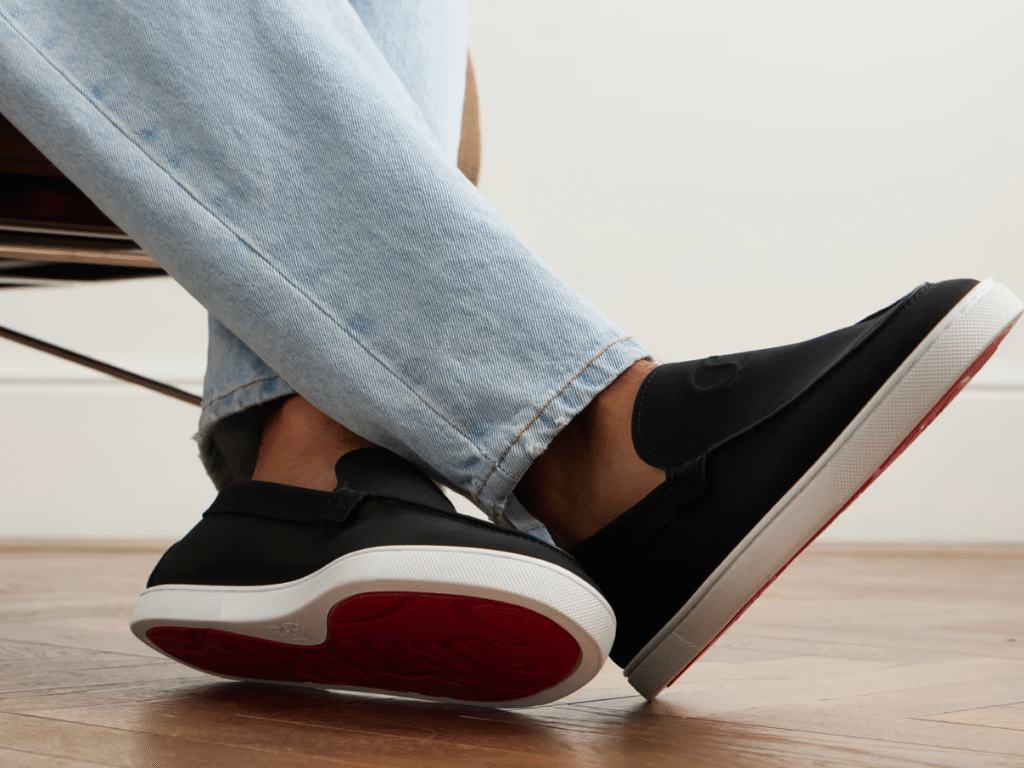
Slipper loafers — or as some call them, sneaker loafers — have quietly become popular, emerging as a top choice for style-savvy men. Think of them as the laid-back cousin of the traditional loafer: less suited for the boardroom, more perfect for weekend brunch. They win hearts with soft suede or velvet uppers, the kind you can slide into without a second thought, and a sleek profile that still looks polished. It’s that ideal balance between comfort and style that has made them a favourite among fashion crowd, proving you can look sharp without feeling overdressed.
If you’re looking to dip your toes—literally—into the slipper loafer game, there are a couple of standouts worth keeping on your radar. MR P. Suede Loafers offer that understated, “I just threw these on” charm, yet somehow still look like you spent hours curating your outfit. Then there’s Church’s Peebles Suede Loafers, which embrace heritage craftsmanship while keeping things effortlessly wearable. You can even choose neutral shades like brown or beige, shades that quietly blend into your casual, everyday wardrobe while still giving off that refined edge. Both are proof that slipper loafers aren’t just a passing trend—they’re a style investment you’ll keep reaching for, pairing them with tailored trousers or rolling up the cuffs on your favourite jeans.
Easy to slip on, easy to style — that’s the magic. They work with straight-leg jeans for weekend brunch, chinos for casual Fridays, or linen trousers on warm summer days. Throw on a polo shirt or an open-collar button-down, and you’ve got a look that feels put together without ever looking like you tried too hard.
- Occasion: Smart-casual, semi-formal gatherings
- Style: Sleek and refined, featuring a signature bow or stitched details
- Season: All year round
- Best Paired With: Tailored trousers, slim-fit chinos, or cropped dress pants
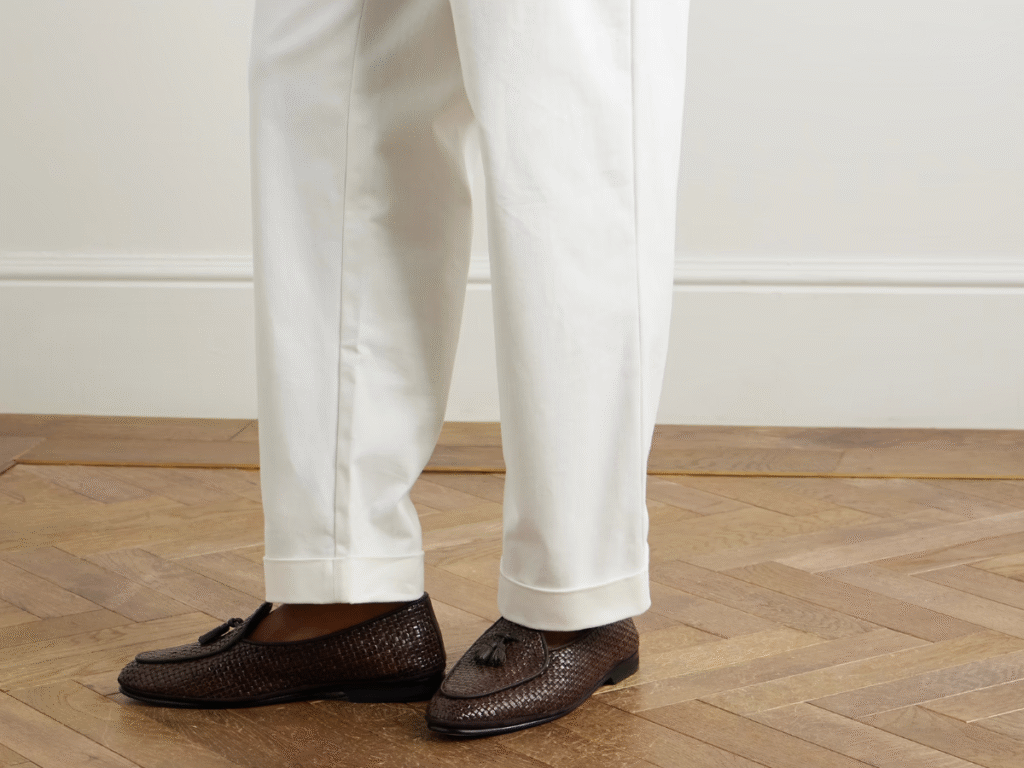
Belgian loafers carry a quiet sophistication that’s hard to match. Originating in Brussels and introduced to the world through New York-based retailer Henri Bendel, they first appeared as the “Mr Casual,” a monk-inspired silhouette featuring a delicate bow on the teardrop vamp—now an iconic hallmark of the Belgian Shoes brand. Made entirely from calf leather, these shoes quickly became the gold standard for quality, comfort, and craftsmanship.
While many brands have embraced the style, none have executed it with the same finesse as Rubinacci, whose Tasselled Leather Loafers replace the bow with tassels and feature a slight heel for a hint of Italian flair. When Bendel introduced his loafers in the 1960s, they cost just $25; today, thanks to their premium craftsmanship, a pair from these top-tier makers can cost over $600.
If you’re ready to invest, Belgian loafers are the perfect mix of elegance and versatility. Pair them with slim-fit chinos for a gallery opening, cropped dress trousers for a rooftop dinner, or lightweight wool pants when the weather turns cooler. Their appeal lies in their adaptability—dressy enough for a date night, yet laid-back enough for an afternoon coffee run. A true wardrobe staple, these are the shoes you’ll find yourself reaching for season after season.
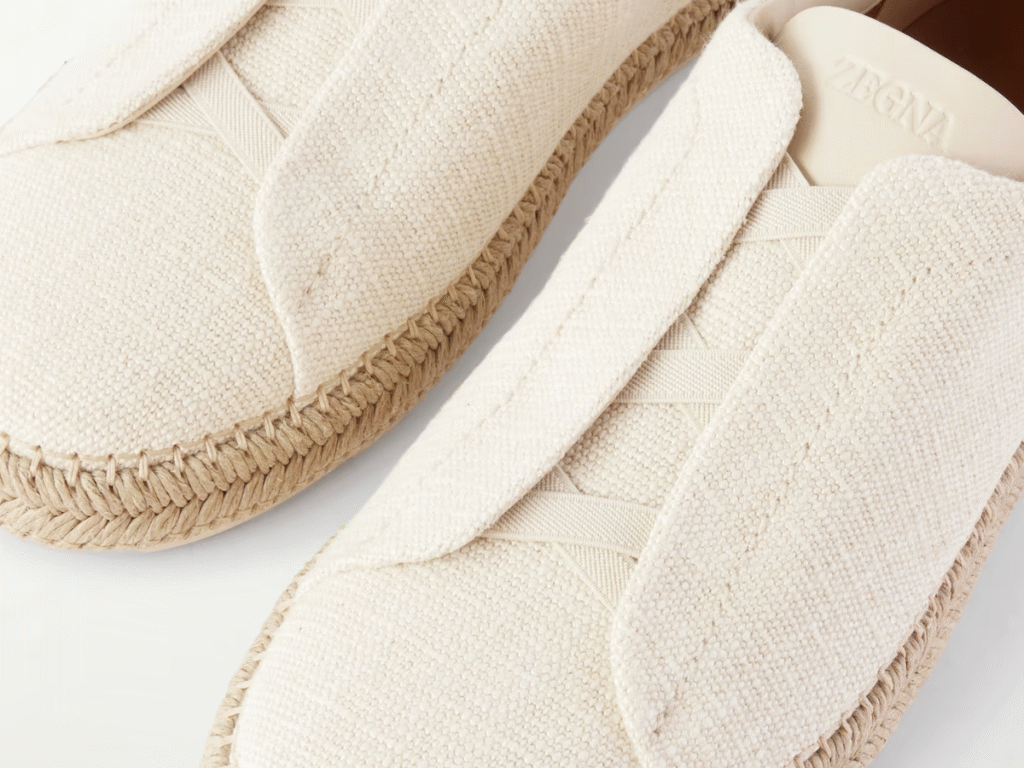
- Occasion: Beach getaways, resort wear, relaxed city strolls
- Style: Canvas or Cotton with Jute Sole
- Season: Spring/Summer
- Best Paired With: Linen trousers, chino shorts, lightweight button-downs
If loafers had a beach-loving, sun-chasing cousin, it would be the espadrille. Originating from the Pyrenees and worn for centuries by everyone from Spanish peasants to French artists, this shoe has gone from humble beginnings to a global summer staple. Its secret? A breezy mix of lightweight canvas or cotton uppers and that instantly recognizable woven jute sole. Slide into a pair and you’ll immediately feel like you should be wandering cobblestone streets in Ibiza or sipping an Aperol spritz by the Amalfi Coast.
For a refined twist on this classic, MULO Linen Espadrilles bring a minimalist British touch to Mediterranean style, ideal for pairing with crisp linen trousers or rolled chinos. If you prefer something with a little texture, the CASTAÑER Pablo Suede Espadrille provides a softer, more luxurious feel while still maintaining that relaxed summer vibe. Both options demonstrate that espadrilles aren’t just for the beach—they’re about effortless versatility.
Go for earthy neutrals or nautical stripes to keep things classic, or lean into soft pastels for a playful summer vibe. The beauty here is in the ease: no socks, no fuss—just pure warm-weather style.
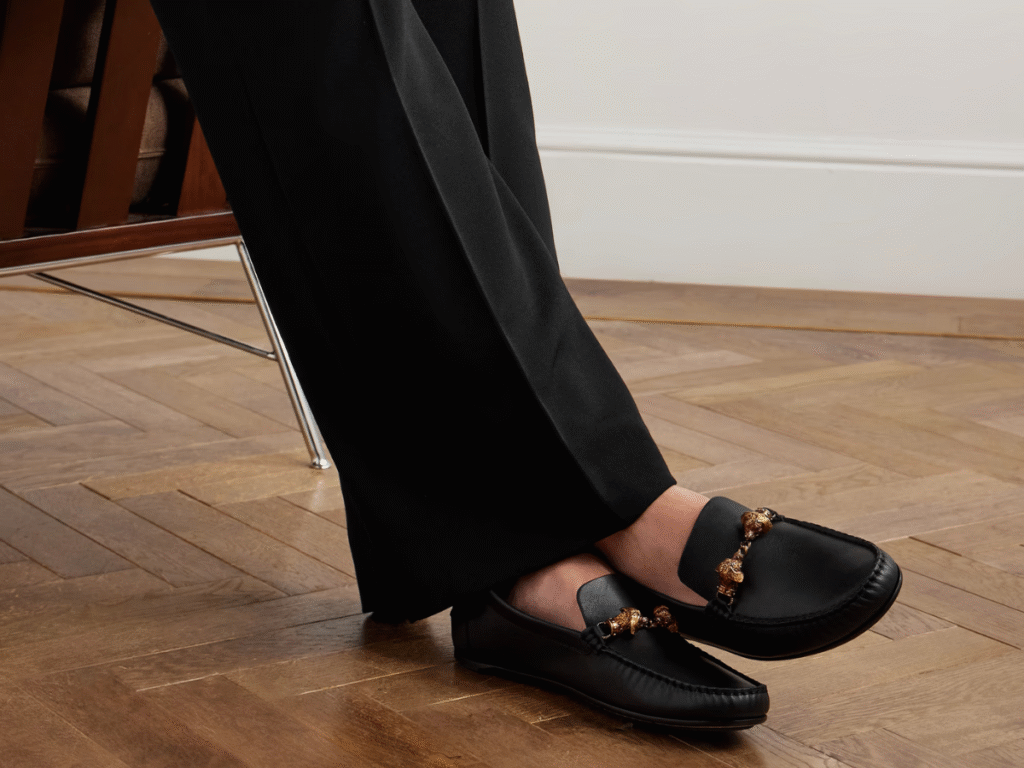
- Occasion: Casual weekends, scenic road trips, smart-casual outings
- Style: Sleek, lightweight, and functional with a nod to Italian craftsmanship
- Season: Spring to Autumn
- Best Paired With: Slim chinos, tailored shorts, polo shirts, or light sweaters
Born in mid-20th-century Italy, driving shoes were originally designed to provide motorists with maximum grip, flexibility, and comfort behind the wheel. Their signature feature is the pebbled rubber sole that extends up the heel—offering precise pedal control and a distinctive style detail that has become synonymous with relaxed elegance. Over time, they have expanded well beyond the driver’s seat, now serving as an easy choice for casual days, seaside walks, and smart-casual evenings.
Designed from supple suede or buttery leather, driving shoes conform to your feet for glove-like comfort. Neutral tones like brown, beige, and grey keep them timeless, while richer colours such as navy or deep burgundy add flair. Slip them on with rolled-up chinos for lunch at a café or pair them with tailored shorts for a coastal getaway—these shoes help you look polished without feeling overdressed. And between you and us, this is hands-down one of our favourite styles among the Many Men Magazine team; few shoes hit the sweet spot between comfort and sophistication quite like these.
Formal loafer styles blend timeless craftsmanship with understated elegance. Consider penny loafers for a clean, classic look, tassel loafers to add a touch of personality, and horsebit loafers for that refined, luxurious edge. These shoes command respect without shouting for attention—ideal with a tailored suit for the office, a crisp dinner jacket for evenings out, or dressed down with well-cut trousers on smart-casual days. It’s no surprise they remain a staple in any man’s wardrobe, bridging tradition and modern style. Now, let’s get into it.
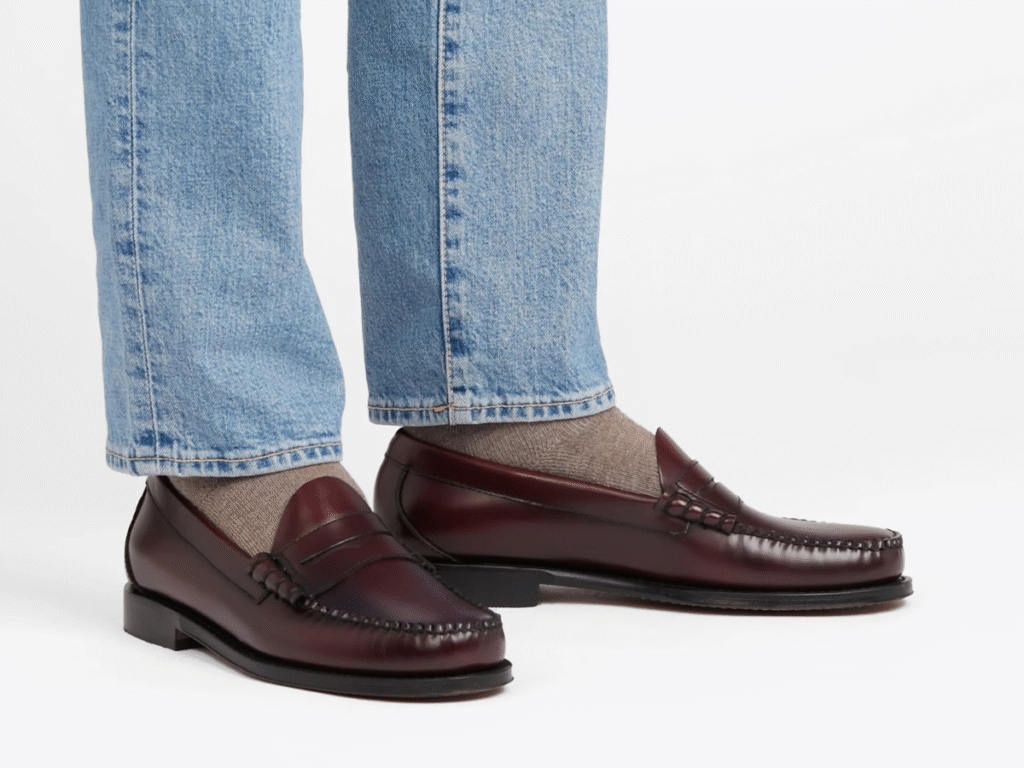
- Occasion: Smart-casual events, business-casual offices, weekend brunches
- Style: Classic slip-on with a signature strap & diamond-shaped cut-out
- Season: Year-round
- Best Paired With: Slim trousers, cuffed jeans, Oxford shirts, or light knitwear
The penny loafer’s origins date back to the 1930s when Norwegian shoemaker Nils Gregoriusson Tveranger created a moccasin-inspired slip-on influenced by Native American footwear. The design made its way to the U.S., where G.H. Bass tailored it with his own touch, introducing the now-famous Weejun. His smart addition—a strap with a diamond-shaped cut-out—was just the right size to hold a coin, giving the shoe both its name and a hint of charm.
From boardrooms to brunch tables, penny loafers have evolved into one of the most adaptable shoes in a man’s wardrobe. They offer a refined silhouette without the stiffness of traditional dress shoes, effortlessly walking the line between formal and casual. You can throw them on with a blazer and chinos for a client lunch or dress them down with jeans for weekend plans.
While black leather remains the gold standard for business settings, brown leather or soft suede in earthy tones opens the door to more relaxed styling. They’re the type of shoe that can take you from Monday meetings to Friday night cocktails without missing a beat. A great pair of penny loafers isn’t just footwear—it’s a rite of passage for any man building a versatile shoe rotation.
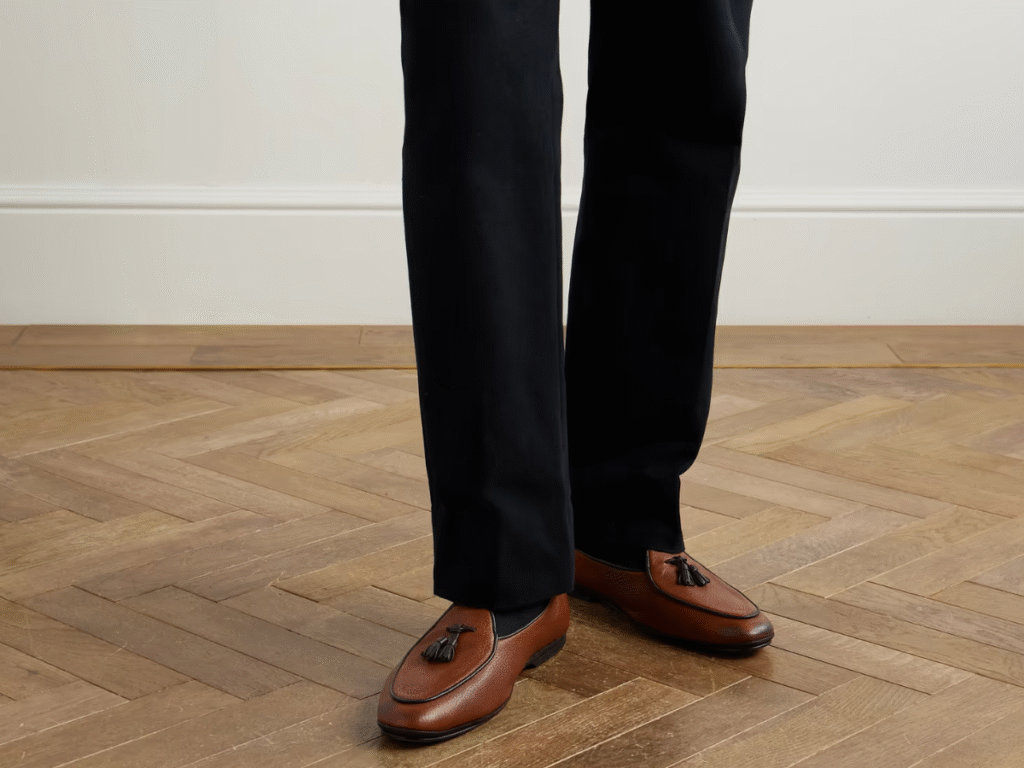
- Occasion: Smart-casual events, semi-formal gatherings, evenings out
- Style: Slip-on loafer with decorative leather tassels at the vamp
- Season: Spring to autumn
- Best Paired With: Tailored trousers, linen suits, dark jeans, or chinos
The tassel loafer’s history traces back to the late 1940s when actor Paul Lukas, captivated by a pair of tasseled oxfords he discovered in Europe, commissioned American shoemakers to reinterpret them into a convenient slip-on. The result was a loafer that combined the sophistication of a formal shoe with a playful twist—those distinctive swinging tassels at the vamp. They add personality to your footwear without being too loud, making them suitable for both a dressed-up office look and a polished weekend outfit.
Modern tassel loafers come in rich calfskin, luxurious suede, and even two-tone leather for those who prefer a bit more flair. A black pair instantly sharpens a navy suit, while chocolate brown suede or tan leather can add warmth to your casual chinos or linen trousers. They’re the ideal in-between shoe—more character than a penny loafer, yet still classic enough to wear season after season without feeling outdated.
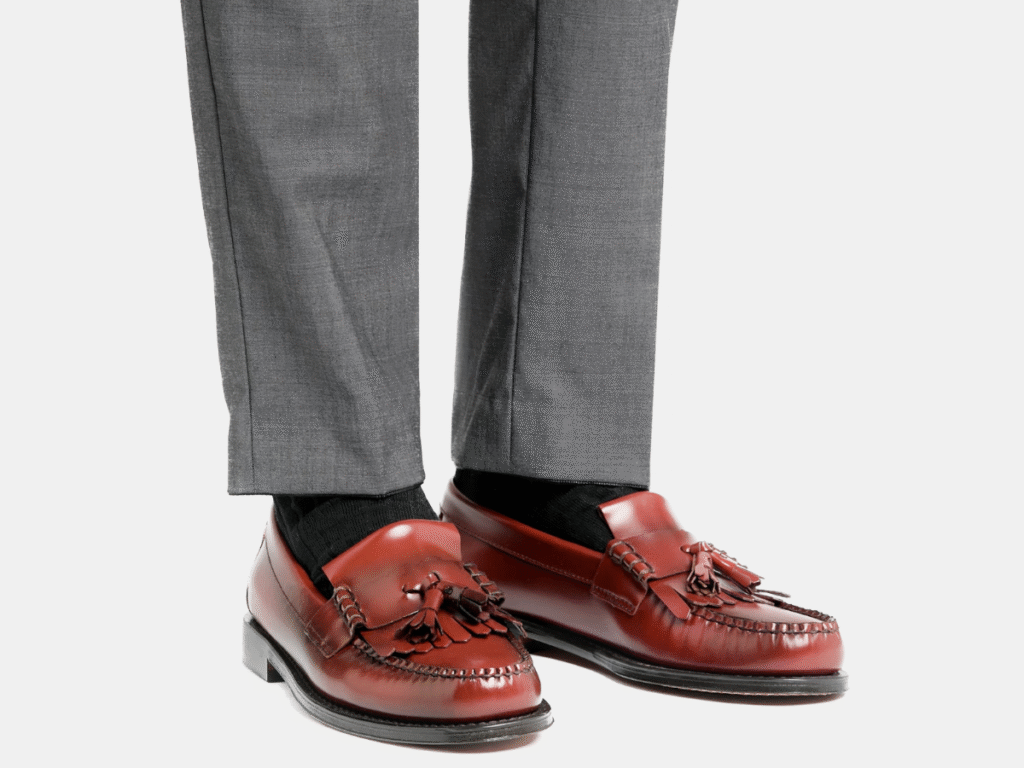
- Occasion: Semi-formal gatherings, golf clubs, business-casual settings
- Style: Slip-on loafer with a fringed leather panel (the “kiltie”) covering the instep
- Season: Year-round
- Best Paired With: Pleated trousers, corduroy pants, or smart denim
Born from the blend of traditional golf shoes and classic loafers, the kiltie loafer is the kind of footwear that instantly catches the eye without feeling flashy. The signature fringed leather flap—originally designed to protect laces and keep dirt off the shoe—has become an unmistakable mark of style. Over time, brands reimagined the kiltie in a loafer style, giving us a shoe that balances heritage charm with a touch of preppy elegance.
From rich burgundy leather to buttery-soft suede, kiltie loafers are versatile enough to transition from a relaxed Friday at the office to a Sunday brunch. You can keep it classic with smooth calfskin in deep brown or embrace vintage vibes with textured leather and brogue detailing. Their layered design adds depth to any outfit, making them an excellent choice for those who want more than just another plain loafer in their collection.
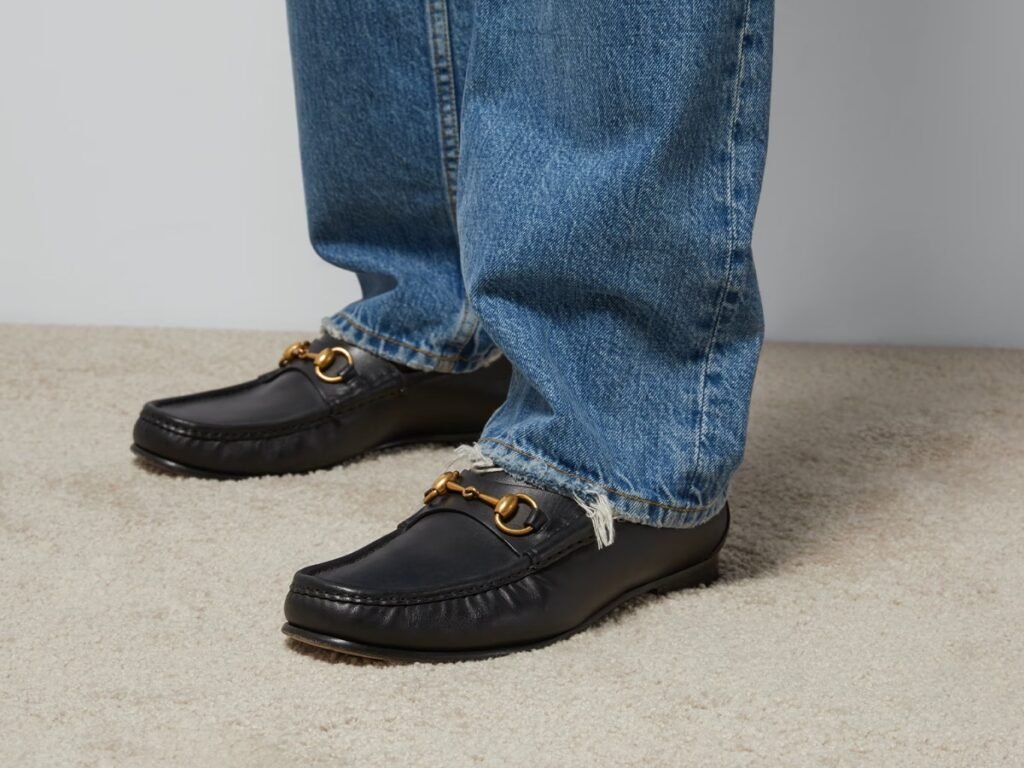
- Occasion: Business meetings, evening dinners, upscale casual events
- Style: Slip-on loafer with a metal horsebit detail across the vamp
- Season: Year-round
- Best Paired With: Tailored trousers, linen suits, or dark denim
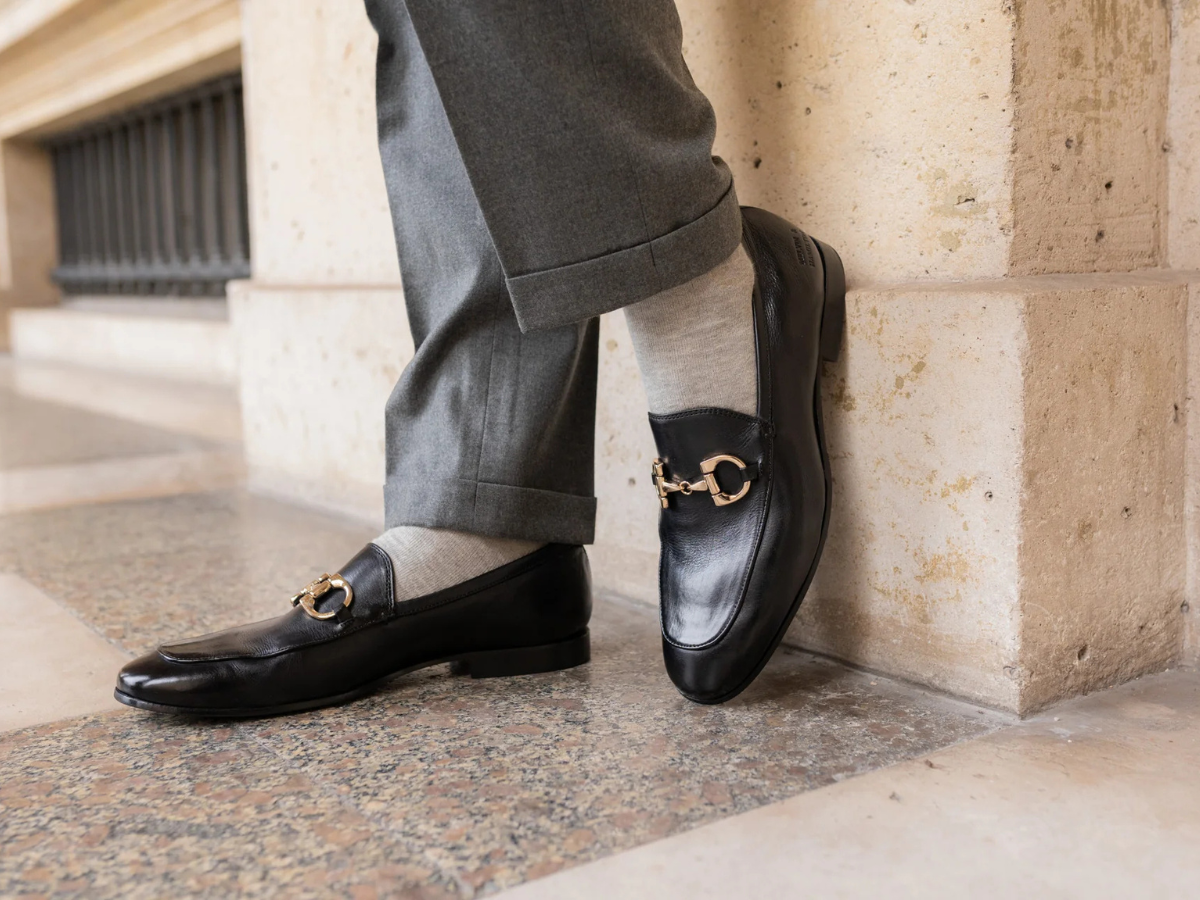
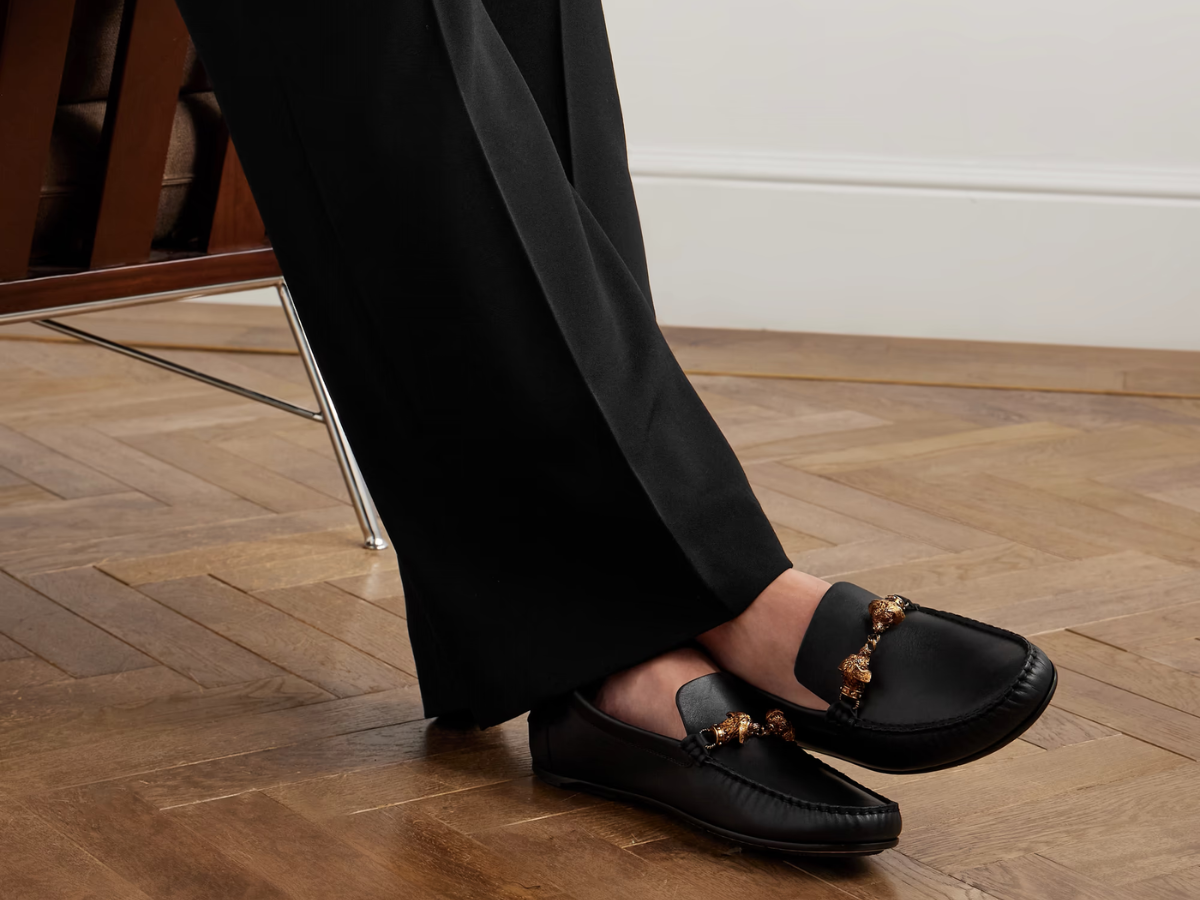
If loafers had a crown, the horsebit loafer would wear it. First introduced by Gucci in 1953, this style revolutionised men’s footwear with its distinctive metal horsebit—a nod to equestrian heritage—combining elegance with comfort. Over the decades, it’s been seen on Hollywood icons, global tastemakers, and Wall Street power players, securing its status as one of the most iconic and instantly recognizable shoes worldwide.
The charm of horsebit loafers comes from their versatility. They can look formal in glossy black leather or take on a more relaxed style in soft suede. Choose deep brown calfskin with tailored navy trousers for a sharp business look, or combine a lighter shade with cream chinos and an open-collar shirt for weekend sophistication. The Meermin Black Calf Horsebit Loafers offer a refined, subtle elegance perfect for the office, while the Morjas Horsebit Loafer provides a modern, continental touch that suits summer rooftop bars or dinner dates.
Part of their enduring appeal is the comfort and craftsmanship. A well-made horsebit loafer will mould to your foot, the leather developing a rich patina over time. Gucci remains the gold standard, but brands like Tod’s, Ferragamo, and Edward Green have brought their own artistry to the silhouette. With quality options like Meermin and Morjas also in the mix, the style now spans both premium and accessible price points—without sacrificing sophistication.
Yes, they’re an investment, with premium pairs often costing well over $600, but the reward is clear. Once you’ve experienced their mix of comfort, elegance, and versatility, you’ll find yourself wearing them much more frequently than you expected—proof that some style icons genuinely earn their reputation.
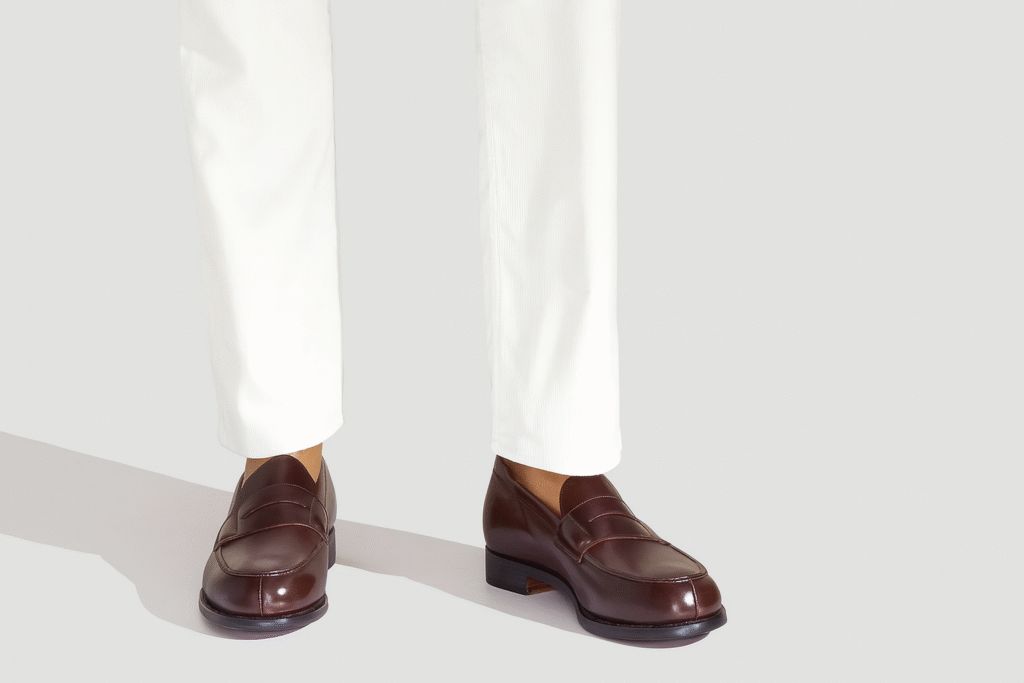
- Occasion: Smart-casual, business casual, and semi-formal events
- Style: Defined by a stitched apron seam running along the toe box
- Season: Year-round
- Best Paired With: Tailored trousers, chinos, and knit polos
Apron loafers add a touch of architectural sophistication to slip-on shoes, characterized by the distinctive apron seam that outlines the toe. This subtle design detail provides depth and character without becoming overly ornate, making the style highly versatile. Offered in materials from polished calfskin to soft suede, apron loafers can be dressed up with a blazer and tailored trousers or worn casually with rolled chinos and a crisp polo. They strike a perfect balance between sleek minimalism and decorative flair, attracting men who value details without losing simplicity.
Beyond aesthetics, apron loafers often provide exceptional comfort thanks to their soft design and easy slip-on style. High-quality leather options will mould to your feet over time, developing a rich patina that showcases your personal wear. Whether you’re heading to a client lunch or catching up with friends for weekend cocktails, apron loafers offer a sophisticated, versatile choice that combines traditional craftsmanship with modern style.
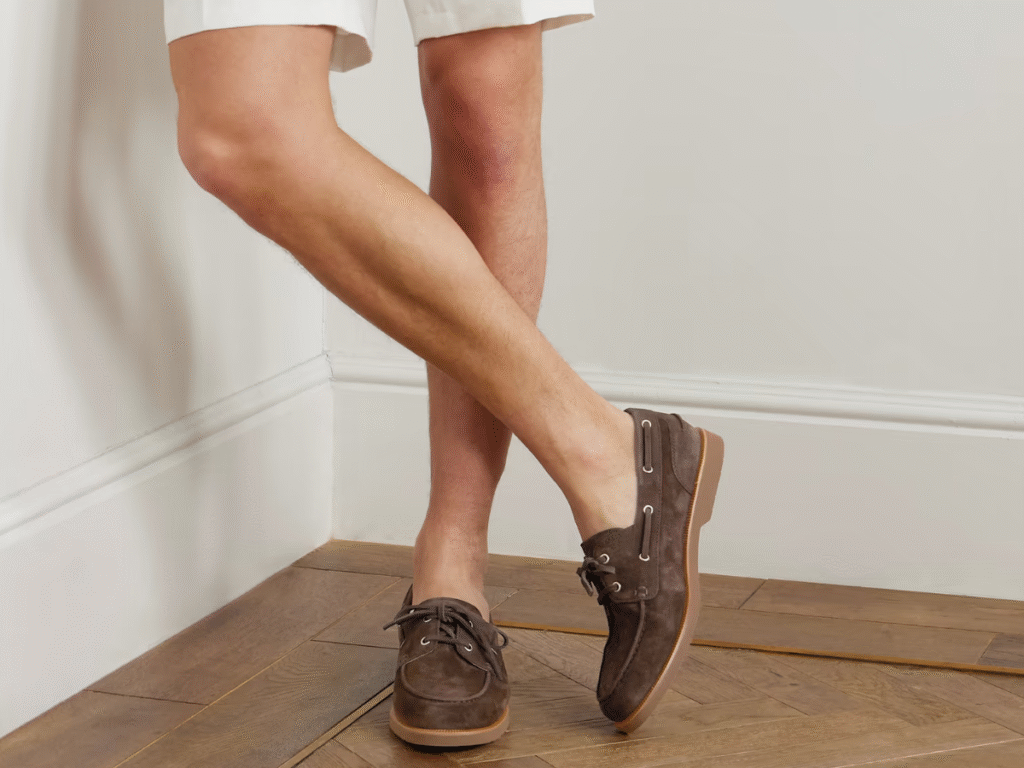
- Occasion: Casual outings, coastal vacations, and weekend wear
- Style: Slip-on with moccasin-style stitching and lace detailing, often in water-resistant leather or canvas
- Season: Spring and summer
- Best Paired With: Shorts, chinos, linen trousers, and polo shirts
Boat loafers—often called boat shoes—offer an effortless maritime charm that’s hard to resist. Originally crafted for sailors in the 1930s, their non-slip rubber soles and water-resistant uppers made them practical for wet decks, but their appeal quickly extended beyond the marina. Today, they’re a popular warm-weather wardrobe staple, appreciated for their easy slip-on style, breathable materials, and relaxed sophistication. Pair them with chino shorts and a crisp white shirt for a breezy vacation look, or wear them with lightweight trousers and a linen blazer for a polished yet laid-back summer dinner ensemble.
The appeal of boat loafers lies in their versatility and comfort. Brands often use soft, durable leathers or sturdy canvas that mould to the foot, while cushioned insoles keep you comfortable during long days on your feet—or on the deck. You don’t need a yacht to enjoy them; they bring that nautical ease to everyday life. From strolling along the boardwalk to grabbing brunch at a beachside café, boat loafers are your go-to for blending casual style with a touch of coastal elegance.
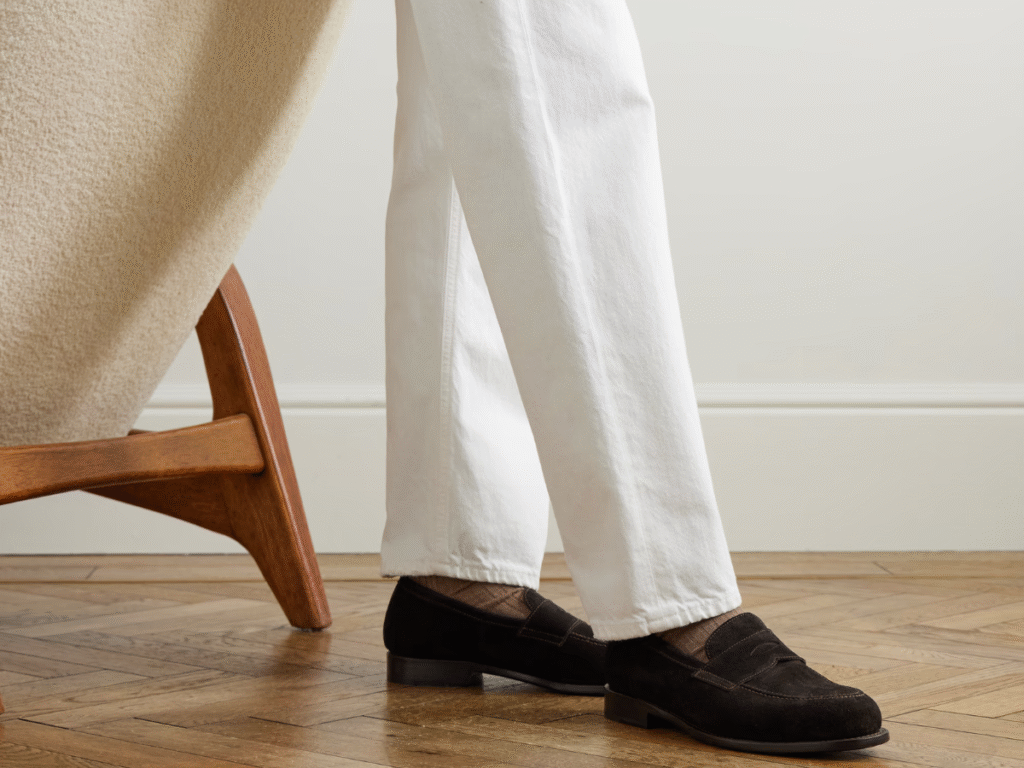
Now that we’ve looked at the different types of loafers, let’s discuss how to actually wear them. Loafers, whether made from buttery leather or soft suede, are versatile pieces that can suit almost any man’s wardrobe. They often come in classic shades—rich browns, deep blacks, or warm tans—that easily match with a range of outfits. You might see one man pulling off penny loafers with tailored shorts and a crisp polo, while another pairs tassel loafers with a linen suit ready for a summer wedding. The appeal of loafers is their ability to transition between casual and sophisticated styles, depending on how you style them.
For casual wear, loafers and the smart-casual dress code go hand in hand. Penny loafers are your go-to here, pairing just as well with cuffed chinos as they do with dark denim. Tassel loafers or horsebit styles lean slightly dressier—perfect with slim-fit trousers, a lightweight blazer, and a clean button-down shirt. When you’re dressing for semi-formal occasions, consider dark trousers, neatly pressed pleated chinos, or suit-style pants cut with a straight leg. The hem should break just above the loafer, allowing the shoe to stand out without being swallowed by fabric. This small detail can make a world of difference in keeping your look sharp and intentional.
When the dress code shifts towards cocktail or formal attire, it’s time to bring out your most refined loafers. Darker shades in polished leather, sleek tassel loafers, glossy horsebits, or even patent leather slippers will rise to the occasion. Black-tie events especially benefit from slipper-style or patent finishes, but for most formal suits, a pointed tassel or elegant penny loafer suffices. The key is always balance—your loafers should feel like an extension of your outfit, tying the whole look together with understated confidence.
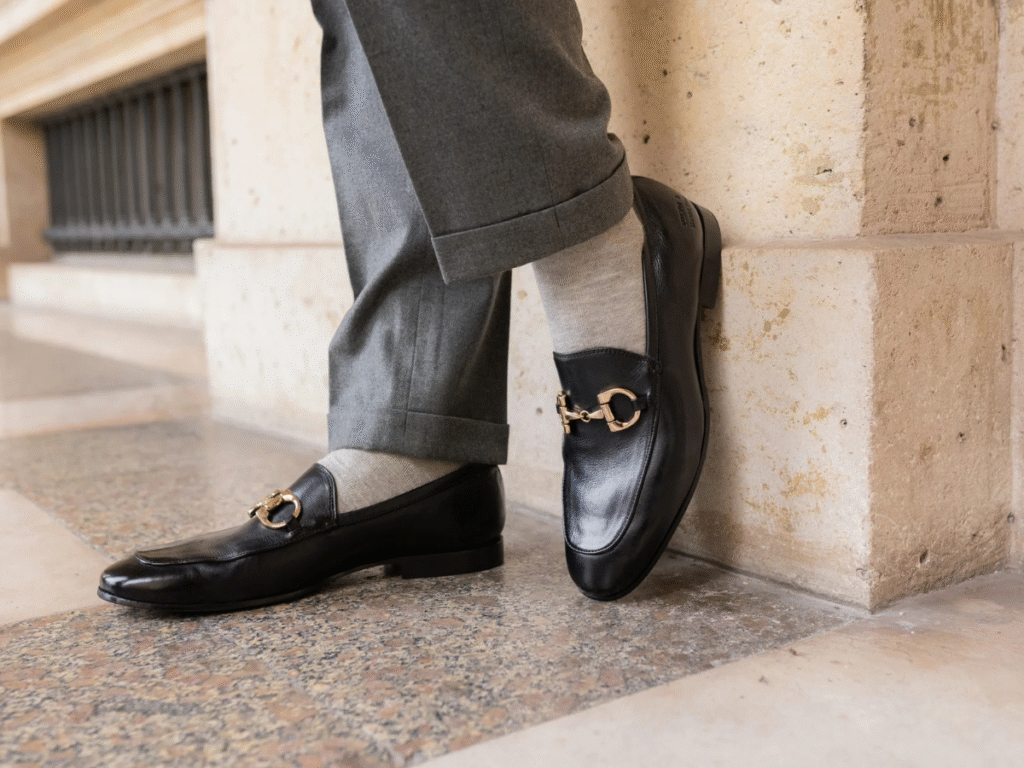
Once upon a time, wearing loafers without socks was seen as a rebellious departure from tradition — now, it’s arguably the default choice for style-conscious men. The bare-ankle look adds a sleek, modern touch to loafers, allowing the shoe’s silhouette to stand out while conveying a sense of effortless nonchalance. This style trend has grown significantly in popularity over the past decade, especially in summer, when going sockless (or wearing hidden no-shows) keeps outfits light, breathable, and perfectly suited to warm weather. From linen suits to rolled chinos and even tailored shorts, this approach combines sharp tailoring with casual charm.
That being said, socks still have a place in loafer etiquette. For cooler months, formal settings, or when you want to add an extra touch of personality, a well-chosen sock can elevate the entire look. Think fine-gauge dress socks in navy, grey, or black for business attire, or bolder patterns for smart-casual settings where a splash of colour adds character. The key is balance — the sock should complement, not distract from, the loafer’s refined profile.
Ultimately, the “sock rule” for loafers is less about strict laws and more about reading the room. Going sockless works wonders for a modern, relaxed vibe and is currently in the style spotlight, but don’t overlook the power of a classic sock-and-loafer combination when the occasion calls for it. The best-dressed men know how to switch between the two effortlessly, proving that true style isn’t about following one rule — it’s about knowing when to bend it.
Are loafers considered formal or casual?
Loafers are highly versatile — they can be styled as formal or casual depending on the look and how you wear them. A sleek leather penny or tassel loafer pairs perfectly with suits and business outfits, while suede or chunky-soled versions are ideal for smart-casual looks like chinos and polos.
Can I wear loafers year-round?
Yes. Leather loafers work well in cooler months (especially with socks), while suede or lighter-coloured loafers shine in spring and summer. Just be careful of the weather — rain and suede don’t mix well unless you’ve treated them with a water-repellent spray.
Do loafers need breaking in?
Most loafers require a short break-in period, especially if they’re made from full-grain leather. At first, they might feel tight, but quality leather will soften and conform to your feet with wear, providing a comfortable, personalised fit.
Should I wear loafers with or without socks?
Going sockless with loafers is a very popular trend at the moment, especially in summer for a sleek, modern look. For cooler seasons or formal events, choose thin dress socks that match your outfit. If you go sockless, consider no-show socks to stay comfortable and hygienic.