






























- TAG Heuer unveils a bold new chapter with the Carrera Astronomer, combining lunar inspiration with the brand’s precision heritage.
- Each reference features a 39 mm case powered by the dependable Calibre 7 movement with a 50-hour power reserve.
- The moonphase display shows seven illustrated lunar stages, advancing every night at 1:00 a.m. for a poetic, dynamic visual.
- Three limited-edition models, each limited to 500 pieces, showcase unique designs featuring steel, modern grey shades, and opulent 18K 5N rose-gold accents.
- Prices range from USD $4,600 to $7,400, with global availability starting in October 2025 through TAG Heuer boutiques and the official online store.
The race to explore space started when Sputnik 1 broke through Earth’s atmosphere in 1957. That small satellite didn’t just orbit the planet — it sparked a worldwide contest. More unmanned missions followed, including several with animal passengers, and by 1961 the Soviet Union had taken a clear lead when Yuri Gagarin became the first human to travel into outer space.
NASA, still in the early stages of its Mercury program, was struggling to keep up. The agency had achieved only brief suborbital flights with Alan Shepard and Gus Grissom, and genuine orbital travel had yet to be accomplished. Everything changed on February 20, 1962, when John H. Glenn Jr. boarded the Friendship 7 spacecraft. The mission lasted 4 hours, 55 minutes, and 23 seconds as he orbited Earth three times, becoming the first American to do so and marking a turning point in the space race. His mission shaped the decade that followed — and interestingly, he carried a watch that played a small but memorable role in the story.
It took courage, curiosity, and cosmic ambition that TAG Heuer taps into with the Carrera Astronomer. This release honours the era when humanity first looked beyond the horizon and believed we could reach something greater than ourselves.

Before TAG Heuer became synonymous with motorsport timing and modern luxury, the brand quietly earned a place in one of humanity’s greatest achievements. When NASA prepared for its early orbital missions in the 1960s, reliability was more important than branding, and Heuer was among the few manufacturers capable of providing instruments that could withstand extreme conditions. That’s how the company ended up contributing a tool that would soon make history far beyond Earth’s surface.
During John H. Glenn Jr.’s historic 1962 flight, he wore a specially adapted Heuer 2915A stopwatch, making it the first Swiss timepiece to go into space. Originally built for race timing, the 2915A had a long-range 1/5-second measurement system, a seven-jewel movement, and a nickel-chrome case designed for durability. Its dual sub-dial layout allowed Glenn to accurately track minutes, hours, and seconds, operated by simple repeated presses of the crown. While NASA relied on multiple timing systems, Glenn used the Heuer as a backup during critical moments — including launch — where absolute certainty mattered.
The success of the Friendship 7 mission didn’t just change the course of the space race but also reinforced Heuer’s reputation for technical excellence on a global level. Suddenly, the brand was no longer just producing tools for racetracks and laboratories — it had made its mark in orbit. That legacy continues to motivate TAG Heuer’s modern innovations, and with the arrival of the Carrera Astronomer, the brand begins a new chapter in its cosmic voyage, blending heritage with a celestial, design-focused vision for 2025 and beyond.


TAG Heuer used Geneva Watch Days 2025 to reveal something truly unexpected with three new references under the Carrera Astronomer name. Instead of revisiting its racing heritage, the brand looked to the moon and drew inspiration from John Glenn’s pioneering mission. The collection combines classic Carrera design with a modern, imaginative take on the moonphase complication, capturing TAG Heuer’s focus on clarity, precision, and innovation.
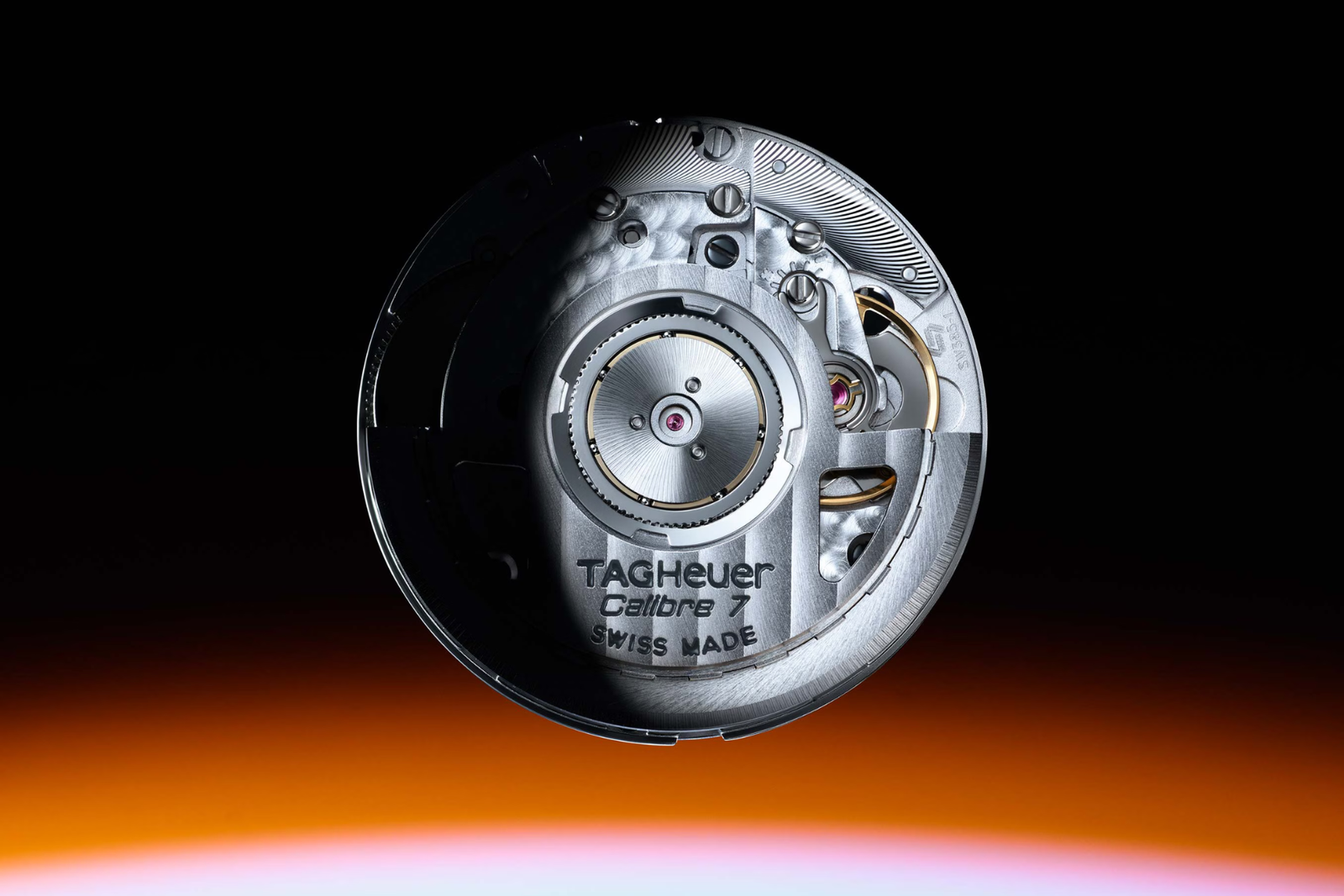
The watch measures 39mm, creating a balanced profile that feels refined on the wrist, and it is powered by the newly developed Calibre 7 mechanical movement. This calibre drives the Astronomer’s standout feature, which is a moonphase display that breaks from tradition. Instead of a single cutout on the dial, TAG Heuer presents the lunar cycle through a rotating disc that showcases seven illustrations representing each stage of the moon’s 29.5-day cycle.
Positioned at 6 o’clock, the disc advances each night at 1:00 a.m., guided by two slender markers that frame the complication and help track its daily progression. This subtle movement enhances the sense of connection between the wearer and the shifting lunar cycle. Turning the watch over reveals an engraved astronomical observatory surrounded by TAG Heuer’s Victory Wreath, a design choice that honours exploration, achievement, and the cosmic inspiration behind the Astronomer.
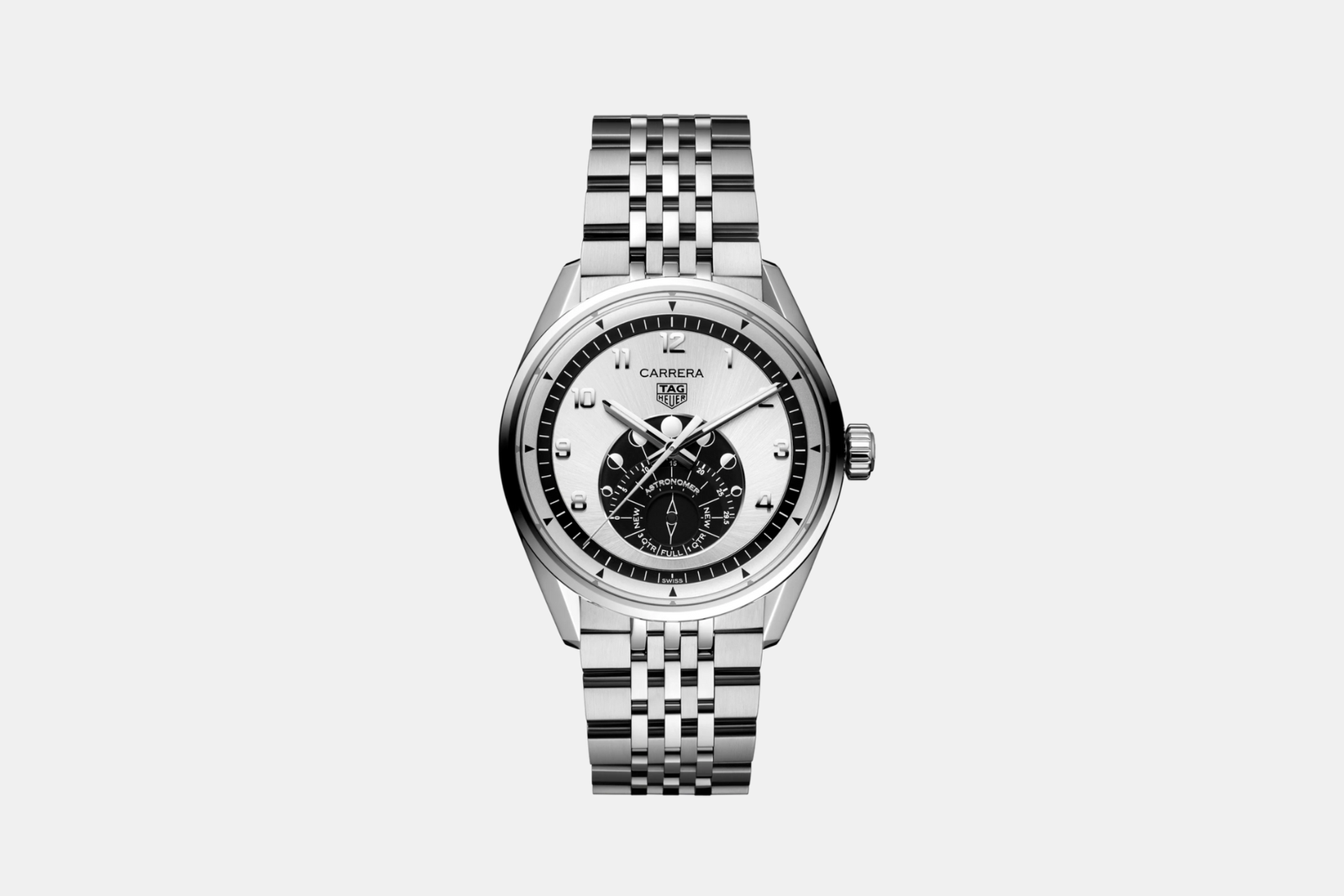
- Brand: TAG Heuer
- Model: Cerrera Astronomer
- Reference: WBX2110.BA0044
- Diameter: 39 mm
- Thickness: 12.16 mm
- Material: Steel Fine-Brushed
- Dial Colour: Silver Dial
- Calibre: Calibre 7
- Power Reserve: 50 Hours
- Water Resistance: 10 Bar (100 metres, 330 feet )
- Price: USD $4,800
Announced at Geneva Watch Days 2025, the Carrera Astronomer collection features three references, with model WBX2112.FC6615 as the core stainless steel version. It pairs a silver dial with a black flange and a dark moonphase disc, a combination TAG Heuer’s description of outer space’s calm, weightless feel. The subdued palette with deep grey accents adds atmosphere and movement, with a balanced design framing the lunar disc at 6 o’clock that advances nightly at 1:00 a.m. to show the seven phases of the moon’s 29.5-day cycle. Powered by the new Calibre 7 Movement, it offers modern reliability and poetic storytelling.
TAG Heuer revisited its archives with a modern take on the classic beads-of-rice bracelet from the 1960s, blending vintage charm with contemporary style, fitting the Astronomer’s celestial theme. Rhodium-plated hands with white Super-LumiNova ensure visibility in low light, emphasizing space-inspired design and practicality. The WBX2112.FC6615 is the most understated yet versatile, connecting the Astronomer’s cosmic theme with the familiar Carrera elements.
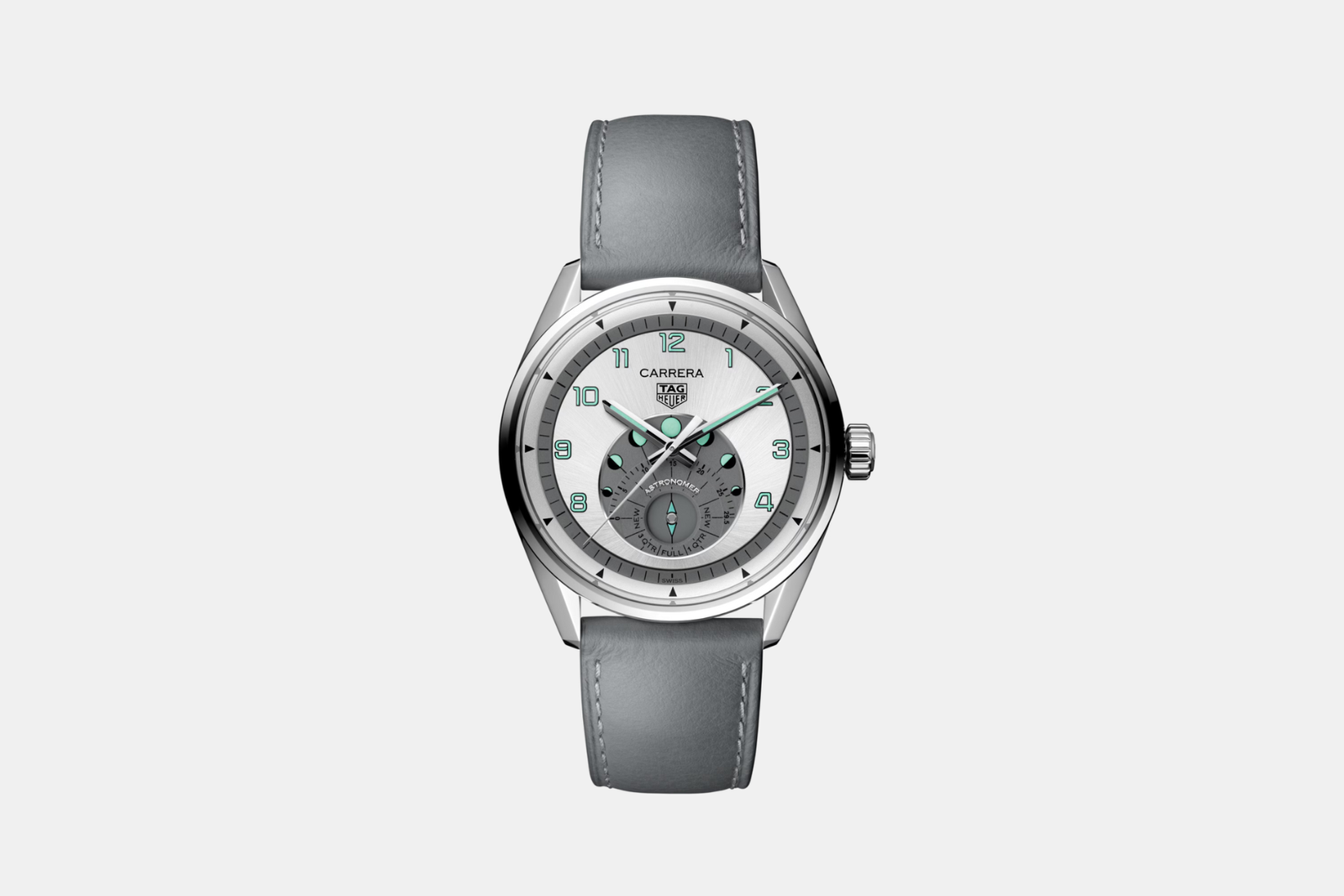
- Brand: TAG Heuer
- Model: Cerrera Astronomer
- Reference: WBX2112.FC6615
- Diameter: 39 mm
- Thickness: 12.16 mm
- Material: Steel Polished Case
- Dial Colour: Silver Dial
- Calibre: Calibre 7
- Power Reserve: 50 Hours
- Water Resistance: 10 Bar (100 metres, 330 feet )
- Price: USD $4,600 (Limited Edition-500 Pieces)
The next Astronomer reference, limited to 500 pieces, embraces a more modern aesthetic while keeping lunar inspiration front and centre. Its silver dial is paired with a dark grey inner flange, creating a sleek contrast that adds extra depth to the display. TAG Heuer injects a dash of personality through Super-LumiNova turquoise details on the numerals, hands, and moonphase, giving the watch a subtle futuristic glow that stands out both in daylight and after dark.
To finish the design, TAG Heuer pairs the watch with a grey leather strap, adding a soft texture that balances the steel case and enhances the watch’s refined presence. Powered by the Calibre 7 with a 50-hour power reserve and housed in a polished 39 mm steel case water-resistant to 10 bar, this reference offers a modern interpretation of the Astronomer’s concept at USD $4,600. It’s a sophisticated, energetic take on the moonphase layout — one that combines colour, texture, and technical charm in a way that feels fresh within the Carrera family.
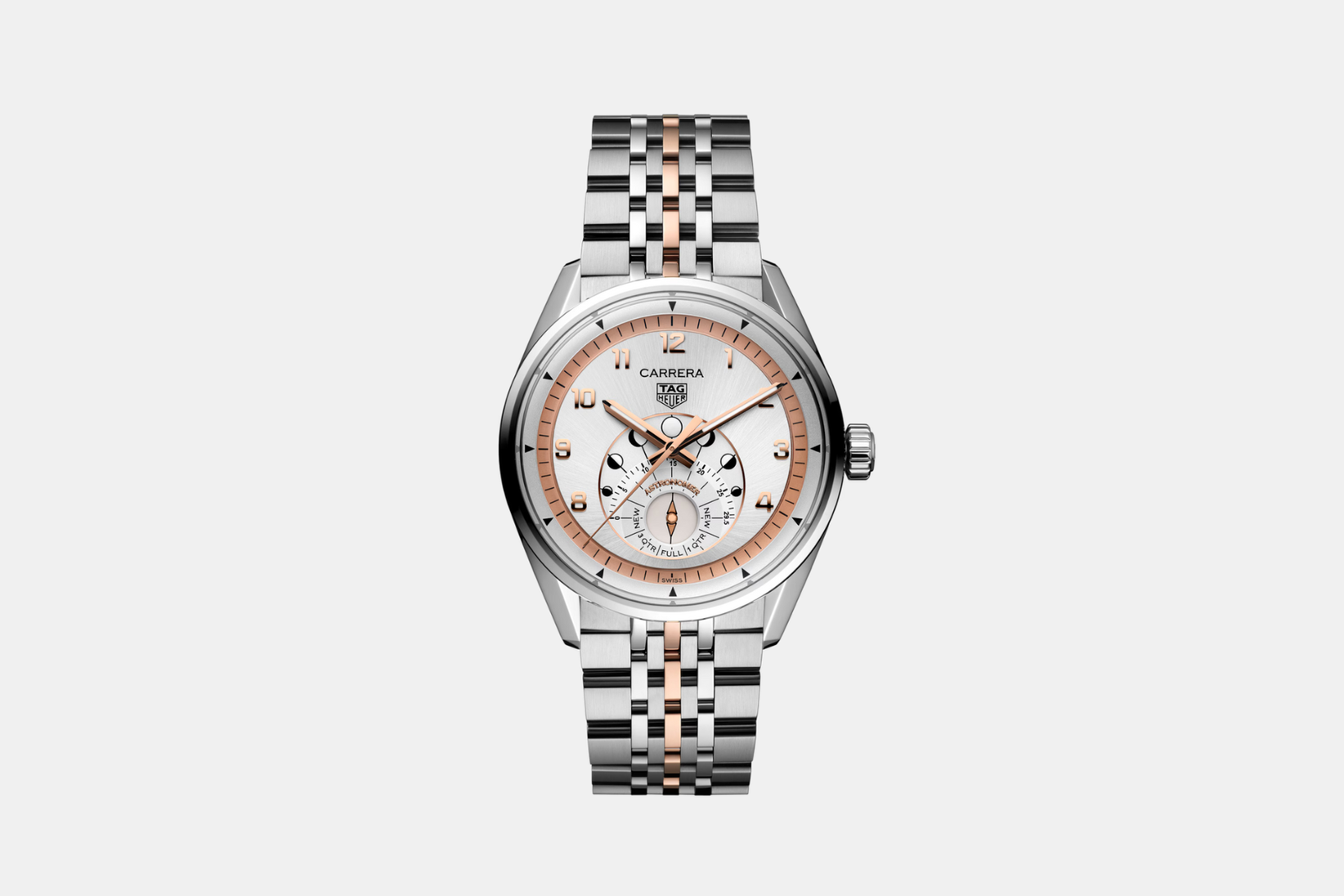
- Brand: TAG Heuer
- Model: Cerrera Astronomer
- Reference: WBX2111.BD0002
- Diameter: 39 mm
- Thickness: 12.16 mm
- Material: Steel Polished – Rose Gold
- Dial Colour: Silver Dial
- Calibre: Calibre 7
- Power Reserve: 50 Hours
- Water Resistance: 10 Bar (100 metres, 330 feet )
- Price: USD $7,250
The Ref. WBX2111.BD0002 brings a more luxurious edge to the Astronomer lineup by introducing 18K 5N rose gold, creating a sophisticated two-tone aesthetic that immediately distinguishes it from other references. The warm metal is thoughtfully used throughout the design, notably on the rose-gold-plated flange, hands, and Arabic numerals, all enhanced with Super-LumiNova for clear visibility in low light. Limited to 500 pieces, this edition also features the moonphase in a more subtle, tone-on-tone style, giving the lunar display a sleek, integrated appearance that pairs well with the richness of the rose-gold accents.
This reference highlights just how far TAG Heuer is prepared to go beyond its long-established identity. For decades, the brand has been associated with motor racing and high-speed timing, but the Carrera Astronomer signals a notable shift toward a more imaginative, exploratory path. With pieces like the WBX2111.BD0002, TAG Heuer signals that it is ready to explore new creative frontiers — combining its technical heritage with a design language inspired by the cosmos and the spirit of discovery that characterized early space exploration.
The full TAG Heuer Carrera Astronomer lineup is set to launch in boutiques and on the brand’s online store in October 2025, offering collectors the first chance to secure one of the limited 500 pieces per reference. The Ref. WBX2112.FC6615 will be the most accessible of the trio, paired with a grey leather strap and a polished steel folding clasp, and priced at USD $4,600. Just above it is the Ref. WBX2110.BA0044, which features a steel bezel, contrasting black-and-silver flanges, and TAG Heuer’s seven-row steel bracelet. This model comes in at USD $4,800.
For those wanting something more refined, the Ref. WBX2111.BD0002 features warm 18K 5N rose-gold accents on the flange and bracelet links, forming a two-tone profile that distinguishes it from the rest of the collection. This version is priced at USD $7,300. All three watches are powered by the sturdy Calibre 7 movement with a 50-hour power reserve, offering hours, minutes, seconds, and a delicately crafted moonphase complication.
More details and purchasing options will be available through TAG Heuer’s official online boutique when the collection is launched.