







Our team of editors and experts thoughtfully chooses each product. If you decide to buy through one of our links, we may earn a commission. Learn more. Want to know how we test products? Click here for more details.
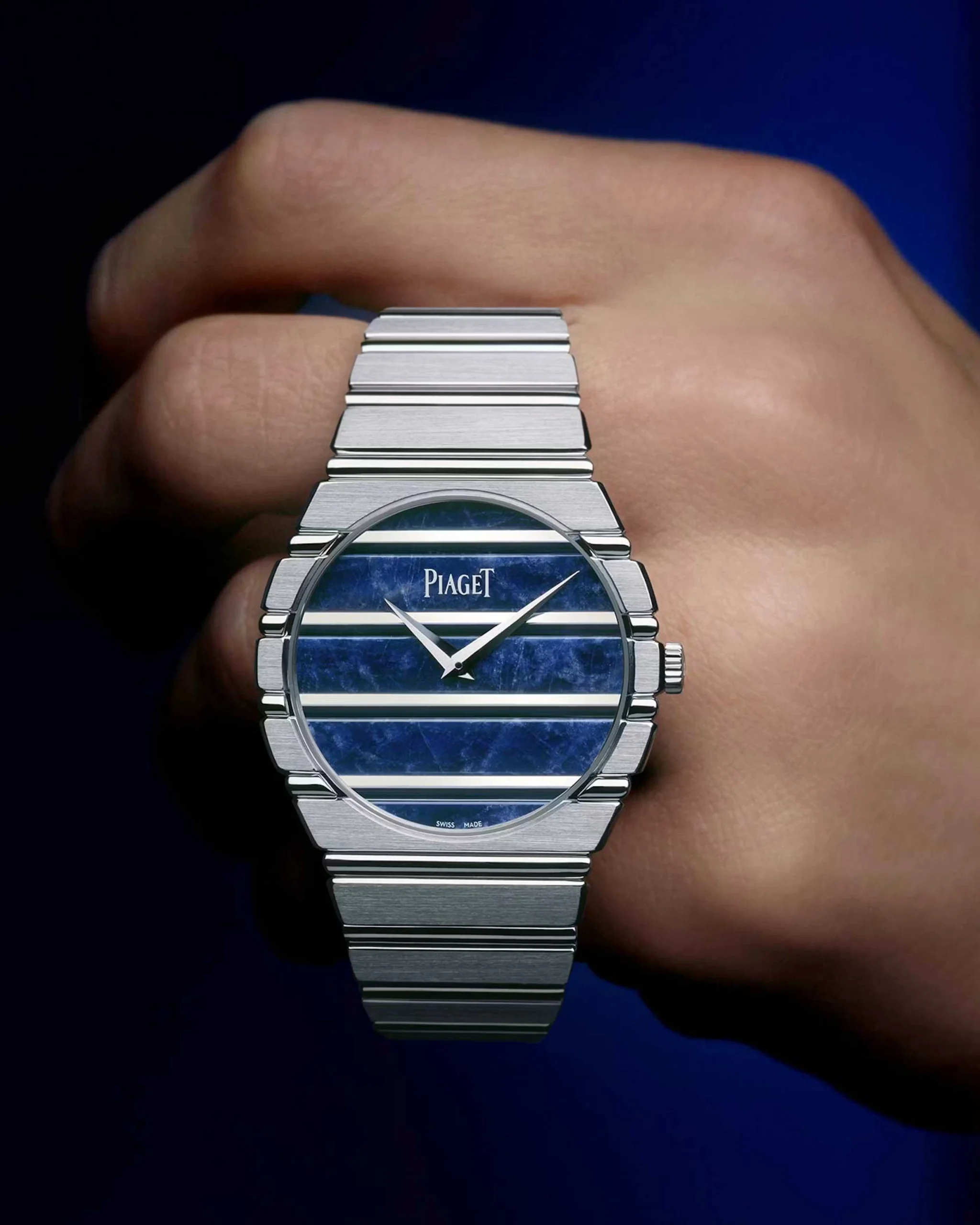
Piaget introduces the Polo 79 in 18K white gold, featuring its first contemporary midnight-blue sodalite dial.
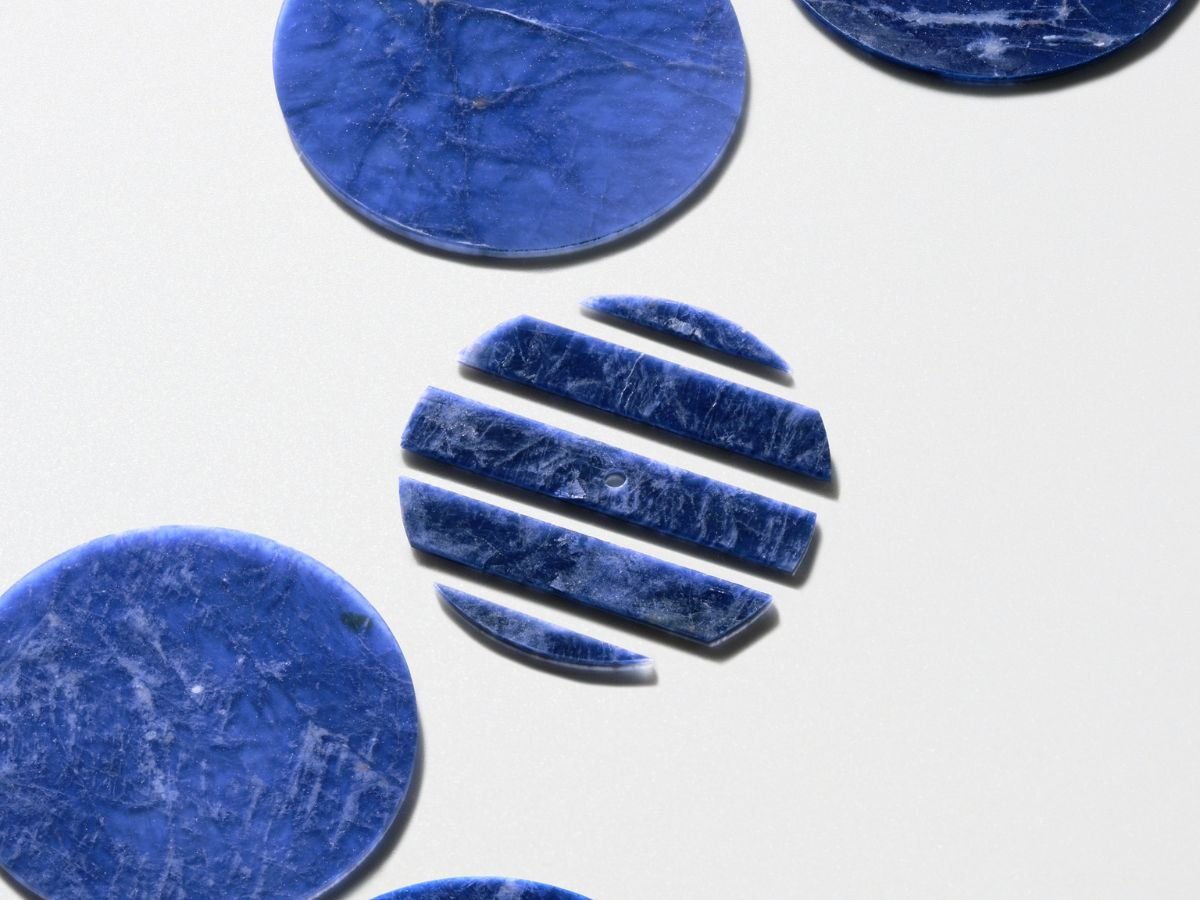
The natural sodalite stone ensures that every dial is completely unique, thanks to its distinctive white veining.
An ultra-thin self-winding Calibre 1200P1 powers the watch with a 44-hour power reserve.
Piaget’s signature gadroons flow seamlessly across the bracelet, case, and dial, preserving the Polo 79’s iconic design.
When Piaget introduced the Polo in 1979, it wasn’t following the direction of the watch industry—it was creating its own. At a time when stainless-steel sport-luxury watches were becoming the defining trend, the Maison unveiled a watch crafted entirely in gold, marking the first time a Piaget timepiece bore an official model name. Inspired by Yves G. Piaget’s love of polo and refined living, the Polo quickly became an emblem of 1980s glamour, worn by icons such as Andy Warhol and Ursula Andress, and established itself as one of the most distinctive luxury watches of its era.
Yves G. Piaget perfectly captured the philosophy behind the collection when he said, “The entire philosophy behind the Piaget Polo can be summed up in a single sentence: it is a bracelet featuring a watch, not a watch featuring a bracelet…” That idea continues to define the Polo today. Its signature gadroons flow seamlessly across the bracelet, case and dial, blurring the line between jewellery and watchmaking in a way few timepieces have managed before or since.
Now, at Watches and Wonders 2026, Piaget returns to one of its greatest icons with a fresh interpretation of the Polo 79. Crafted in 18K white gold and paired with a striking midnight blue sodalite dial—the first ornamental stone ever used on the modern Polo 79—the latest release celebrates the Maison’s heritage while giving one of its most recognizable designs an entirely new character.
Piaget Polo 79 in Blue Sodalite Ornamental Stone Dial | Image: Piaget
The Piaget Polo 79 Finds Its Heart in Stone
The latest Piaget Polo 79 continues the story of one of the Maison’s most celebrated creations, but this time it embraces another signature that has long been part of Piaget’s identity—ornamental stone. Following the return of the yellow gold Polo 79, the white gold edition and, more recently, the two-tone interpretation, Piaget has introduced the first contemporary Polo 79 to feature a natural stone dial. It’s a fitting evolution for a brand that has spent decades transforming colourful minerals into works of wearable art.
For collectors, the use of ornamental stone is nothing new. Vintage Piaget Polo models were available with striking dials crafted from materials such as onyx and lapis lazuli, and that rich heritage still continues, now adding the midnight blue sodalite to the lineup. The deep blue tones are threaded with natural white veining, giving each piece of sodalite its own distinctive pattern, meaning no two Polo 79 dials are identical. It’s a subtle detail, but one that gives each watch its own personality.
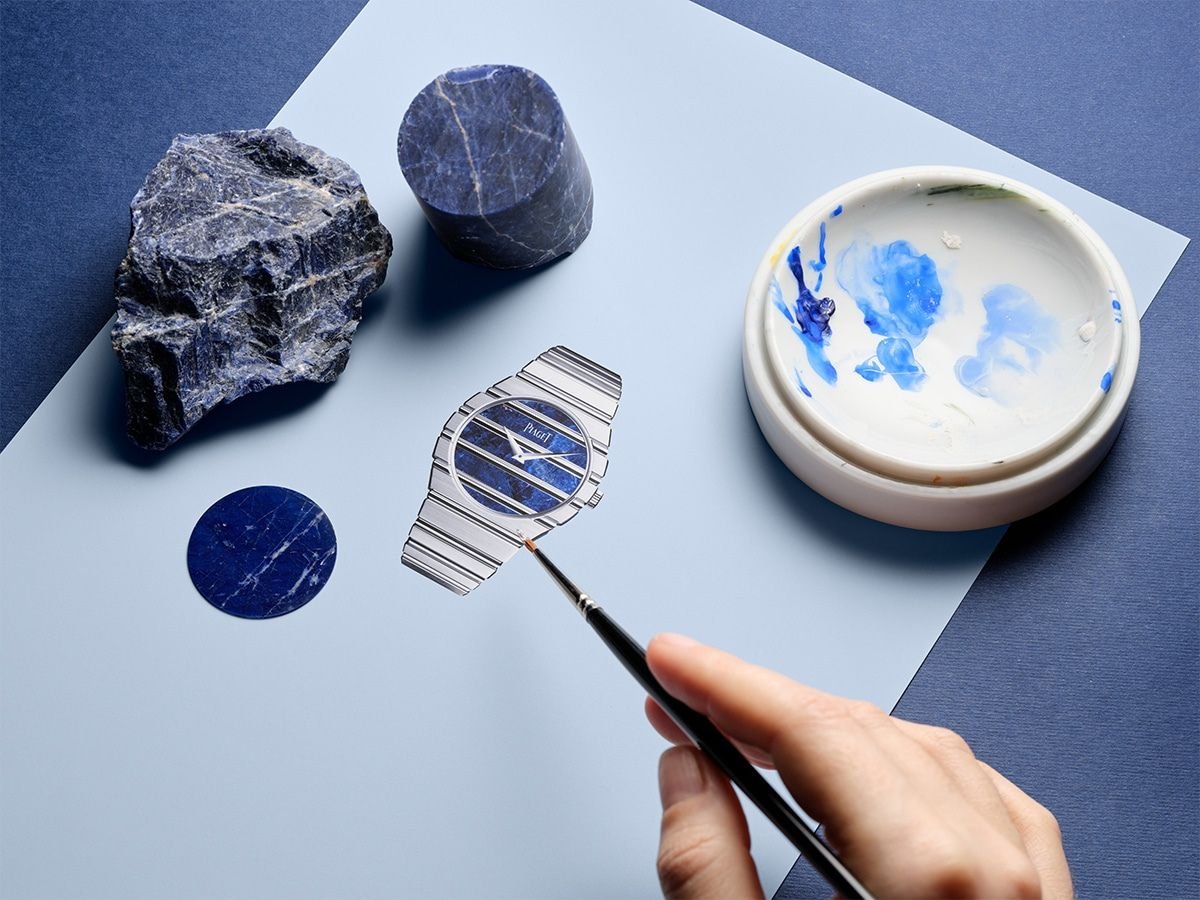
Piaget Polo 79 in Blue Sodalite Ornamental Stone Dial | Image: Piaget
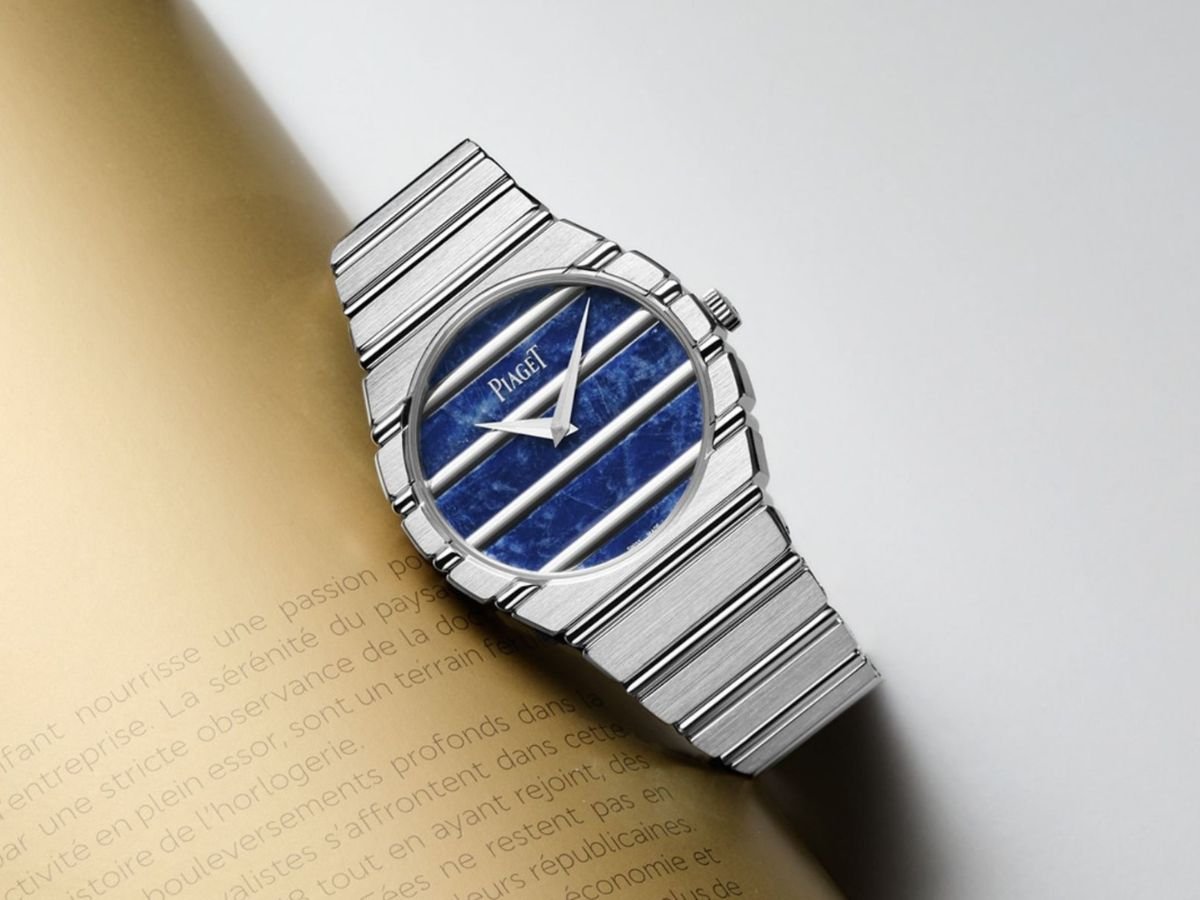
Instead of putting the stone inside a regular dial, Piaget has carefully set the precisely cut sodalite between the Maison’s signature 18K white gold gadroons. The flowing ridges continue uninterrupted across the bracelet, case, and dial, while the contrasting mineral surface adds extra texture and depth without changing the Polo’s shape.
More than just a new colour, the sodalite dial celebrates two qualities that have defined Piaget for generations: a mastery of ornamental stones and an unwavering eye for design. By bringing those traditions together in the modern Polo 79, the Maison has created a watch that honours its past while giving one of its greatest classics a fresh expression for a new generation of collectors.
Piaget Polo 79 in Blue Sodalite Ornamental Stone Dial | Image: Piaget
Effortless Elegance in White Gold
The Piaget Polo 79 is known for its classic design, and, with that said, the newest version keeps that same heritage alive. With its 38 mm diameter and a slim 7.45 mm profile, it retains the elegant look that has defined the modern Polo 79. The 18K white gold bracelet blends smoothly into the case, and the mix of satin-brushed and polished details creates a gentle play of light, giving the watch its unique, architectural style.
Powering the Polo 79 is Piaget’s ultra-thin Manufacture Calibre 1200P1, a self-winding movement measuring only 2.35 mm in thickness. Descended from the legendary 12P calibre introduced in 1960, the movement features an off-centred 22-carat gold micro-rotor, beats at 21,600 vibrations per hour (3 Hz) and delivers a 44-hour power reserve. Visible through the sapphire crystal caseback, it’s finished with circular Côtes de Genève, bevelled bridges, blued screws and perlage, reflecting Piaget’s long-standing expertise in ultra-thin watchmaking.
Practicality hasn’t been overlooked either. The Polo 79 offers 5 bar (50 metres) of water resistance and is secured by an integrated 18K white gold bracelet with a triple-folding clasp. Combined with the slim case and the rich blue sodalite dial, the result is a watch that feels every bit as refined as its predecessor while introducing an entirely new personality through its choice of materials. It’s another reminder that the Polo 79 has never relied on complicated displays or bold styling to stand out—its strength has always been found in proportion, craftsmanship and timeless design.
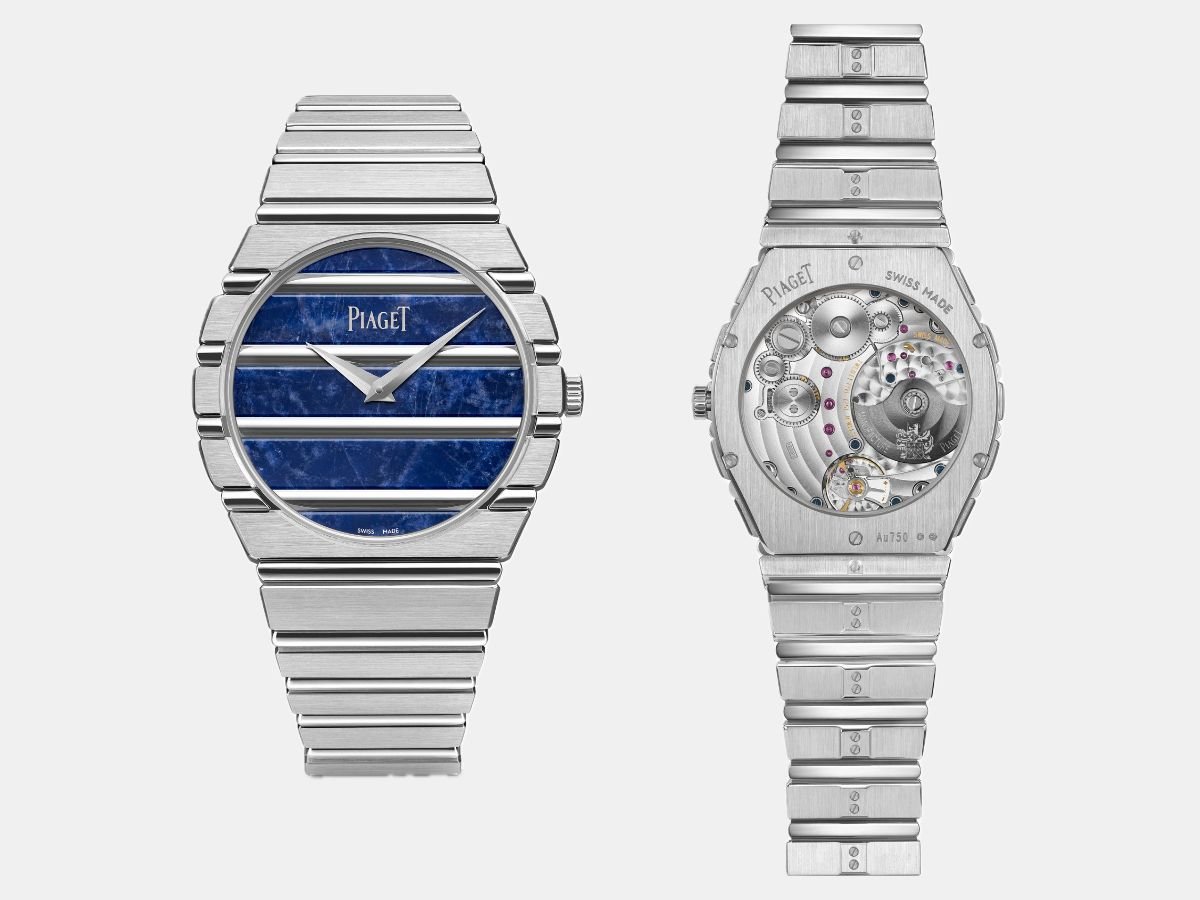
Piaget Polo 79 in Blue Sodalite Ornamental Stone Dial | Image: Piaget
A Modern Heritage That Stays True to Its Roots
Brand: Piaget
Model: Polo 79
Reference: G0A51151
Diameter: 38 mm
Thickness: 13 mm
Material: White Gold
Dial: blue sodalite ornamental stone
Calibre: Ultra-thin self-winding movement 1200P1 with a micro-rotor
Power Reserve: 44 Hours
Water-Resistance: 5 Bar (50 metres, 165 feet)
Price: USD $101,000
Some watches evolve by adding complications or by completely changing their design. The Piaget Polo 79 takes a different approach. By introducing a midnight-blue sodalite dial, Piaget has given one of its most celebrated creations a fresh identity while preserving everything that made the original a design icon. The natural stone, flowing white-gold gadroons, and ultra-thin movement come together to create something unmistakably Piaget—elegant, refined, and unlike anything else we’ve seen on the market so far.
With a retail price of USD $101,000, the Piaget Polo 79 Sodalite is aimed squarely at collectors who appreciate exceptional craftsmanship and timeless design. This is easily one of my favourites from Watches and Wonders 2026, simply because Piaget stayed true to the original Polo 79 while introducing something completely fresh with the midnight-blue sodalite dial. It’s elegant and classic, and everything that says about its heritage. All of that comes from a single material, which can completely transform an icon’s personality. If this is the direction Piaget continues to take with the Polo 79, we’re all for it.
Elias Albay is the Founder and Director of Many Men Magazine, a Toronto-based digital publication dedicated to promoting modern masculinity through style, culture, and self-improvement. What started as a personal turning point became a purposeful platform. — born from Elias’ desire to create something meaningful after completing his studies and finding no career path that truly matched his ambitions. With a background in Civil Engineering from York University and experience in Commercial Flight Operations at CAE, he applied skills, and resilience from both fields to forge a new path.
Our team of editors and experts thoughtfully chooses each product. If you decide to buy through one of our links, we may earn a commission. Learn more. Want to know how we test products? Click here for more details.
Vodka has always been the understated star of the bar cart. It doesn’t need bold colours or flashy labels to prove its worth — it shines through its versatility. Smooth, crisp, and endlessly adaptable, vodka has earned a reputation as the spirit that can do it all. From powering late-night martinis to enhancing simple cocktails with its clean finish, it’s the bottle you’ll find in every corner of the world, whether you’re at a luxury lounge in Paris or mixing drinks in your own kitchen.
Not all vodkas are created equal, and that’s where things get interesting. Today’s distillers are pushing boundaries by experimenting with ingredients like rye, rice, or even grapes, while fine-tuning distillation techniques to craft bottles that offer both character and sophistication. Whether you want a smooth sipper, a reliable cocktail base, or a showpiece bottle for your shelf, this guide features the 18 best vodkas to drink right now, ensuring you know exactly which ones deserve a spot in your collection.
Grey Goose Original is one of those bottles that almost everyone recognizes — it has become a global symbol of premium vodka. Made in France using soft winter wheat from Picardie and pure spring water from Gensac in the Cognac region, it is distilled through a five-column process that results in a vodka as smooth as silk, with a clean, crisp profile and subtle hints of almond and citrus balanced by just the right amount of sweetness from the wheat. Elegant enough to sip neat, yet versatile enough to elevate a martini or vodka tonic, Grey Goose isn’t just vodka — it’s vodka with a passport, carrying a sense of French refinement in every pour.
All the way from Japan, this refined spirit is crafted by Suntory—the same legendary house behind Hibiki and Yamazaki whiskies—using 100% white rice and filtered through bamboo charcoal for a uniquely soft, rounded sweetness. Distilled in Kagoshima and polished in Osaka, it offers a silky texture with delicate floral notes and a gentle finish that set it apart from typical wheat- or rye-based vodkas. Smooth enough to sip neat but versatile enough for cocktails like a vodka soda or highball, Haku brings Japanese artistry and precision to every pour.
Straight out of Latvia but rooted in Russian tradition, Stoli is a vodka with history and character that few can match. Made from a blend of wheat and rye and combined with pure artesian well water, it delivers a crisp, balanced flavour with a subtle spice on the finish that sets it apart while remaining incredibly smooth. Dependable and versatile, it’s a bar staple that works just as well in a Moscow Mule as in a simple vodka soda, proving that you don’t need a luxury price tag to enjoy quality in your glass.
Hailing from Iceland, Reyka is crafted in small batches using arctic spring water and distilled in a rare Carter-Head still, which gives it a purity and character that feel as crisp as the landscape it originates from. Filtered through volcanic rock, it has a clean, slightly mineral taste with hints of vanilla and citrus, making it both refreshing and memorable. Smooth enough to sip neat but versatile for cocktails, Reyka proves that sometimes the best vodka comes from the most unexpected places.
Straight out of California, New Amsterdam has built a reputation as one of the smoothest budget-friendly vodkas available. Distilled five times and filtered three, it’s clean, crisp, and easy-drinking with a subtle sweetness on the finish, making it a dependable choice for mixing. Whether you’re creating cocktails at home or stocking up for a party, this bottle shows that you don’t need to spend a lot to get a vodka that offers both quality and versatility.
From Poland’s centuries-old vodka-making tradition comes Belvedere, a spirit that proves elegance doesn’t have to be delicate. Made from 100% Polska rye and blended with pure artesian water, it offers a bold, full-bodied flavour with creamy vanilla, a hint of spice, and a silky finish that feels powerful without being harsh. Although bottled at 80 proof, its depth and richness give it a presence that drinks as confidently as higher-proof spirits, whether you enjoy it neat or as the foundation of a refined martini.
From its origins in 19th-century Russia to shelves in nearly every corner of the world, Smirnoff Red Label has become a symbol of accessibility in vodka. Distilled three times and charcoal-filtered for a smooth, approachable taste, it’s reliable, straightforward, and made to blend effortlessly into any cocktail. Whether mixing a simple vodka cranberry or stocking up for a party, Smirnoff delivers exactly what it promises—no fuss, no frills, just a classic pour that always does the trick.
Kastra Elion is what happens when Greece decides to add olives to the vodka scene—and honestly, it works. Made from a blend of hand-picked olives and grains, it’s smooth, slightly savory, and has just enough peppery kick to make you feel like you’re sipping the Mediterranean itself. It’s not your typical neutral vodka, and that’s exactly the point. Neat, on the rocks, or in a martini, this bottle is perfect when you want your drink to spark conversation—and maybe make your friends a little jealous.
When a family has been making spirits since the 1600s, you know they’ve mastered the recipe. The Nolets of the Netherlands bring that heritage to life with Ketel One, a vodka named after their original copper pot still, “Distilleerketel #1.” Crisp, smooth, and touched with a hint of citrus, it’s the kind of vodka that slips into cocktails as if it was made for them. From martinis to simple vodka sodas, it doesn’t just complement others—it takes the spotlight while staying classy.
Luxury doesn’t always need a loud entrance—sometimes it shows up in a sleek bottle and lets the taste speak for itself. That’s Beluga Vodka in a nutshell. Crafted in Siberia with malt spirit and pure artesian water, it is then left to rest for 30 days before bottling, resulting in a smooth, silky, and slightly indulgent spirit. With soft hints of honey, vanilla, and grain, Beluga feels less like a casual pour and more like a tuxedo in a glass—perfect for those nights when you want your drink to make a statement without words.
Hangar 1 started out in, you guessed it, an old airplane hangar in California, and that bit of quirky history sums up the brand perfectly—it doesn’t play by the usual rules. By blending grapes with Midwestern grain, the distillers came up with a vodka that’s smooth, a little fruity, and far more interesting than the average pour. It’s got a crisp, clean finish that feels just as good in a cocktail as it does straight from the glass, making it one of those bottles that feels equal parts classic and inventive.
From a small Swedish town to bar shelves worldwide, this vodka has gained a reputation as both a cultural icon and a dependable pour. Made with winter wheat and pure well water, it’s clean, smooth, and has just a hint of sweetness that makes it endlessly versatile in cocktails. The frosted bottle is instantly recognizable, but it’s the crisp, easy-drinking spirit inside that keeps it relevant—proof that some classics never lose their shine.
Sometimes the bottle attracts as much attention as what’s inside, and Crystal Head proves that point. Founded by Dan Aykroyd (yes, the Ghostbusters star), this Canadian vodka comes in a skull-shaped bottle that looks just as impressive on display as it does on the rocks. Distilled from Canadian corn and filtered through layers of Herkimer diamonds, it’s crisp, smooth, and carries a subtle hint of vanilla and citrus. It’s the kind of vodka that serves as both a conversation starter and a genuinely good drink.
Most vodkas are made from grains or potatoes, but Cîroc changes the game—it’s produced from French grapes, offering a fresh, slightly fruity note that makes it stand out. Distilled five times for a super-smooth finish, it’s clean, lively, and suited for both sipping and mixing. Plus, it’s become a staple in the nightlife scene (partly thanks to its partnership with Sean “Diddy” Combs), making it a vodka that’s as stylish as it is drinkable.
You probably know White Claw for its hard seltzers, but the brand has stepped into the vodka game—and it’s not holding back. Made with a unique filtration process that uses activated carbon from charred coconut shells, this vodka is clean, crisp, and surprisingly smooth. It’s designed to be approachable, easy to sip, and perfect for mixing, much like the seltzers that made the brand popular. Think of it as the younger, cooler cousin in the vodka aisle—familiar, fun, and ready to party.
Poland takes its vodka seriously, and Chopin Potato Vodka proves just how good it can get. Made with locally grown potatoes and distilled in small batches, it offers a rich, creamy mouthfeel with earthy undertones that distinguish it from the crisp grain-based vodkas. Smooth enough to sip neat but bold enough to stand out in cocktails, this is the kind of bottle that shows vodka doesn’t have to be neutral — it can have depth, character, and a story worth pouring.
What began as a small-batch experiment in Austin, Texas, has grown into one of the most popular vodkas in Canada and the US. Tito’s Handmade Vodka is made from 100% Canadian corn, giving it a naturally smooth, slightly sweet profile that feels friendly and approachable. It’s distilled in traditional pot stills, which adds a touch of craft authenticity to every bottle. Affordable, versatile, and wholly dependable, Tito’s is the kind of vodka you’ll see everywhere—from backyard barbecues to upscale cocktail lounges—because it simply gets along with everyone.
Talk about drinking with a clear conscience—Air Co. Vodka is literally made from air. Using captured carbon dioxide and water, this New York–based distillery has discovered how to turn thin air into a crystal-clear spirit. The result? A vodka that’s pure, smooth, and innovative in every sense of the word. It’s eco-friendly, cutting-edge, and conversation-starting, making it the kind of bottle you bring out to impress friends who appreciate a good story as much as a good drink.
Call them the underdogs, the crowd-pleasers, or the late-night lifesavers—these vodkas didn’t make the official cut, but they still bring plenty to the table. They’re the bottles you reach for when you want something fun, affordable, or just a little different, and they’ve earned their spot on the shelf. From budget-friendly staples to quirky standouts, here are a few that deserve their moment in the spotlight:
Stillhouse Classic Vodka (from USD $27): Forget glass bottles—Stillhouse arrives in a stainless-steel can that looks more like motor oil than vodka, and that’s part of the fun. Made from 100% corn, it’s smooth, slightly sweet, and strong enough to hold its own in cocktails. Plus, it’s durable and portable, making it perfect for camping trips, tailgates, or anywhere a fragile bottle just won’t do.
Svedka – Swedish Vodka (from USD $13): Why spend a lot when Svedka shows you can get a decent pour? Made with Swedish winter wheat, it’s crisp, clean, and perfect for mixed drinks when you’ve got a crowd to please. It’s the “no-frills, always-ready” option that has been fueling college parties, bar carts, and late nights for years—cheap, cheerful, and always up for the ride.
SKYY Vodka (from USD $12):Born in San Francisco in the ’90s, SKYY built its name on smoothness and style, and it still holds up today. Made with American grain and filtered through California limestone, it’s light and easygoing with a hint of minerality. Affordable, versatile, and with a touch of West Coast cool, SKYY is the bottle you reach for when you want cocktails without fuss.
Pinnacle Vodka (from USD $18): Pinnacle is probably best known for its range of flavoured vodkas—everything from whipped cream to cotton candy— but don’t overlook the classic. Smooth, accessible, and very easy to mix, it’s the kind of bottle that doesn’t take itself too seriously. Perfect for trying out fun cocktails or keeping things straightforward, it’s a vodka all about good vibes.
Broken Shed Vodka (from USD $20): New Zealand may be better known for its wine, but Broken Shed proves the Kiwis know a thing or two about vodka, too. Made with whey and blended with pure spring water, it’s surprisingly clean and crisp with a soft, almost creamy texture. It’s a little quirky, a little unexpected, and the kind of vodka that turns into a pleasant surprise for anyone adventurous enough to give it a try.
What Is Vodka Made From?
Making vodka might look simple on paper, but the process has a lot more behind the scenes. It begins with a base ingredient—grains, potatoes, grapes, or whatever the distiller opts for—mixed with water and yeast. The yeast starts working, consuming the sugars and starches, and converting them into alcohol through fermentation. What remains is essentially an alcoholic mash, and that’s when the real refining starts.
Distillation is what gives vodka its reputation for being clean and crisp. The liquid is heated, alcohol is separated, and impurities are removed, sometimes multiple times until the distiller is happy with the result. Some go further by using charcoal or mineral filtration, which gives the spirit a silky finish. By the time it reaches your glass, that humble mash of grains or potatoes has been transformed into a spirit defined by purity, smoothness, and versatility.
How Is It Made?
Making vodka might seem simple on paper, but there’s a lot happening behind the scenes. It begins with a base ingredient—grains, potatoes, grapes, or even whey—mixed with water and yeast, which ferments into alcohol. That mash then undergoes distillation, where heat separates the alcohol and removes impurities, often several times until it’s crisp and clean. Some distillers add an extra touch by filtering through charcoal or minerals, giving the vodka a silky finish. By the time it reaches your glass, those humble ingredients have been transformed into the smooth, versatile spirit we all enjoy.
Types Of Vodkas:
Vodka may look crystal clear in the glass, but what it’s made from completely changes the experience. Each type has its own vibe, from smooth and clean to bold and creamy—here’s a breakdown worth knowing.
Grain Vodka – The most common style, made from wheat, rye, or corn, is loved for its crisp and straightforward profile. Wheat vodkas often taste soft and slightly sweet, rye adds a bit of spice, and corn provides a touch of smooth sweetness. Grain vodkas are highly versatile, which is why they dominate cocktail menus worldwide.
Potato Vodka – Creamier, richer, and usually a little heavier on the palate, potato vodkas are perfect for sipping neat or enjoying over ice. They often carry an earthy depth that makes them feel more indulgent compared to grain-based vodkas, appealing to those who want something with body and character.
Grape/Fruit Vodka – Light, smooth, and sometimes featuring subtle fruity or floral notes, fruit-based vodkas provide a refreshing twist. Grapes, like those used in Cîroc, give vodka a slightly aromatic lift, while other fruits can add delicate layers that make these bottles stand out in cocktails.
Flavoured Vodka – The adventurous side of the vodka world, flavoured vodkas go beyond the basics with everything from citrus and vanilla to more daring choices like whipped cream or birthday cake. They’re designed for fun, creative cocktails and add a playful edge for anyone who wants to mix things up.
What Makes Vodka So Popular Worldwide?
Vodka’s worldwide popularity boils down to one simple fact—it can be whatever you want it to be. Smooth and clean on its own, it acts as the perfect team player in cocktails, blending effortlessly without taking centre stage. Plus, its impressive variety—grain, potato, grape, and even unusual bases like whey or olives—means there’s a spirit to suit every mood, budget, and occasion. From upscale martinis in luxury lounges to budget-friendly mixers at house parties, vodka manages to show up everywhere and fit right in. It’s versatile, approachable, and timeless—which is why, no matter where you are in the world, there’s always a bottle of vodka close by.
Elias Albay is the Founder and Director of Many Men Magazine, a Toronto-based digital publication dedicated to promoting modern masculinity through style, culture, and self-improvement. What started as a personal turning point became a purposeful platform. — born from Elias’ desire to create something meaningful after completing his studies and finding no career path that truly matched his ambitions. With a background in Civil Engineering from York University and experience in Commercial Flight Operations at CAE, he applied skills, and resilience from both fields to forge a new path.