Lewis Hamilton wants to design a Ferrari road car called the F44, inspired by the legendary F40.
Hamilton wants the F44 to feature a proper manual stick shift, bringing back a more old-school driving experience.
The F44 name combines the F40 inspiration with Hamilton’s famous racing number 44.
Ferrari has not officially confirmed the F44 for production, so for now it remains Hamilton’s dream project
After more than a decade with Mercedes, seeing Lewis Hamilton in Ferrari red head to toe took some getting used to. The seven-time world champion joined Ferrari for the 2025 season, closing the door on an incredibly successful 12-year run with Mercedes and finally getting the chance to drive for the team he’d dreamed about since he was a kid
But Hamilton has never been interested in keeping his world confined to the racetrack. Away from Formula 1, he has become almost as recognizable for fashion and design, including becoming a Lululemon ambassador in 2025, a partnership that sees him working with the brand across training, recovery, lifestyle and future product development. Now, it seems Hamilton wants to bring some of that creative thinking directly to Ferrari.
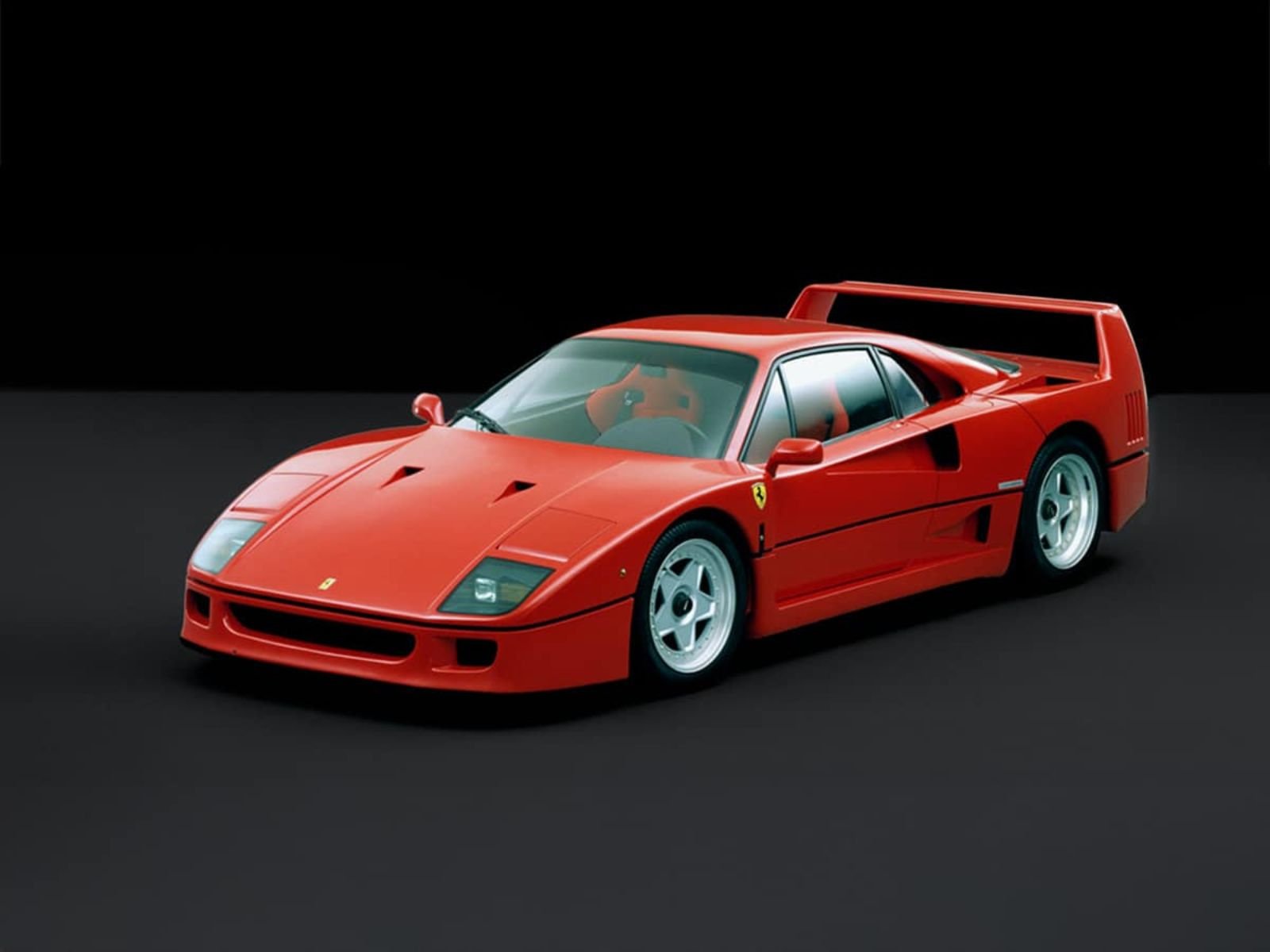
Ferrari F40 | Image: Ferrari / Supplied
Now, he has another idea in mind — and this one could be considerably more exciting for anyone who misses the days of raw, old-school supercars. Hamilton wants to create his own Ferrari road car, and instead of dreaming up another outrageously powerful, technology-packed hypercar, he’s looking back for inspiration. His vision is based around the legendary Ferrari F40, complete with something you don’t see coming out of Maranello anymore: a proper manual gearbox.
He’s even got the name figured out — F44. Hamilton revealed the idea during the 2025 Australian Grand Prix weekend, where he was asked about what he’d like to accomplish with Ferrari beyond Formula 1. His answer made it pretty clear that simply racing for the Scuderia isn’t the only thing on his mind.
Speaking to Motorsport.com, Hamilton said, “I want to do an F44.” He went on to describe an F40 as the baseline, specifically mentioning a proper stick shift, and said he wanted to work on it over the following few years.
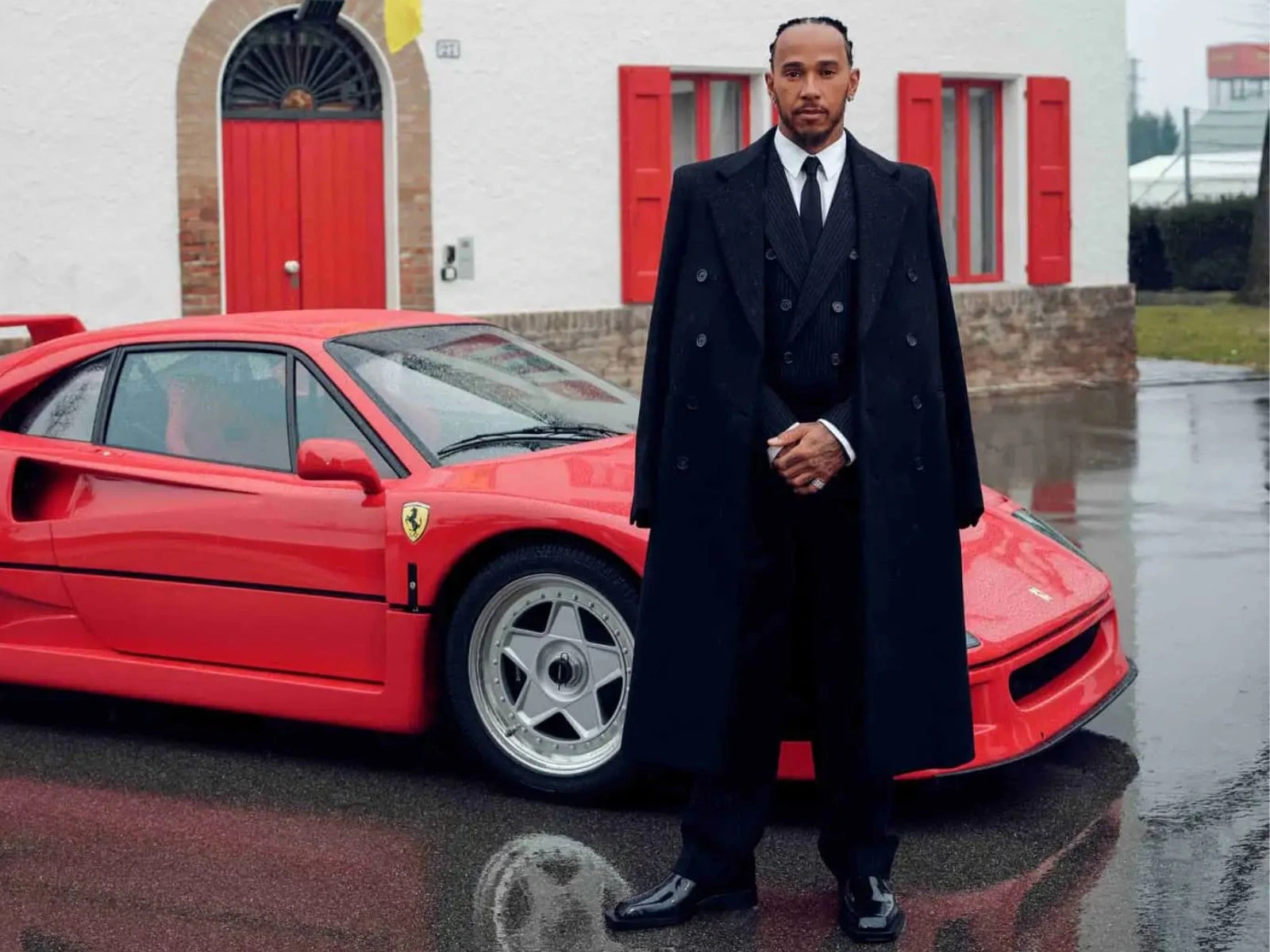
The name makes plenty of sense too. 44 has followed Hamilton throughout his Formula 1 career, while the F40 inspired the car itself. And Hamilton’s affection for Ferrari’s legendary supercar isn’t exactly a secret. One of the defining images from his first official day at Maranello showed him standing alongside a red F40 outside Enzo Ferrari’s former home. Knowing what he wants to create now makes that photograph feel even more fitting.
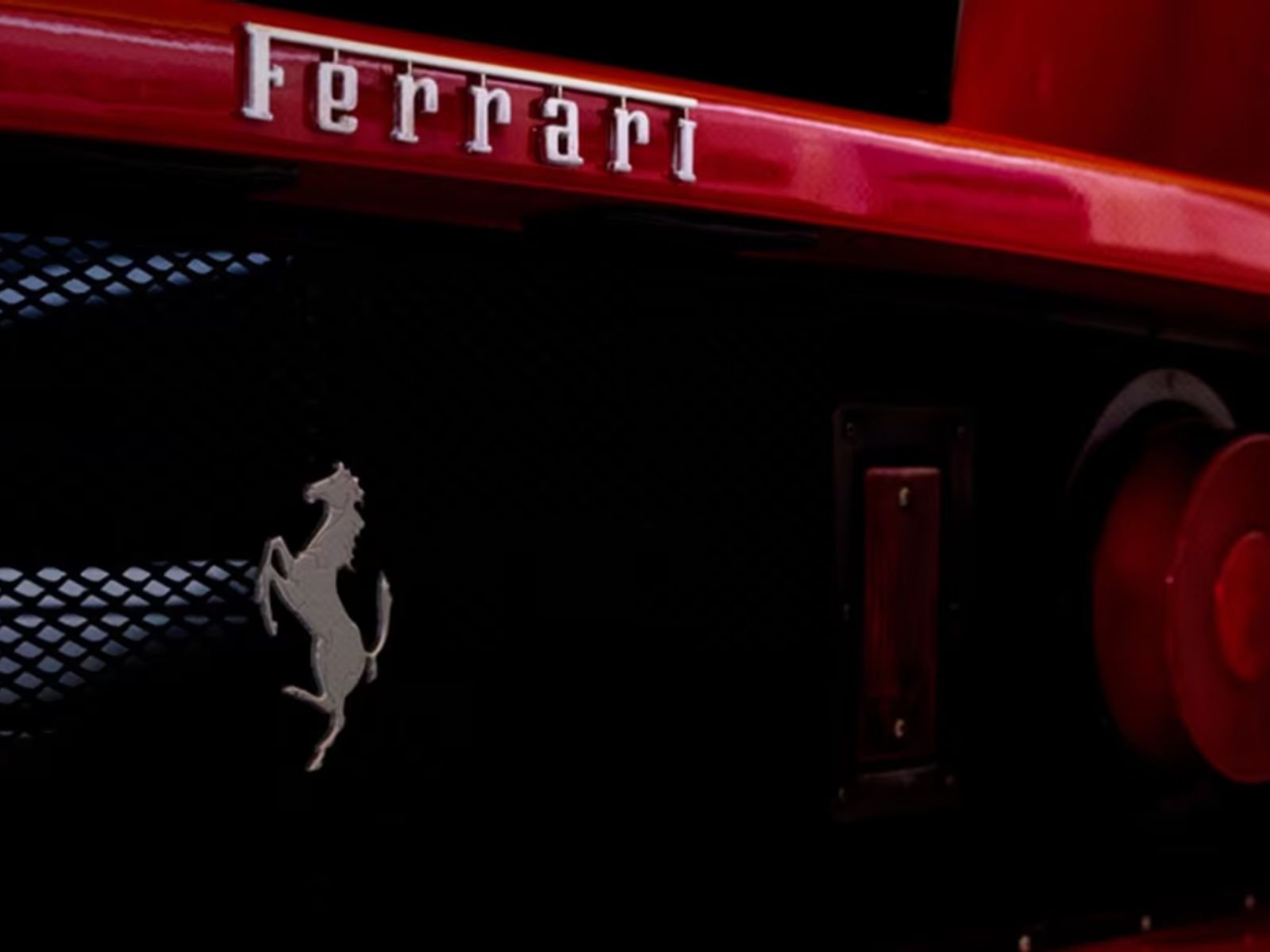
Ferrari F40 Gearbox | Image: Ferrari / Supplied
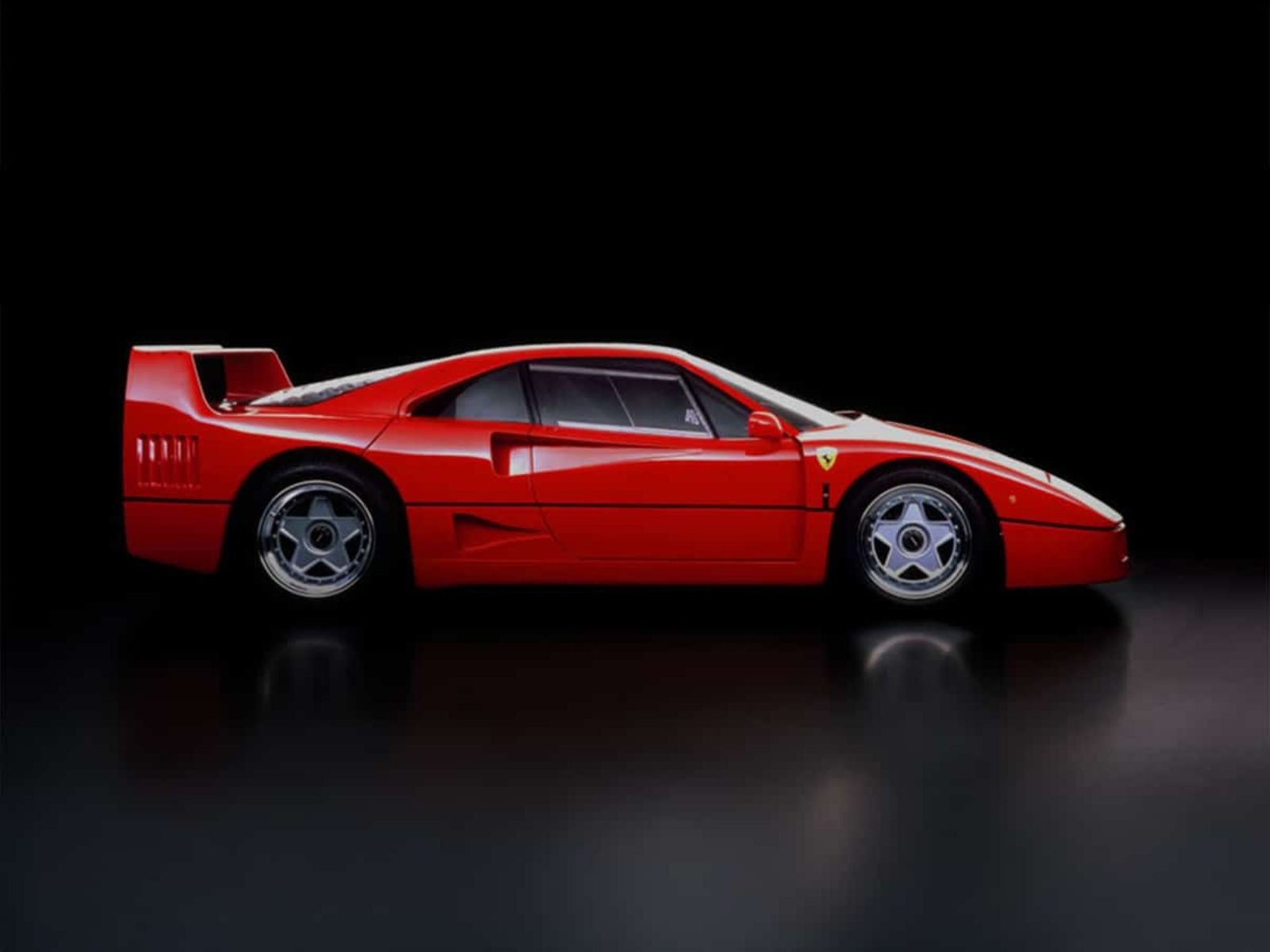
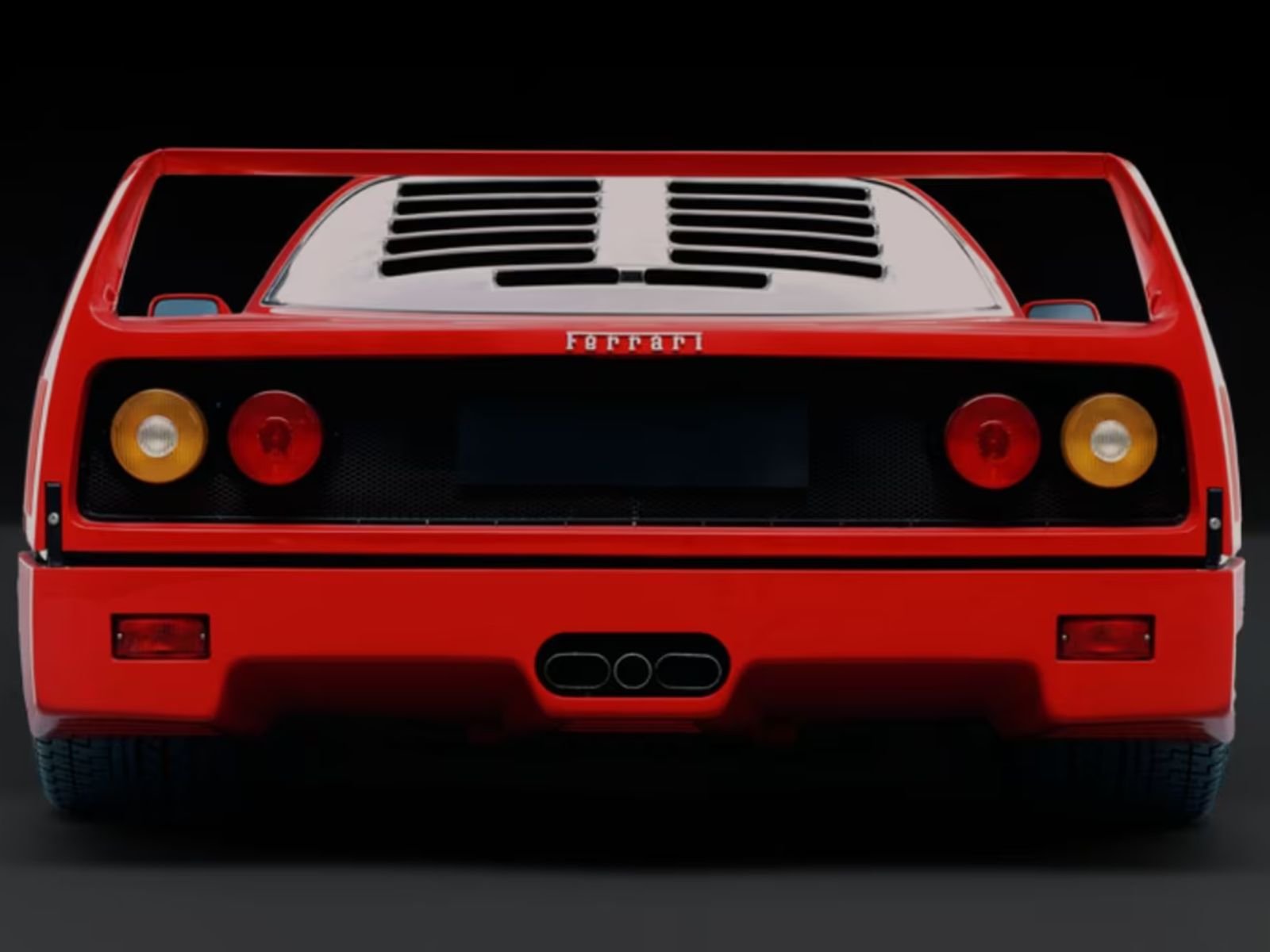
If you’re going to pick a Ferrari as the starting point for something raw and mechanical, the F40 is difficult to beat. Introduced in 1987 to celebrate Ferrari’s 40th anniversary, it paired a 2.9-litre twin-turbocharged V8 with a five-speed manual gearbox and wrapped everything in a remarkably lightweight package. It was fast, loud and famously uncompromising — the kind of supercar that demanded something from the person sitting behind the wheel rather than trying to make everything easy.
That philosophy couldn’t be much further removed from the direction modern hypercars have taken. Ferrari’s latest flagship, the F80, uses a 3.0-litre twin-turbo V6 alongside a sophisticated hybrid system and electric motors. It’s an extraordinary piece of engineering, but Hamilton’s F44 idea seems to be chasing something different. Not necessarily more speed or a bigger horsepower figure, but more involvement.
And the manual gearbox is arguably the most exciting part of the entire proposal. Ferrari hasn’t offered a manual transmission on one of its regular production cars for well over a decade. Paddle-operated gearboxes have taken over as Ferrari has chased quicker shifts and outright performance, which makes the thought of a modern Prancing Horse with three pedals and a gear lever between the seats feel almost rebellious. Interestingly, Ferrari has reportedly considered whether a manual could return for special models, even if bringing one back to its regular production range remains unlikely.
Ferrari F40 | Image: Ferrari / Supplied
Ferrari F40 | Image: Ferrari / Supplied
Hamilton’s idea also fits surprisingly well with his interest in design away from racing. His lululemon partnership, for example, has him contributing feedback to future athletic and lifestyle products rather than simply appearing in advertising campaigns. The F44 would obviously be on an entirely different scale, but there’s a similar theme here: Hamilton clearly likes getting involved in what things look like, feel like and how people interact with them. The big question, of course, is whether Ferrari will actually let him build the thing.
For now, Ferrari has not announced the F44 as an official production model. Hamilton was talking about something he personally wants to create, rather than unveiling a secret Ferrari project already heading towards showrooms. That’s an important distinction, especially when the idea sounds good enough that it’s easy to imagine one sitting alongside Ferrari’s other limited-production machines.
Still, it is hard not to love the thought. Modern supercars are already ridiculously fast. We’re at a point where another 100 horsepower or another fraction shaved from a 0–100km/h time doesn’t necessarily make a car more memorable. Something lightweight, dramatic and deliberately mechanical could stand out far more than another machine built purely to chase numbers.
Ferrari F40 | Image: Ferrari / Supplied
So maybe Hamilton doesn’t need to reinvent the F40. Give the F44 some of its attitude, keep the weight down, put something appropriately dramatic behind the driver and, most importantly, leave a manual gear lever between the seats.
Whether Maranello ever gives him the green light remains to be seen. But a modern Ferrari inspired by the F40, carrying Hamilton’s famous 44 and forcing its driver to change gears the old-fashioned way? Yeah, we’d quite like to see that happen.
Elias Albay is the Founder and Director of Many Men Magazine, a Toronto-based digital publication dedicated to promoting modern masculinity through style, culture, and self-improvement. What started as a personal turning point became a purposeful platform. — born from Elias’ desire to create something meaningful after completing his studies and finding no career path that truly matched his ambitions. With a background in Civil Engineering from York University and experience in Commercial Flight Operations at CAE, he applied skills, and resilience from both fields to forge a new path.
Our team of editors and experts thoughtfully chooses each product. If you decide to buy through one of our links, we may earn a commission. Learn more. Want to know how we test products? Click here for more details.
The rise of online shopping has completely changed how we approach luxury fashion. With hundreds of retailers just a click away, leaving the comfort of home is no longer necessary to explore the latest collections. High-end brands like Fendi, Gucci, Tom Ford, and Prada sit alongside streetwear stalwarts such as Off-White, AMIRI, and Junya Watanabe, all accessible from your laptop or phone. Whether you’re after timeless elegance or the latest hype collab, the digital world has opened the doors to a fashion playground that was once limited to boutique floors in Milan, Paris, or New York.
Of course, with endless options comes endless scrolling—and not every site lives up to the promise of a genuine luxury experience. To help you avoid trial and error, we’ve narrowed the list for you. Here are 20 top luxury shopping sites for designer goods, streetwear staples, one-off collaborations, and ready-to-wear looks that are worth your time (and your money). Each site has its own strengths, whether it’s editorial-style curation, global boutique access, or exclusive runway drops, and together they form the ultimate guide to shopping luxury online.
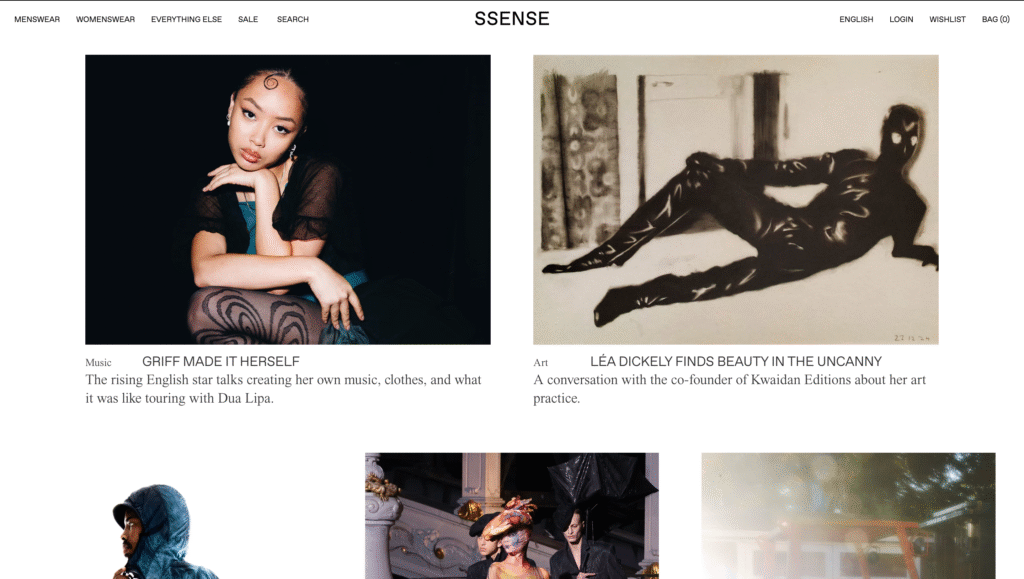
SSENSE | Image: SSENSE
1. SSENSE
What They Offer: Luxury fashion, streetwear, exclusive collaborations, editorial content
Year Founded: 2003
Founders: Rami, Firas, and Bassel Atallah
If there’s one site that perfectly combines high fashion with streetwear edge, it’s SSENSE. Based in Montreal, the retailer has gained a reputation for curating designer labels alongside cult-favourite streetwear brands, making it a top choice for fashion enthusiasts who enjoy blending classic luxury with a bit of grit. You’ll find everything from Gucci and Balenciaga to Off-White, AMIRI, and Jacquemus, along with exclusive drops you can’t find anywhere else.
What makes SSENSE stand out is its editorial vibe. Their site feels more like a digital fashion magazine than just an online store, filled with style guides, interviews, and seasonal edits that actually help you find pieces instead of just scrolling endlessly. Plus, it offers a clean shopping experience, worldwide shipping, and regular sales that cleverly discount big-name brands, making SSENSE a must-bookmark destination for designer shopping online.
What They Offer: Luxury designer fashion, streetwear, accessories, beauty, homeware
Year Founded: 1976
Founder: Neil Prosser
Flannels started as a single boutique in northern England and has grown into one of the UK’s top luxury retailers, both online and in-store. The website features a wide range of heritage brands like Versace and Balmain alongside streetwear favourites such as Off-White, Palm Angels, and Stone Island, offering customers a mix of timeless and modern styles. Beyond clothing, you’ll also find sneakers, accessories, beauty products, and even homeware, all presented with the sleek, editorial vibe that matches their physical stores. With exclusive collaborations, limited drops, and international shipping, Flannels has established itself as a one-stop shop for those seeking luxury fashion with a contemporary edge.
What They Offer: Global luxury marketplace, boutique fashion, designer labels, sneakers, accessories
Year Founded: 2007
Founder: José Neves
Farfetch is more than just an online store — it’s a global platform that connects shoppers to over 700 boutiques and designer labels worldwide, giving you access to both big-name brands like Gucci, Prada, and Off-White, as well as rare finds from independent designers. The site stands out for its wide variety, exclusive collaborations, and even a pre-owned section for authenticated luxury, making it a true one-stop shop for fashion lovers. With fast international shipping, a sleek digital experience, and a reputation for sourcing hard-to-find pieces, Farfetch has become one of the most trusted destinations for shopping designer fashion online.
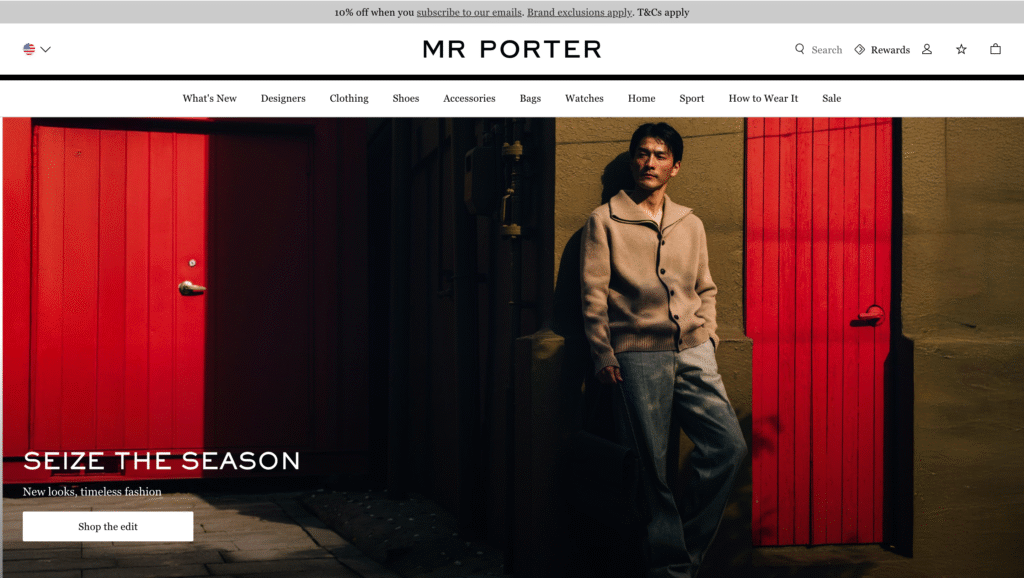
Launched as the menswear counterpart to Net-a-Porter, Mr Porter quickly established itself as one of the most trusted destinations for men’s luxury online shopping. It offers much more than clothing, featuring everything from Tom Ford suits and Gucci sneakers to grooming essentials, watches, and even lifestyle items like coffee table books. The experience feels less like shopping and more like flipping through a glossy fashion magazine, thanks to its curated selections, seasonal guides, and interviews that add context to the pieces available.
That editorial touch is what makes Mr Porter stand out. Instead of overwhelming shoppers with endless options, the site presents its collections in an inspiring, approachable manner that makes luxury feel attainable without losing its edge. With quick international shipping, flawless customer service, and a steadfast reputation for authenticity, Mr Porter isn’t just a place to shop—it’s a destination for men who want to embody and embrace style.
What They Offer: Designer menswear, luxury streetwear, sneakers, & collaborations
Year Founded: 2005
Founders: John Parker & Christiaan Ashworth
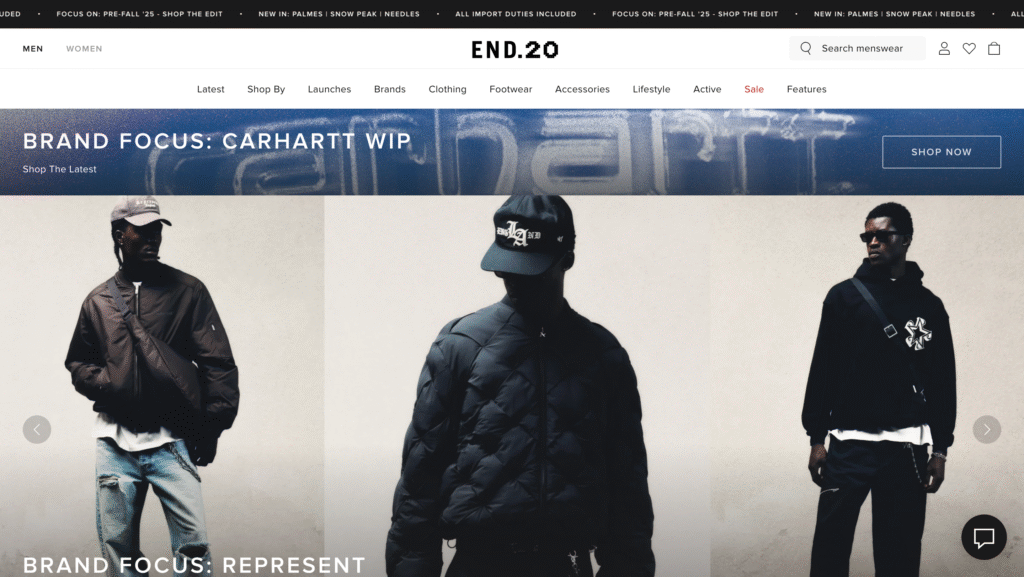
Founded in Newcastle, England, END. Clothing has grown into a global leader in men’s fashion, blending high-end designer labels with streetwear culture in a way few others can match. From Saint Laurent and Gucci to Off-White, Stüssy, and Aimé Leon Dore, the retailer offers a stylish mix of luxury and hype, while also serving as a hub for sneaker drops and exclusive collaborations. Beyond retail, END. curates style through trend-focused editorials and a sleek digital platform, strengthening its role as a tastemaker in modern men’s fashion.
What They Offer: Streetwear, luxury fashion, sneakers, and exclusive collaborations
Year Founded: 1989
Founder: Luca Benini
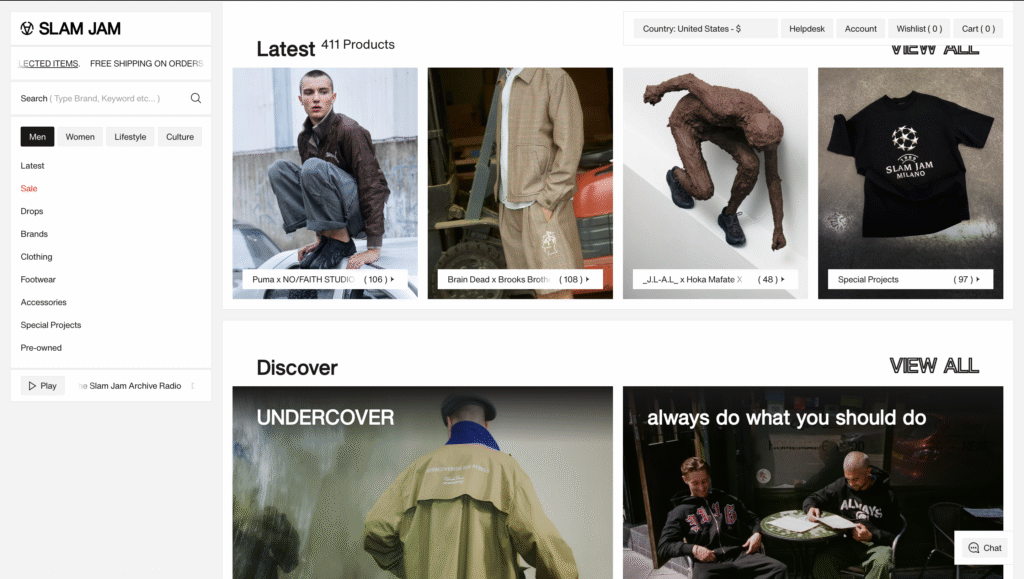
Founded in Ferrara, Italy, Slam Jam started by importing rare and hard-to-find streetwear from the U.S. and Japan—long before the rest of Europe even knew what was coming. Its early days focused on connecting local style enthusiasts to the global underground, and that pioneering spirit has persisted. Today, Slam Jam has grown into a global tastemaker, effortlessly uniting luxury brands, cult streetwear labels, and cutting-edge designers in a curated space.
Slam Jam’s uniqueness lies in its cultural impact. It does more than just sell clothing—it’s about crafting experiences in fashion, music, and art that push limits. From Prada and Marni to Stüssy, Supreme, and Nike, its lineup strikes a balance between prestige and street credibility. With exclusive collaborations and limited drops, Slam Jam becomes more than just a retailer—it’s a cultural institution that shapes the intersection of luxury and streetwear.
What They Offer: High-end streetwear, designer fashion, footwear, & accessories
Year Founded: 2005
Founders: Kevin Carle & Tarek Nasr
Born in Toronto’s vibrant fashion scene, NOMAD has established a reputation as more than just a retailer—it’s a destination for style lovers seeking the ideal mix of luxury and streetwear. From introducing Canadians to avant-garde designers like Raf Simons, Maison Margiela, and COMME des GARÇONS to satisfying sneakerheads with exclusive drops, the store consistently stays ahead of trends. It’s recognized as a cultural hub, regularly hosting collaborations, launches, and events that attract Toronto’s tastemakers. If you’re after a space that feels both globally connected and locally rooted, NOMAD offers that rare balance of sophistication and authenticity.
What They Offer: Premium streetwear, technical apparel, footwear, & accessories
Year Founded: 2006
Founders: Arthur & Daniel Chmielewski
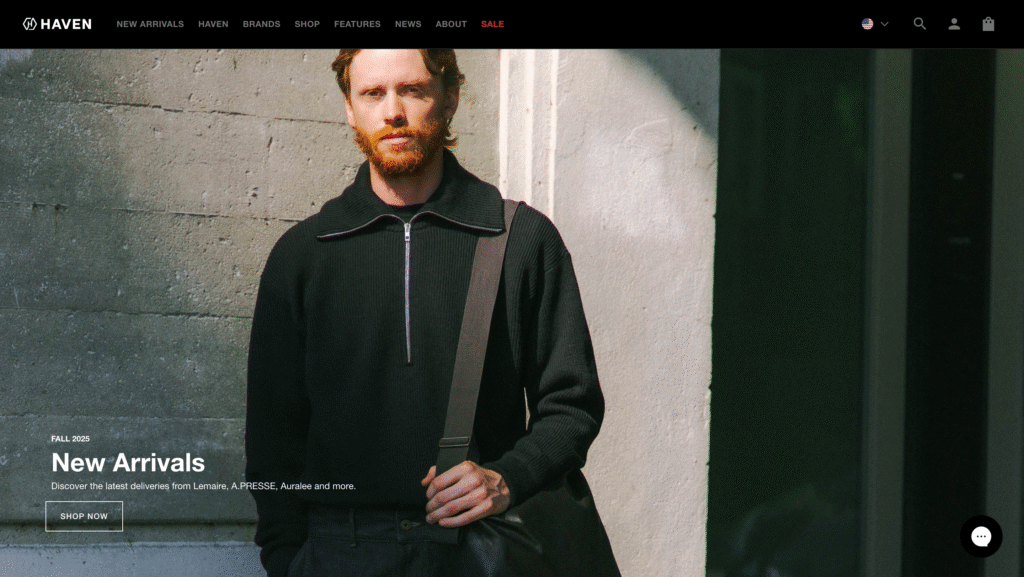
HAVEN has become a staple in Canadian fashion culture, with stores in Vancouver and Toronto that serve as hubs for innovation and community. Known for curating cutting-edge labels like Stone Island Shadow Project, Acronym, and Neighbourhood, the store combines functionality with luxury aesthetics. HAVEN also creates its own in-house line, rooted in utilitarian design and top-tier craftsmanship, making it a go-to for those who value both performance and style. Over the years, it has gained international recognition while maintaining that intimate, boutique vibe—offering shoppers a refined yet adventurous approach to modern fashion.
What They Offer: Luxury fashion, designer labels, beauty, & lifestyle goods
Year Founded: 1901
Founders: John W. Nordstrom & Carl F. Wallin
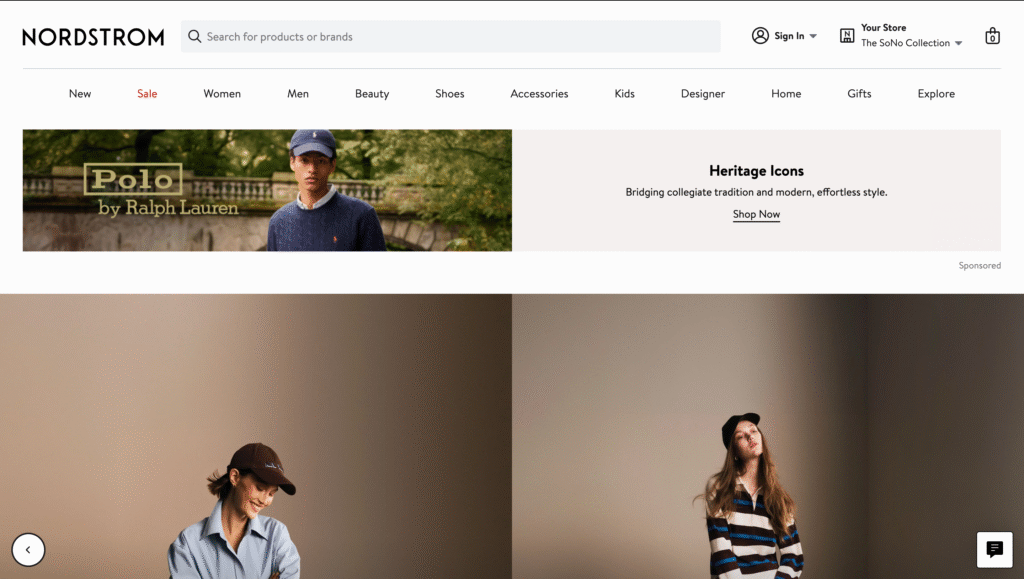
What began as a humble shoe store in Seattle in 1901 has grown into one of the world’s most iconic luxury retailers. Nordstrom has consistently prioritised customer service, creating a shopping experience that is personal, seamless, and dependable. Its digital platform embodies the same philosophy, offering everything from designer runway pieces to everyday luxury essentials, ensuring customers always have access to the latest collections.
Beyond its extensive selection of Gucci, Balenciaga, Prada, and other top designer labels, Nordstrom also curates collections for men and women that make shopping effortless. With benefits such as straightforward returns, exclusive releases, and a focus on both high fashion and lifestyle products, the site strikes a balance between heritage and modern convenience. After more than a century, Nordstrom remains a trusted name for those seeking to blend tradition, quality, and contemporary style.
What They Offer: Contemporary fashion, luxury menswear, & streetwear
Year Founded: 2006
Founders: Hannes Hogeman, Simon Hogeman, Jonny Johansson, & Tobias Ericsson
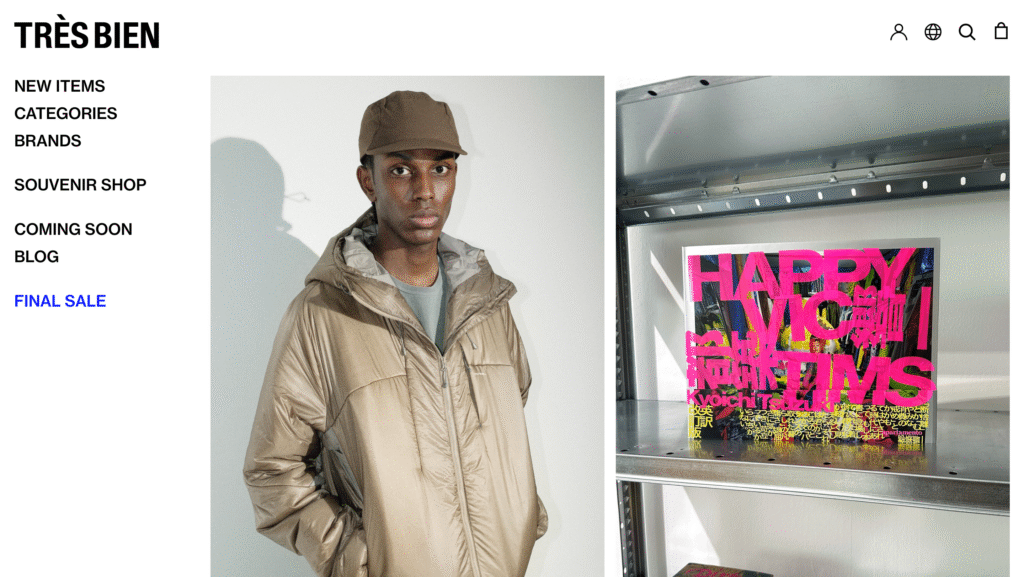
Based in Malmö, Sweden, Très Bien has become a go-to for fashion enthusiasts who crave a blend of luxury and streetwear with a Scandinavian touch. The store’s carefully curated selection combines high-end labels like Prada, Jil Sander, and Comme des Garçons with street staples such as Stüssy and Nike, all showcased through a minimalist online platform that is as stylish as the clothes themselves. Beyond clothing, Très Bien has also expanded into collaborations and its own in-house line, establishing itself as more than just a retailer — it’s a cultural hub for innovative menswear that feels both forward-thinking and timeless.
What They Offer: Pre-owned luxury, streetwear, rare finds, & vintage menswear
Year Founded: 2013
Founders: Arun Gupta, Julian Connor, Jake Metzger, & Lawrence Schlossman
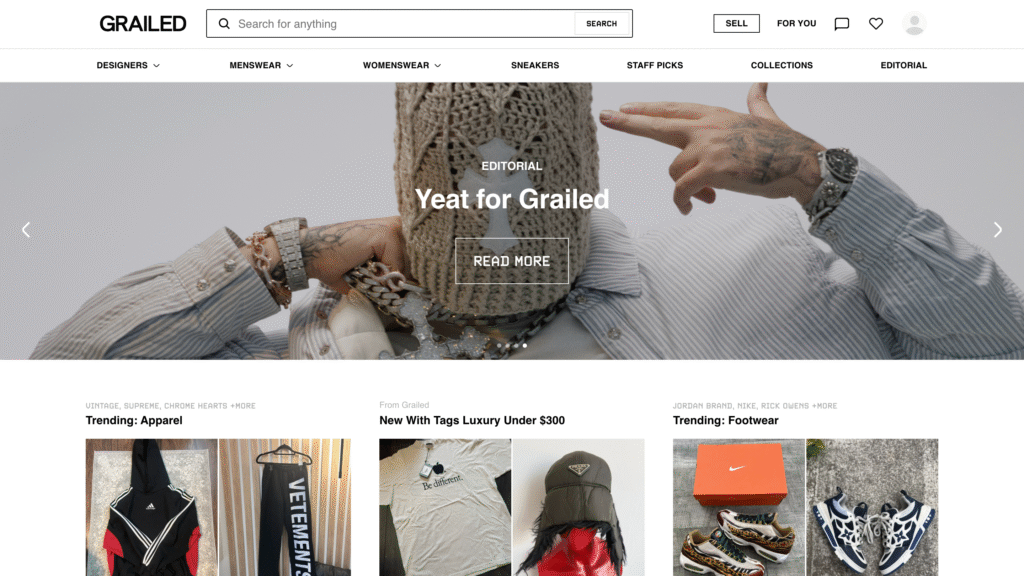
Grailed has changed the way people shop for menswear online by creating a peer-to-peer marketplace where fashion enthusiasts can buy and sell everything from rare Supreme hoodies and Rick Owens sneakers to vintage Raf Simons and Dior Homme. What makes it unique is its community-driven approach—listings are carefully moderated, and the platform promotes dialogue between buyers and sellers, making it feel less like a faceless shop and more like a global fashion community. For many, Grailed isn’t just a place to shop; it’s a space to discover, trade, and even learn about the stories behind each piece.
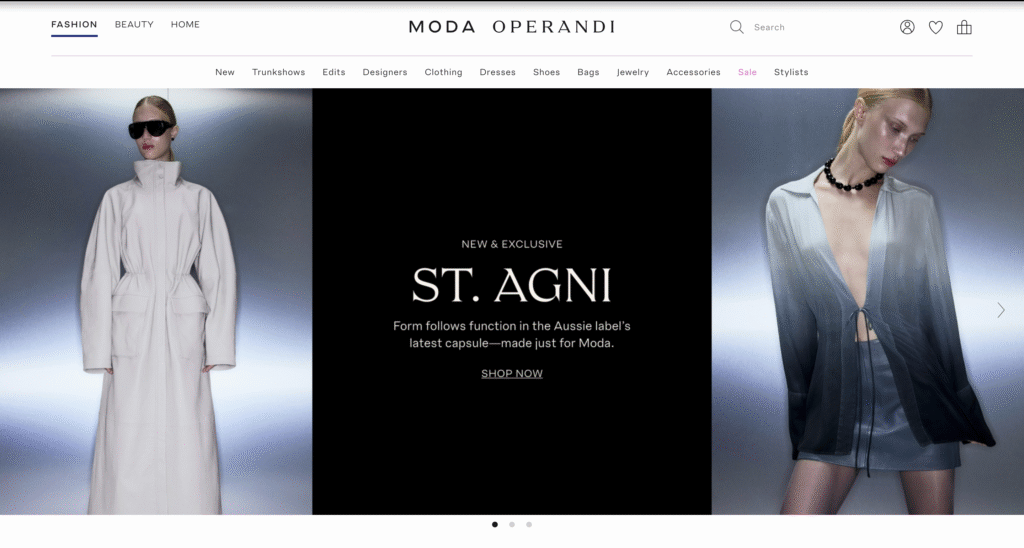
Moda Operandi transformed the luxury shopping scene by introducing online trunk shows, allowing shoppers to pre-order pieces straight from the runway before they hit stores. This innovation linked high fashion’s most exclusive moments with everyday consumers, enabling clients to secure Prada gowns, Givenchy tailoring, or Oscar de la Renta dresses the moment they debut. It’s like having a VIP pass to Fashion Week without leaving your couch.
Over the years, the platform has grown well beyond its original concept, now offering a broad selection of ready-to-wear, fine jewellery, accessories, and even homeware. Each piece is curated with a keen editorial eye, reflecting Lauren Santo Domingo’s influence as a style icon and insider in the fashion industry. Moda Operandi has become more than just a luxury marketplace — it’s an experience designed for those who want to shop ahead of the latest trends while enjoying timeless elegance.
What They Offer: High-end luxury fashion, accessories, beauty, & homeware
Year Founded: 1899
Founder: Herman Bergdorf
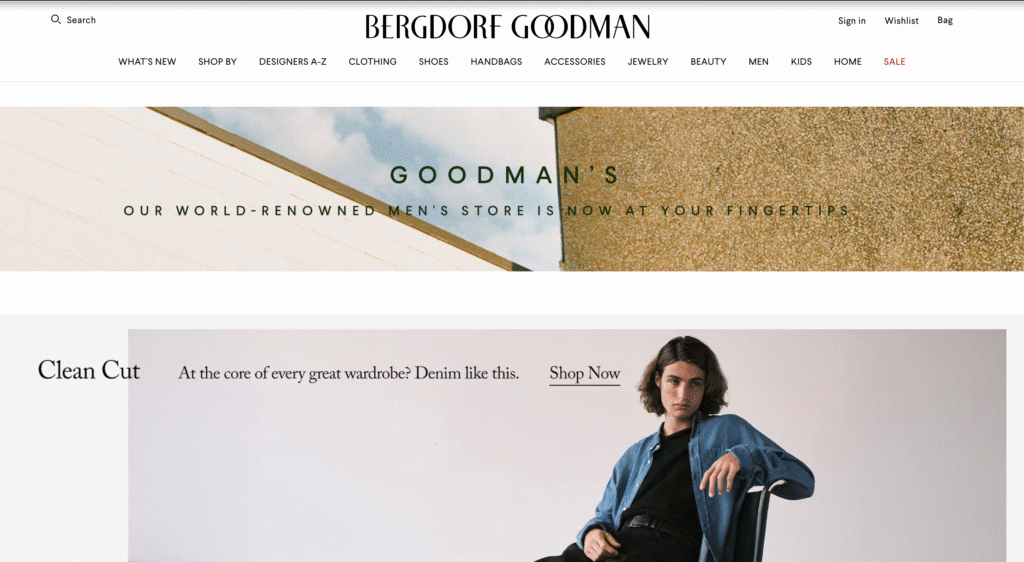
Few names in fashion carry as much weight as Bergdorf Goodman. Originally opening as a small tailor shop in Manhattan at the end of the 19th century, it has grown into a Fifth Avenue icon, associated with luxury and exclusivity. Entering its doors in New York feels like stepping into fashion history, with legendary designers such as Chanel, Tom Ford, and Alexander McQueen featured in its grand halls. Its reputation has been solidified over decades as a playground for celebrities, socialites, and tastemakers, making it not just a store but a cultural landmark in the world of style.
Online, Bergdorf Goodman extends its prestige to a global audience, offering everything from couture-level fashion to beauty and homeware. The site is curated with the same meticulous care as the flagship, making every click feel like a luxury experience. From rare designer exclusives to timeless staples, Bergdorf Goodman continues to embody the essence of high fashion—heritage, glamour, and modern sophistication—all at your fingertips.
What They Offer: Luxury fashion, contemporary labels, & lifestyle goods
Year Founded: 1901
Founders: Johannes Gottfried Cloppenburg & James Cloppenburg
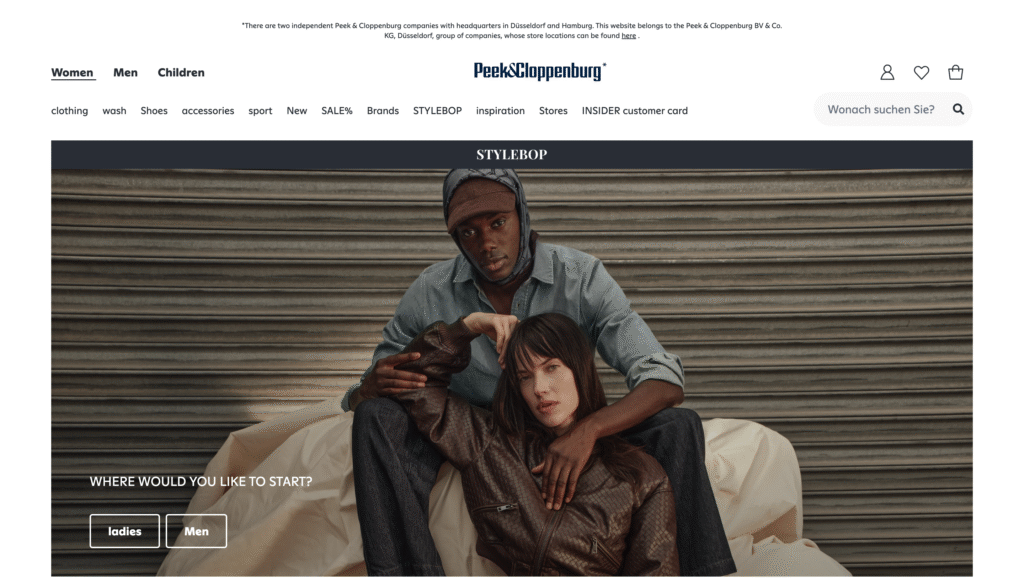
Peek & Cloppenburg is one of Europe’s most well-established names in fashion retail, with origins dating back to the early 20th century. Founded in Germany, it quickly gained a reputation for combining quality, variety, and sophistication all in one place. Today, the name is associated with refined shopping experiences across Europe, offering everything from iconic heritage brands to modern labels. It’s the kind of store where luxury tailoring sits comfortably beside stylish casualwear, providing customers with a one-stop destination for building a versatile wardrobe.
Their online platform modernizes that century-old legacy for a digital audience, offering a curated selection that includes global brands like Hugo Boss, Armani, and Burberry, while also highlighting younger, emerging designers. What makes Peek & Cloppenburg stand out is its ability to serve different generations of fashion lovers—seasoned clients loyal to traditional craftsmanship and new shoppers seeking modern trends. The result is a platform that feels both timeless and forward-looking, bringing the prestige of European luxury into the modern world of e-commerce.
What They Offer: Luxury fashion, designer accessories, beauty, & lifestyle goods
Year Founded: 1867
Founders: Andrew Saks; later expanded by Horace Saks & Bernard Gimbel
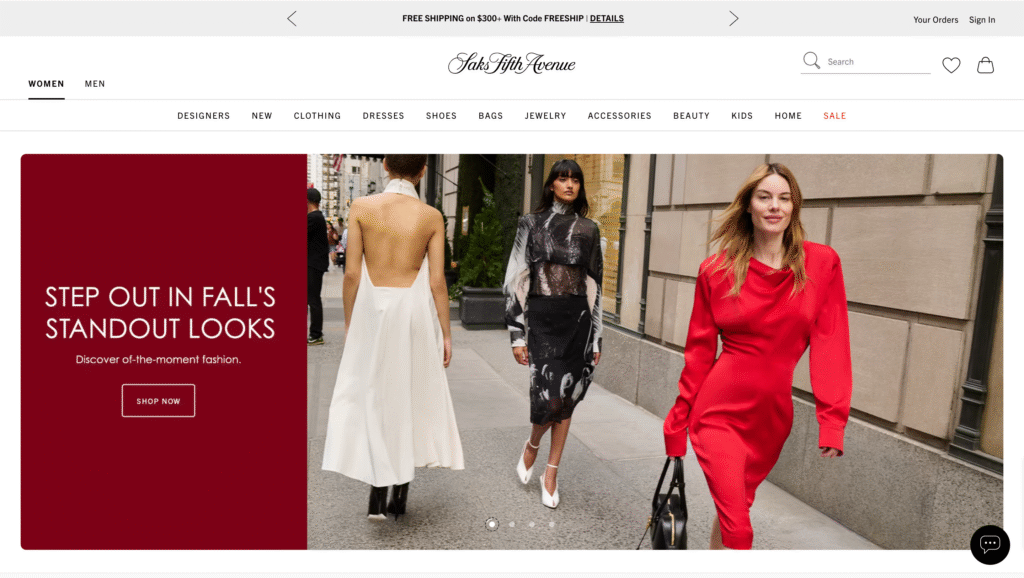
Saks Fifth Avenue is a pillar of American luxury retail, famous for its flagship store on Fifth Avenue in New York City. Since its origins in the late 19th century, the brand has been a symbol of elegance, exclusivity, and refined taste. Its stores have long been a favorite among the fashion elite, offering everything from couture gowns and tailored suits to high-end beauty products and homeware. The iconic name itself conjures the glamour of New York high society and remains deeply connected to the history of luxury shopping in North America.
Online, Saks extends its prestige to a broader audience by creating a digital experience that reflects the polished service of its physical stores. Shoppers can browse a carefully curated selection of brands like Valentino, Saint Laurent, Gucci, and Balenciaga, while enjoying perks such as personal styling and exclusive online releases. With over a century of heritage and a continued focus on blending tradition with innovation, Saks Fifth Avenue remains one of the most trusted destinations for luxury shopping both in-store and online.
What They Offer: Luxury fashion, designer flash sales, accessories, & lifestyle goods
Year Founded: 2007
Founders: Kevin Ryan, Dwight Merriman, & Alexandra Wilkis Wilson
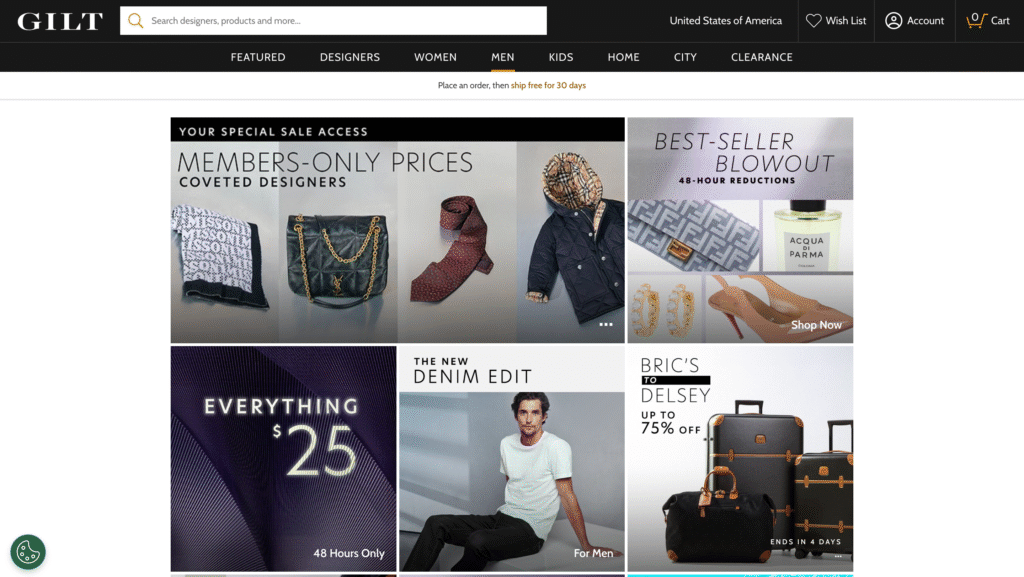
Think of Gilt as the digital version of stumbling upon a secret designer sample sale—except it’s open to you 24/7. Launched in 2007, it made luxury feel accessible by offering limited-time flash sales on brands like Valentino, Balenciaga, and Jimmy Choo, creating that rush of grabbing something exclusive before it’s gone. The excitement of the countdown clock and the thrill of beating thousands of other shoppers to a deal made Gilt more than just a retailer—it became an experience. Today, it continues to deliver that same adrenaline-fueled shopping excitement, with a mix of high fashion, accessories, and homeware that shows luxury doesn’t always have to mean paying full price.
What They Offer: Luxury fashion, designer collaborations, & lifestyle goods
Year Founded: 1930
Founder: Luisa Jaquin
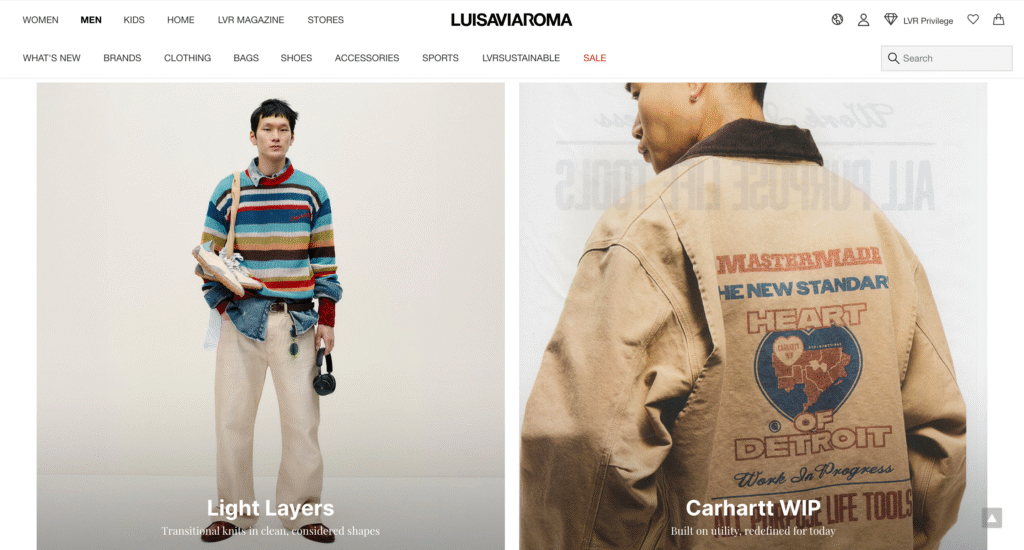
Born as a boutique in Florence, Luisa Via Roma has evolved into a global luxury powerhouse that blends Italian elegance with cutting-edge digital flair. Offering everything from Gucci and Balenciaga to under-the-radar designers, LVR is known for its daring curation, bold campaigns, and exclusive collaborations that feel as much like cultural moments as shopping opportunities. Beyond its online presence, the brand has built a reputation through immersive events like the LVR Gala, proving that it’s more than just a retailer—it’s an experience that keeps luxury exciting and forward-thinking.
What They Offer: Ultra-luxury fashion, designer goods, beauty, fine jewelry, & lifestyle products
Year Founded: 1849
Founder: Charles Henry Harrod
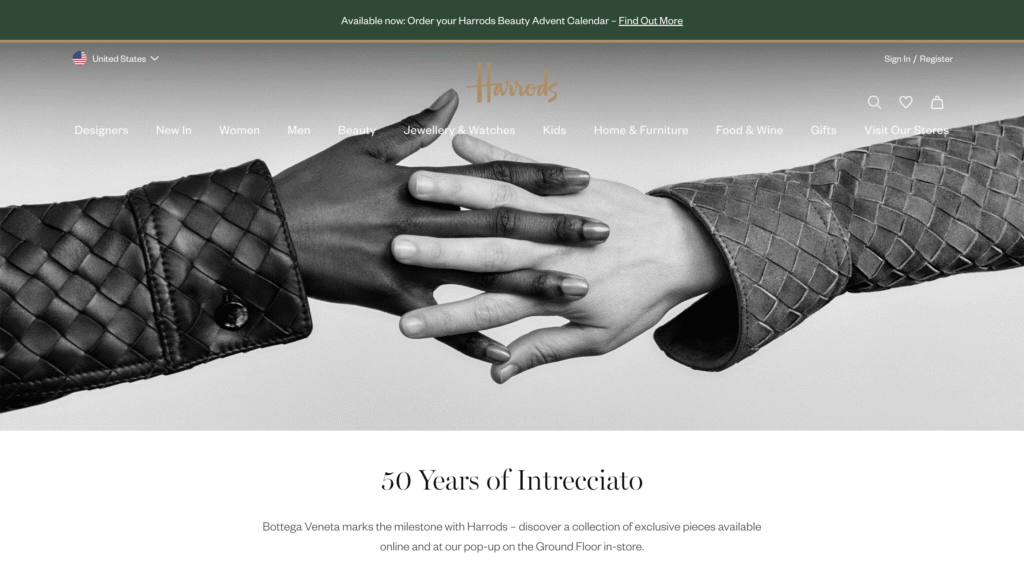
Harrods isn’t just a store—it’s a global symbol of luxury. Founded in 1849 in London, the iconic Knightsbridge department store has long been a playground for royalty, celebrities, and anyone seeking the very best in fashion, beauty, and lifestyle. With its legendary motto, “Omnia Omnibus Ubique” (all things for all people, everywhere), Harrods has built a reputation for offering everything from couture gowns and fine jewellery to rare spirits and gourmet food halls.
Its online platform carries that same grandeur into the digital age, bringing heritage brands like Chanel, Dior, and Burberry together with cutting-edge designers and lifestyle exclusives. Shopping Harrods online still feels like stepping into its gilded halls—elevated, curated, and unforgettable. More than just a retailer, Harrods embodies the height of British elegance and global luxury, making it a must-visit both in person and online.
What They Offer: Luxury fashion, designer accessories, beauty, & lifestyle goods
Year Founded: 1907
Founders: Herbert Marcus, Sr., Carrie Marcus Neiman, & A.L. Neiman
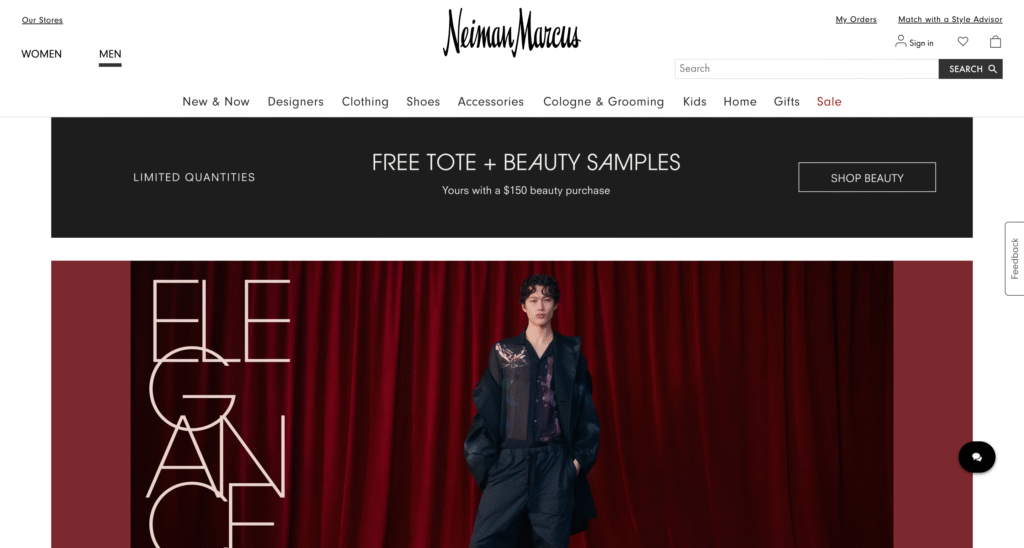
Neiman Marcus has been a pillar of American luxury retail for over a century, opening its doors in Dallas in 1907. From its earliest days, it distinguished itself by importing high-end European fashion to American consumers, introducing names like Chanel and Balenciaga long before they became household names in the U.S. Its flagship stores quickly became more than just retail outlets—they were destinations where elegance and exclusivity combined, offering exceptional service and seasonal displays that transformed shopping into an experience of grandeur.
Today, its online platform continues that legacy with a curated selection of global designers like Valentino, Tom Ford, and Prada alongside contemporary American creators who exemplify modern luxury. Renowned for its legendary Christmas Book and extravagant fantasy gifts, Neiman Marcus has always embraced drama, blending tradition with spectacle. By merging timeless elegance with playful excess, the brand keeps shaping what luxury shopping means in America: bold, stylish, and always innovative.
What They Offer: Luxury fashion, designer goods, beauty, lifestyle, & experiential shopping
Year Founded: 1909
Founder: Harry Gordon Selfridge
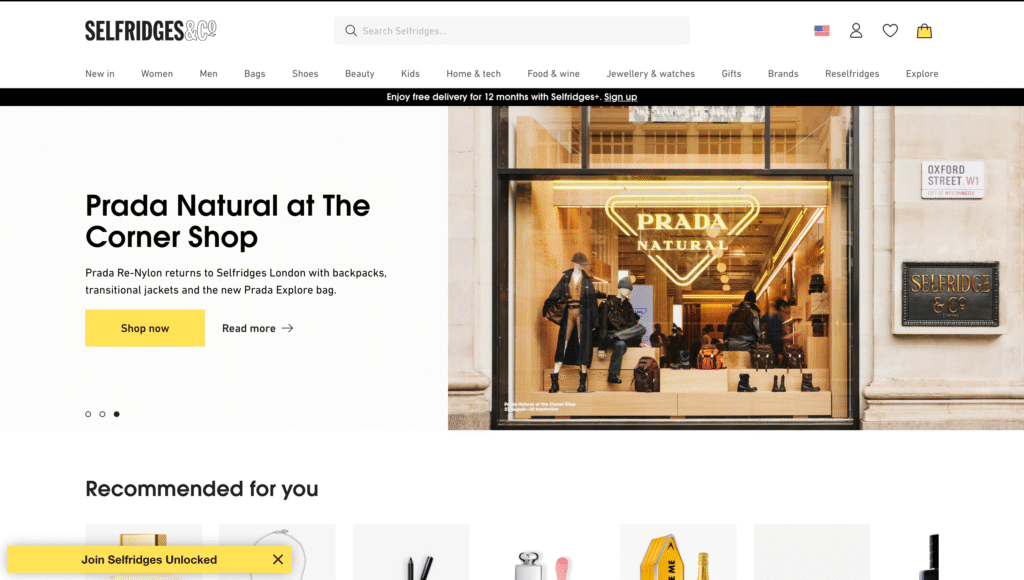
Founded in London in 1909, Selfridges has always been more than just a department store—it’s an experience. Based on Harry Gordon Selfridge’s vision that shopping should be inspiring and entertaining, the brand has become a global symbol of creativity and innovation in luxury retail. Its online platform brings the vibrancy of its Oxford Street flagship to a worldwide audience, offering designer fashion, beauty, and lifestyle products from top names in the industry. What truly makes Selfridges unique, however, is its passion for culture and sustainability, from iconic window displays and bold collaborations to its Project Earth initiative, which redefines what luxury shopping can mean in today’s world.
If you’re still craving more options beyond the top 20, there are plenty of other luxury shopping platforms worth bookmarking. These sites offer their own unique take on high-end fashion, whether it’s connecting you directly to Italian boutiques, showcasing emerging designers, or blending art and fashion in unexpected ways. Here are honourable mentions:
Italist – A unique platform that links shoppers directly to luxury boutiques in Italy, Italist provides designer goods at prices often lower than traditional retail outlets. With its direct-from-Europe approach, you’ll find everything from Gucci and Fendi to niche Italian designers, making it a top choice for finding authentic luxury pieces while saving money.
Browns Fashion – Known for championing emerging talent since the 1970s, Browns has built a reputation for discovering the next big thing before it becomes mainstream. Alongside global brands like Burberry and Balenciaga, you’ll also find experimental designers and edgy capsule collections, making it the ideal destination for shoppers who want to stay ahead of the curve.
Dover Street Market – More than just a shop, Dover Street Market is a cultural playground curated by Rei Kawakubo and Comme des Garçons. Constantly reinventing itself with seasonal themes and artistic displays, DSM combines luxury fashion, streetwear, and art in a way that makes every visit—online or in-store—feel like a discovery. It’s not just about buying clothes; it’s about immersing yourself in fashion as culture.
24S – Owned by LVMH, 24S is Paris’s answer to online luxury, offering a carefully curated selection of designers like Louis Vuitton, Celine, and Dior alongside emerging talents in fashion. Its elegant French identity shines through in every detail, from the editorial styling to the packaging, making shopping feel like a bit of Paris delivered right to your door.
Mytheresa – Based in Munich, Mytheresa has become a global destination for women’s and men’s luxury fashion, valued for its selective edit of high-end brands and exclusive capsule collections. The platform is recognized for its sharp curation—every piece feels thoughtfully chosen—and its polished service makes shopping as smooth as it is stylish.
General FAQ’s
What Is The Best Site For Luxury Designer Shopping Online?
It depends on what you’re looking for—platforms like Farfetch and SSENSE are excellent for a wide range of contemporary brands, while Bergdorf Goodman and Harrods focus on ultra-luxury heritage labels. Sites like Italist also offer direct access to European boutiques at more affordable prices.
Are Luxury Items Online Authentic?
Yes, when purchased from trusted platforms like Mytheresa & Farfetch or official retailers such as Harrods and Saks Fifth Avenue, these sites work directly with designers and boutiques, ensuring authenticity.
Do Luxury Shopping Sites Ever Have Sales?
Absolutely. Gilt and Italist often offer discounted luxury items, while sites like SSENSE, Browns Fashion, and Mytheresa are known for their seasonal sales. Even high-end retailers like Neiman Marcus and Saks have exclusive online promotions.
Which Site Is Best For Finding Rare Or Vintage Designer Pieces?
Grailed and Dover Street Market are excellent sources for rare finds and streetwear drops, while Vestiaire Collective (another great option to consider) specializes in authenticated pre-owned luxury fashion and accessories.
Is It Better To Shop Luxury In-Store Or Online?
Both have their advantages. In-store offers the experience, personal styling, and instant gratification, while online provides convenience, global access, and often exclusive collaborations or pre-orders you won’t find elsewhere.
Elias Albay is the Founder and Director of Many Men Magazine, a Toronto-based digital publication dedicated to promoting modern masculinity through style, culture, and self-improvement. What started as a personal turning point became a purposeful platform. — born from Elias’ desire to create something meaningful after completing his studies and finding no career path that truly matched his ambitions. With a background in Civil Engineering from York University and experience in Commercial Flight Operations at CAE, he applied skills, and resilience from both fields to forge a new path.