




Audio

Bang & Olufsen Celebrates 100 Years With Ultra-Rare Beolab 90 Shadow and Mirage Editions

Reading Time: 7 minutes

Share via

Our team of editors and experts thoughtfully chooses each product. If you decide to buy through one of our links, we may earn a commission. Learn more. Want to know how we test products? Click here for more details.

  • Bang & Olufsen has unveiled the Beolab 90 Shadow and Mirage Editions as part of its 100th-anniversary Atelier collection.
  • Shadow swaps the traditional fabric covers for black-coated stainless-steel mesh, revealing glimpses of the 18-driver hardware underneath.
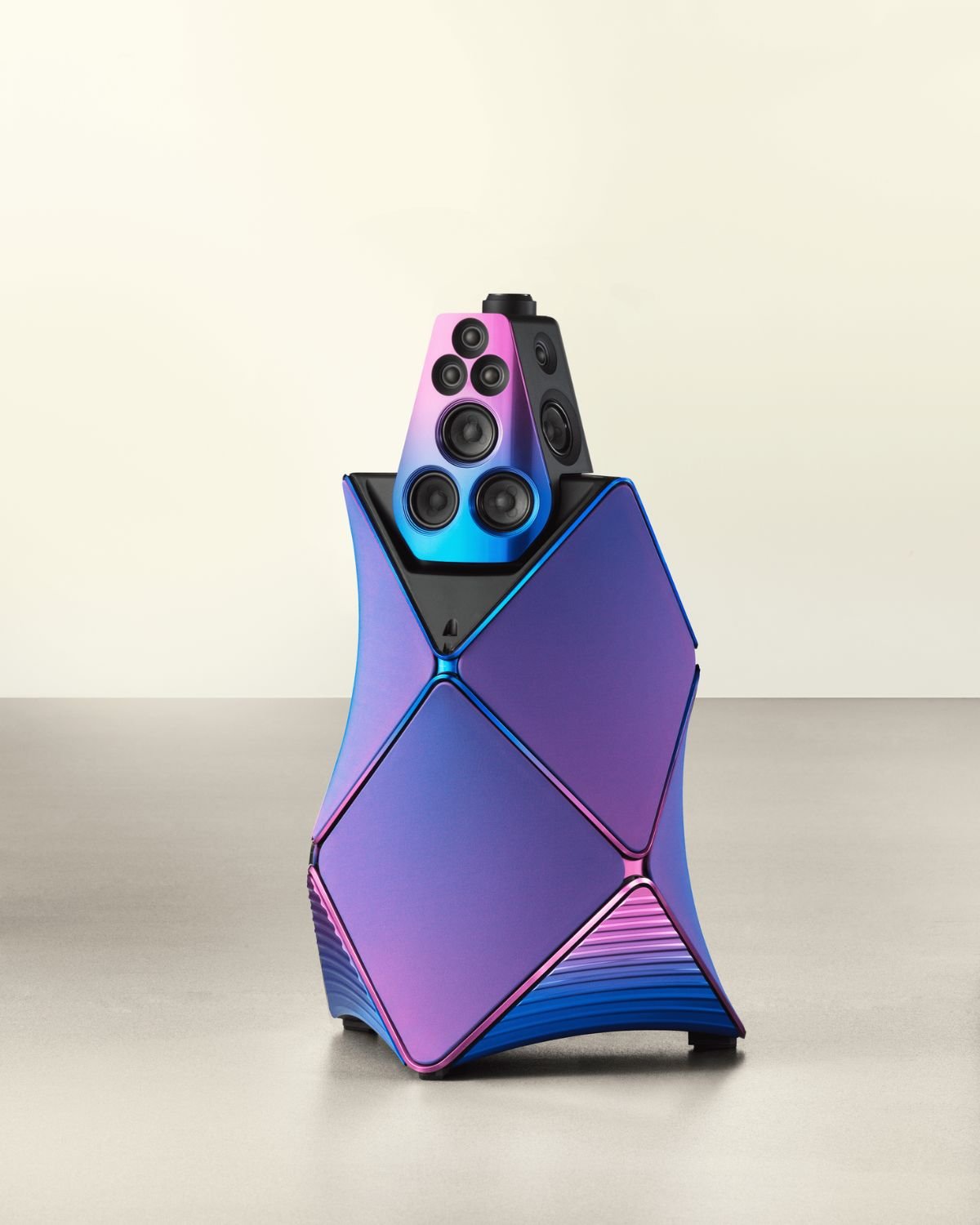
  • Mirage goes in the opposite direction with a hand-applied anodized finish that shifts from blue to magenta, completed by specialists at B&O’s Factory 5.
  • Underneath the Atelier finishes, both remain Beolab 90s, packing 18 drivers with Beam Width, Beam Direction & Active Room Compensation technology.

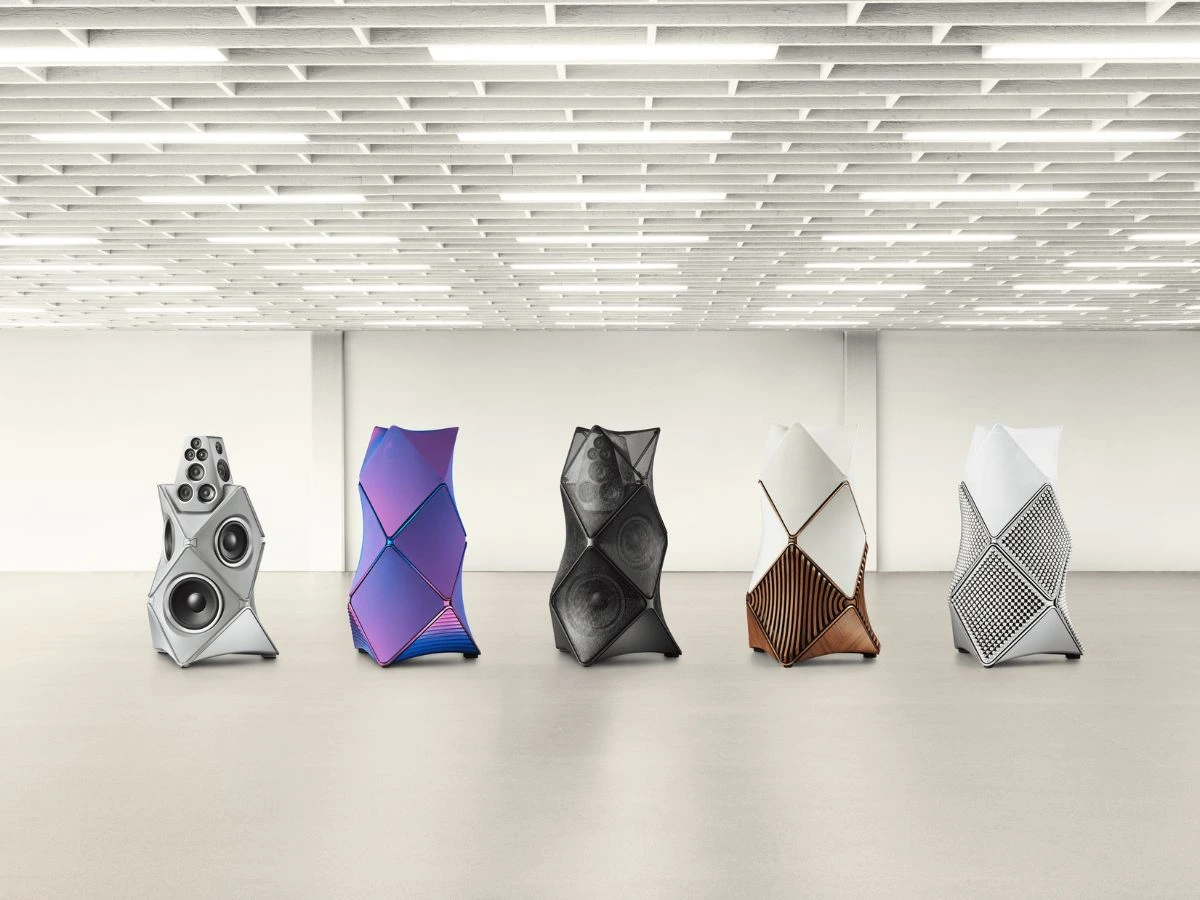
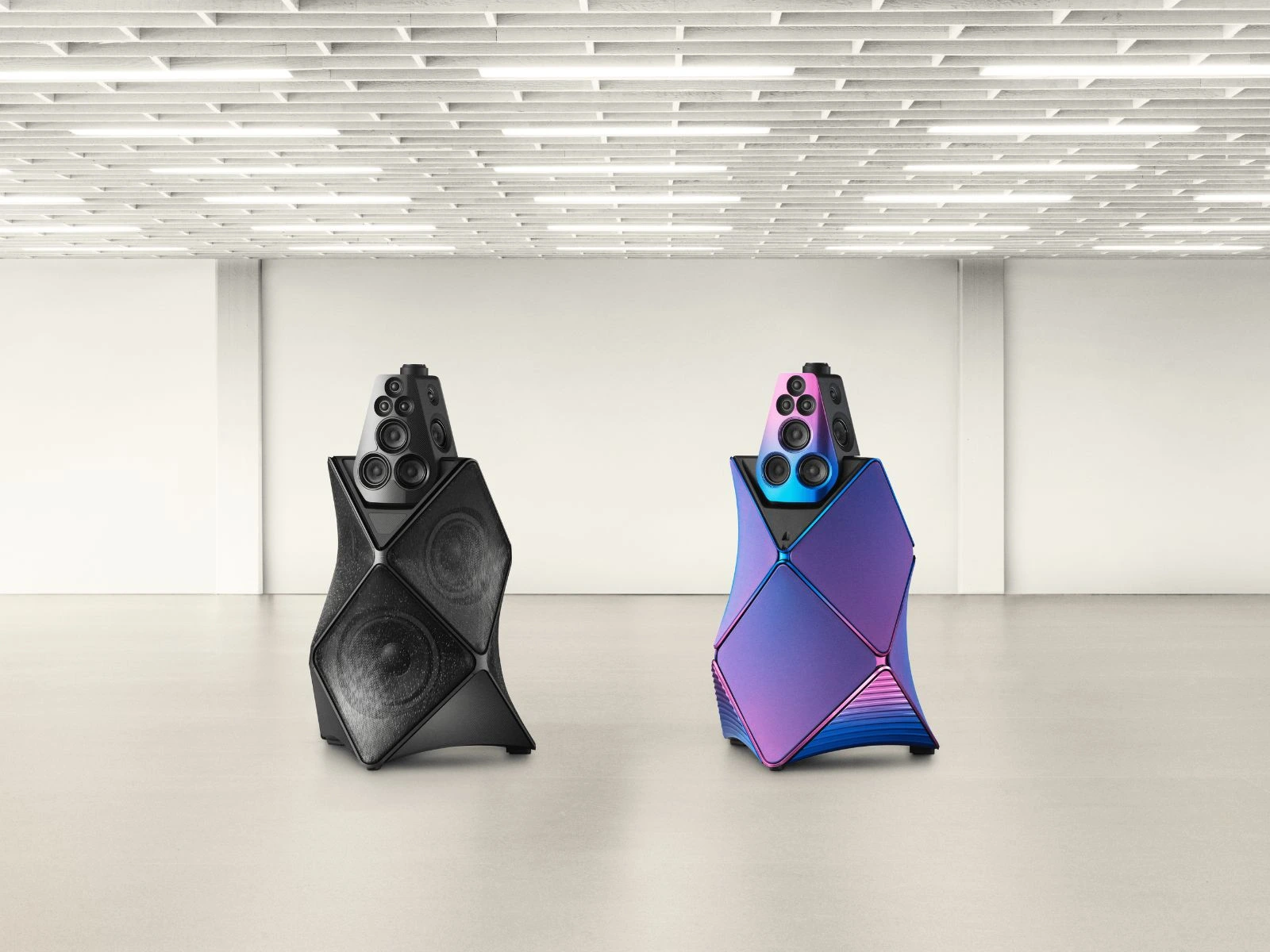
Bang & Olufsen has never been interested in making speakers that simply disappear into a room corner. The Danish brand has spent a century turning audio equipment into design pieces in their own right, and for its 100th anniversary, it has taken that philosophy to one of its wildest creations yet: the Beolab 90. The Shadow and Mirage Editions are two very different interpretations of the same uncompromising flagship speaker, handcrafted as part of B&O’s centenary Atelier collection and limited to just 10 pairs each.

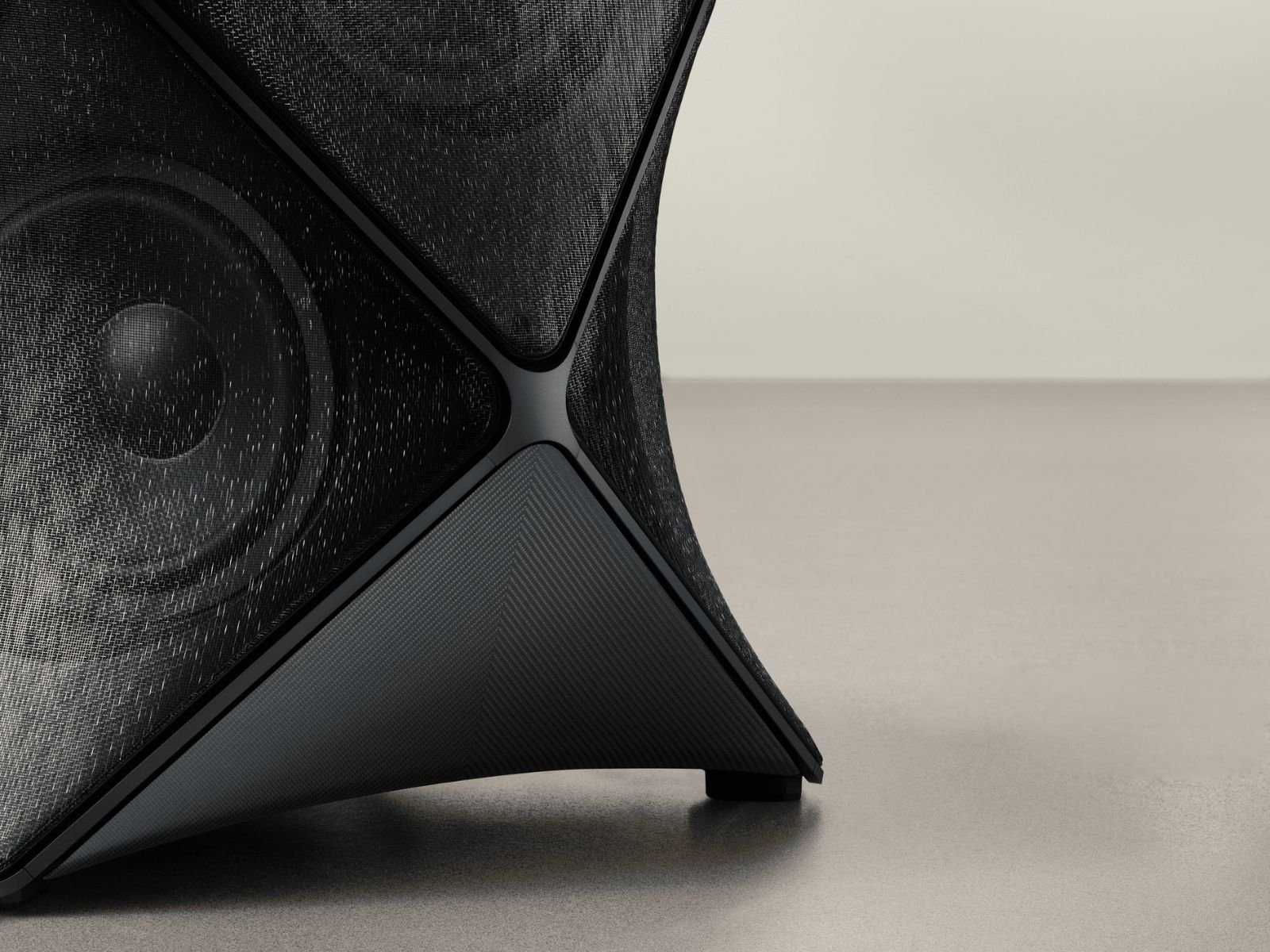
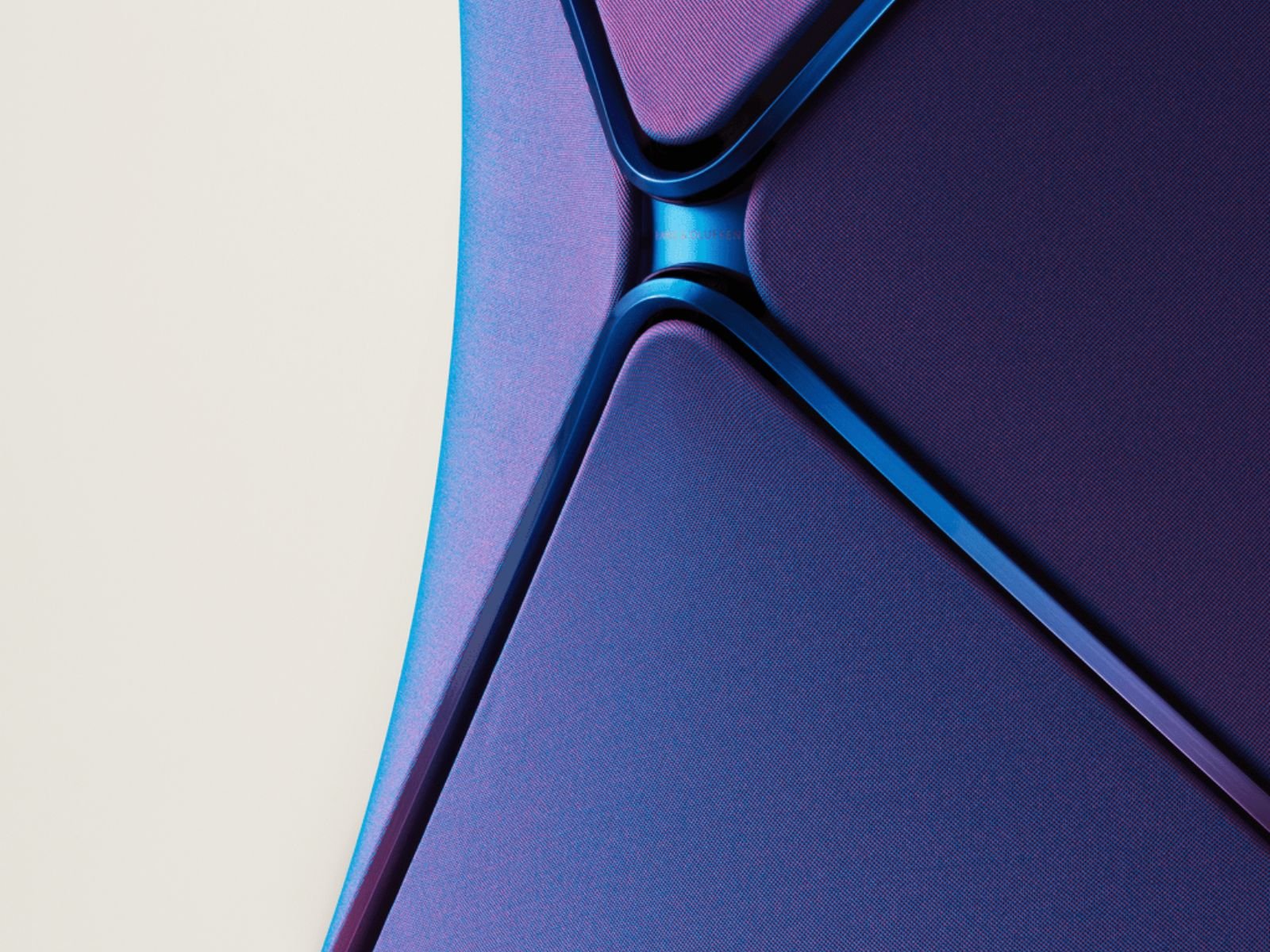
That puts them firmly into collector territory before we even get to what Bang & Olufsen has actually done to them. Shadow takes the Beolab 90 somewhere darker, replacing its familiar fabric covers with black-coated stainless-steel mesh that lets you glimpse the drivers underneath. Mirage goes the other way, pairing iridescent fabric with hand-finished aluminum that shifts from blue to magenta as you move around it. Same Beolab 90 underneath, but two very different ways to make sure nobody ignores it.
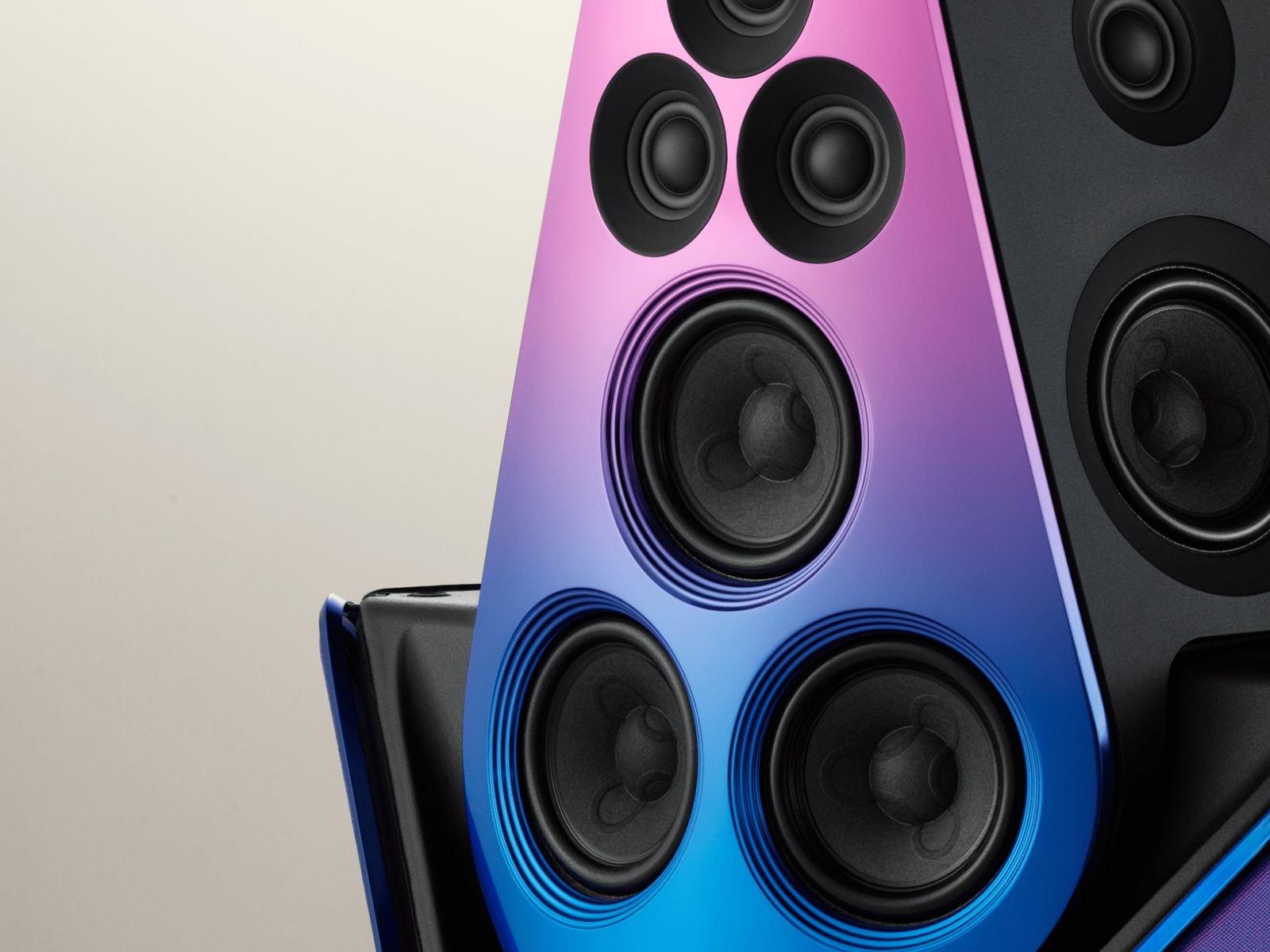
Bang & Olufsen The Mirage Edition
Bang & Olufsen The Mirage Edition | Image: Bang & Olufsen

Five Beolab 90s for 100 Years of Bang & Olufsen

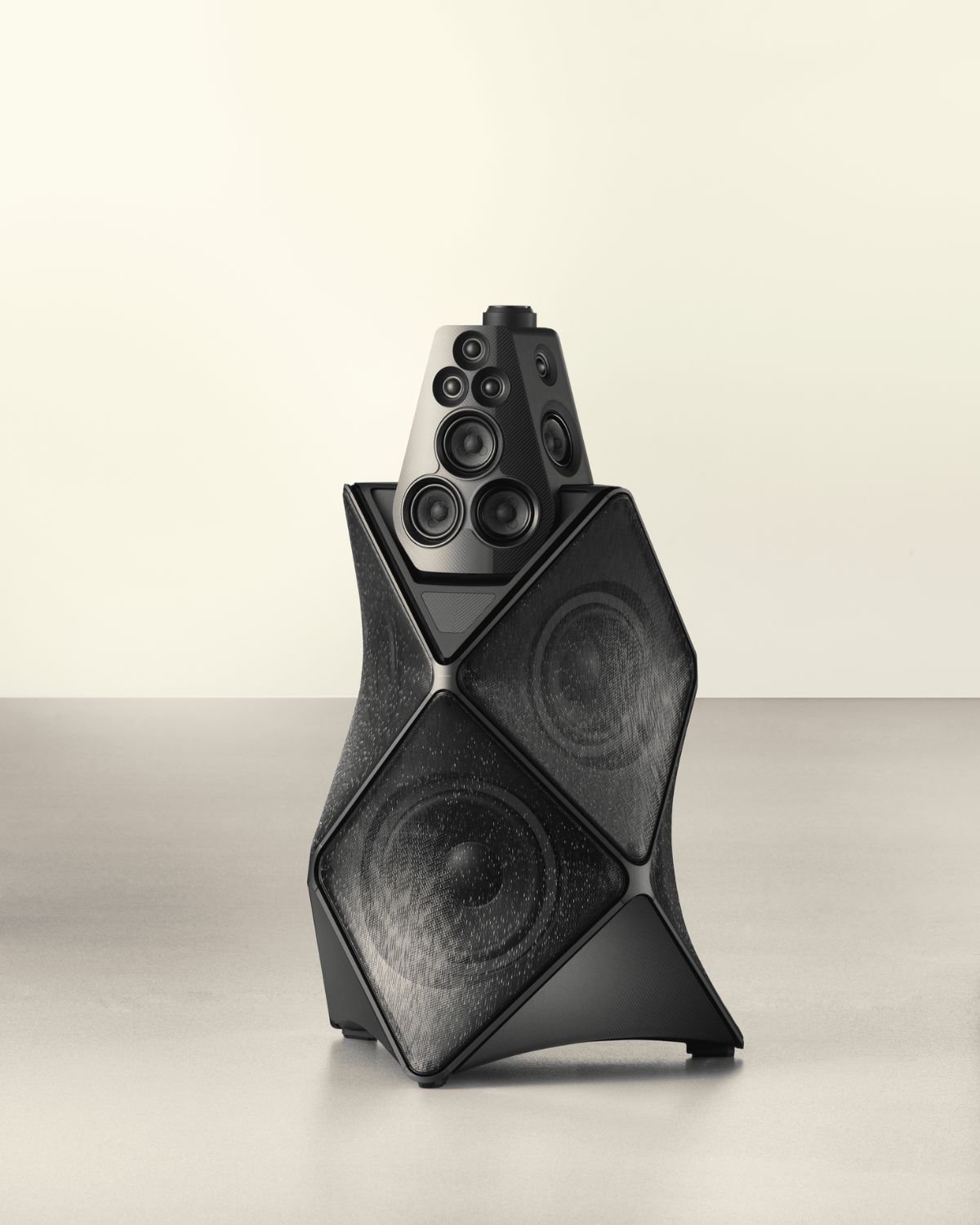
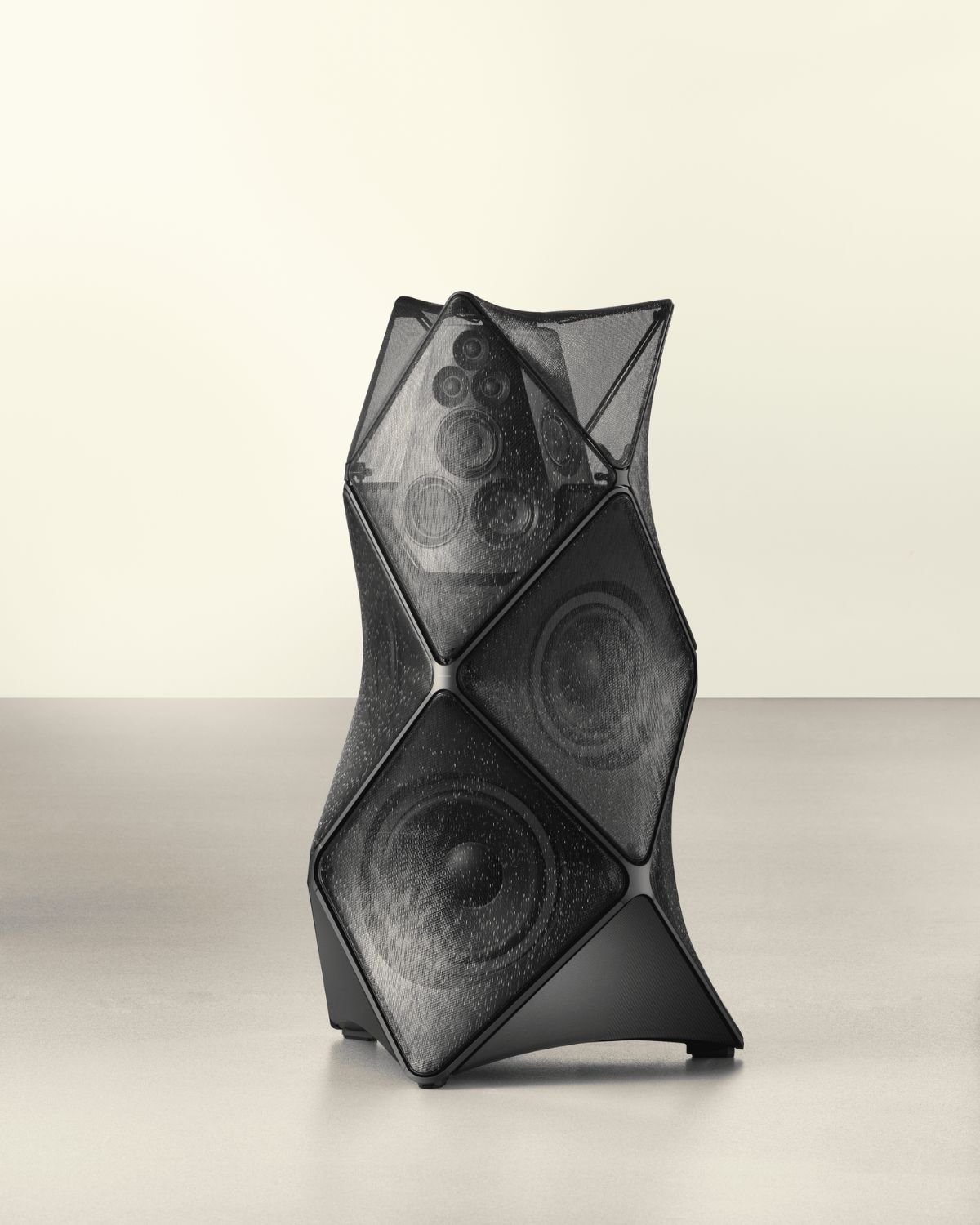
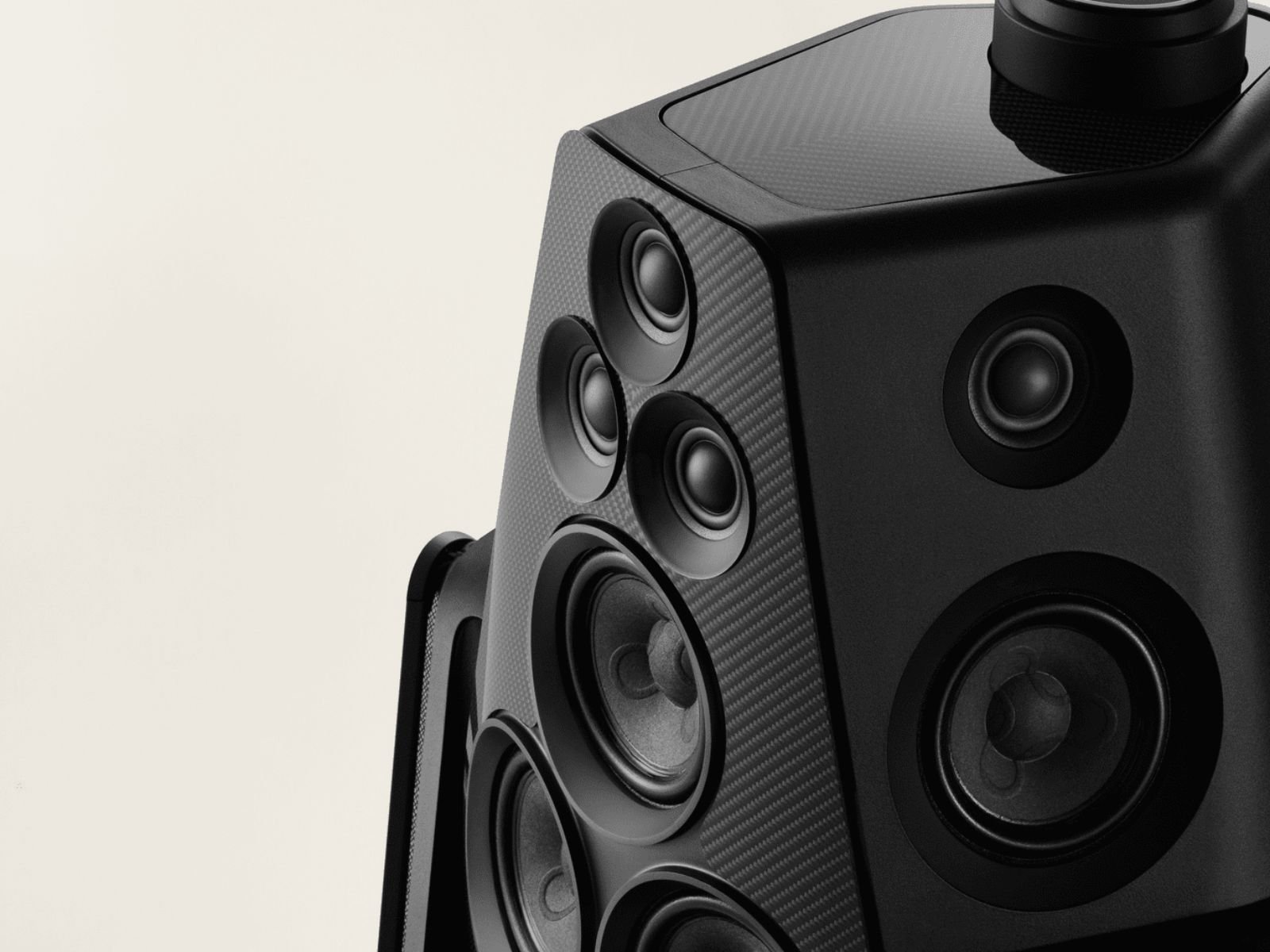
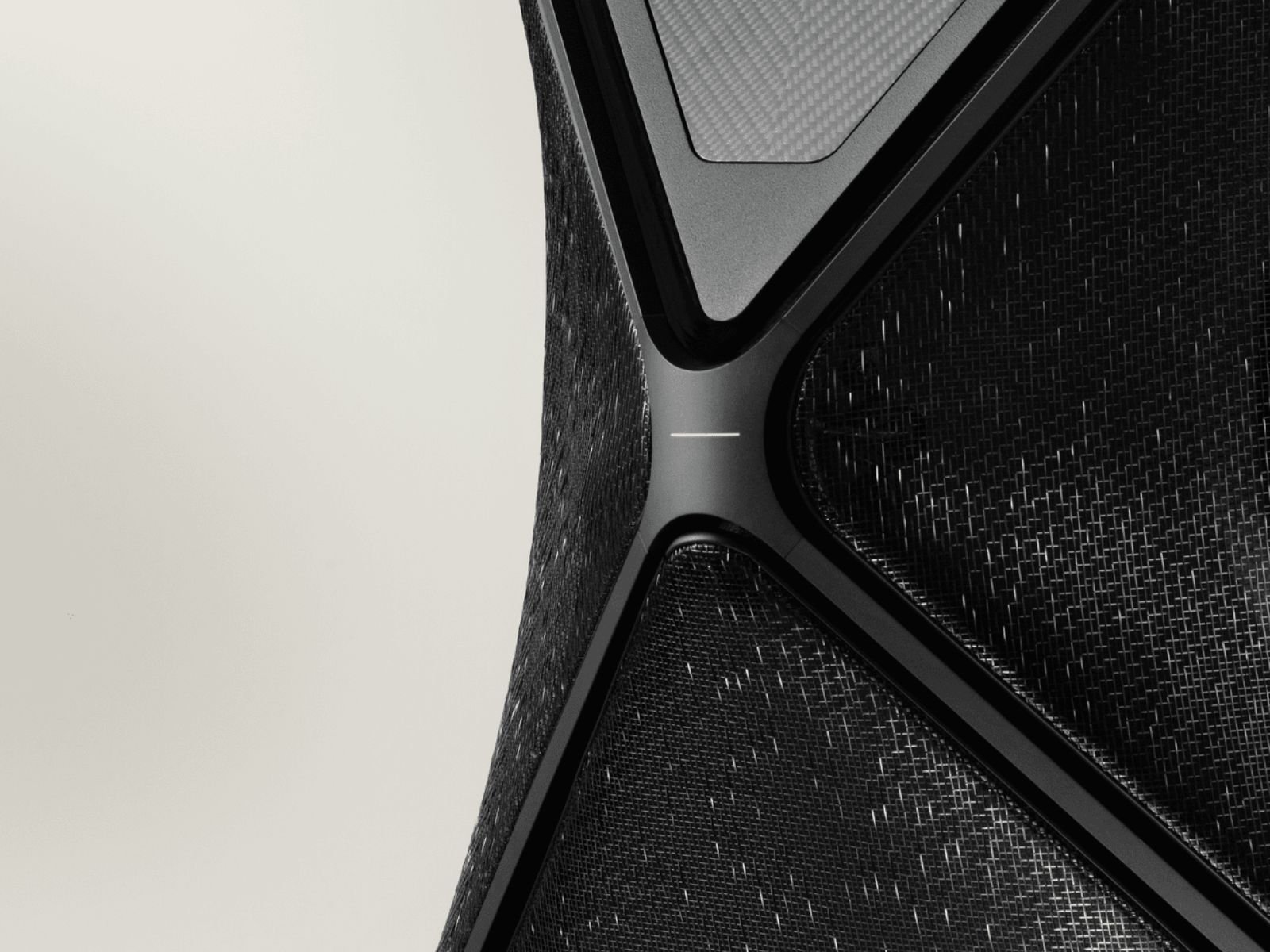
The Shadow Edition is easily the moodier of the two. Bang & Olufsen replaces the Beolab 90’s traditional fabric covers with a specially developed black-coated stainless-steel mesh, creating a semi-transparent surface that lets you glimpse the powerful drivers underneath. B&O describes the effect as almost holographic, changing depending on the light and where you’re standing.

Carbon fibre adds another layer to the design, giving Shadow a more technical character that feels closer to the performance-car world than your average piece of home audio. Rather than covering up all the engineering packed inside the Beolab 90, the dark metal mesh deliberately puts some of it on display — which feels particularly fitting for a speaker this technically ambitious.

That’s ultimately what makes Shadow work. It doesn’t completely reinvent the Beolab 90 or bury its already wild shape under unnecessary decoration; it simply makes the whole thing darker, sharper and a little more sinister. Calling an 8,200-watt Beolab 90 subtle would still be pushing things, but Shadow might be about as close as it’s ever going to get.
Bang & Olufsen The Shadow Edition
Bang & Olufsen The Shadow Edition | Image: Bang & Olufsen
Bang & Olufsen The Shadow Edition
Bang & Olufsen The Shadow Edition | Image: Bang & Olufsen

The Shadow Edition

Creating the Shadow Edition meant rethinking one of the Beolab 90’s most recognizable parts: its fabric-covered exterior. Bang & Olufsen replaced those traditional covers with a custom-designed stainless-steel mesh finished in black, wrapping the speaker’s complex silhouette in metal while still letting some of the engineering underneath remain visible. B&O says it’s a material developed specifically for this edition, giving the surface an almost holographic quality as the drivers appear and disappear depending on the light and where you’re standing.

Carbon fibre is then layered into the exterior, adding another highly technical material to a speaker already packed with serious engineering. Rather than using all that carbon simply for decoration, the treatment gives Shadow a motorsport-like character, contrasting against the metal structure underneath and making the construction itself part of what you’re looking at.

The clever part is that none of this hides what the Beolab 90 actually is. Shadow essentially takes the speaker apart visually, then builds its appearance back up around the hardware, leaving just enough exposed through that black mesh to remind you there are 18 drivers underneath. It’s darker and more aggressive than the standard Beolab 90, but the craftsmanship really shows in how B&O uses those materials to highlight the engineering rather than cover it up.
Bang & Olufsen The Mirage Edition
Bang & Olufsen The Mirage Edition | Image: Bang & Olufsen
Bang & Olufsen The Mirage Edition
Bang & Olufsen The Mirage Edition | Image: Bang & Olufsen

The Mirage Edition

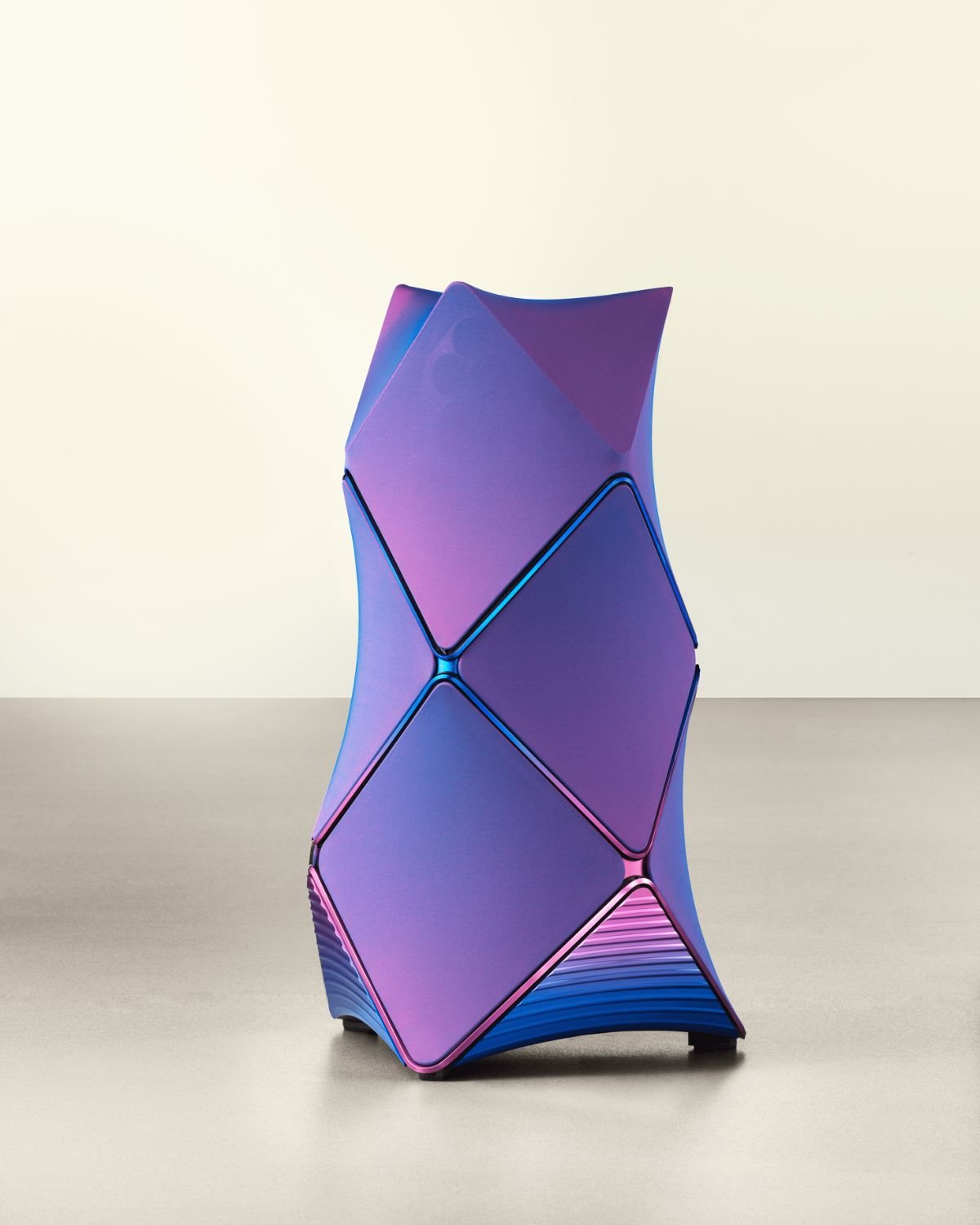
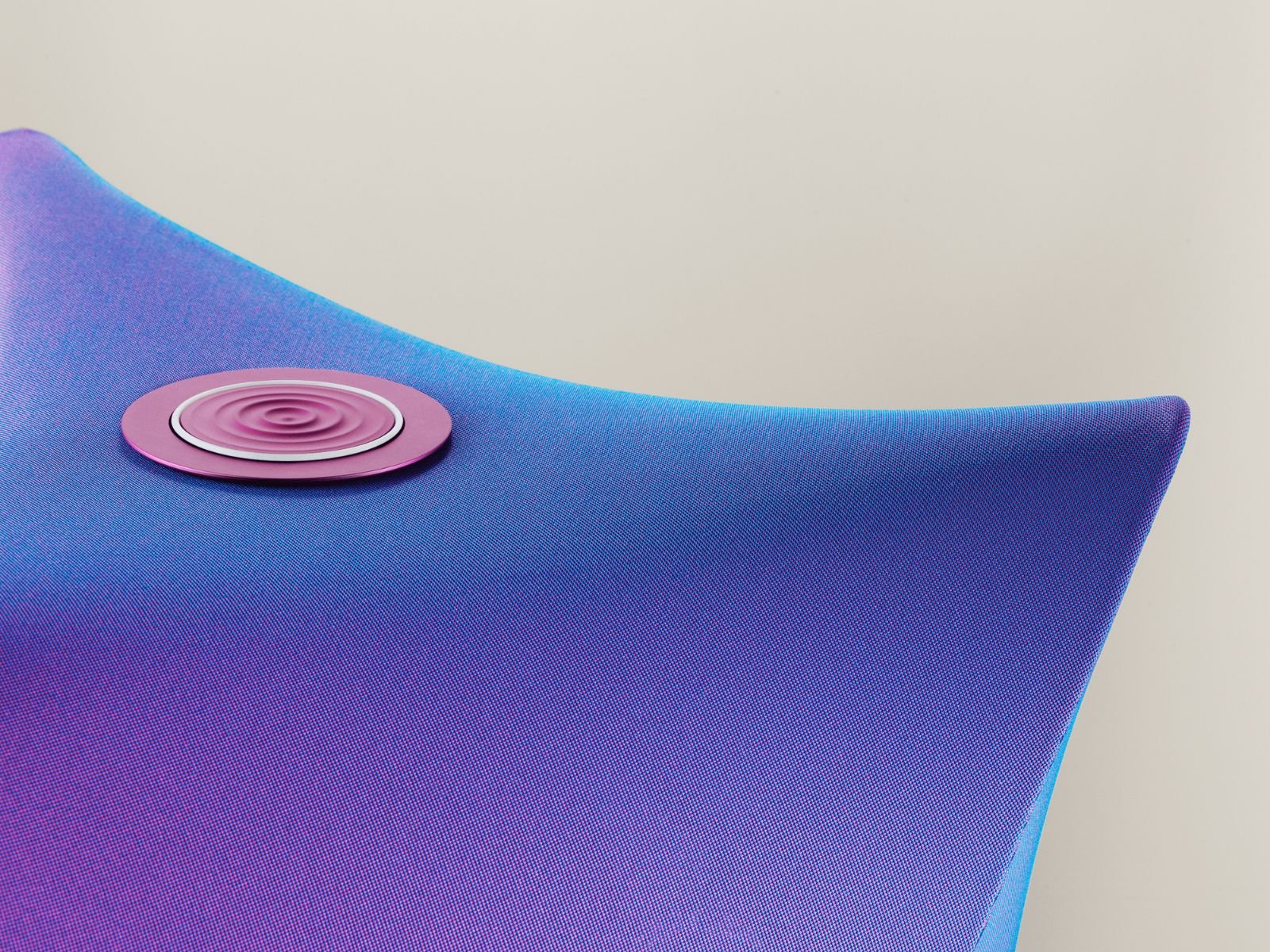
Creating the Mirage Edition required a completely different approach from Shadow. Instead of exposing more of the engineering underneath, Bang & Olufsen turned its attention to the Beolab 90’s aluminum surfaces, developing a bespoke gradient anodization that flows from blue into magenta across the speaker. More importantly, this isn’t a printed finish or a simple coat of paint — B&O says it performs the anodization entirely by hand, making the colour treatment part of the craftsmanship itself.

That work takes place at Bang & Olufsen’s Factory 5, where specialists meticulously apply the gradient to the aluminum components. Getting that transition right across the Beolab 90’s complex collection of surfaces gives Mirage its iridescent character, with the colour appearing to change as you walk around the speaker or as the room light shifts.

The aluminum is then paired with iridescent fabric, while five precision-milled panels add another layer of detail with textured surfaces designed to echo the movement of sound. Rather than treating those materials as separate decorative pieces, the idea is to make the entire exterior work together, so the speaker seems almost different depending on the angle from which you’re looking at it.

That’s what makes Mirage such a good opposite to Shadow. One uses dark metal and carbon fibre to draw your attention to the engineering underneath, while the other uses hand-finished aluminum, texture, and shifting colour to make the outside the main event. Both start with the same Beolab 90, but the work that goes into their surfaces makes them feel like two completely different objects.
Bang & Olufsen The Shadow Edition | Image: Bang & Olufsen

The Shadow Edition & Mirage Edition Specifications

Underneath their completely different finishes, both editions are still built around the same Beolab 90 platform. That means 18 bespoke drivers per speaker, 8,200 watts of amplification, Advanced Active Room Compensation and B&O’s Beam Width and Beam Direction controls remain at the heart of both versions.

  • Model: Beolab 90 (Atelier Editions)
  • Editions: Shadow & Mirage
  • Series: Five-Part Atelier Centenary Collection
  • Drivers: 18 bespoke drivers per loudspeaker
  • Amplification: 8,200 watts per loudspeaker
  • Technology: Advanced Active Room Compensation, Beam Width Control & Beam Direction Control
  • Materials (Shadow): Black-coated stainless-steel mesh, carbon fibre & aluminium
  • Materials (Mirage): Iridescent fabric & gradient-anodised aluminium
  • Mirage Detailing: Hand-applied blue-to-magenta gradient finish
  • Production: 10 pairs per edition
  • Extras: Certificate of Authenticity & matching miniature aluminium Beolab 90 sculpture
  • Price: USD $450,000 per pair

The core Beolab 90 specifications are confirmed directly by Bang & Olufsen, including the 18-driver configuration and 8,200-watt amplifier output, while B&O also confirms Shadow’s custom black stainless-steel mesh and Mirage’s hand-applied blue-to-magenta anodization.
Bang & Olufsen The Shadow Edition
Bang & Olufsen The Shadow Edition | Image: Bang & Olufsen

price & Availability

Neither the Shadow nor Mirage Edition targets the average hi-fi setup. Each is limited to just 10 pairs, putting them firmly in collector territory, while the wider Beolab 90 Atelier series celebrates Bang & Olufsen’s 100th anniversary through extremely limited interpretations of its flagship loudspeaker.

With reported pricing reaching well into six figures, these are as much collectible design objects as they are loudspeakers. For most of us, Shadow and Mirage will remain firmly in the “nice to look at” category, but that’s almost beside the point — they show what happens when Bang & Olufsen takes an already outrageous Beolab 90 and decides that, for its 100th birthday, outrageous simply wasn’t quite enough
Bang & Olufsen The Mirage Edition
Bang & Olufsen The Mirage Edition | Image: Bang & Olufsen
Bang & Olufsen The Mirage Edition
Bang & Olufsen The Mirage Edition | Image: Bang & Olufsen
Bang & Olufsen The Shadow Edition
Bang & Olufsen The Shadow Edition | Image: Bang & Olufsen
SpeakersBang & Olufsen
About the Author

Related Articles

Watches

Piaget’s Newest Polo 79 Is a Rhapsody in Blue With a Midnight Blue Sodalite Dial

Reading Time: 6 minutes

Our team of editors and experts thoughtfully chooses each product. If you decide to buy through one of our links, we may earn a commission. Learn more. Want to know how we test products? Click here for more details.

  • Piaget introduces the Polo 79 in 18K white gold, featuring its first contemporary midnight-blue sodalite dial.
  • The natural sodalite stone ensures that every dial is completely unique, thanks to its distinctive white veining.
  • An ultra-thin self-winding Calibre 1200P1 powers the watch with a 44-hour power reserve.
  • Piaget’s signature gadroons flow seamlessly across the bracelet, case, and dial, preserving the Polo 79’s iconic design.

When Piaget introduced the Polo in 1979, it wasn’t following the direction of the watch industry—it was creating its own. At a time when stainless-steel sport-luxury watches were becoming the defining trend, the Maison unveiled a watch crafted entirely in gold, marking the first time a Piaget timepiece bore an official model name. Inspired by Yves G. Piaget’s love of polo and refined living, the Polo quickly became an emblem of 1980s glamour, worn by icons such as Andy Warhol and Ursula Andress, and established itself as one of the most distinctive luxury watches of its era.

Yves G. Piaget perfectly captured the philosophy behind the collection when he said, “The entire philosophy behind the Piaget Polo can be summed up in a single sentence: it is a bracelet featuring a watch, not a watch featuring a bracelet…” That idea continues to define the Polo today. Its signature gadroons flow seamlessly across the bracelet, case and dial, blurring the line between jewellery and watchmaking in a way few timepieces have managed before or since.

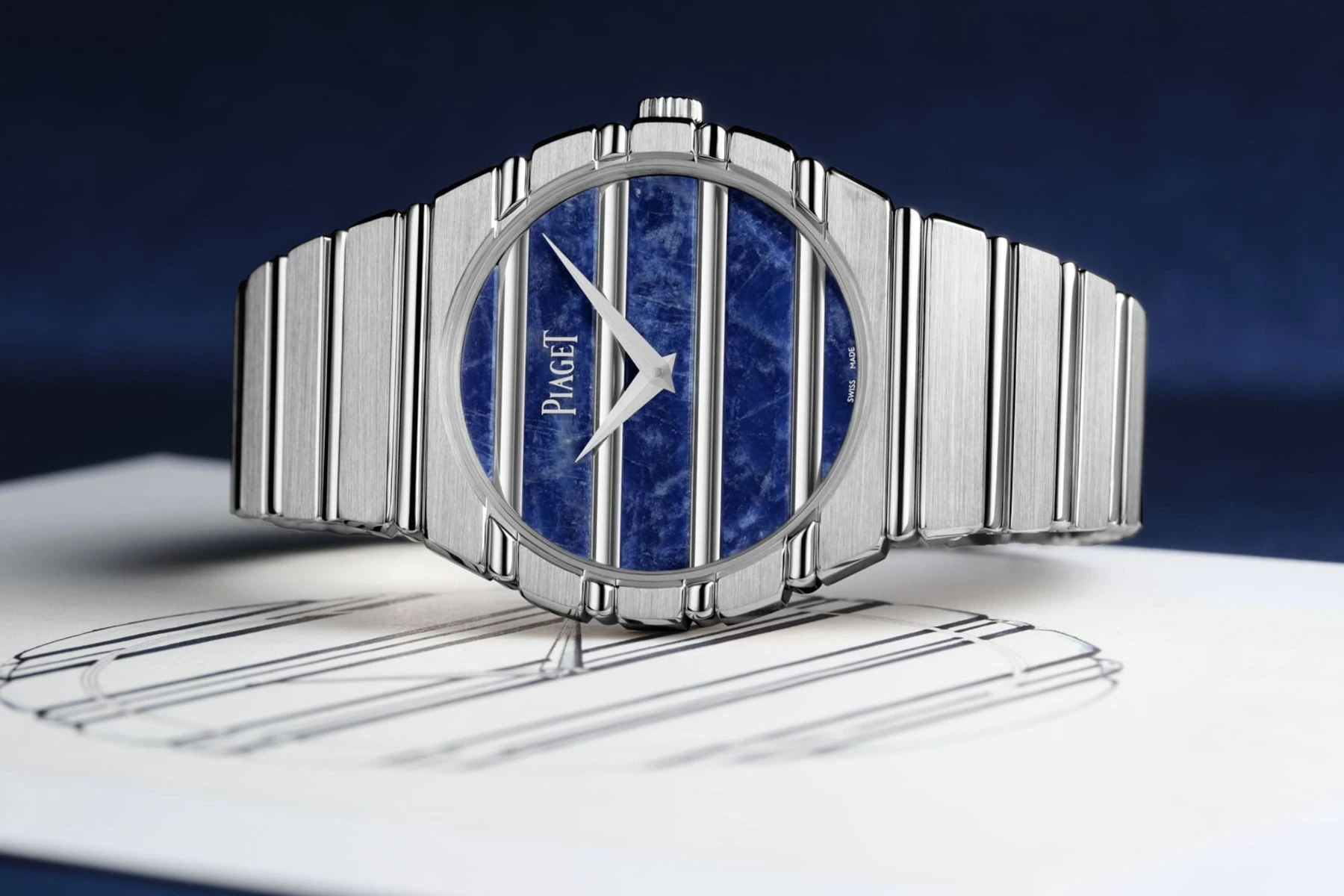
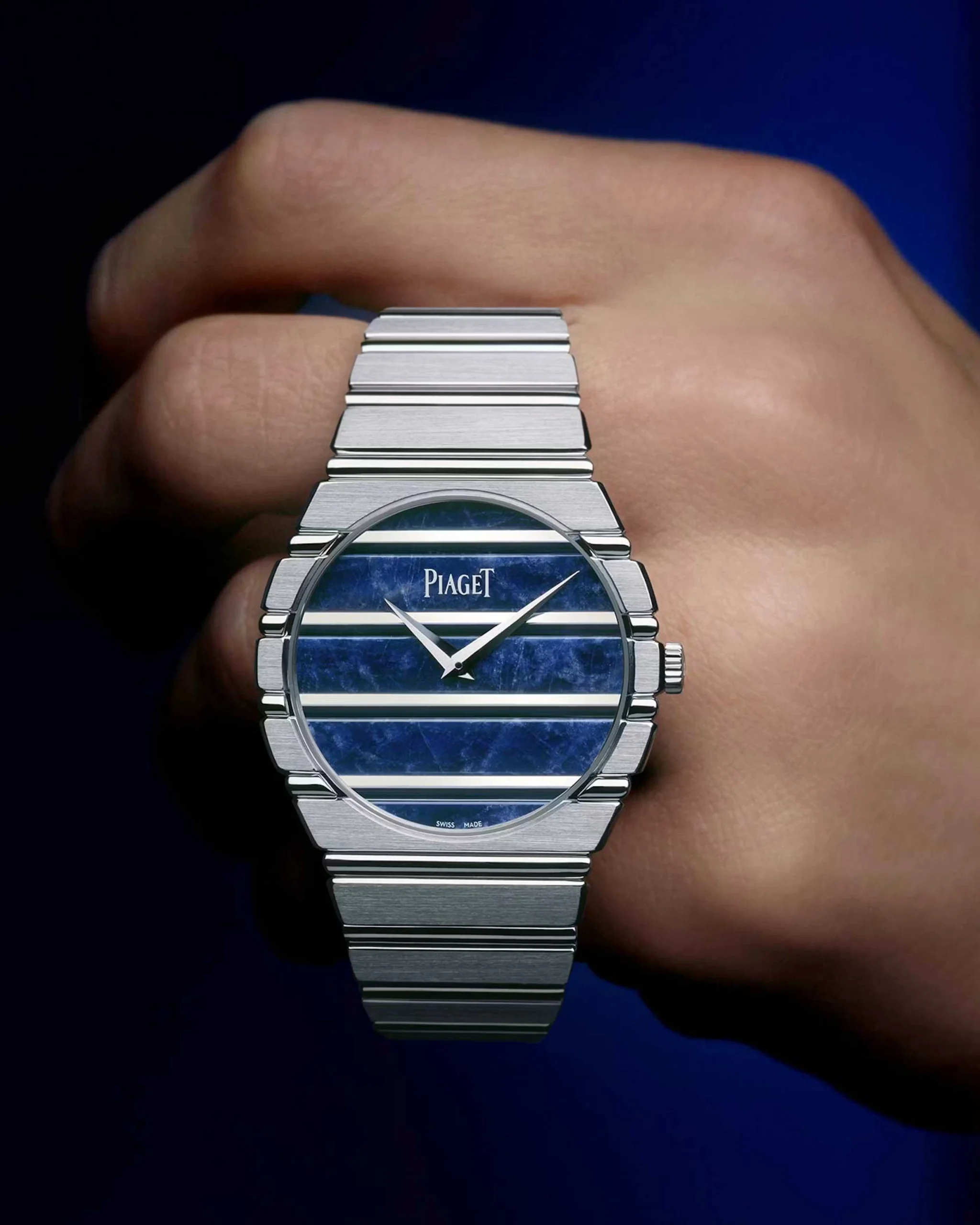
Now, at Watches and Wonders 2026, Piaget returns to one of its greatest icons with a fresh interpretation of the Polo 79. Crafted in 18K white gold and paired with a striking midnight blue sodalite dial—the first ornamental stone ever used on the modern Polo 79—the latest release celebrates the Maison’s heritage while giving one of its most recognizable designs an entirely new character.

Piaget Polo 79 Ref. G0A51151
Piaget Polo 79 in Blue Sodalite Ornamental Stone Dial | Image: Piaget

The Piaget Polo 79 Finds Its Heart in Stone

The latest Piaget Polo 79 continues the story of one of the Maison’s most celebrated creations, but this time it embraces another signature that has long been part of Piaget’s identity—ornamental stone. Following the return of the yellow gold Polo 79, the white gold edition and, more recently, the two-tone interpretation, Piaget has introduced the first contemporary Polo 79 to feature a natural stone dial. It’s a fitting evolution for a brand that has spent decades transforming colourful minerals into works of wearable art.

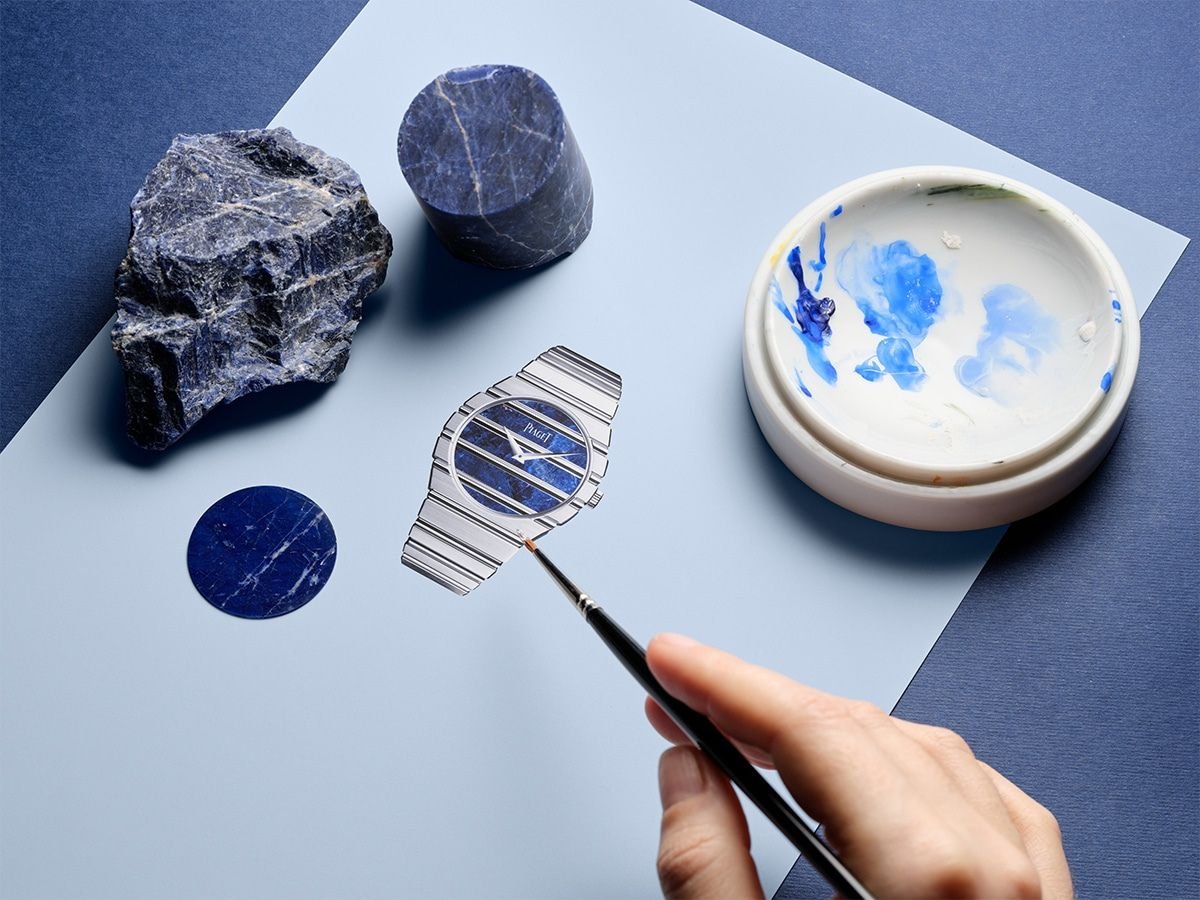
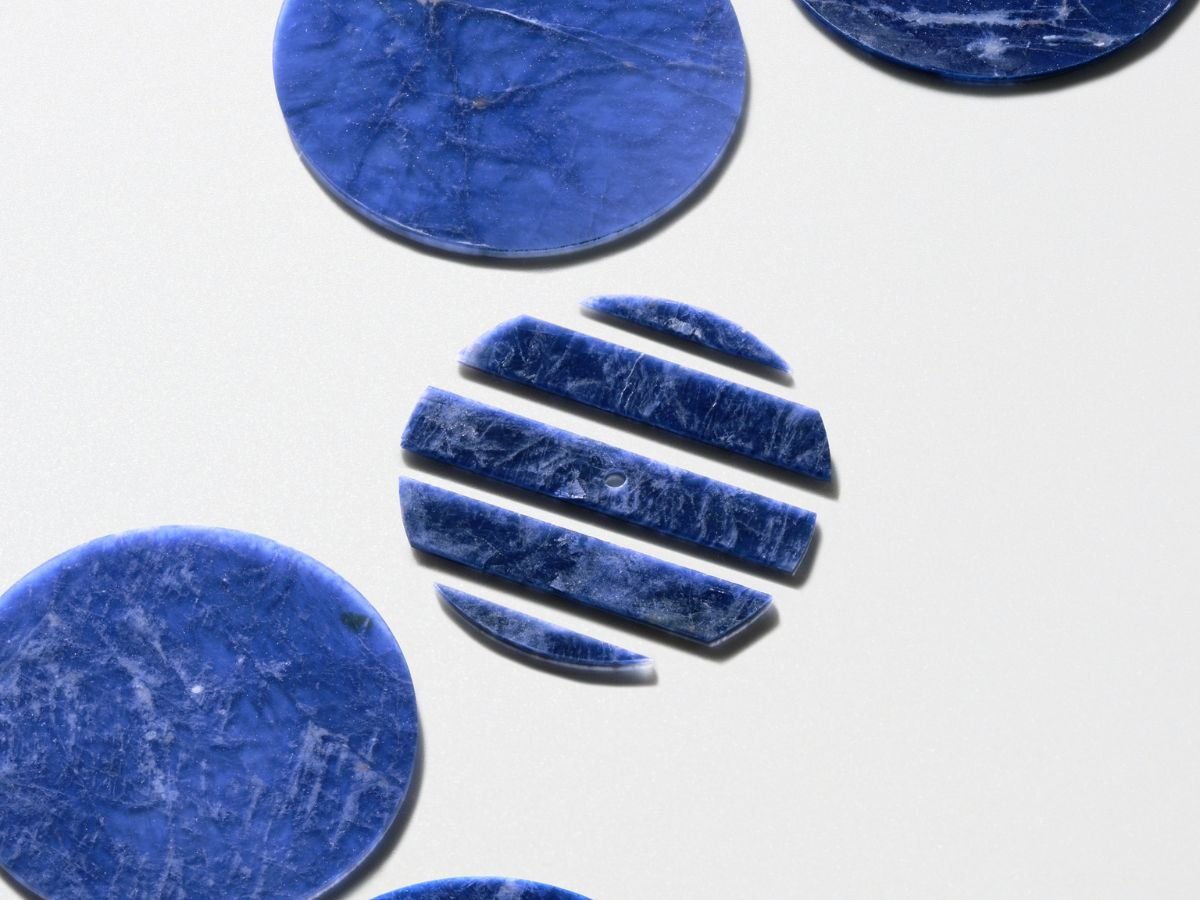
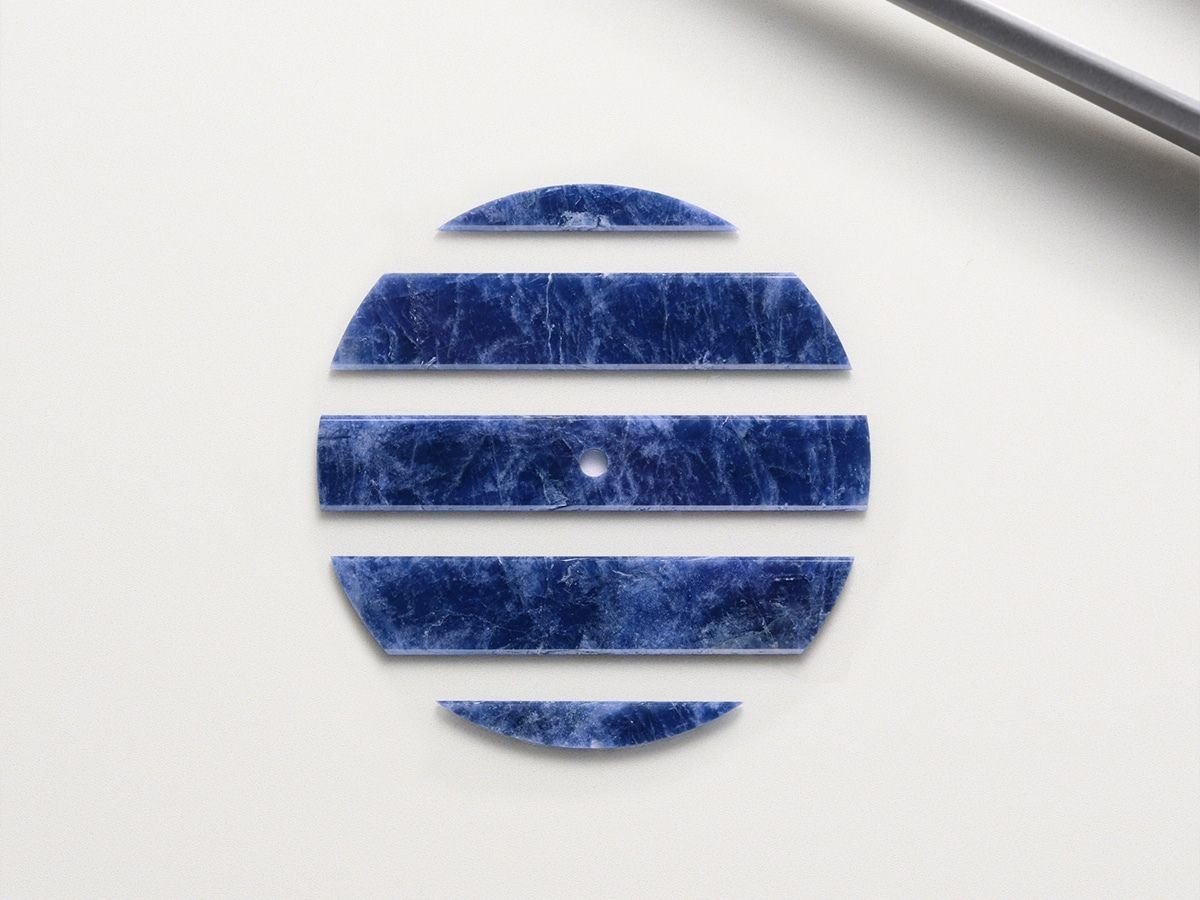
For collectors, the use of ornamental stone is nothing new. Vintage Piaget Polo models were available with striking dials crafted from materials such as onyx and lapis lazuli, and that rich heritage still continues, now adding the midnight blue sodalite to the lineup. The deep blue tones are threaded with natural white veining, giving each piece of sodalite its own distinctive pattern, meaning no two Polo 79 dials are identical. It’s a subtle detail, but one that gives each watch its own personality.

Piaget Polo 79 Ref. G0A51151
Piaget Polo 79 in Blue Sodalite Ornamental Stone Dial | Image: Piaget

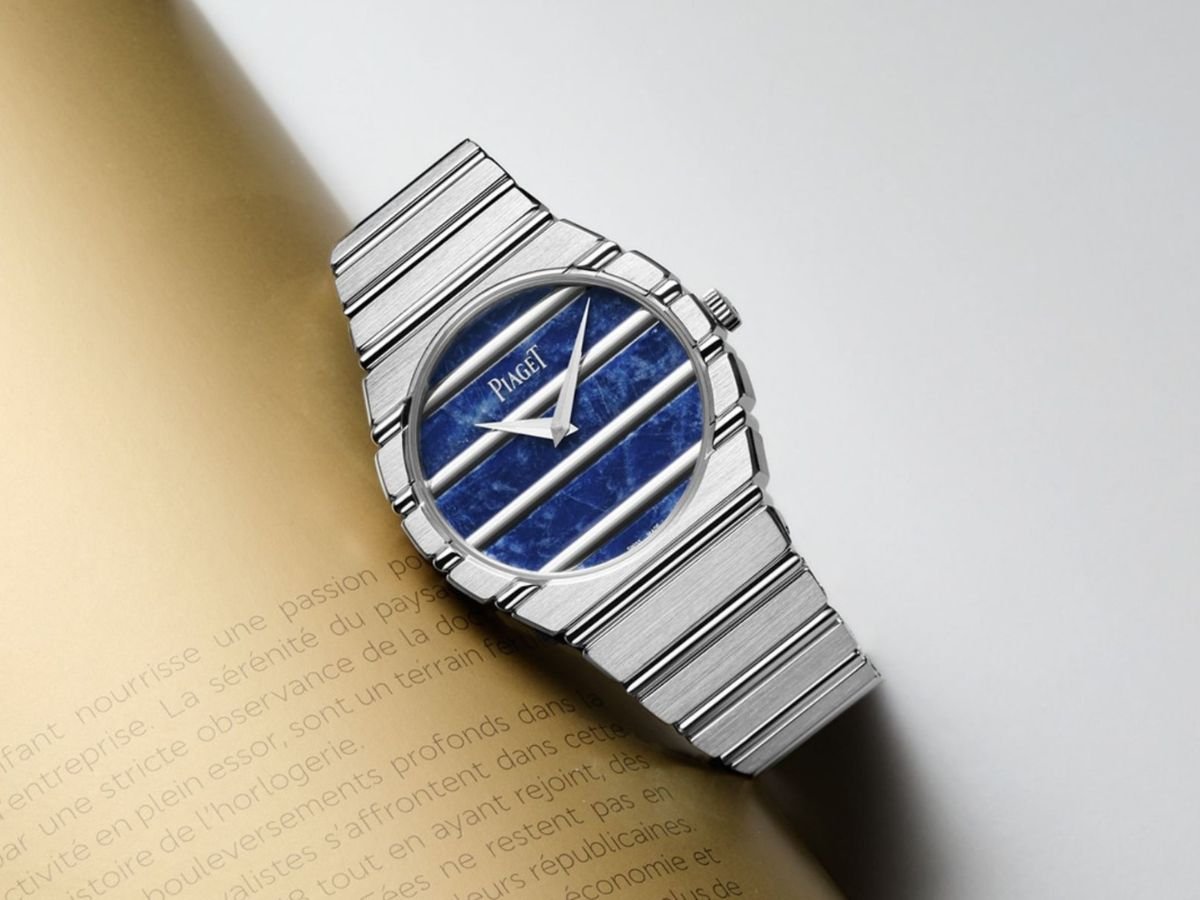
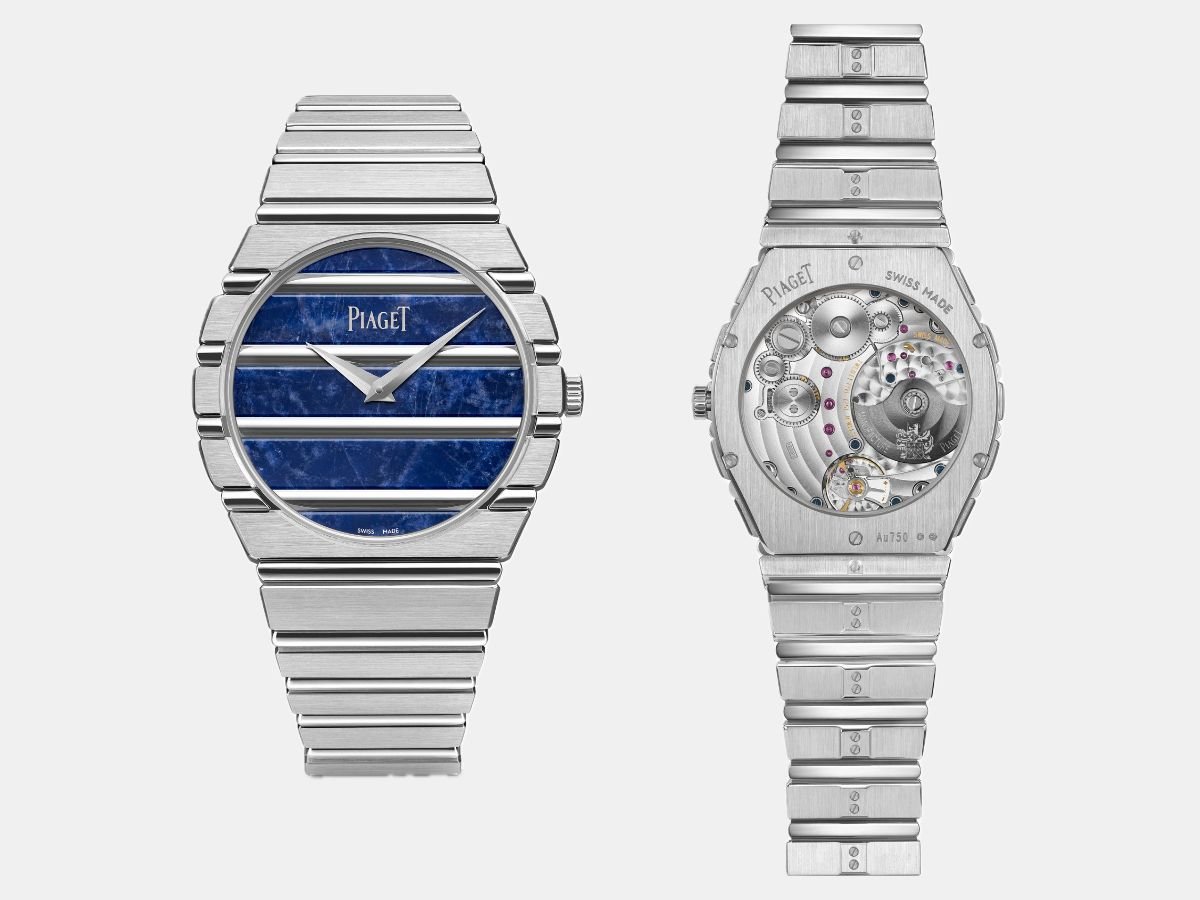
Instead of putting the stone inside a regular dial, Piaget has carefully set the precisely cut sodalite between the Maison’s signature 18K white gold gadroons. The flowing ridges continue uninterrupted across the bracelet, case, and dial, while the contrasting mineral surface adds extra texture and depth without changing the Polo’s shape.

More than just a new colour, the sodalite dial celebrates two qualities that have defined Piaget for generations: a mastery of ornamental stones and an unwavering eye for design. By bringing those traditions together in the modern Polo 79, the Maison has created a watch that honours its past while giving one of its greatest classics a fresh expression for a new generation of collectors.

Piaget Polo 79 Ref. G0A51151
Piaget Polo 79 in Blue Sodalite Ornamental Stone Dial | Image: Piaget
Piaget Polo 79 Ref. G0A51151
Piaget Polo 79 in Blue Sodalite Ornamental Stone Dial | Image: Piaget

Effortless Elegance in White Gold

The Piaget Polo 79 is known for its classic design, and, with that said, the newest version keeps that same heritage alive. With its 38 mm diameter and a slim 7.45 mm profile, it retains the elegant look that has defined the modern Polo 79. The 18K white gold bracelet blends smoothly into the case, and the mix of satin-brushed and polished details creates a gentle play of light, giving the watch its unique, architectural style.

Powering the Polo 79 is Piaget’s ultra-thin Manufacture Calibre 1200P1, a self-winding movement measuring only 2.35 mm in thickness. Descended from the legendary 12P calibre introduced in 1960, the movement features an off-centred 22-carat gold micro-rotor, beats at 21,600 vibrations per hour (3 Hz) and delivers a 44-hour power reserve. Visible through the sapphire crystal caseback, it’s finished with circular Côtes de Genève, bevelled bridges, blued screws and perlage, reflecting Piaget’s long-standing expertise in ultra-thin watchmaking.

Practicality hasn’t been overlooked either. The Polo 79 offers 5 bar (50 metres) of water resistance and is secured by an integrated 18K white gold bracelet with a triple-folding clasp. Combined with the slim case and the rich blue sodalite dial, the result is a watch that feels every bit as refined as its predecessor while introducing an entirely new personality through its choice of materials. It’s another reminder that the Polo 79 has never relied on complicated displays or bold styling to stand out—its strength has always been found in proportion, craftsmanship and timeless design.

Piaget Polo 79 in Blue Sodalite Ornamental Stone Dial | Image: Piaget

A Modern Heritage That Stays True to Its Roots

  • Brand: Piaget
  • Model: Polo 79
  • Reference: G0A51151
  • Diameter: 38 mm
  • Thickness: 13 mm
  • Material: White Gold
  • Dial: blue sodalite ornamental stone
  • Calibre: Ultra-thin self-winding movement 1200P1 with a micro-rotor
  • Power Reserve: 44 Hours
  • Water-Resistance: 5 Bar (50 metres, 165 feet)
  • Price: USD $101,000

Some watches evolve by adding complications or by completely changing their design. The Piaget Polo 79 takes a different approach. By introducing a midnight-blue sodalite dial, Piaget has given one of its most celebrated creations a fresh identity while preserving everything that made the original a design icon. The natural stone, flowing white-gold gadroons, and ultra-thin movement come together to create something unmistakably Piaget—elegant, refined, and unlike anything else we’ve seen on the market so far.

With a retail price of USD $101,000, the Piaget Polo 79 Sodalite is aimed squarely at collectors who appreciate exceptional craftsmanship and timeless design. This is easily one of my favourites from Watches and Wonders 2026, simply because Piaget stayed true to the original Polo 79 while introducing something completely fresh with the midnight-blue sodalite dial. It’s elegant and classic, and everything that says about its heritage. All of that comes from a single material, which can completely transform an icon’s personality. If this is the direction Piaget continues to take with the Polo 79, we’re all for it.

Piaget Polo 79 Ref. G0A51151
Piaget Polo 79 in Blue Sodalite Ornamental Stone Dial | Image: Piaget

Watches & WondersPiaget
About the Author
arrow_drop_up