




Audio

Bang & Olufsen Celebrates 100 Years With Ultra-Rare Beolab 90 Shadow and Mirage Editions

Reading Time: 7 minutes

Share via

Our team of editors and experts thoughtfully chooses each product. If you decide to buy through one of our links, we may earn a commission. Learn more. Want to know how we test products? Click here for more details.

  • Bang & Olufsen has unveiled the Beolab 90 Shadow and Mirage Editions as part of its 100th-anniversary Atelier collection.
  • Shadow swaps the traditional fabric covers for black-coated stainless-steel mesh, revealing glimpses of the 18-driver hardware underneath.
  • Mirage goes in the opposite direction with a hand-applied anodized finish that shifts from blue to magenta, completed by specialists at B&O’s Factory 5.
  • Underneath the Atelier finishes, both remain Beolab 90s, packing 18 drivers with Beam Width, Beam Direction & Active Room Compensation technology.

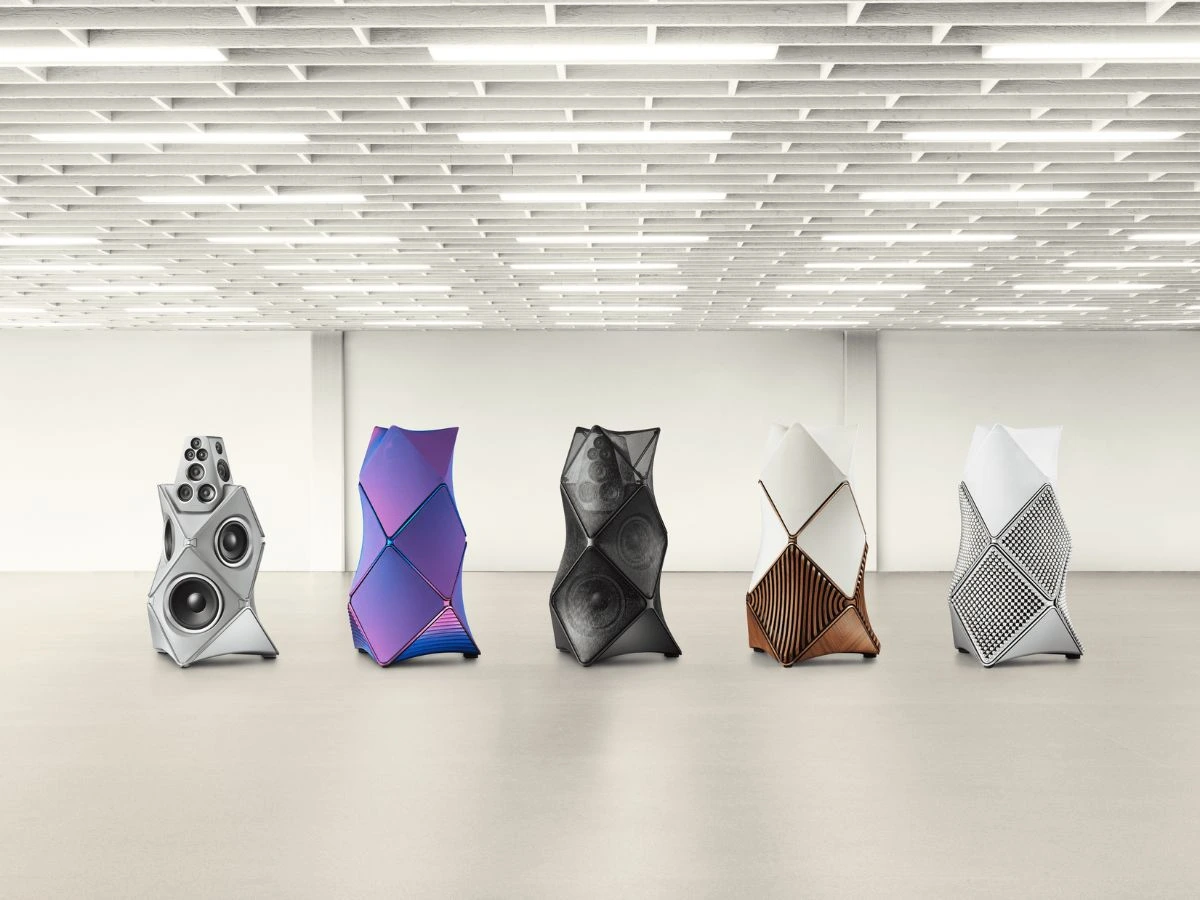
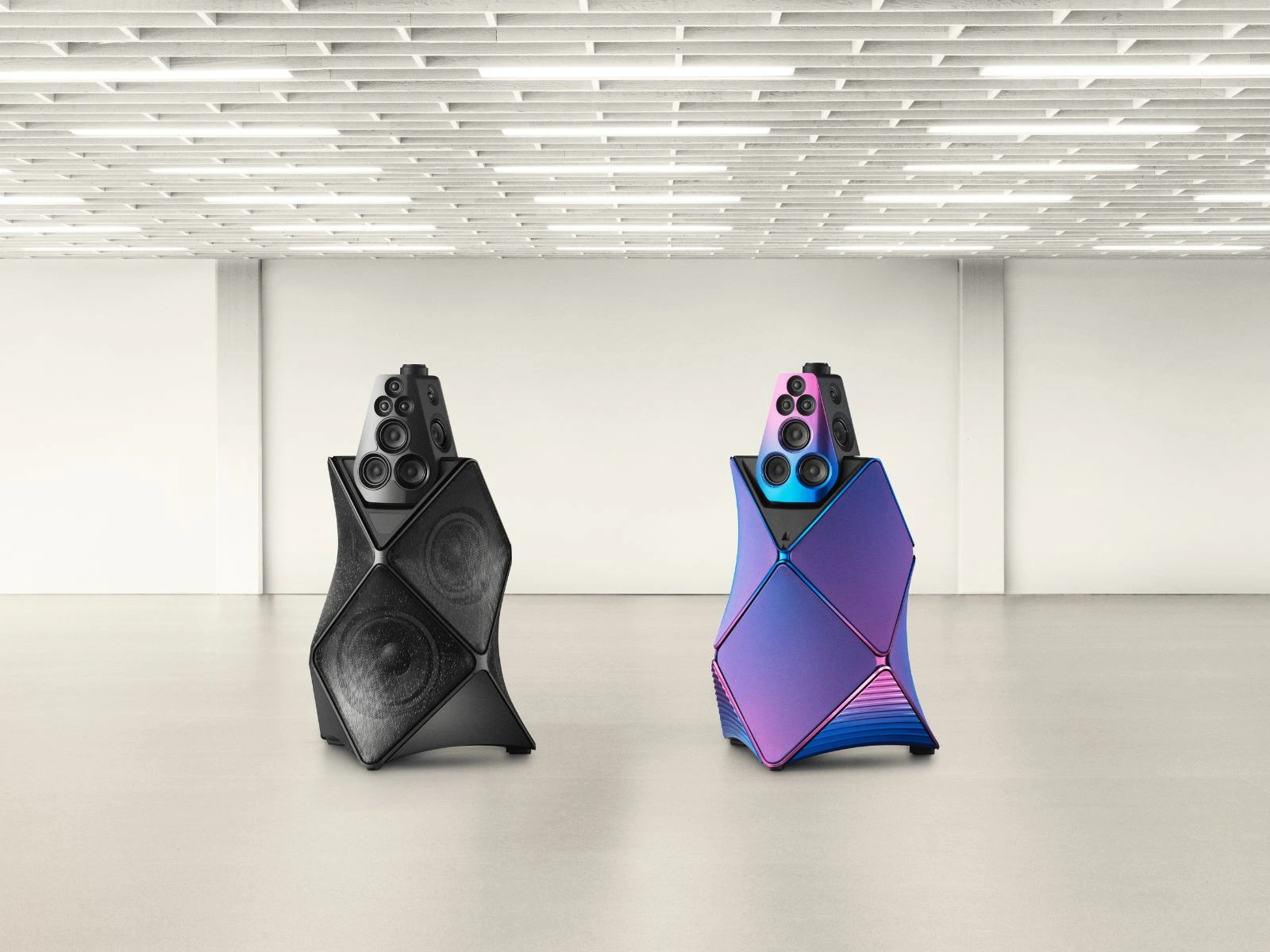
Bang & Olufsen has never been interested in making speakers that simply disappear into a room corner. The Danish brand has spent a century turning audio equipment into design pieces in their own right, and for its 100th anniversary, it has taken that philosophy to one of its wildest creations yet: the Beolab 90. The Shadow and Mirage Editions are two very different interpretations of the same uncompromising flagship speaker, handcrafted as part of B&O’s centenary Atelier collection and limited to just 10 pairs each.

That puts them firmly into collector territory before we even get to what Bang & Olufsen has actually done to them. Shadow takes the Beolab 90 somewhere darker, replacing its familiar fabric covers with black-coated stainless-steel mesh that lets you glimpse the drivers underneath. Mirage goes the other way, pairing iridescent fabric with hand-finished aluminum that shifts from blue to magenta as you move around it. Same Beolab 90 underneath, but two very different ways to make sure nobody ignores it.
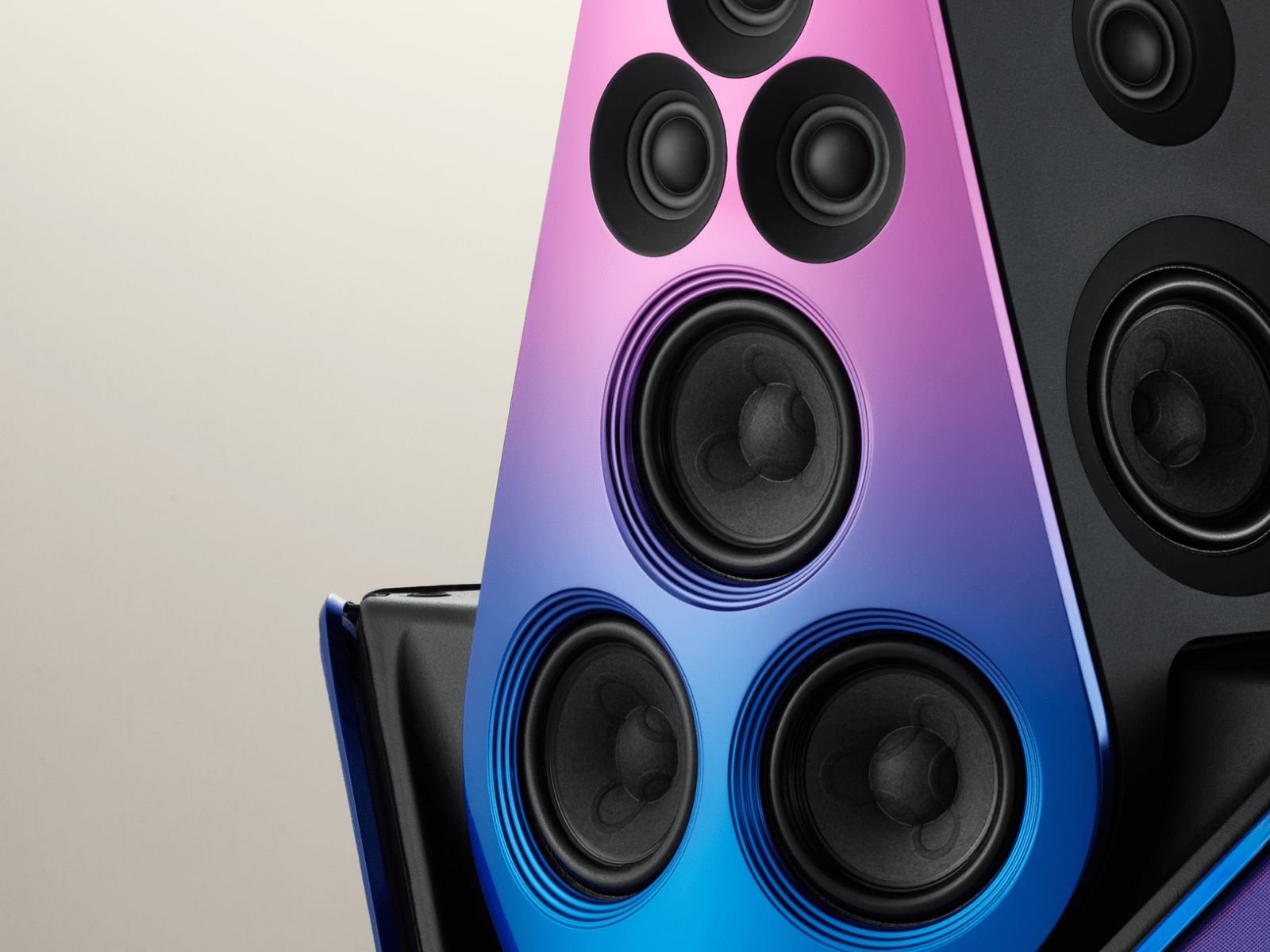
Bang & Olufsen The Mirage Edition
Bang & Olufsen The Mirage Edition | Image: Bang & Olufsen

Five Beolab 90s for 100 Years of Bang & Olufsen

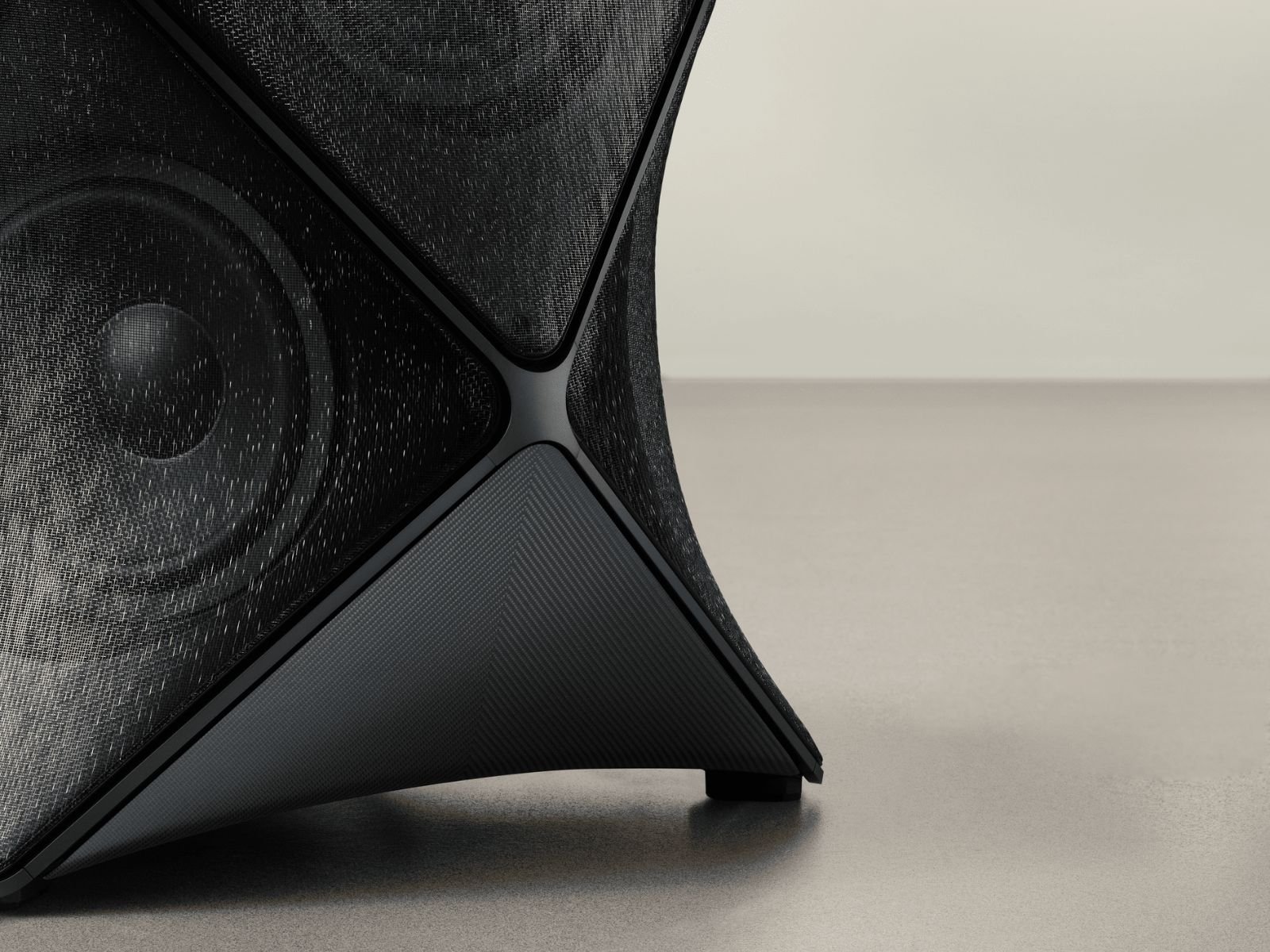
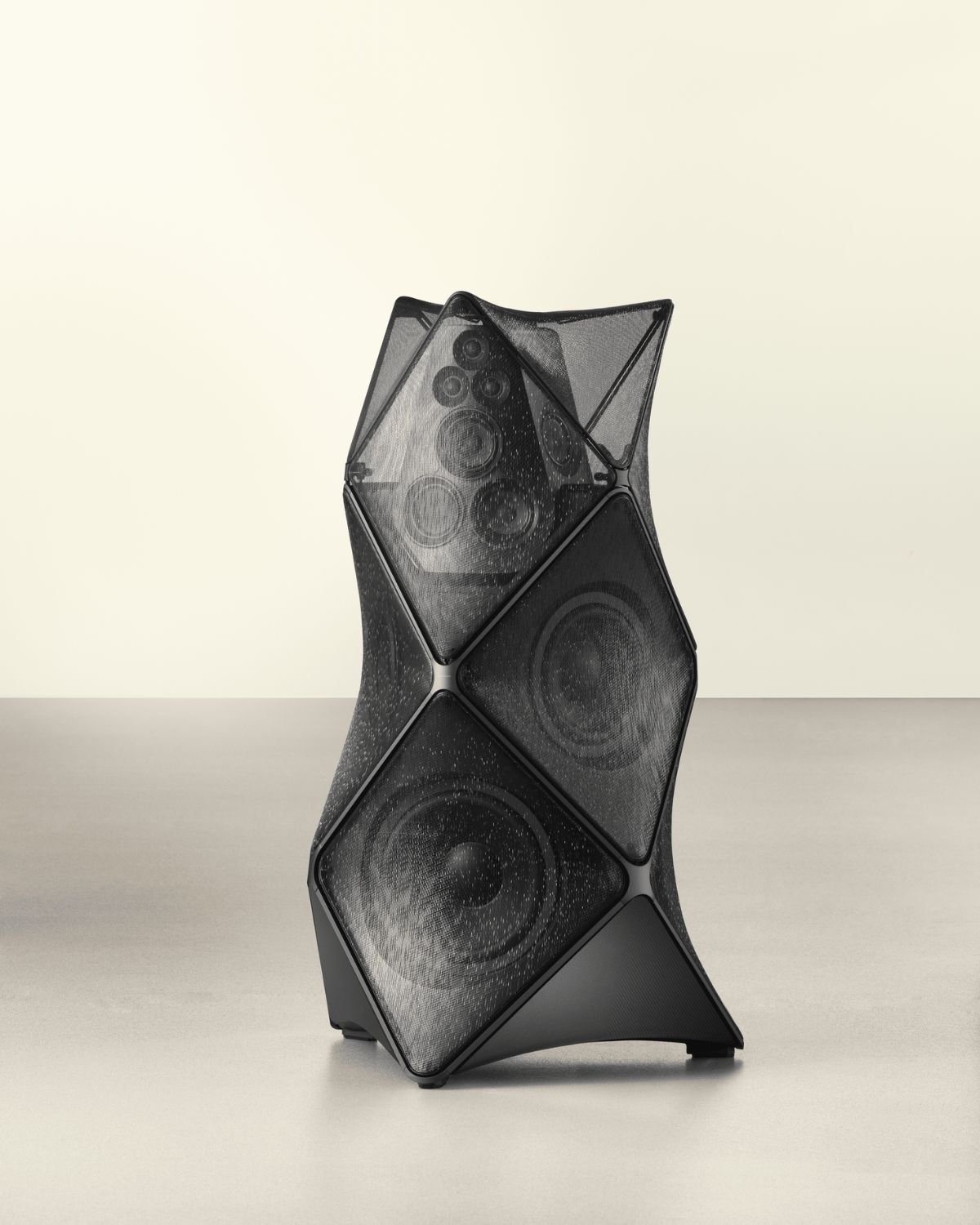
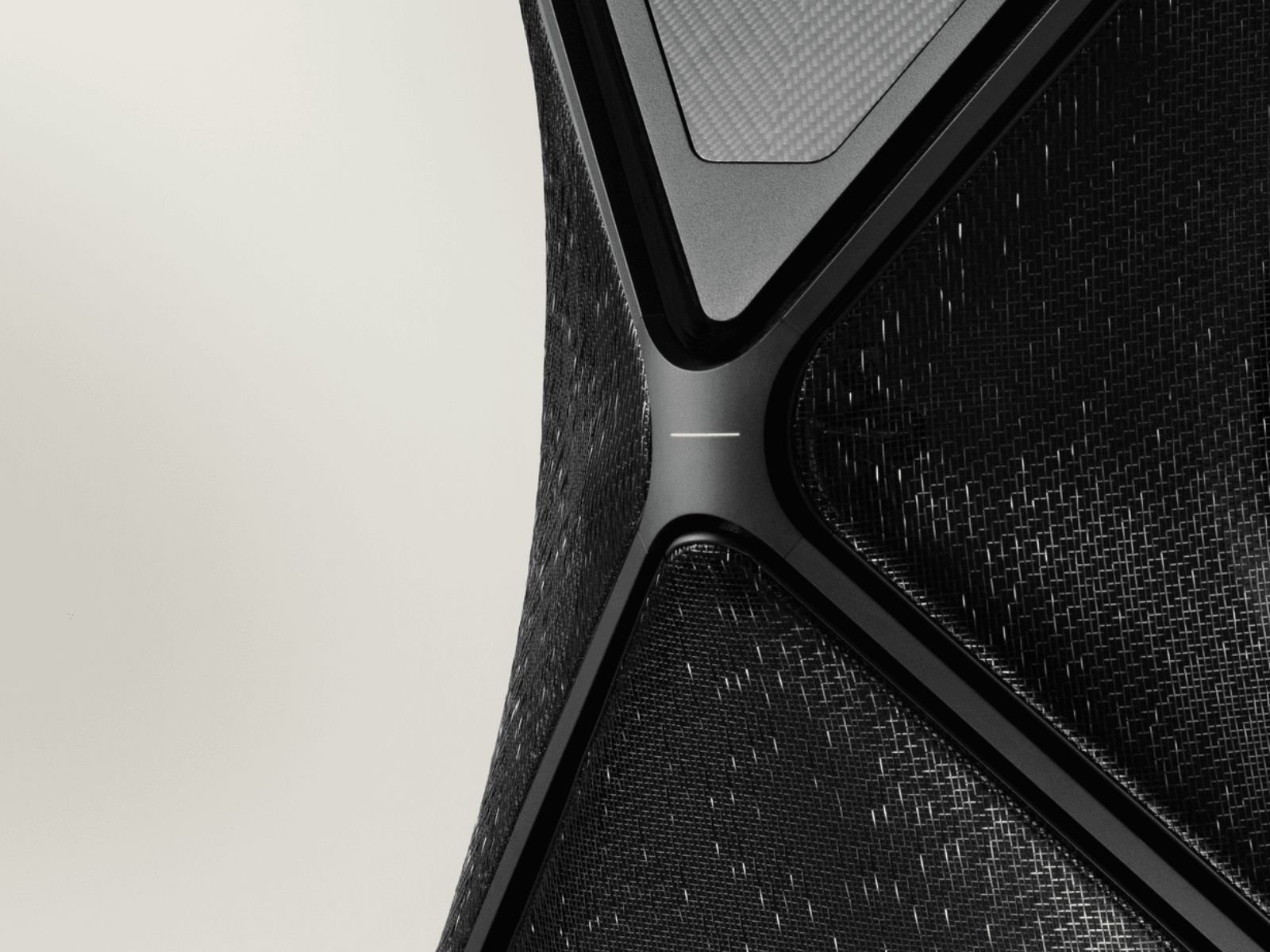
The Shadow Edition is easily the moodier of the two. Bang & Olufsen replaces the Beolab 90’s traditional fabric covers with a specially developed black-coated stainless-steel mesh, creating a semi-transparent surface that lets you glimpse the powerful drivers underneath. B&O describes the effect as almost holographic, changing depending on the light and where you’re standing.

Carbon fibre adds another layer to the design, giving Shadow a more technical character that feels closer to the performance-car world than your average piece of home audio. Rather than covering up all the engineering packed inside the Beolab 90, the dark metal mesh deliberately puts some of it on display — which feels particularly fitting for a speaker this technically ambitious.

That’s ultimately what makes Shadow work. It doesn’t completely reinvent the Beolab 90 or bury its already wild shape under unnecessary decoration; it simply makes the whole thing darker, sharper and a little more sinister. Calling an 8,200-watt Beolab 90 subtle would still be pushing things, but Shadow might be about as close as it’s ever going to get.
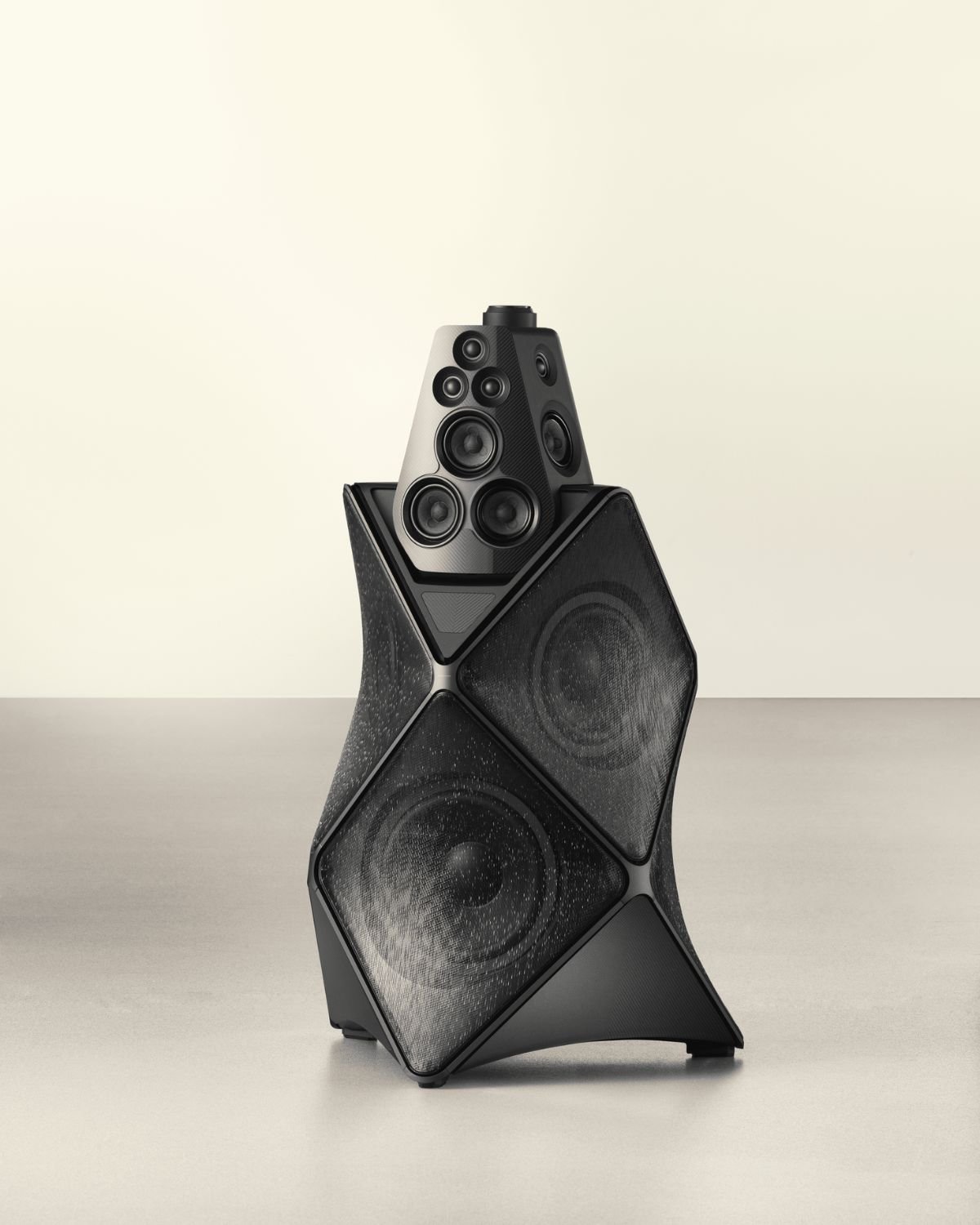
Bang & Olufsen The Shadow Edition
Bang & Olufsen The Shadow Edition | Image: Bang & Olufsen
Bang & Olufsen The Shadow Edition
Bang & Olufsen The Shadow Edition | Image: Bang & Olufsen

The Shadow Edition

Creating the Shadow Edition meant rethinking one of the Beolab 90’s most recognizable parts: its fabric-covered exterior. Bang & Olufsen replaced those traditional covers with a custom-designed stainless-steel mesh finished in black, wrapping the speaker’s complex silhouette in metal while still letting some of the engineering underneath remain visible. B&O says it’s a material developed specifically for this edition, giving the surface an almost holographic quality as the drivers appear and disappear depending on the light and where you’re standing.

Carbon fibre is then layered into the exterior, adding another highly technical material to a speaker already packed with serious engineering. Rather than using all that carbon simply for decoration, the treatment gives Shadow a motorsport-like character, contrasting against the metal structure underneath and making the construction itself part of what you’re looking at.

The clever part is that none of this hides what the Beolab 90 actually is. Shadow essentially takes the speaker apart visually, then builds its appearance back up around the hardware, leaving just enough exposed through that black mesh to remind you there are 18 drivers underneath. It’s darker and more aggressive than the standard Beolab 90, but the craftsmanship really shows in how B&O uses those materials to highlight the engineering rather than cover it up.
Bang & Olufsen The Mirage Edition
Bang & Olufsen The Mirage Edition | Image: Bang & Olufsen
Bang & Olufsen The Mirage Edition
Bang & Olufsen The Mirage Edition | Image: Bang & Olufsen

The Mirage Edition

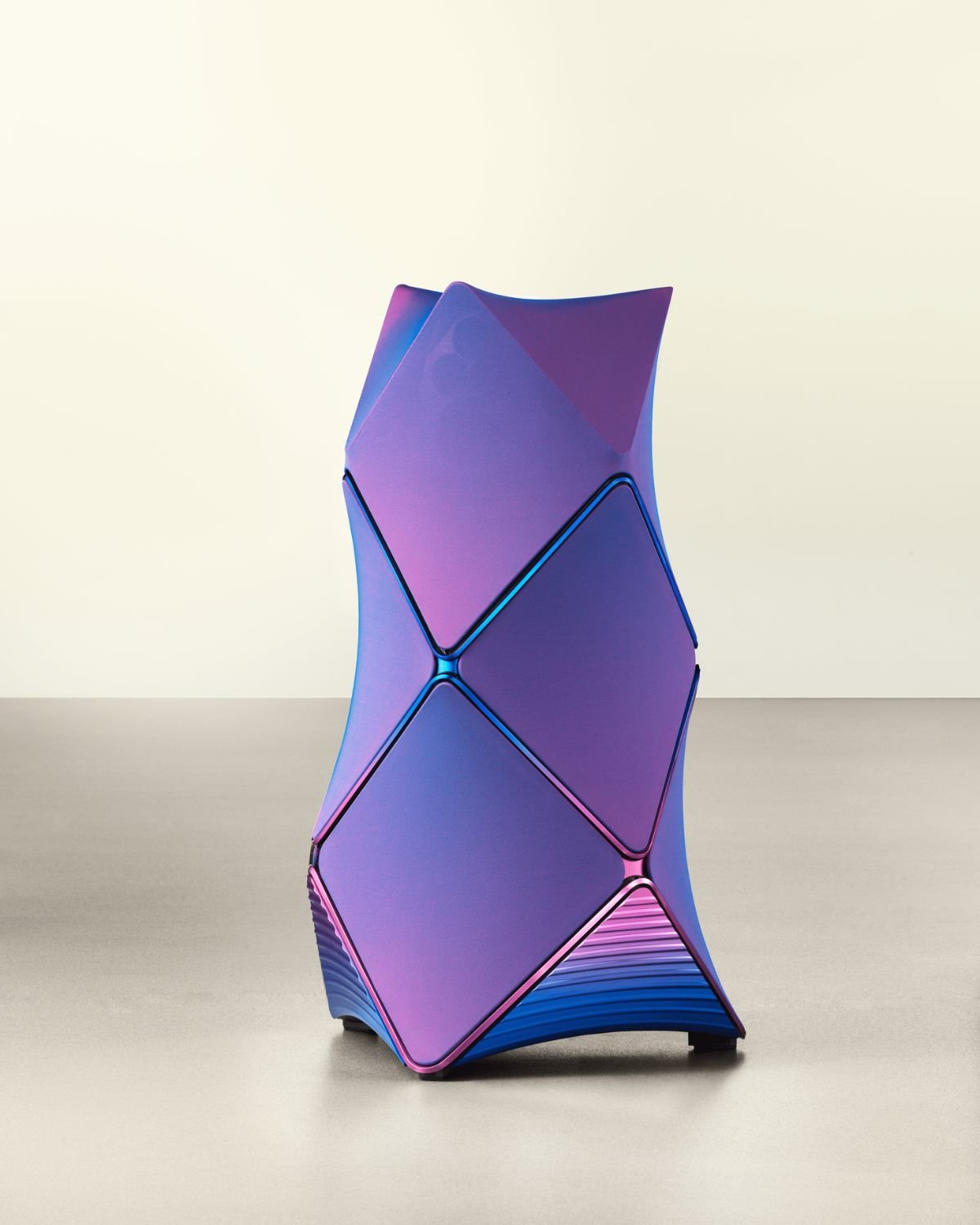
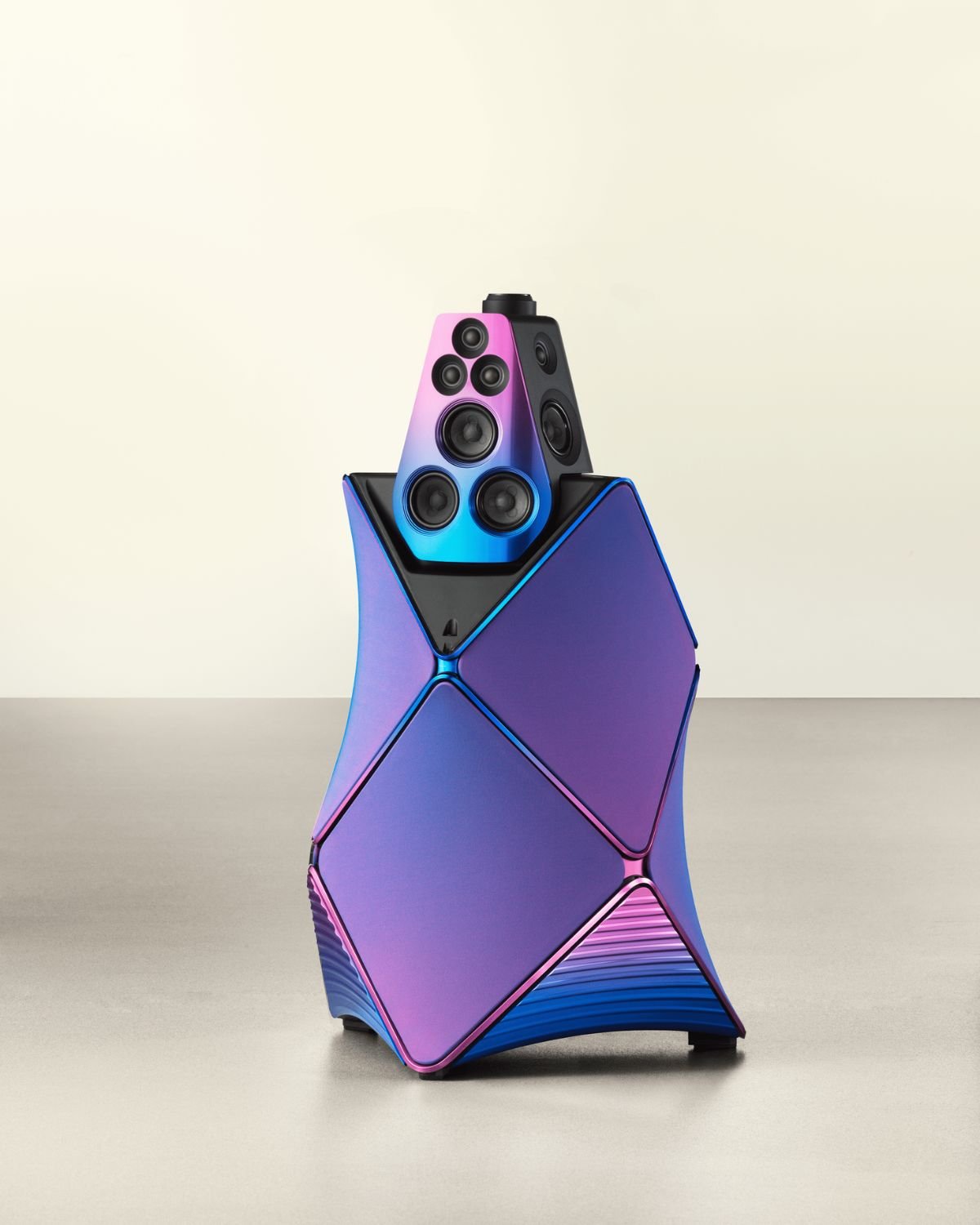
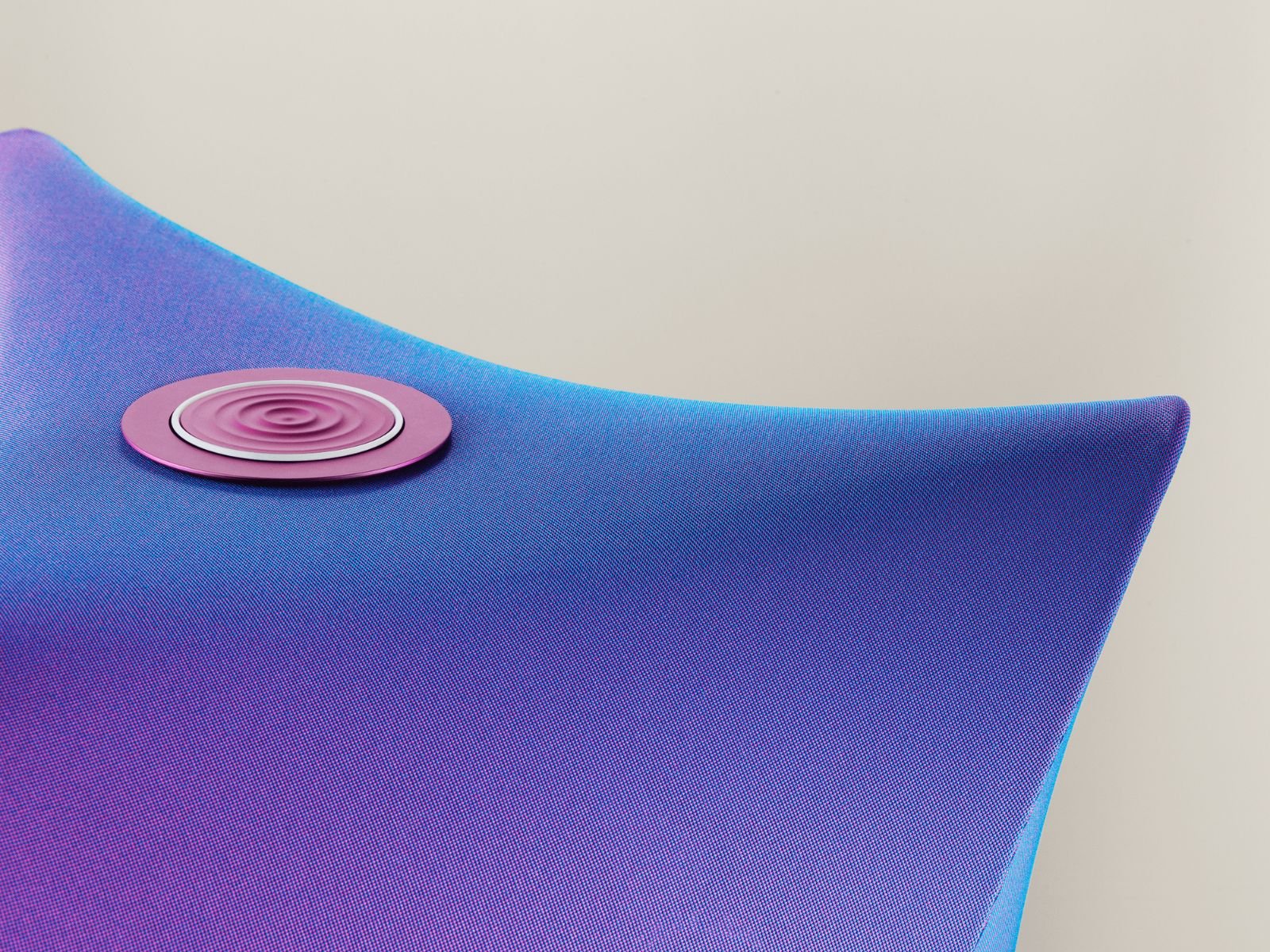
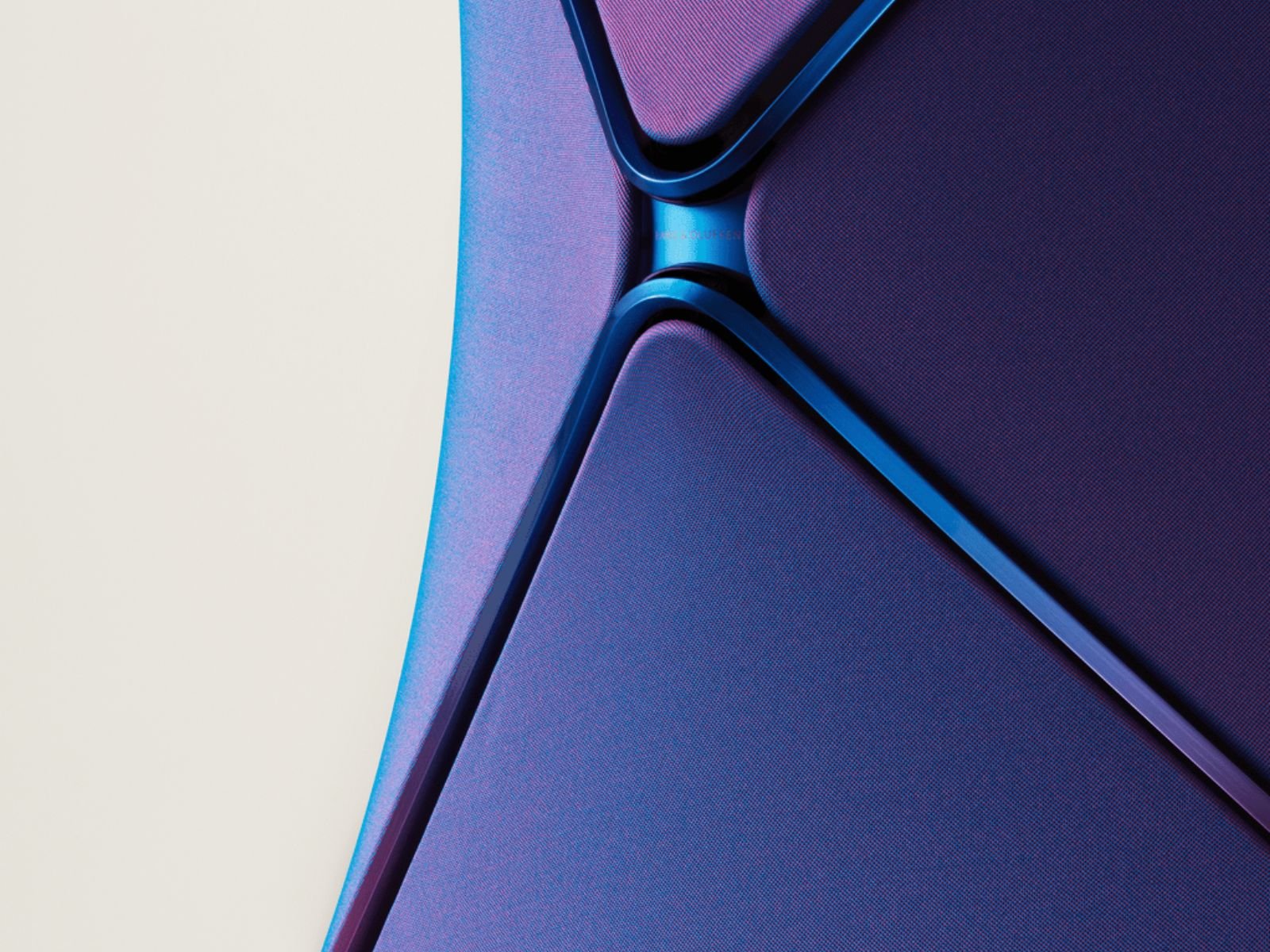
Creating the Mirage Edition required a completely different approach from Shadow. Instead of exposing more of the engineering underneath, Bang & Olufsen turned its attention to the Beolab 90’s aluminum surfaces, developing a bespoke gradient anodization that flows from blue into magenta across the speaker. More importantly, this isn’t a printed finish or a simple coat of paint — B&O says it performs the anodization entirely by hand, making the colour treatment part of the craftsmanship itself.

That work takes place at Bang & Olufsen’s Factory 5, where specialists meticulously apply the gradient to the aluminum components. Getting that transition right across the Beolab 90’s complex collection of surfaces gives Mirage its iridescent character, with the colour appearing to change as you walk around the speaker or as the room light shifts.

The aluminum is then paired with iridescent fabric, while five precision-milled panels add another layer of detail with textured surfaces designed to echo the movement of sound. Rather than treating those materials as separate decorative pieces, the idea is to make the entire exterior work together, so the speaker seems almost different depending on the angle from which you’re looking at it.

That’s what makes Mirage such a good opposite to Shadow. One uses dark metal and carbon fibre to draw your attention to the engineering underneath, while the other uses hand-finished aluminum, texture, and shifting colour to make the outside the main event. Both start with the same Beolab 90, but the work that goes into their surfaces makes them feel like two completely different objects.
Bang & Olufsen The Shadow Edition | Image: Bang & Olufsen

The Shadow Edition & Mirage Edition Specifications

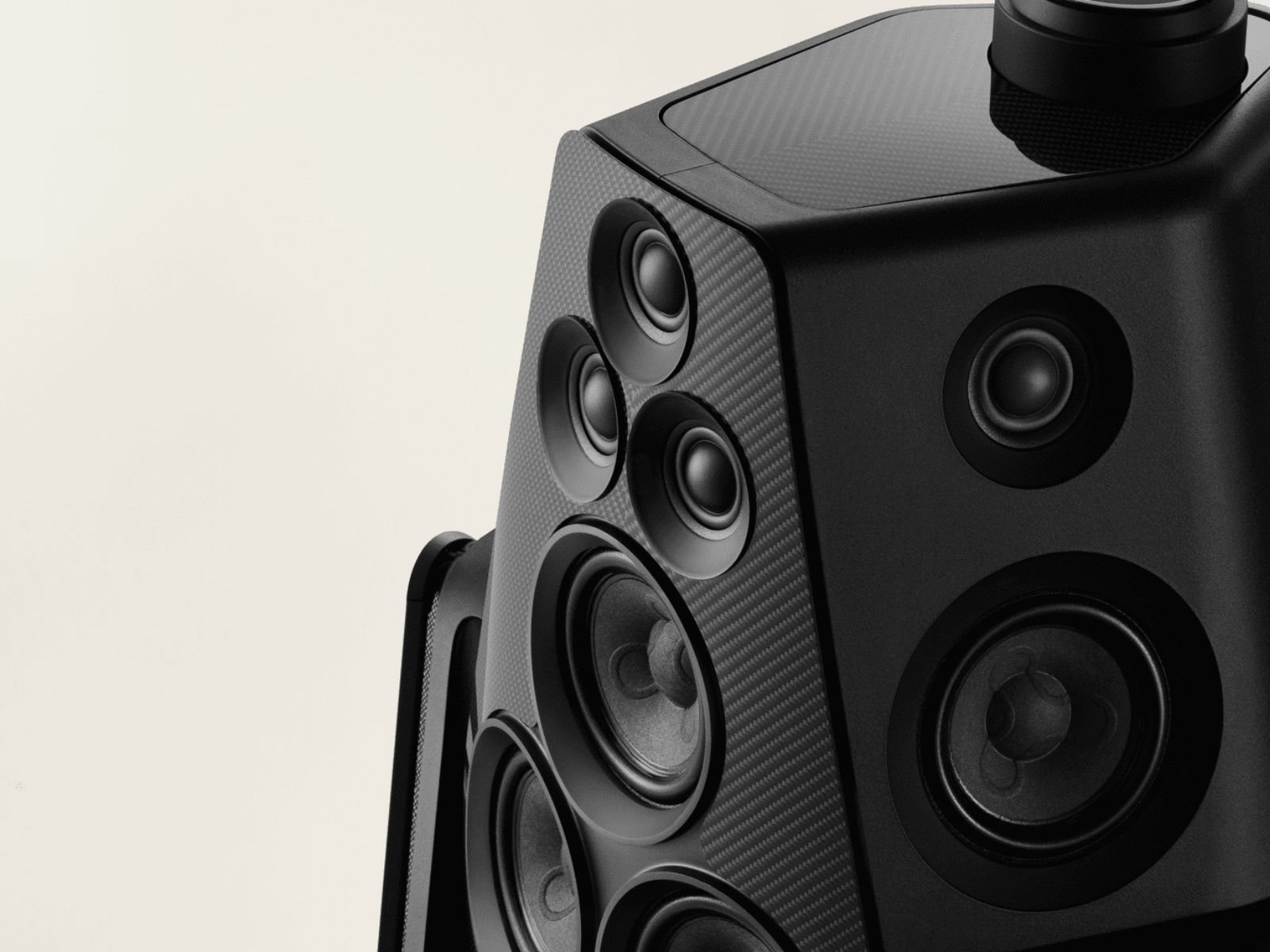
Underneath their completely different finishes, both editions are still built around the same Beolab 90 platform. That means 18 bespoke drivers per speaker, 8,200 watts of amplification, Advanced Active Room Compensation and B&O’s Beam Width and Beam Direction controls remain at the heart of both versions.

  • Model: Beolab 90 (Atelier Editions)
  • Editions: Shadow & Mirage
  • Series: Five-Part Atelier Centenary Collection
  • Drivers: 18 bespoke drivers per loudspeaker
  • Amplification: 8,200 watts per loudspeaker
  • Technology: Advanced Active Room Compensation, Beam Width Control & Beam Direction Control
  • Materials (Shadow): Black-coated stainless-steel mesh, carbon fibre & aluminium
  • Materials (Mirage): Iridescent fabric & gradient-anodised aluminium
  • Mirage Detailing: Hand-applied blue-to-magenta gradient finish
  • Production: 10 pairs per edition
  • Extras: Certificate of Authenticity & matching miniature aluminium Beolab 90 sculpture
  • Price: USD $450,000 per pair

The core Beolab 90 specifications are confirmed directly by Bang & Olufsen, including the 18-driver configuration and 8,200-watt amplifier output, while B&O also confirms Shadow’s custom black stainless-steel mesh and Mirage’s hand-applied blue-to-magenta anodization.
Bang & Olufsen The Shadow Edition
Bang & Olufsen The Shadow Edition | Image: Bang & Olufsen

price & Availability

Neither the Shadow nor Mirage Edition targets the average hi-fi setup. Each is limited to just 10 pairs, putting them firmly in collector territory, while the wider Beolab 90 Atelier series celebrates Bang & Olufsen’s 100th anniversary through extremely limited interpretations of its flagship loudspeaker.

With reported pricing reaching well into six figures, these are as much collectible design objects as they are loudspeakers. For most of us, Shadow and Mirage will remain firmly in the “nice to look at” category, but that’s almost beside the point — they show what happens when Bang & Olufsen takes an already outrageous Beolab 90 and decides that, for its 100th birthday, outrageous simply wasn’t quite enough
Bang & Olufsen The Mirage Edition
Bang & Olufsen The Mirage Edition | Image: Bang & Olufsen
Bang & Olufsen The Mirage Edition
Bang & Olufsen The Mirage Edition | Image: Bang & Olufsen
Bang & Olufsen The Shadow Edition
Bang & Olufsen The Shadow Edition | Image: Bang & Olufsen
SpeakersBang & Olufsen
About the Author

Related Articles

Ethan Hunt, played by Tom Cruise in ‘Mission: Impossible: The Final Reckoning’
Movies & TV Shows

‘Mission: Impossible – The Final Reckoning’ Review: One Last Mission, One Massive Spectacle

Reading Time: 8 minutes

Our team of editors and experts thoughtfully chooses each product. If you decide to buy through one of our links, we may earn a commission. Learn more. Want to know how we test products? Click here for more details.
For almost 30 years, the Mission: Impossible series has set new standards for big-action movies. From climbing the Burj Khalifa to hanging off military planes in mid-air, Tom Cruise has spent years making Ethan Hunt one of the most famous action heroes in movies. Now, Mission: Impossible – The Final Reckoning comes as what might be Ethan Hunt’s last mission, bringing nearly 30 years of spying, betrayals, impossible tasks, and risky stunts to one big ending.

Directed again by Christopher McQuarrie, the film continues soon after Mission: Impossible – Dead Reckoning Part One. Ethan Hunt and the IMF are still trying to stop The Entity, a rogue AI that can break into intelligence systems and defence networks worldwide. Unlike past enemies in the series, this threat can’t just be found or fought in person. It spreads through data, spying, and technology, making Hunt’s newest mission feel much more dangerous than a typical spy job.

The pressure on Ethan Hunt feels stronger throughout the film, especially as the story often looks back at the choices and sacrifices from earlier movies. Sometimes, The Final Reckoning struggles to handle the challenge of ending such a long-running series, but when the action starts, the film shows why Mission: Impossible is still better than most modern action series. The stunts are huge, the excitement rarely slows, and the focus on real, practical filming once again gives the movie a level of intensity that special effects-heavy blockbusters often can’t match.

One Last Mission for Ethan Hunt

One of the main reasons ‘Mission: Impossible – The Final Reckoning’ works so well is that it remembers what makes this series special. These movies are made to be watched in theatres. The action feels huge, the sound shakes the room, and almost every scene is made to keep viewers glued to the screen. Watching it in IMAX adds another level, with some scenes expanding to a bigger size that makes the action feel even stronger.

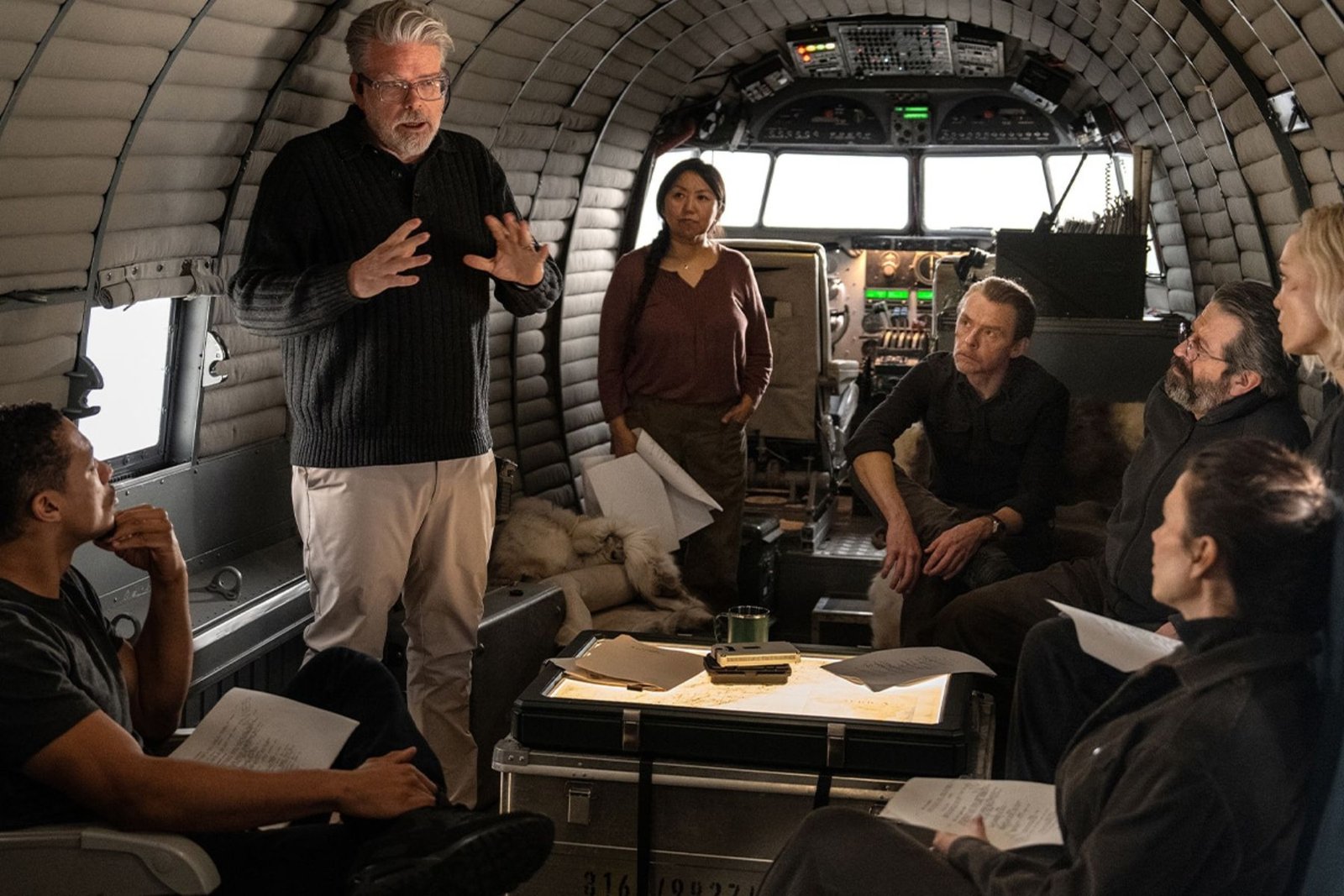
Christopher McQuarrie again shows why he knows this series better than most. Every chase, explosion, fight, and big scene feels real because much of it is actually filmed live. You can feel the speed of the vehicles, the force of the explosions, and the tension in every mission as the story moves forward.

Film director Christopher McQuarrie on set with the ‘Mission: Impossible: The Final Reckoning’ cast
Film director Christopher McQuarrie on set with the ‘Mission: Impossible: The Final Reckoning’ cast | Image: Paramount Pictures

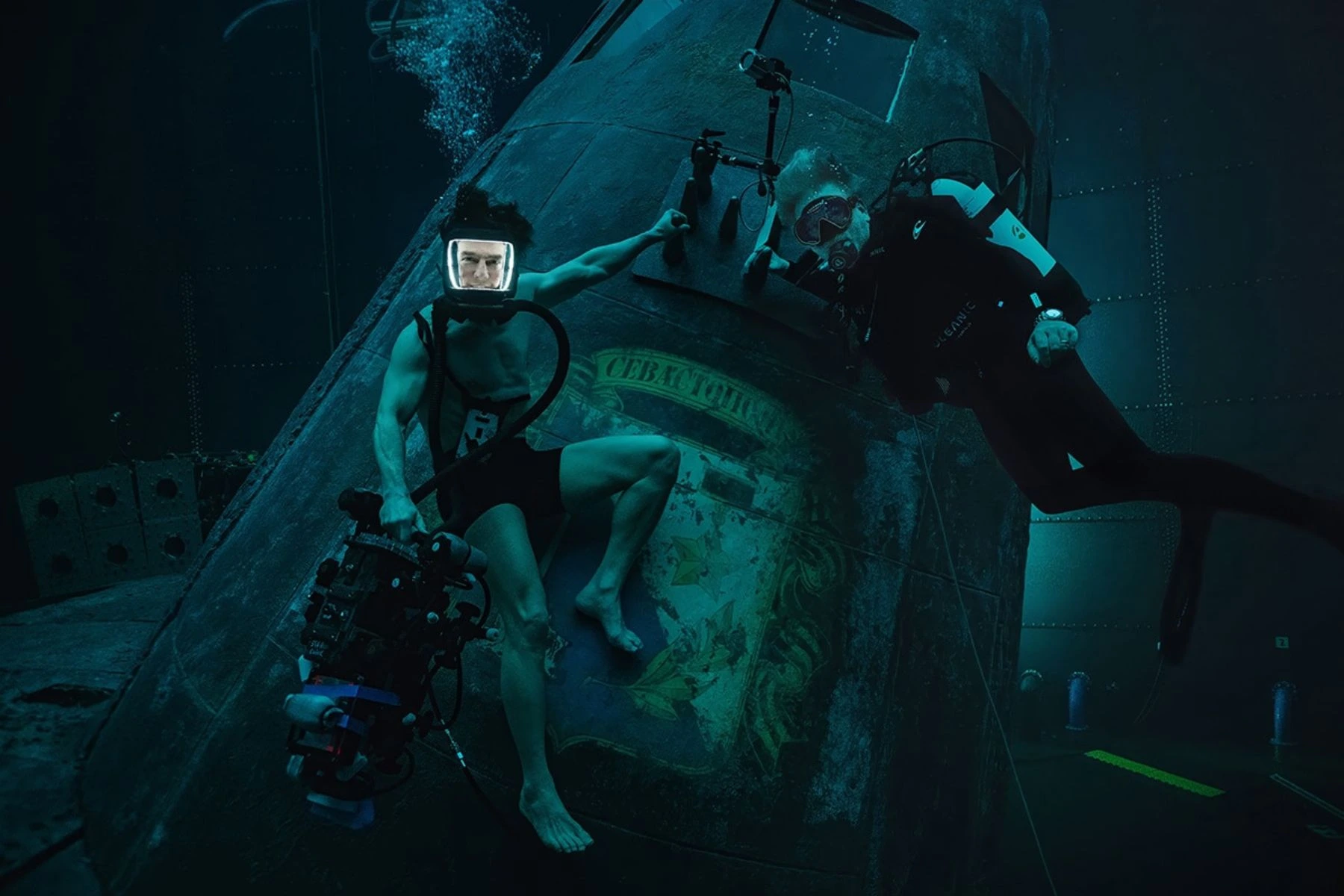
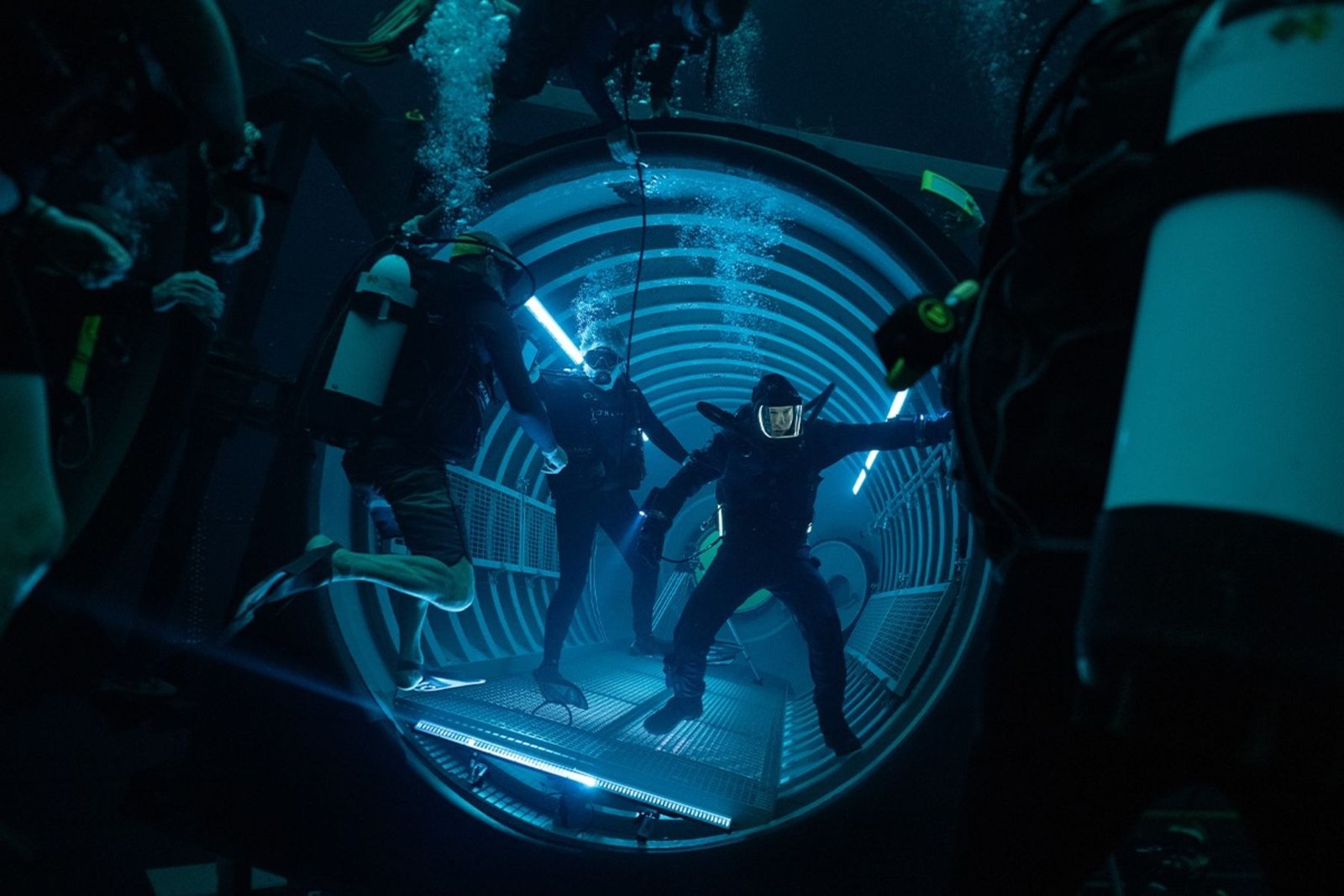
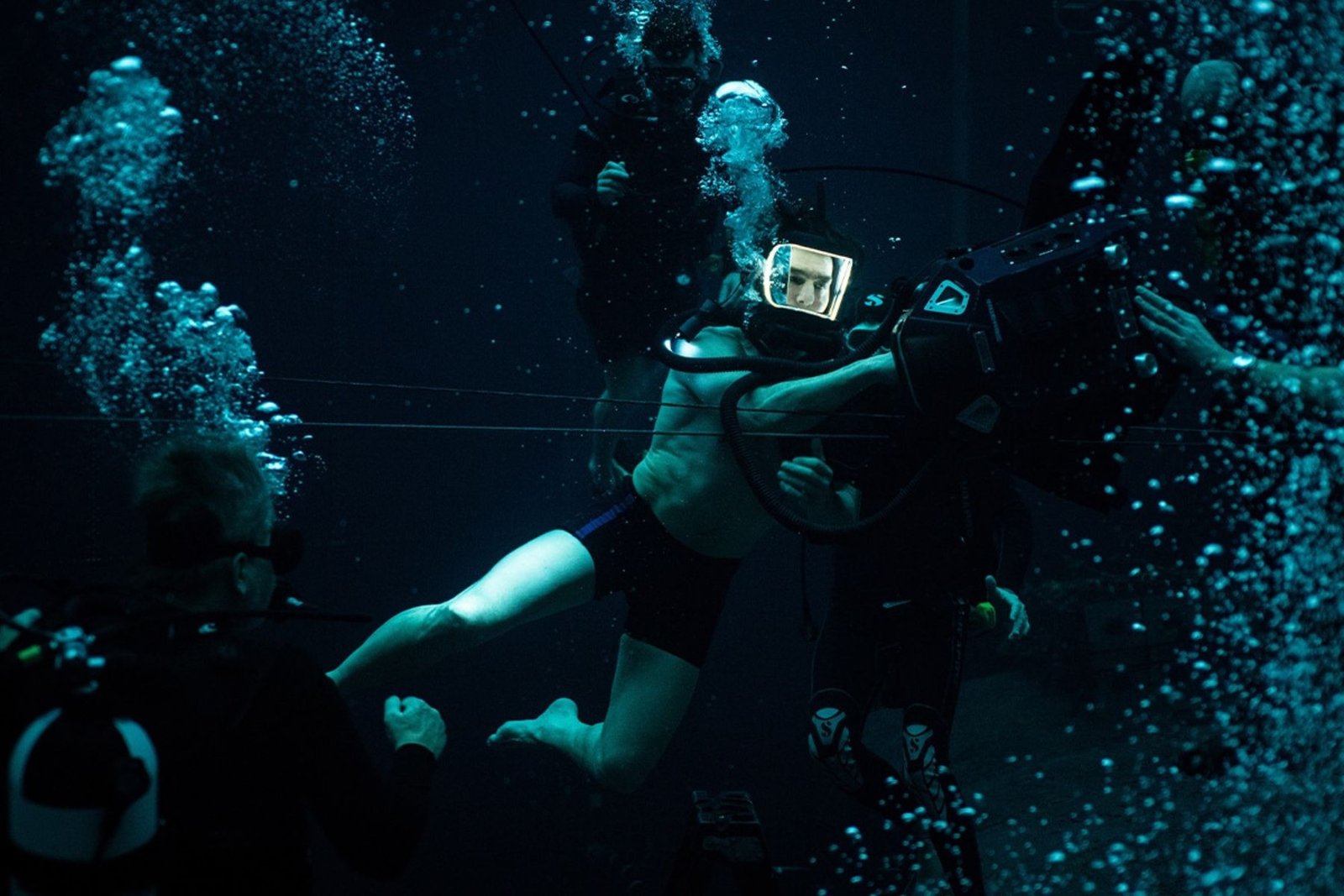
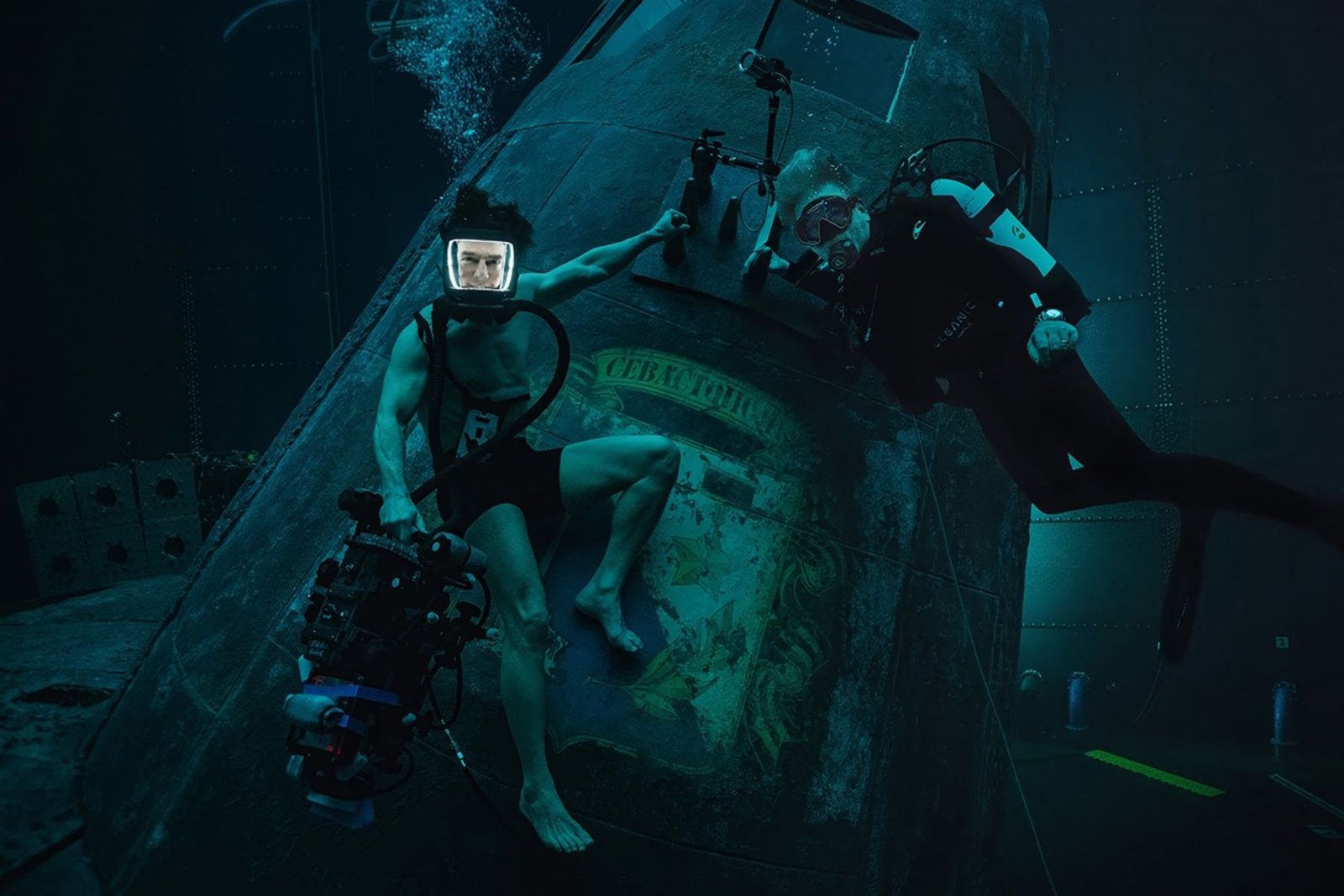
Tom Cruise keeps doing things most actors would never try. The film puts him running on rooftops, underwater, doing risky flying stunts, and several moments that really make you wonder how they filmed these scenes safely. The camera stays close to Cruise throughout the chaos, making every stunt feel even more intense, in a good way. There are no quick cuts to hide what’s happening. The movie wants viewers to feel the danger with him.

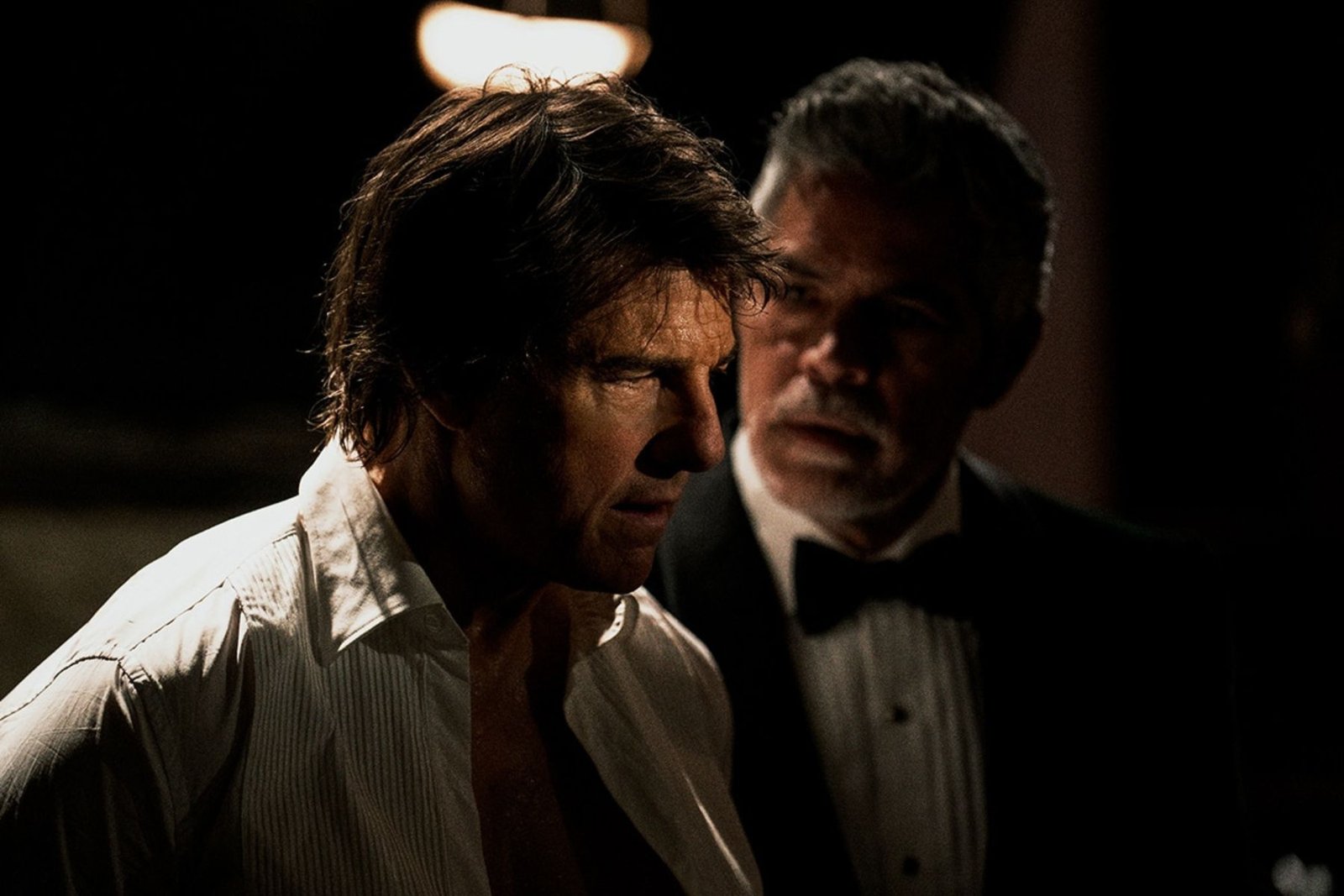
Even with all the big action scenes, the movie still slows down to focus on Ethan Hunt himself. Ethan feels more tired than ever, like the years of impossible missions are finally catching up to him. That extra emotional weight makes several moments hit harder than expected, giving the film a stronger sense that this is the end.

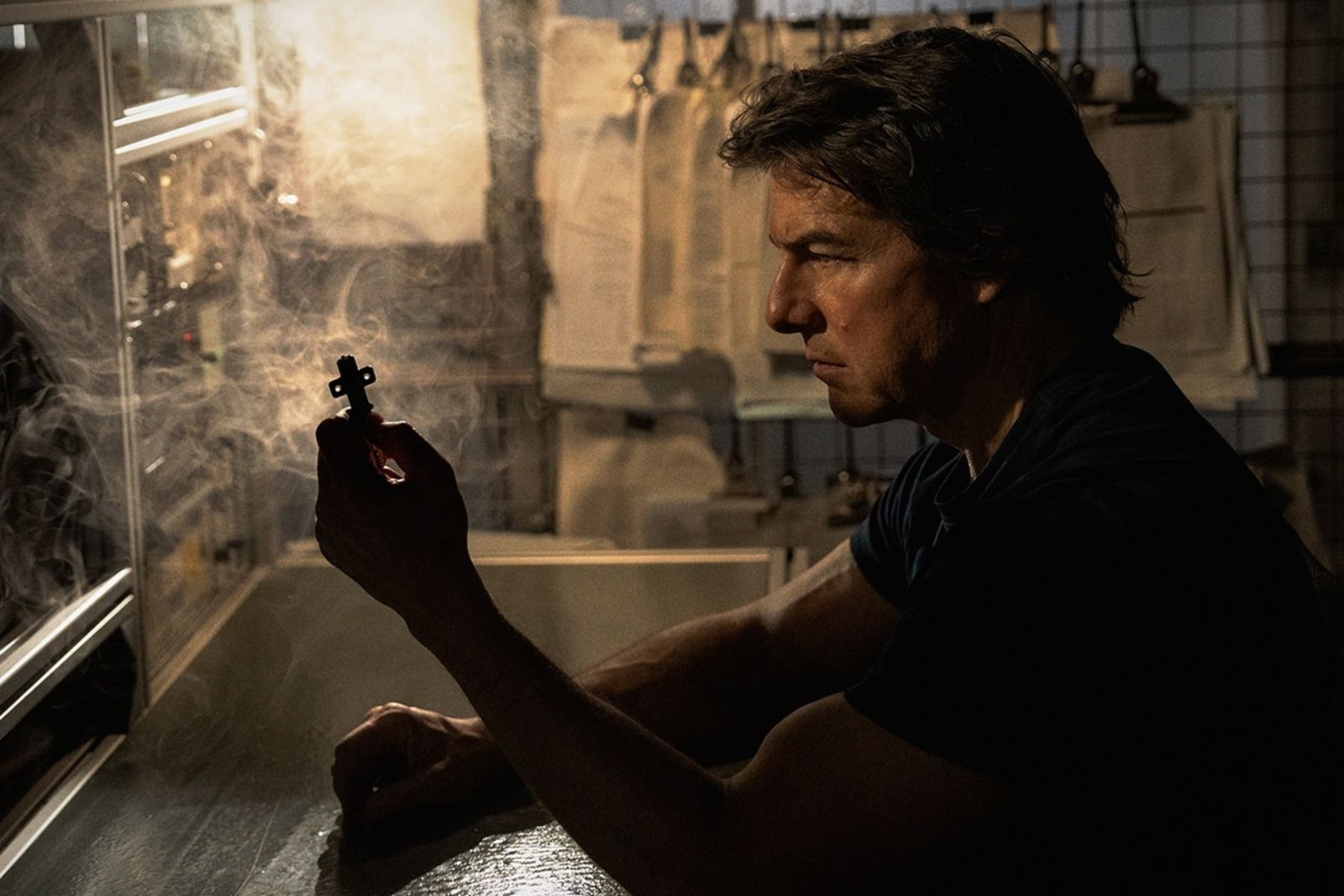
Ethan Hunt, played by Tom Cruise in ‘Mission: Impossible: The Final Reckoning’
Ethan Hunt, played by Tom Cruise in ‘Mission: Impossible: The Final Reckoning’ | Paramount Pictures

The Stunts Raise the Bar Again

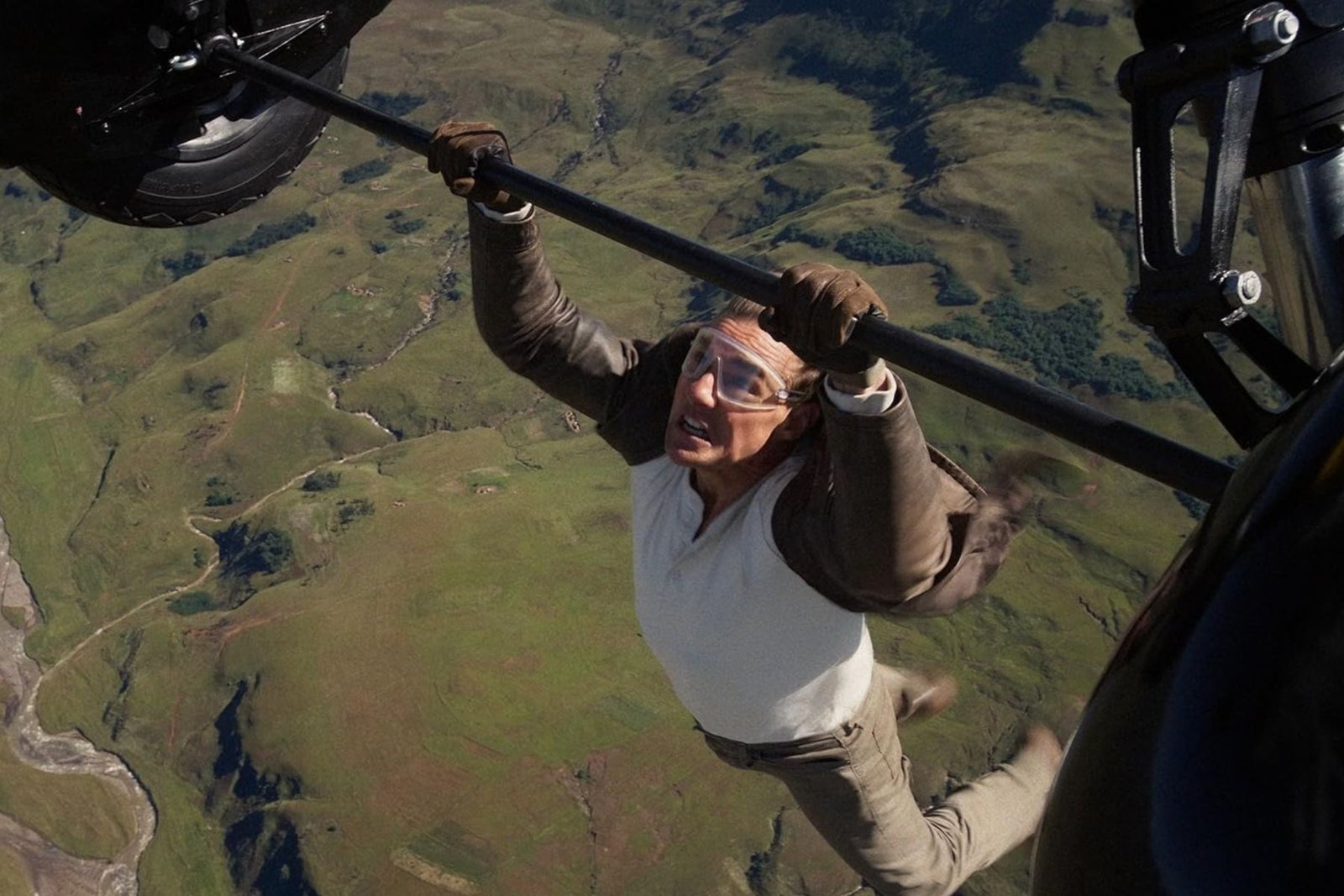
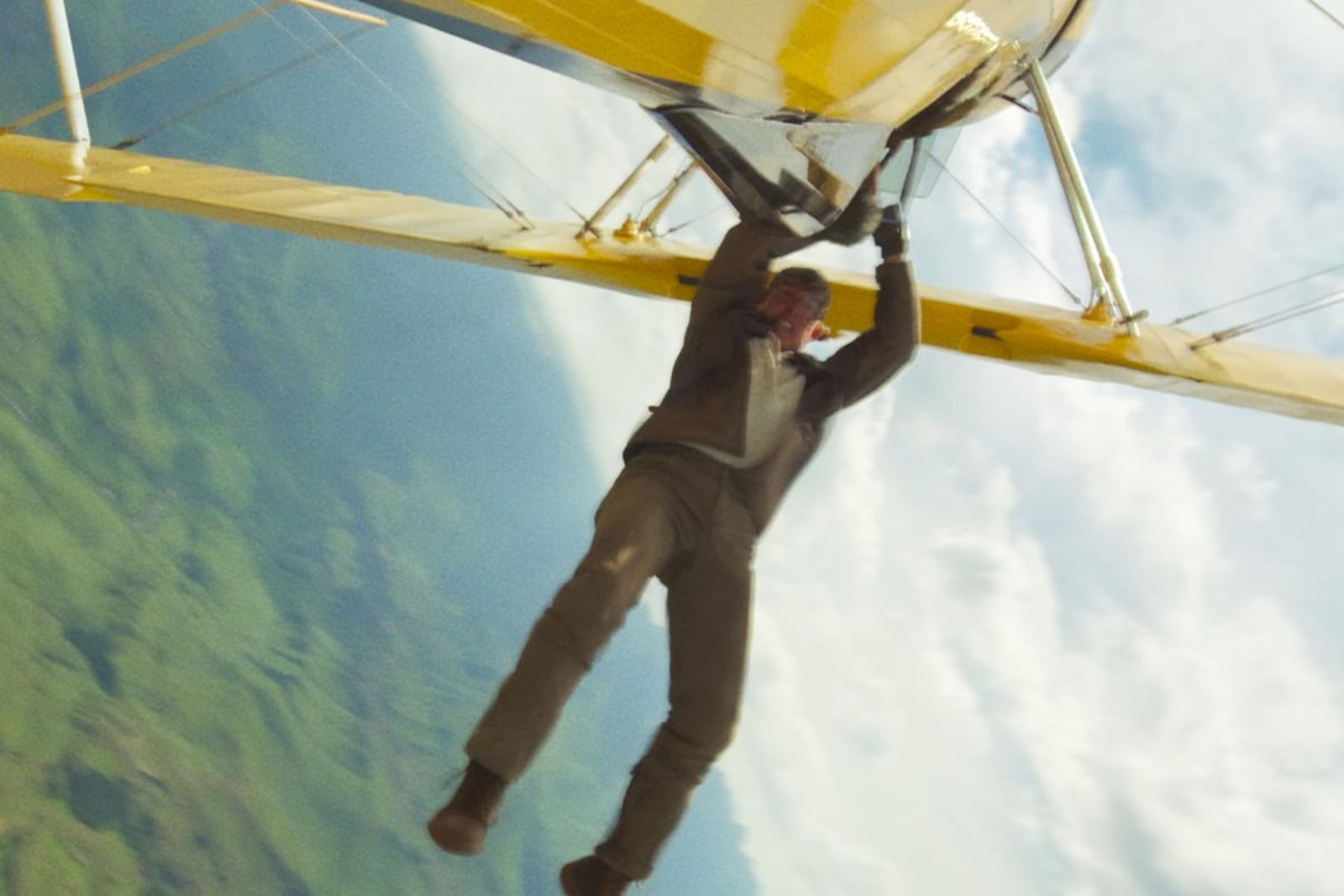
By now, the stunt work is the main highlight of the Mission: Impossible series, and The Final Reckoning takes it even further. The most amazing scene shows Tom Cruise hanging from the side of a flying biplane nearly 8,000 feet above the ground, while facing wind speeds of about 140 mph. The camera stays close to him during the scene, making the height and speed impossible to miss. Every move feels dangerous because nothing is hidden.

The film also features several free-fall scenes, with cameras placed right in front of his face as he spins toward the ground. What makes these moments work so well is how little the movie cuts away from the action. You are made to experience the stunt with him, rather than watch it through quick cuts and shaky camerawork. The result is action that feels raw, physical, and, at times, truly stressful to watch. In a time full of CGI-heavy blockbusters, The Final Reckoning once again shows audiences what real stunt work looks like when a series fully commits to it.

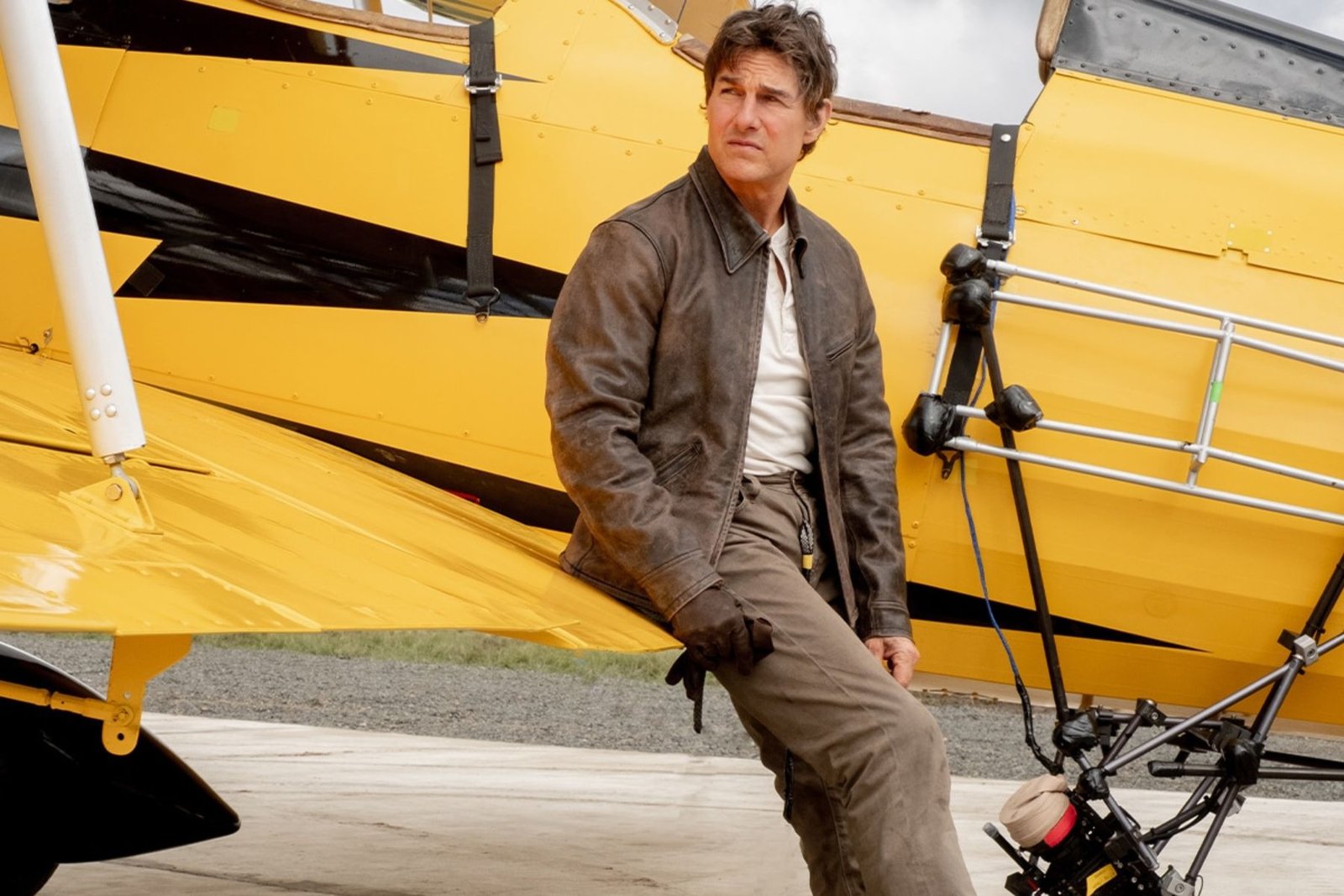
Ethan Hunt, played by Tom Cruise in ‘Mission: Impossible: The Final Reckoning’
Ethan Hunt, played by Tom Cruise in ‘Mission: Impossible: The Final Reckoning’ | Paramount Pictures

A Bigger, Darker Story

Under all the explosions and big action scenes, Mission: Impossible – The Final Reckoning has a much more serious tone than earlier movies in the series. The film spends a lot of time reflecting on Ethan Hunt’s past choices and the people they affected, making this part feel more meaningful compared to the usual fast-paced mission style. There is a constant feeling that Ethan is running out of time, not just to stop The Entity, but to keep the life he has spent years giving up for the IMF.

The Entity also changes the story’s mood in a big way. Unlike earlier villains in the series, this enemy can’t just be caught or fought in a final battle. It lives inside spy systems, surveillance networks, and worldwide information, making the threat feel much bigger and harder to control. This change gives the movie a more tense feeling throughout, especially as trust between characters becomes harder to keep when information itself can’t be trusted.

The film sometimes gets a bit confused by its own past, especially when it looks back at older events and connects parts from earlier movies. Still, the emotional stress around Ethan Hunt keeps the story going. Even during the biggest action scenes, there is always a sense that this mission means much more than the ones before it.

What makes the story work are the quieter moments between the chaos. The film gives several scenes space to relax, letting Ethan and the IMF team feel more like real people beneath all the spy missions and explosions. These moments give The Final Reckoning a stronger emotional touch and make the idea that this could be Ethan Hunt’s last mission feel much more real by the end.

Ethan Hunt, played by Tom Cruise in ‘Mission: Impossible: The Final Reckoning’
Ethan Hunt, played by Tom Cruise in ‘Mission Impossible: The Final Reckoning’ | Paramount Pictures

Does ‘The Final Reckoning’ Live Up to the Hype?

For the most part, absolutely. Mission: Impossible – The Final Reckoning gives audiences exactly what they expect from a Mission: Impossible movie: huge, real stunts, action all around the world, exciting scenes, and Tom Cruise once again putting himself right in the middle of the chaos. The story sometimes gets confusing trying to link so much history from the earlier films, and it might not be everyone’s favourite in the series, but once the movie gets going, it’s very hard not to get caught up in it.

What keeps The Final Reckoning working is how real everything feels from start to finish. The action feels important, the danger seems believable, and the film never hides behind endless computer effects or fast editing. Christopher McQuarrie and Cruise clearly know what has kept this series going for nearly 30 years, and the movie is full of moments made for longtime fans of Ethan Hunt and the IMF team. Even with all the explosions and huge scenes, the film still finds time for quieter moments that remind viewers what Ethan Hunt has given up over the years. If this really is the end for him, the series finishes by doing exactly what it does best: giving pure blockbuster excitement on the biggest scale possible.

IMDb: 7.1 | Tomatometer: 80% | Popcornmeter: 88% | Average: 79.6

★★★★☆

Ethan Hunt, played by Tom Cruise in ‘Mission: Impossible: The Final Reckoning’
Ethan Hunt, played by Tom Cruise in ‘Mission Impossible: The Final Reckoning’ | Paramount Pictures
Ethan Hunt, played by Tom Cruise in ‘Mission: Impossible: The Final Reckoning’
Ethan Hunt, played by Tom Cruise in ‘Mission Impossible: The Final Reckoning’ | Paramount Pictures
Ethan Hunt, played by Tom Cruise in ‘Mission: Impossible: The Final Reckoning’
Ethan Hunt, played by Tom Cruise in ‘Mission Impossible: The Final Reckoning’ | Paramount Pictures
Ethan Hunt, played by Tom Cruise in ‘Mission: Impossible: The Final Reckoning’
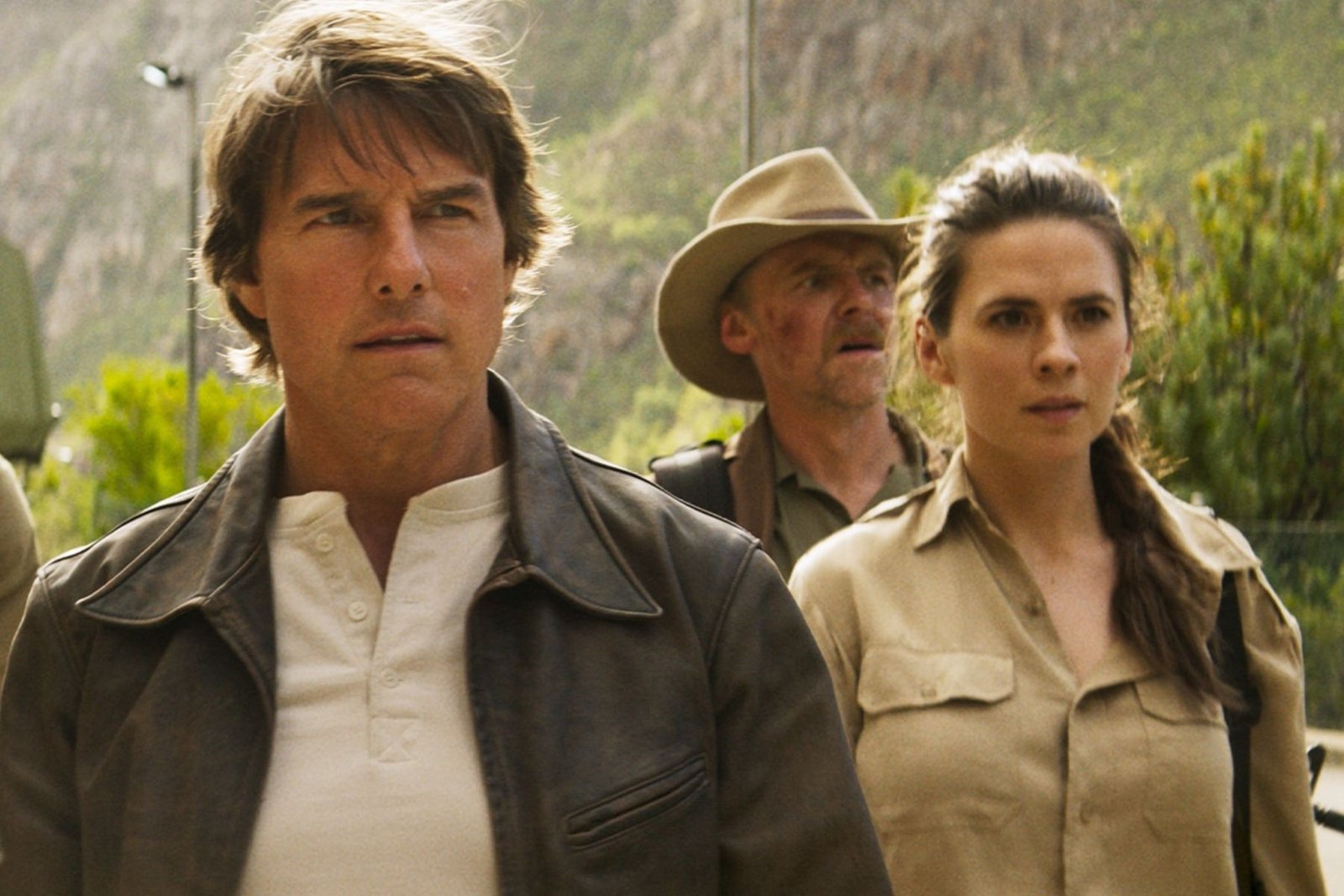
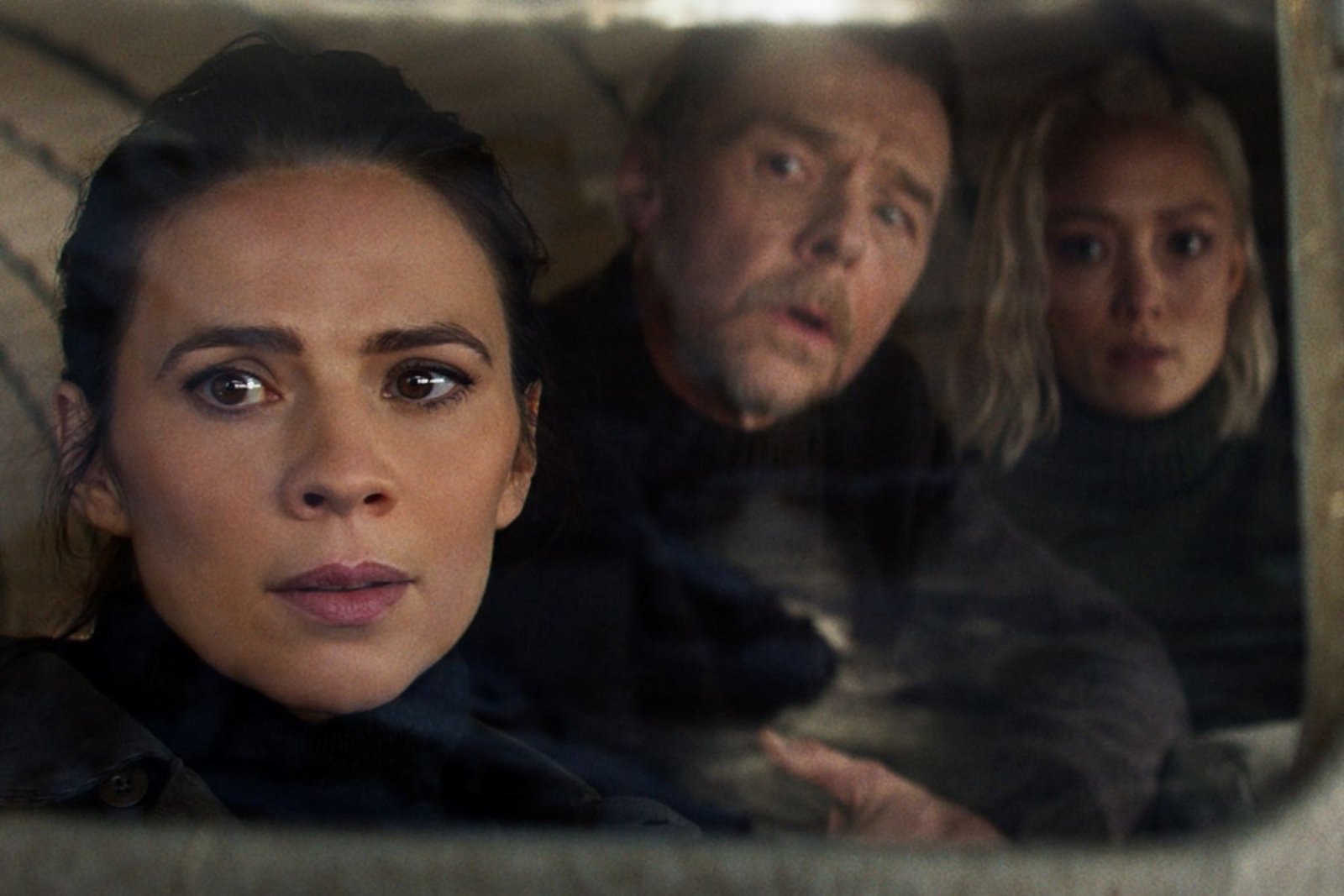
Ethan Hunt, played by Tom Cruise, Benji Dunn, played by Simon Pegg, & Grace, played by Hayley Atwell in ‘Mission Impossible: The Final Reckoning’ | Paramount Pictures
Ethan Hunt, played by Tom Cruise in ‘Mission: Impossible: The Final Reckoning’
Paris, played by Pom Klementieff, Benji Dunn, played by Simon Pegg, & Grace, played by Hayley Atwell in ‘Mission Impossible: The Final Reckoning’ | Paramount Pictures
Ethan Hunt, played by Tom Cruise in ‘Mission: Impossible: The Final Reckoning’
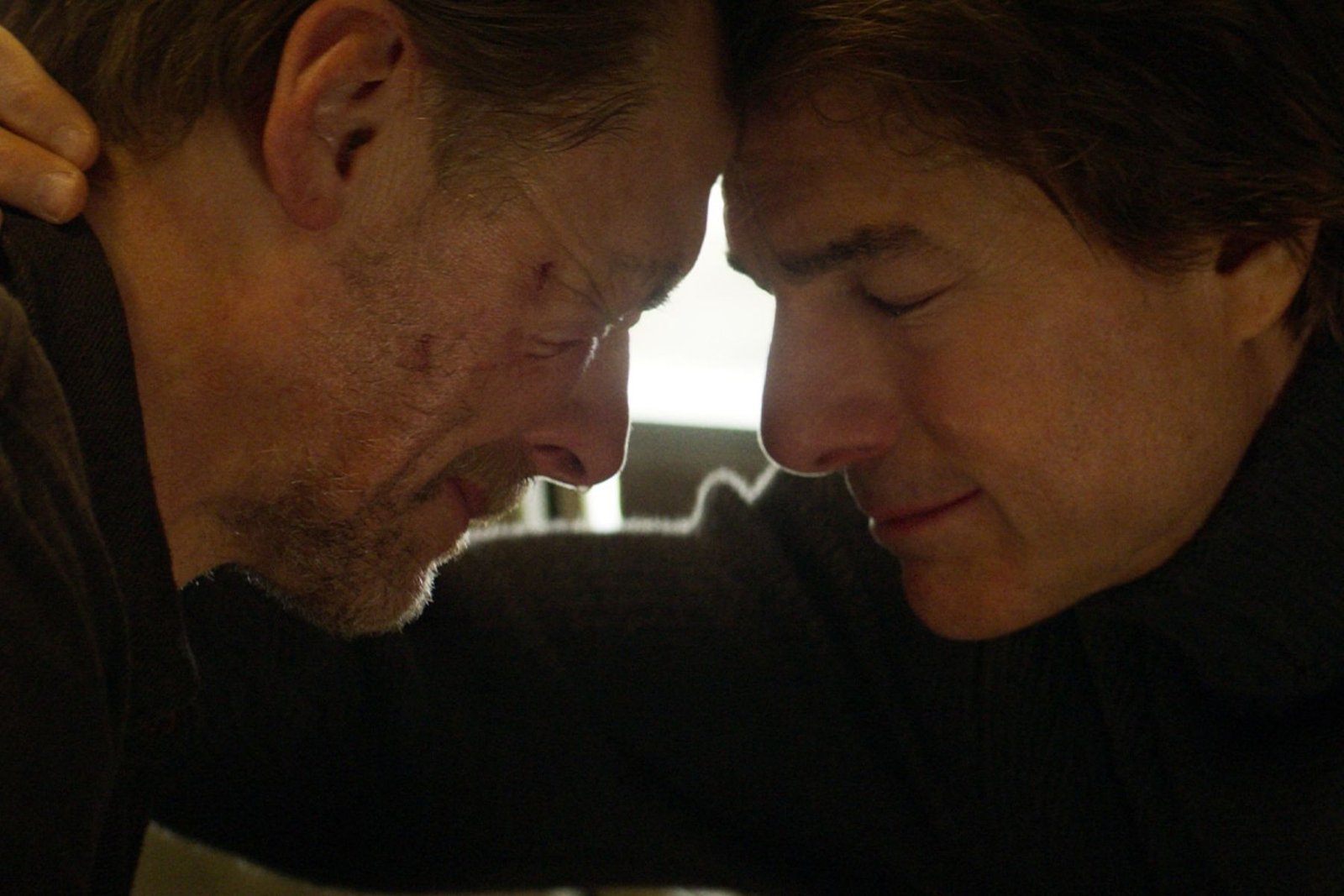
Ethan Hunt, played by Tom Cruise, & Benji Dunn, played by Simon Pegg in ‘Mission Impossible: The Final Reckoning’ | Paramount Pictures
Ethan Hunt, played by Tom Cruise in ‘Mission: Impossible: The Final Reckoning’
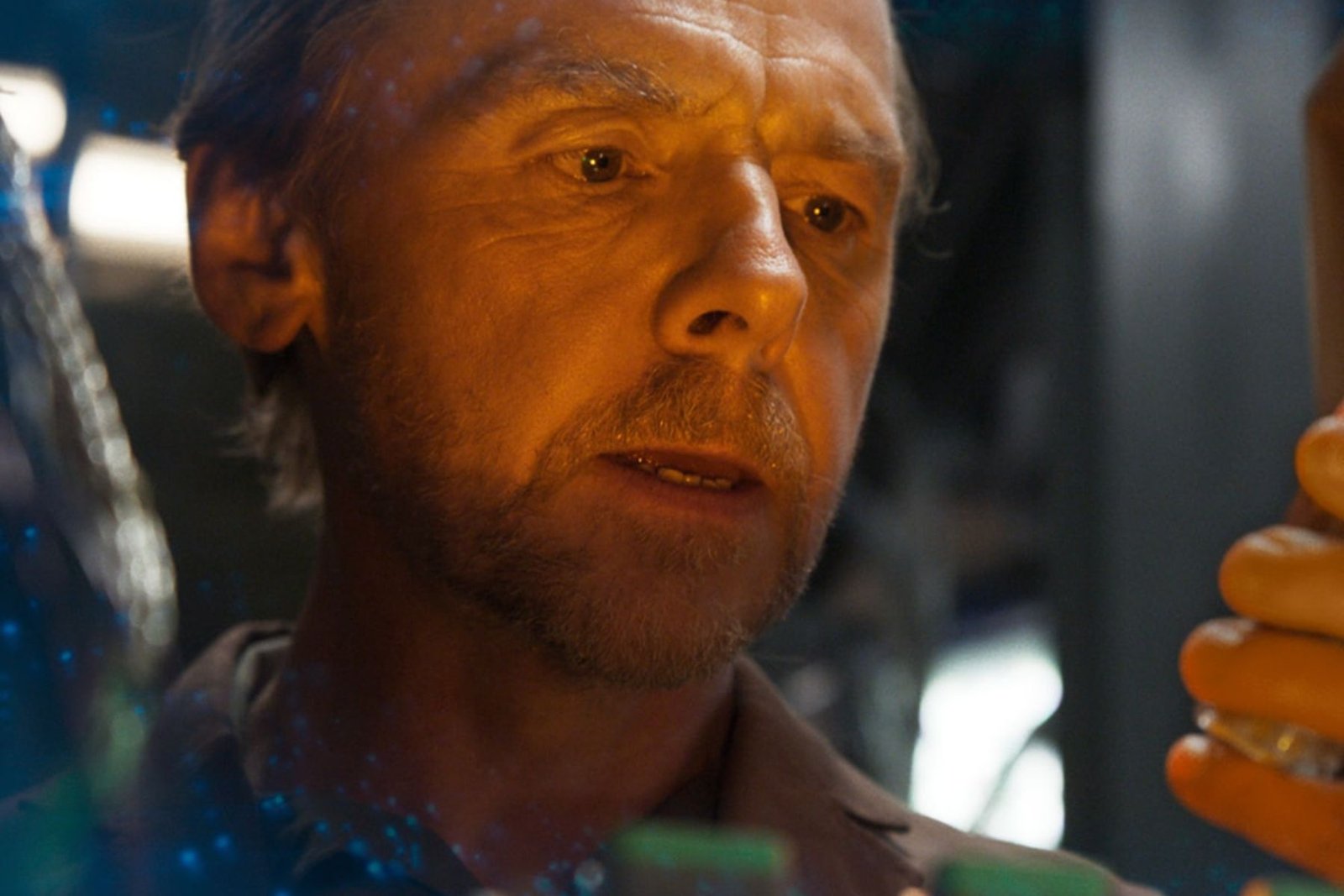
Benji Dunn, played by Simon Pegg in ‘Mission Impossible: The Final Reckoning’ | Paramount Pictures
Ethan Hunt, played by Tom Cruise in ‘Mission: Impossible: The Final Reckoning’
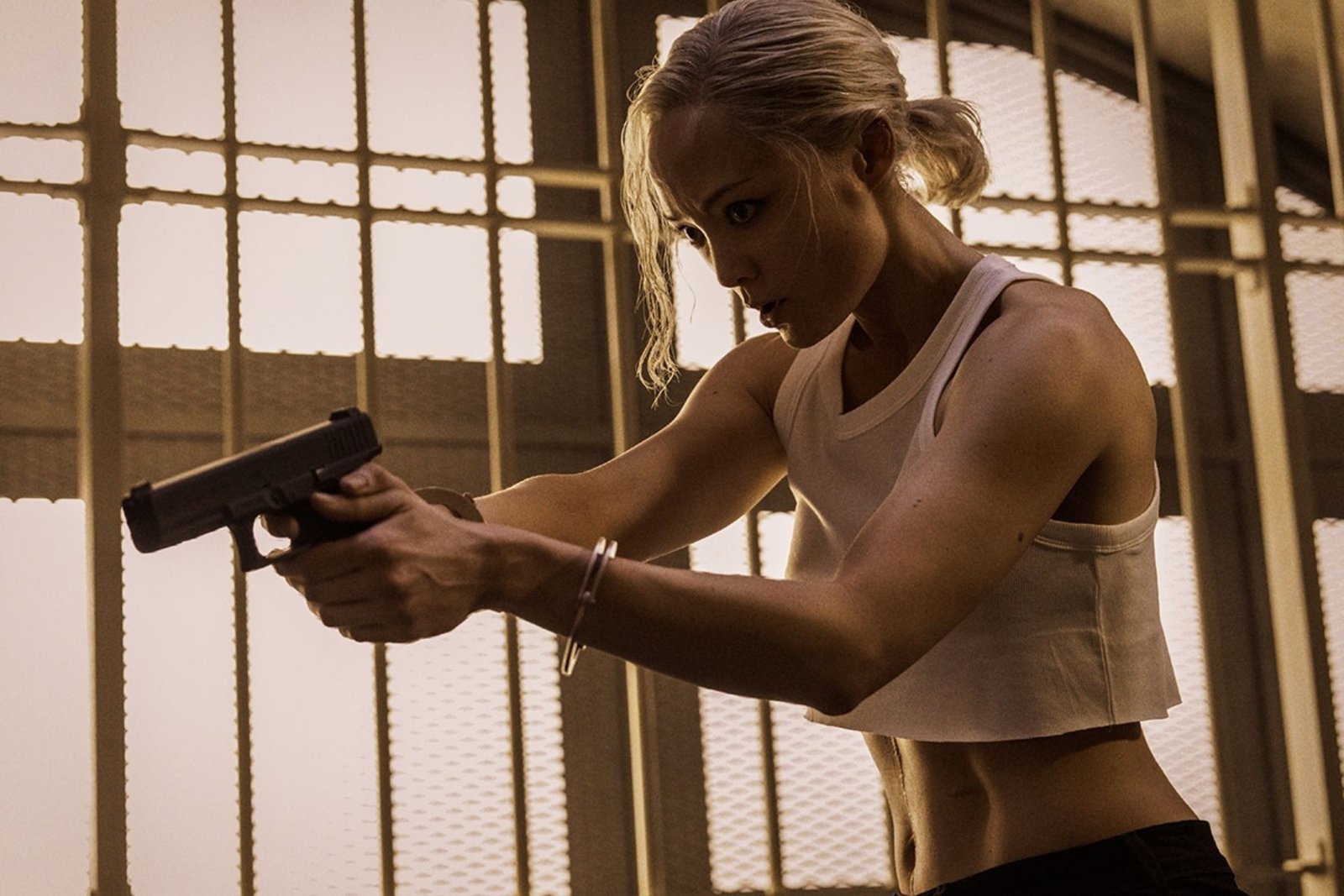
Paris, played by Pom Klementieff in ‘Mission Impossible: The Final Reckoning’ | Paramount Pictures
Ethan Hunt, played by Tom Cruise in ‘Mission: Impossible: The Final Reckoning’
Ethan Hunt, played by Tom Cruise in ‘Mission Impossible: The Final Reckoning’ | Paramount Pictures
Ethan Hunt, played by Tom Cruise in ‘Mission: Impossible: The Final Reckoning’
Ethan Hunt, played by Tom Cruise in ‘Mission Impossible: The Final Reckoning’ | Paramount Pictures
Ethan Hunt, played by Tom Cruise in ‘Mission: Impossible: The Final Reckoning’
Ethan Hunt, played by Tom Cruise in ‘Mission Impossible: The Final Reckoning’ | Paramount Pictures
Ethan Hunt, played by Tom Cruise in ‘Mission: Impossible: The Final Reckoning’
Ethan Hunt, played by Tom Cruise in ‘Mission Impossible: The Final Reckoning’ | Paramount Pictures
Tom Cruise
About the Author
arrow_drop_up