





Entertainment

Disney and OpenAI Reach Deal to Bring Legendary Characters to Sora

Reading Time: 6 minutes

Share via

Our team of editors and experts thoughtfully chooses each product. If you decide to buy through one of our links, we may earn a commission. Learn more. Want to know how we test products? Click here for more details.

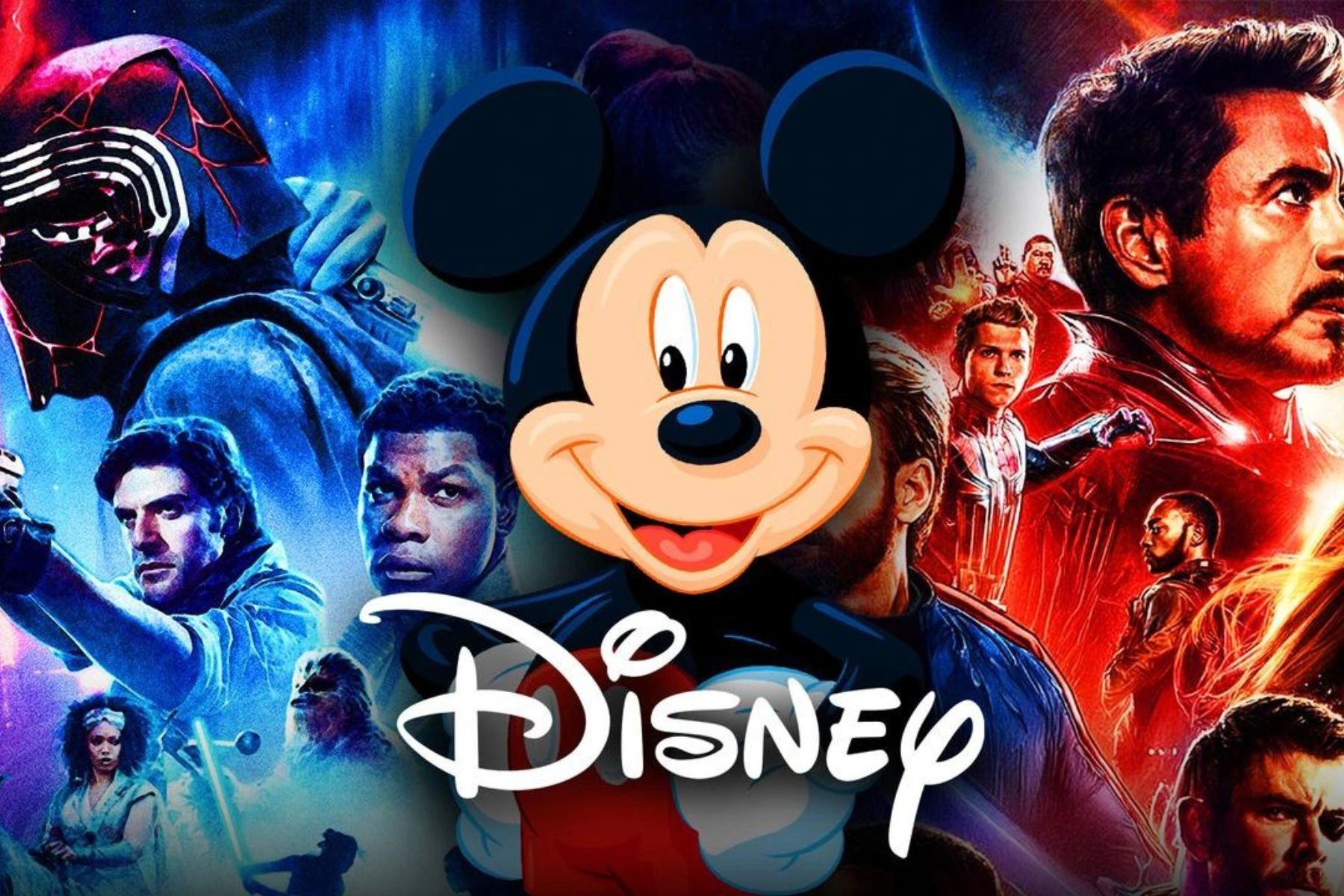
Disney and OpenAI are reportedly moving ahead with a deal that could greatly grow the future of AI-made video. Early reports say the partnership would let hundreds of Disney-owned characters and franchises appear in Sora, OpenAI’s text-to-video platform. If the deal goes through, it would be one of the biggest partnerships between Hollywood and the AI world so far.

Under the reported deal, Sora would be able to create short videos using characters, props, costumes, vehicles, and settings from Disney, Pixar, Marvel, Star Wars, and Lucasfilm. This includes well-known names like Mickey Mouse, Elsa, Stitch, Simba, Iron Man, and Darth Vader. At the same time, the deal is expected to avoid using real actors’ faces and voices, making a clear distinction about performer rights and digital copies.

The partnership also reportedly includes a big financial investment from Disney, with the company expected to put about US$1 billion into OpenAI. Besides the investment, Disney is also preparing to use OpenAI’s technology across its systems and products, including Disney+. This move shows how Disney seems to be handling AI differently from many other big studios that are still staying away from generative tools.

For Disney, the deal could create a whole new way for audiences to connect with some of the company’s biggest franchises. Instead of only being seen in movies, TV shows, and theme parks, platforms like Sora could let fans and creators make their own short videos using worlds and characters they already know. There will clearly be big talks about copyright, licensing, and creative control, but the partnership already feels like an important step in where entertainment technology is going next.

The Incredibles 2 | Image: Supplied

Disney Goes All-In on Sora With New OpenAI Partnership

The reported partnership between Disney and OpenAI seems much bigger than a usual licensing deal. Besides allowing Disney-owned characters to appear in Sora, the deal reportedly includes a US$1 billion investment in OpenAI, underscoring how seriously Disney is taking this technology for the future. While many studios are still carefully deciding their position on generative AI, Disney seems much more eager to get directly involved.

That decision is even more notable given how much worry Sora caused in Hollywood when it first came out earlier this year. Talks about copyright, actor images, ownership rights, and AI-made content quickly spread through the industry, especially at a time when studios are already facing layoffs, higher production costs, and big changes in the entertainment business. Instead of resisting or avoiding the technology, Disney seems to have decided to work with it.


Lilo & Stitch Movie 2025 | Image: Supplied
‘Star Wars: Revenge of the Sith’ | Image: Supplied

Bob Iger addressed the partnership directly, describing AI as another major turning point for entertainment. “Technological innovation has continually shaped the evolution of entertainment,” Iger said, adding that the agreement would allow Disney to expand its storytelling through generative AI while “respecting and protecting creators and their works.” OpenAI has also reportedly committed to introducing safety systems, age-appropriate controls, and protections designed to prevent harmful or illegal content from being generated through Sora.

The partnership is expected to cover more than just entertainment content. Disney plans to use OpenAI’s technology in its internal systems and products, including Disney+. This suggests Disney views the deal as a long-term strategy, not just a test. The agreement could eventually influence everything from streaming and marketing to content creation and interactive experiences across Disney’s business.

For Iger, the appeal of the partnership also comes down to the fans themselves. Speaking about the collaboration, he explained that combining Disney’s characters with OpenAI’s technology could place creativity “directly into the hands of Disney fans,” giving audiences more personal ways to interact with worlds and characters they already know. Whether the industry fully embraces that future or not, the agreement already feels like one of the clearest signs yet that Hollywood’s relationship with AI is shifting quickly.

Toys story (1995) | Image: Supplied

Disney and OpenAI’s Sora Partnership Could Change Digital Entertainment

The reported deal between Disney and OpenAI already feels like one of the biggest moments in the growing relationship between Hollywood and AI technology. If the partnership goes ahead as planned, it would put some of the world’s most famous characters inside Sora and also give Disney a direct role in deciding how big entertainment companies use AI to create videos in the future.

The move also aligns with how Disney has typically handled major changes in entertainment and technology under Bob Iger. In the mid-2000s, Disney surprised many in Hollywood by embracing digital distribution through Apple’s iTunes Store, even as many studios still avoided online downloads. Years later, the company joined the creator economy through Maker Studios and, more recently, invested heavily in Epic Games to explore interactive storytelling and digital worlds through Fortnite. Even when some projects didn’t last, Disney has always been ready to act early as entertainment habits began to change.

From OpenAI’s perspective, the agreement is reportedly being viewed as much more than a one-time collaboration. Sam Altman described Disney as “the global gold standard for storytelling,” adding that the partnership could become an example of how AI companies and creative leaders can work together responsibly instead of positioning themselves against each other. At a time when much of Hollywood still feels divided over generative AI, that message alone carries serious weight.

That history is also why this Sora partnership feels so important. The deal is not just about creating short clips with Disney characters. It looks toward a future in which audiences might interact with entertainment franchises in entirely new ways. The idea of Lightning McQueen racing Dash from The Incredibles or Darth Maul fighting Iron Man sounds wild, but also seems believable in a world where these tools become part of everyday entertainment. Whether people fully accept that future or stay cautious, the industry already feels like it is starting a very different chapter.

Cars (2006) | Image: Supplied
Disney
About the Author
Sony broadcast camera filmed the Super Bowl LX between the Seattle Seahawks and New England Patriots.
SportsCameras

The Sony Tech Behind the Super Bowl — What 100 Million Viewers Don’t See

Reading Time: 11 minutes

Our team of editors and experts thoughtfully chooses each product. If you decide to buy through one of our links, we may earn a commission. Learn more. Want to know how we test products? Click here for more details.

Most people watch the Super Bowl for the touchdowns, the halftime show, and commercials. What they don’t see is the enormous amount of technology required to deliver every tackle, replay, celebration, and slow-motion shot to more than 100 million viewers worldwide.

Behind every camera angle and crystal-clear broadcast is a small army of engineers, producers, camera operators, and technicians working together to make sure football’s biggest game reaches your screen without a hitch.For Super Bowl LX, Sony once again played a major role in making that happen. From professional broadcast cameras and lenses to advanced replay systems and tracking technology, the company supplied much of the equipment used to capture the action inside Levi’s Stadium.

Here’s a closer look at the Sony gear, systems, and behind-the-scenes innovations helping bring the biggest sporting event in America to life.

New England Patriots quarterback Drake Maye captured in Sony High-Frame-Rate footage at an NFL game.
Patriots’ quarterback Drake Maye featured in Sony’s High-Frame-Rate (HFR) footage | Image: Sony

The Biggest Broadcast in Sports

Calling the Super Bowl a football game almost feels like underselling it. Every year, it becomes one of the most-watched television broadcasts on the planet, attracting more than 100 million viewers in the United States alone, with millions more tuning in from around the world. For a few hours, the game becomes the centre of the sporting universe, bringing together die-hard NFL fans, casual viewers, advertisers, celebrities, and even people who couldn’t tell you the difference between a touchdown and a field goal.

That level of attention comes with enormous pressure behind the scenes. Unlike a regular-season game, there are no second chances when you’re broadcasting the Super Bowl. Every camera angle, replay, graphic, player introduction, halftime performance, and post-game celebration needs to be captured flawlessly in real time. It’s one of the most complex live productions in sports, requiring hundreds of cameras, miles of cabling, dozens of production teams, and enough technology to rival a Hollywood film set. When more than 100 million people are watching at once, “good enough” simply isn’t good enough.

Sony Alpha 1 mirrorless cameras are used for professional sports photography and Super Bowl coverage.
Sony Alpha 1 Mirrorless Cameras | Image: Sony

Why the NFL Turned to Sony

Producing the biggest television broadcast in America leaves almost no room for error. Each replay must be clear; every slow-motion shot should show details viewers might miss; and every important decision must be backed by reliable technology. That’s one of the main reasons the NFL officially partnered with Sony, naming the company its official technology partner and using its products and services across many aspects of the game.

Sony’s Hawk-Eye technology supports NFL officiating by providing advanced optical tracking and replay systems that assist with game-critical decisions. The company is also working with the league to develop next-generation line-to-gain measurement systems, helping officials make more accurate calls during some of the most important moments of a game. On the sidelines, Sony technology powers new coach communication systems, while its Beyond Sports division helps transform player-tracking data into interactive visual experiences designed to engage a new generation of football fans.

Perhaps what’s most impressive from Sony is how deeply it has embedded itself throughout the NFL ecosystem. Its cameras have been trusted by broadcast partners including CBS, FOX, NBC, and ESPN for decades now, while The Associated Press has relied exclusively on Sony imaging equipment for NFL coverage since 2020.

According to Neal Manowitz, President and CEO of Sony Electronics North America, the company’s goal extends well beyond simply supplying equipment. “We are committed to creating the future of sports with technology, and constantly driving innovation to positively impact the world of athletics for players, coaches and fans alike,” he said. It’s a vision that closely aligns with the NFL’s push to modernize everything from officiating and coaching communication to fan engagement.

Manowitz also said that Sony is now involved in professional photography, broadcast production, advanced line-to-gain tracking, and better in-stadium experiences. “This partnership stems from years of integration into the NFL across these many different areas, and we are excited to officially join forces and pursue our passions together with one of the largest sports organizations in the world.” When viewers watch the Super Bowl, they are seeing not just a football game but one of the most advanced live productions in sports.

NFL coach Matt LaFleur wears a Sony league-issued headset on the sideline during an NFL game.
NFL Coach Matt LaFleur is using Sony’s league-issued headset on game day | Image: Sony

The Sony Technology Behind the Super Bowl

Sony’s role at Super Bowl LX extends far beyond supplying a few cameras around the stadium. In what the company describes as its most advanced Super Bowl presence to date, Sony’s technology will touch almost every aspect of the game, from coach communication and officiating to player tracking, photography, and the live broadcast itself.

One of the biggest highlights this year is the first time Sony’s NFL Coach’s Headsets will be used at the Super Bowl. These headsets, introduced across the league at the start of the 2025 season, are based on Sony’s 1000X headphone series and have been redesigned to meet the NFL’s requirements. They provide clear communication even in noisy stadiums, helping coaches and staff stay connected during important moments, regardless of noise or weather.

Sony is also making a big impact with its cameras. Over 175 Sony cameras will be set up around Levi’s Stadium on game day, including top broadcast cameras, high-speed systems, Alpha 1 II and Alpha 9 III models, and G Master lenses. NBC Sports, the Associated Press, NFL photographers, and production crews will use these cameras to capture everything from touchdowns to the emotional moments that define the Super Bowl.

Sony’s Hawk-Eye technology will be used at the Super Bowl for the first time as part of the NFL’s new Virtual Measurement system, helping officials make faster and more accurate first-down calls. Sony is also providing replay and video review tools, along with its advanced SkeleTRACK system. This system tracks 29 points on each player and works with ball-tracking technology to create one of the most advanced player-monitoring setups ever seen in pro football.

Sony professional cameras and telephoto lenses are stocked inside a camera support depot for Super Bowl LX.
Sony Imaging Pro Support Room | Image: Sony
Sony super-telephoto camera lenses prepared for professional sports photography at Super Bowl LX.
Sony Imaging Pro Support Room | Image: Sony

“Our partnership with the NFL is built on a shared commitment to innovation,” said Theresa Alesso, President of Imaging Products and Solutions Americas at Sony Electronics. “This year’s Super Bowl reflects how Sony technologies work together through data, communication, and imaging to support every moment of the game, from the field to the broadcast to the fan experience.”

Broadcasters who bring the game to fans everywhere share this confidence. “As the biggest game and the most-watched show of the year, the Super Bowl production requires tools we can trust,” said Ken Goss, NBC Sports EVP of Studio and Remote Operations. “Working with Sony allows us to flawlessly deliver every angle, replay and on-field moment to viewers watching around the world.” For millions of viewers at home, everything looks seamless. For the teams behind the scenes, it is the result of years of innovation coming together on one Sunday night.

Hawk-Eye SkeleTRACK virtual measurement system analyzing football positions during an NFL game.
Hawk-Eye’s SkeleTRACK System | Image: Sony

Inside Hawk-Eye’s SkeleTRACK System

While cameras capture what fans can see, Sony’s Hawk-Eye SkeleTRACK system focuses on everything they can’t. Making its Super Bowl debut this year, the technology creates a detailed digital model of the action on the field by tracking 29 points on every player, along with real-time 3D tracking of the football itself. The result is a remarkably accurate view of player movement, positioning, speed, and ball location throughout every snap.

The system works alongside Zebra Technologies’ RFID tracking technology to provide the NFL with one of its most advanced player-tracking environments to date. Beyond helping broadcasters tell a better story, the technology gives the league deeper insights into how plays develop, how players move through space, and how key moments unfold in real time. It also supports officiating and game analysis by providing another layer of precision when split-second decisions matter most.

Most of this technology works quietly in the background for people watching at home. Still, whether it’s creating new graphics, improving player stats, helping with replay analysis, or showing how a big play happened, SkeleTRACK is always working behind the scenes. It shows that today’s Super Bowl uses much more than cameras and commentators to bring fans closer to the game.

A professional photographer uses a Sony G Master super-telephoto lens to capture sports action.
Sony Imaging Pro Support Room | Image: Sony

How Sony Captures Every Moment

Filming the Super Bowl takes much more than just aiming a camera and hitting record. Each touchdown celebration, hard tackle, coach’s reaction, and crucial replay must be caught from several angles at once. To pull this off, Sony has set up a wide range of imaging technology across Levi’s Stadium, building a network that can capture every moment of the game.

This setup goes well beyond regular broadcast cameras. Sony’s technology helps NBC Sports, the Associated Press, NFL photographers, in-stadium crews, and even the halftime show. From ultra-slow-motion replays and dramatic player introductions to sideline photos and aerial views, almost every angle you see on game day comes from Sony’s imaging system.

Here’s Full List of Sony Tech and Products used during the Super Bowl LX:

NBC Sports Broadcast Coverage:

  • 35x Sony HDC-5500 system cameras
  • 2x Sony HDC-4300 system cameras
  • 6x Sony HDC-P50A POV cameras (including 4K units)
  • 11x Sony HDC-P50 POV cameras
  • 1x Sony HDC-P31 POV camera
  • 3x Sony PXW-FX9 cinema cameras
  • 2x Sony PMW-F55 cinema cameras
  • 1x Sony ILME-FR7 PTZ camera
  • 1x Sony BRC-AM7 PTZ camera
  • 2x Sony ILX-LR1 aerial cameras
  • 1x Sony HDC-P50 specialty camera

Halftime Show Production:

  • 11x Sony VENICE 2 digital cinema cameras
  • 3x Sony BURANO digital cinema cameras
  • 1x Sony FR7 Cinema Line PTZ camera

Levi’s Stadium In-Venue Production:

  • Sony HDC-3500 UHD cameras
  • Sony HDC-5500 high-frame-rate cameras
  • Sony HDC-3500 RF wireless cameras
  • Sony ILME-FX3A shallow depth-of-field cameras
  • Sony E-mount lenses

Photography & Sideline Coverage:

  • Associated Press:
    • 55 Sony camera bodies
    • 80 lenses, 15 PDT-FP1 portable data transmitters
  • 10 Sony UHD cameras:
    • HDC-3500 (hard positions)
    • HDC-5500 (HFR), HDC-3500 (RF wireless)
    • ILME-FX3A (RF shallow depth of field) with Sony’s E-mount lenses sideline & photography Support
  • NFL Focus Photography Team:
    • 8 Sony cameras
    • 20 lenses
  • Sony Imaging PRO Support:
    • 45 Sony full frame mirrorless cameras
    • 90 E-mount lenses
    • 12 PDT-FP1 Portable data transmitters
    • PXW-Z200 camcorders
Carolina Panthers fans fill Levi’s Stadium in San Francisco during Super Bowl 50 in 2016.
San Francisco Levi Stadium Super Bowl 50 L on February 7, 2016 | Image: Getty Images

What 100 Million Viewers Never See

While fans focus on the touchdowns, the halftime show, and dramatic moments, an enormous operation is underway behind the scenes. These operations are months in the making before the kickoff, with hundreds of engineers, producers, camera operators, photographers, replay technicians, and broadcast specialists already at work preparing the technology that will bring every moment of the game to screens around the world. Testing, tracking systems, and camera positions all need to manage live data feeds and instant replays; every detail needs to work flawlessly when the game begins.

Over 175 cameras, Hawk-Eye tracking technology, coach communication systems, photographers, and broadcast crews all work together in real time to create an experience that seems effortless for viewers at home. Most fans never think about the technology behind a replay of a game-winning touchdown or a perfectly timed slow-motion shot, and that’s the goal. When everything runs smoothly, the focus stays on the game, and the technology quietly supports it in the background.

By the time confetti falls and a new champion lifts the Lombardi Trophy, the cameras, tracking systems, and broadcast crews have quietly done their job—capturing the moments fans will remember for years. While it’s tempting to focus on the big plays and celebrations, none of it would be possible without the behind-the-scenes dedication and precision.

Sony Imaging Pro Support depot stocked with professional cameras and super-telephoto lenses for Super Bowl coverage.
Sony Imaging Pro Support Room | Image: Sony
Sony
About the Author
arrow_drop_up