




Inside Audi’s Exclusive Trackside Suite Experience at the Formula 1 Australian Grand Prix 2026
Sports

Inside Audi’s Exclusive Trackside Suite Experience at the Formula 1 Australian Grand Prix 2026

Reading Time: 4 minutes

Share via

Our team of editors and experts thoughtfully chooses each product. If you decide to buy through one of our links, we may earn a commission. Learn more. Want to know how we test products? Click here for more details.

  • Audi has unveiled an ultra-premium Trackside Suite for the Formula 1 Australian Grand Prix, priced at roughly AUD $8,490 — USD $6,100 per guest.
  • The three-level hospitality suite sits directly on Albert Park’s main straight, with views overlooking the pit exit and multiple open-air viewing platforms.
  • Guests will receive full three-day Grand Prix access, along with premium hospitality, luxury lounge spaces, live entertainment, and an exclusive menu curated by chef Guillaume Brahimi.
  • The Trackside Suite arrives ahead of Audi’s official entry into the Formula 1 grid in 2026, as the brand prepares for its first season in the sport.

Formula 1 has always felt luxurious, but Audi is raising the bar at the Australian Grand Prix. Before joining an official Formula 1 team in 2026, the German brand introduced its ultra-premium Trackside Suite experience at Albert Park, priced at AUD $8,490 — USD $6,100 per guest. Designed for fans who want more than a standard grandstand seat, the experience combines top-tier hospitality with one of the best spots to watch the race.

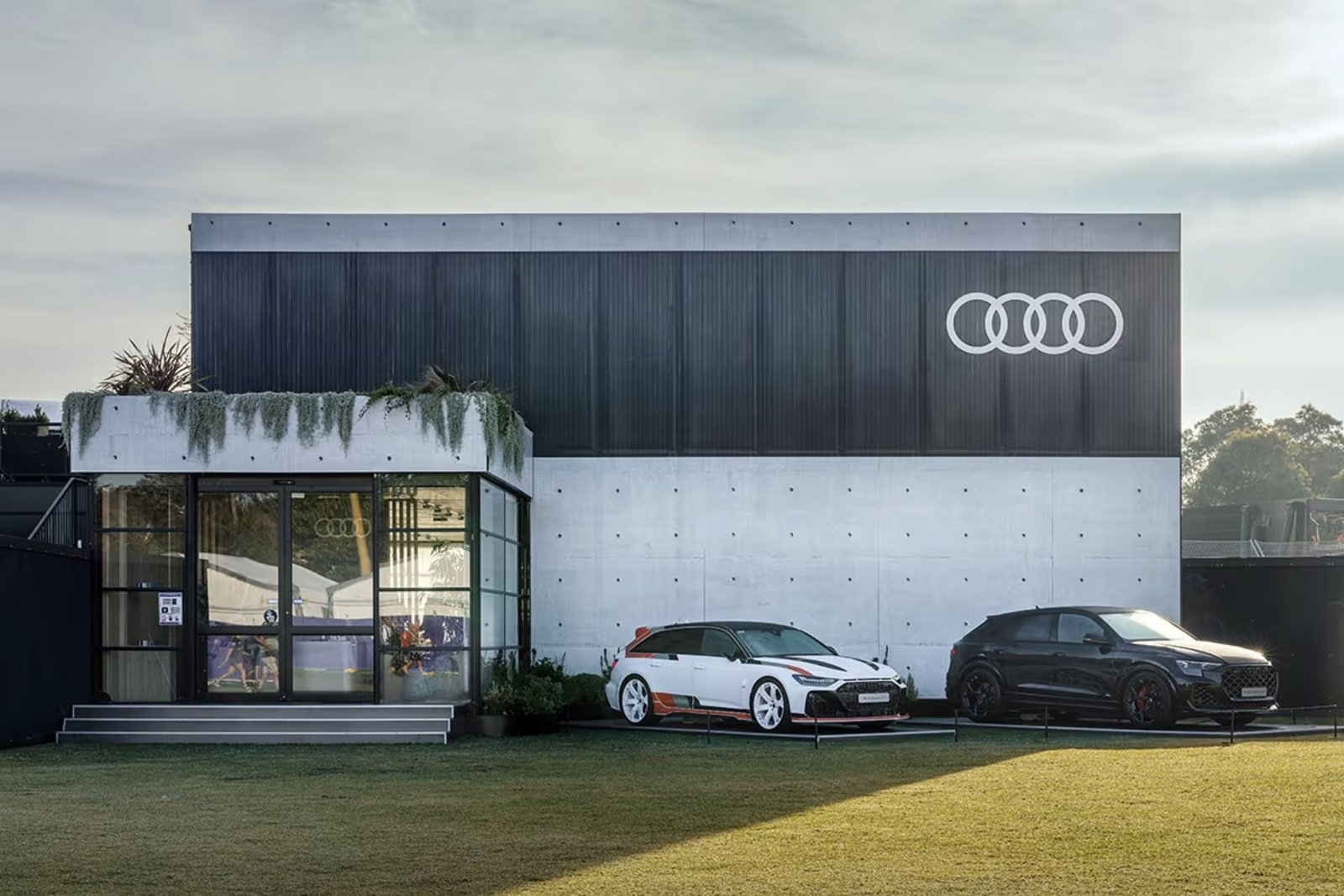
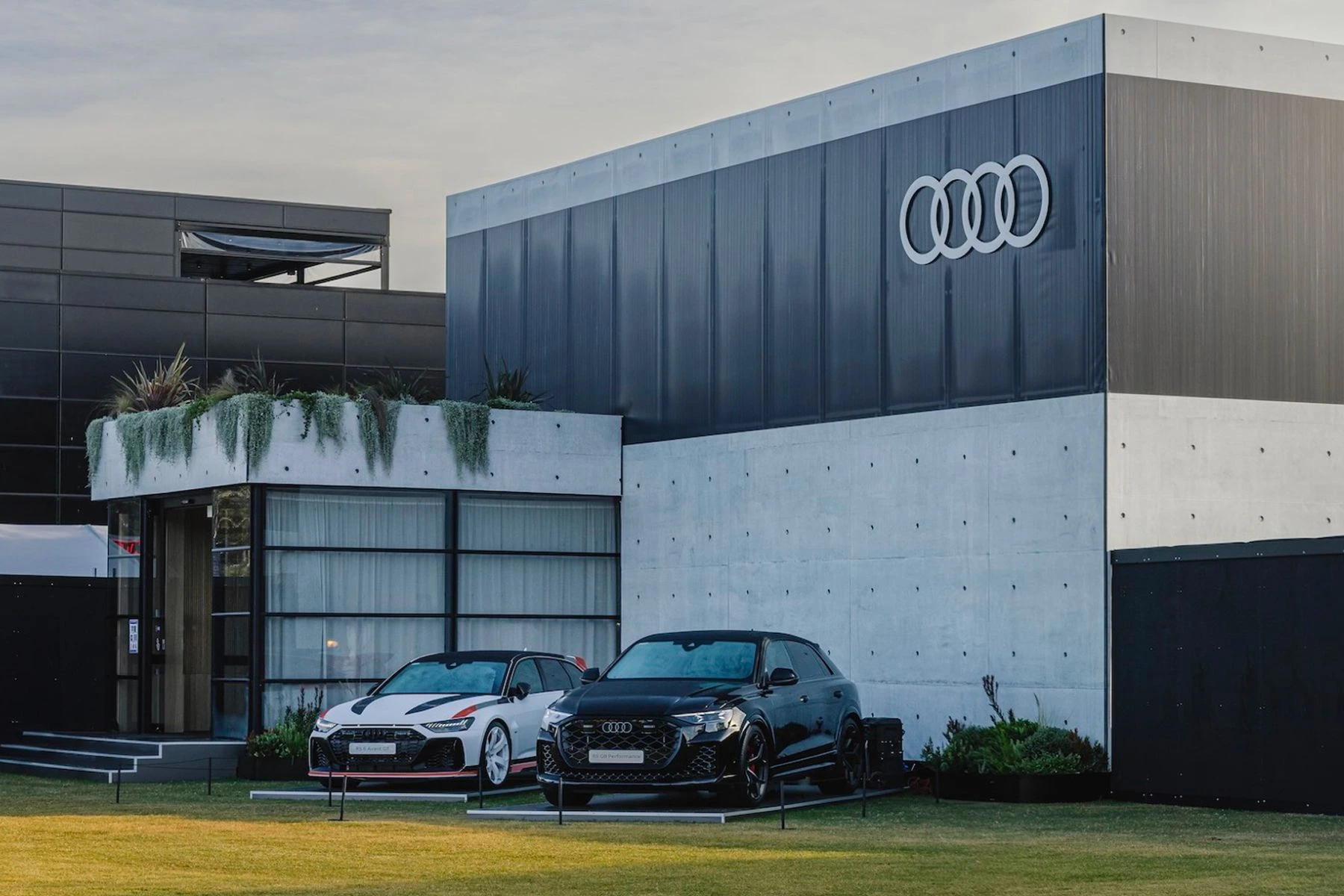
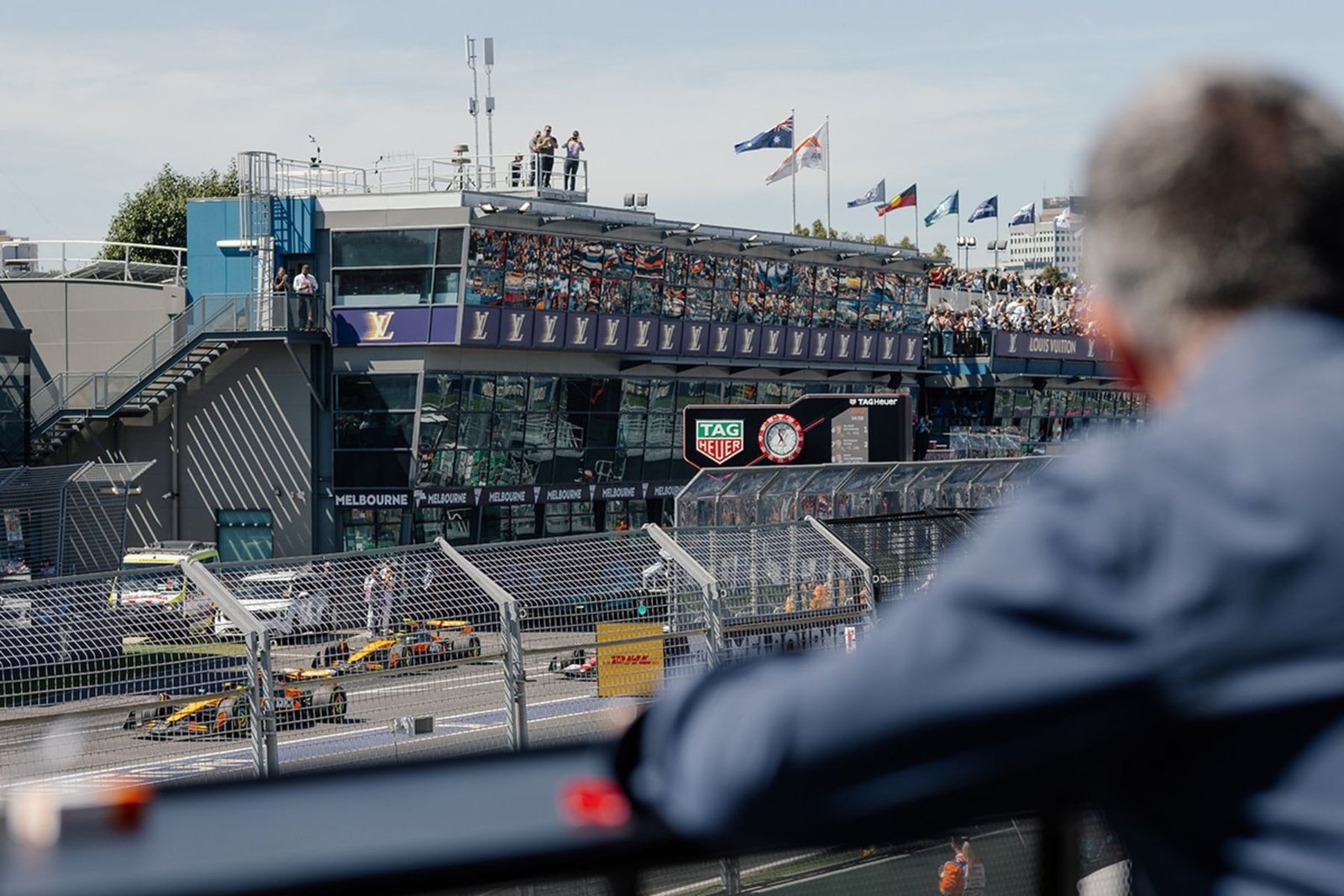
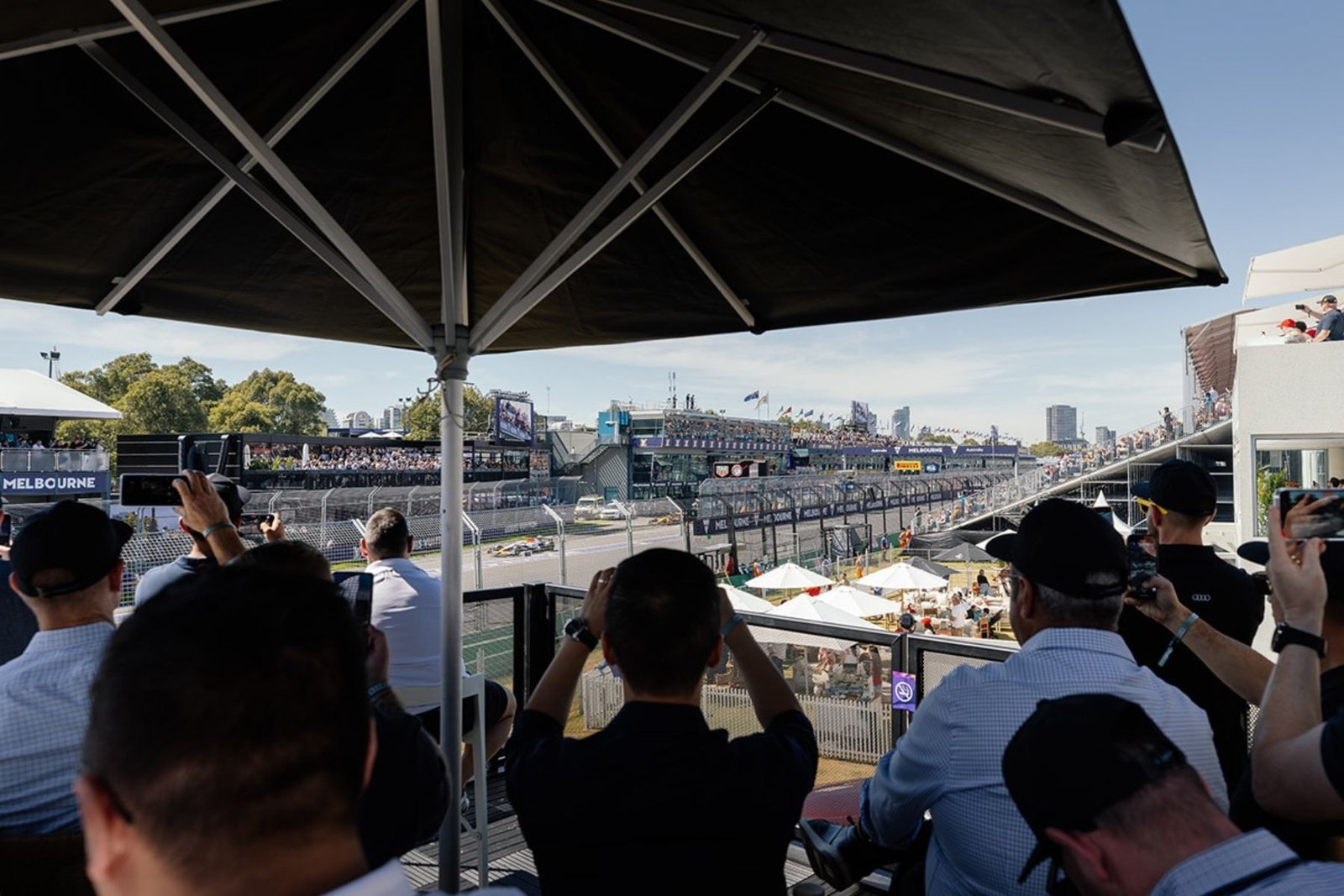
Located right on the main straight with views over the pit exit, the three-level suite puts guests in the heart of the action for the whole race weekend. Premium viewing spots have become very hard to get at the Melbourne Grand Prix, especially after attendance hit 465,000, making Audi’s location one of the most wanted hospitality areas at Albert Park. The setup also features several open-air viewing platforms, offering guests clear views as the Formula 1 cars exit the pits and speed down the track’s fastest section.

Inside Audi’s Exclusive Trackside Suite Experience at the Formula 1 Australian Grand Prix 2026
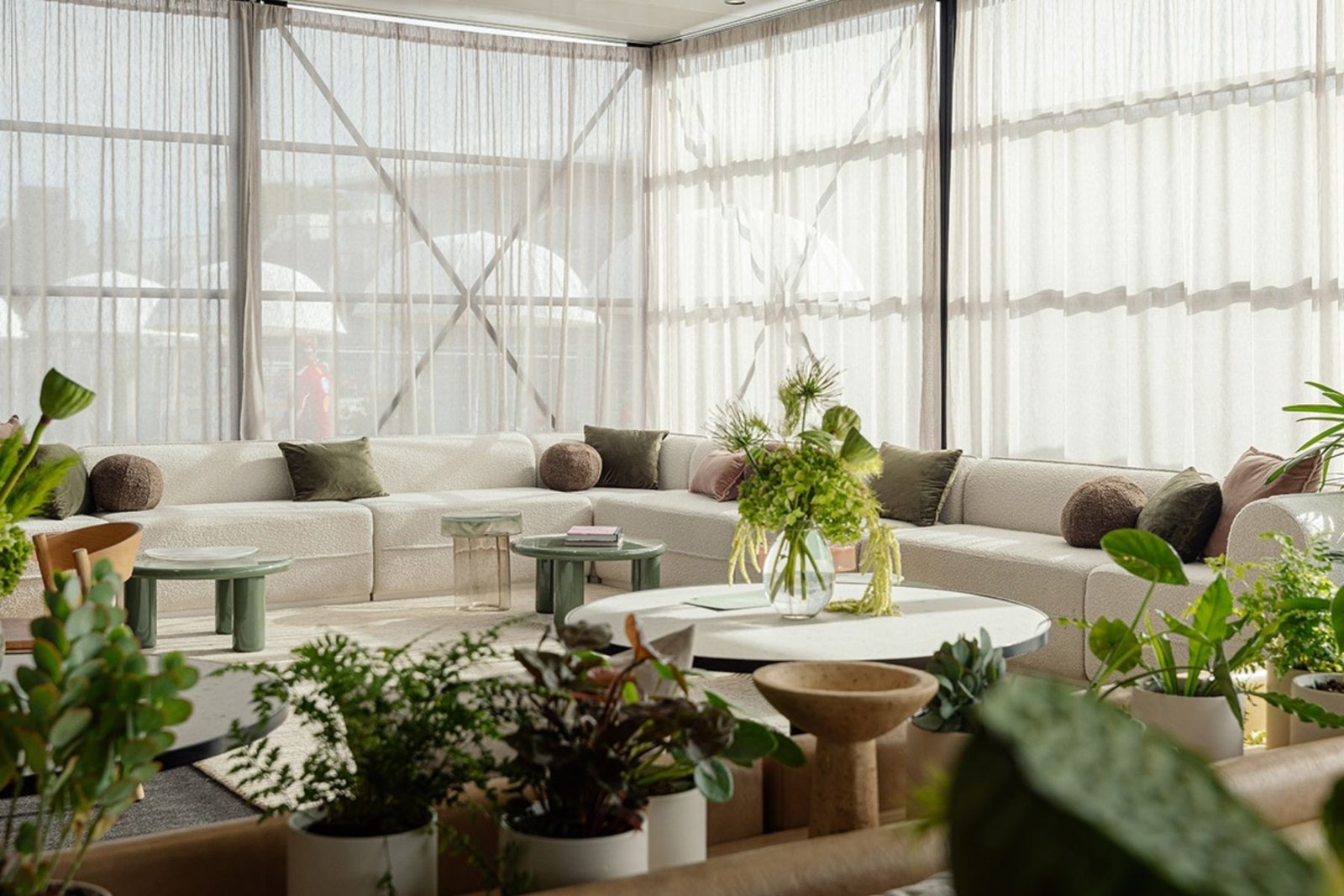
Audi Trackside Suite | Image: Audi Australia

Inside, the suite uses Audi’s modern, simple design, creating a more elegant feel than many usual Formula 1 hospitality areas. Guests can enjoy carefully curated dining, top drinks, luxury lounge spaces, and a trackside setting made for passionate motorsport fans and business guests seeking a high-end Grand Prix weekend. Audi has also expanded the suite for 2026 as demand for Formula 1 hospitality continues to grow worldwide.

As Formula 1 continues to draw larger global audiences, especially younger fans and luxury travellers, experiences like this are becoming just as important as the race itself. For anyone wanting to enjoy Melbourne’s Grand Prix weekend in real style, Audi’s Trackside Suite could easily become one of the most wanted tickets of the 2026 Formula 1 season.
Inside Audi’s Exclusive Trackside Suite Experience at the Formula 1 Australian Grand Prix 2026 Balcony.
Audi Trackside Suite | Image: Audi Australia
Inside Audi’s Exclusive Trackside Suite Experience at the Formula 1 Australian Grand Prix 2026 Balcony.
Audi Trackside Suite | Image: Audi Australia

A ticket to Audi’s Trackside Suite is much more than just race entry. Costing about USD $6,100 per guest, the package includes full three-day access to the entire Formula 1 Australian Grand Prix weekend, along with an all-inclusive hospitality program made to capture the excitement and energy of Formula 1. From the moment guests arrive at Albert Park, the experience is meant to feel more like a luxury private lounge than a regular sports event.

The hospitality focuses strongly on top-tier dining and high-quality service throughout the weekend. Guests will enjoy an exclusive menu created by famous chef and Audi ambassador Guillaume Brahimi, along with premium drinks, barista-made coffee, live entertainment, and private facilities throughout the suite. Together with direct trackside views over the main straight and pit exit, it offers one of the most exclusive ways to enjoy Formula 1 in Melbourne.

Inside Audi’s Exclusive Trackside Suite Experience at the Formula 1 Australian Grand Prix 2026
Audi Trackside Suite | Image: Audi Australia

“Audi’s entry into Formula 1 marks an extraordinary milestone for our brand, and the 2026 Australian Grand Prix will be a defining moment for our customers and fans,” said Nick Reid, General Manager of Marketing for Audi Australia.

“The Audi Trackside Suite offers a hospitality experience that reflects the precision, innovation, and ambition of our entry into the sport. We are proud to provide a front-row setting where guests can witness the start of this exciting new chapter for Audi, surrounded by exceptional service and world-class design.”

More details about the experience will come closer to the 2026 race weekend, but Audi has already made a strong impression at Albert Park with one of the most impressive hospitality spaces planned for the Formula 1 season.
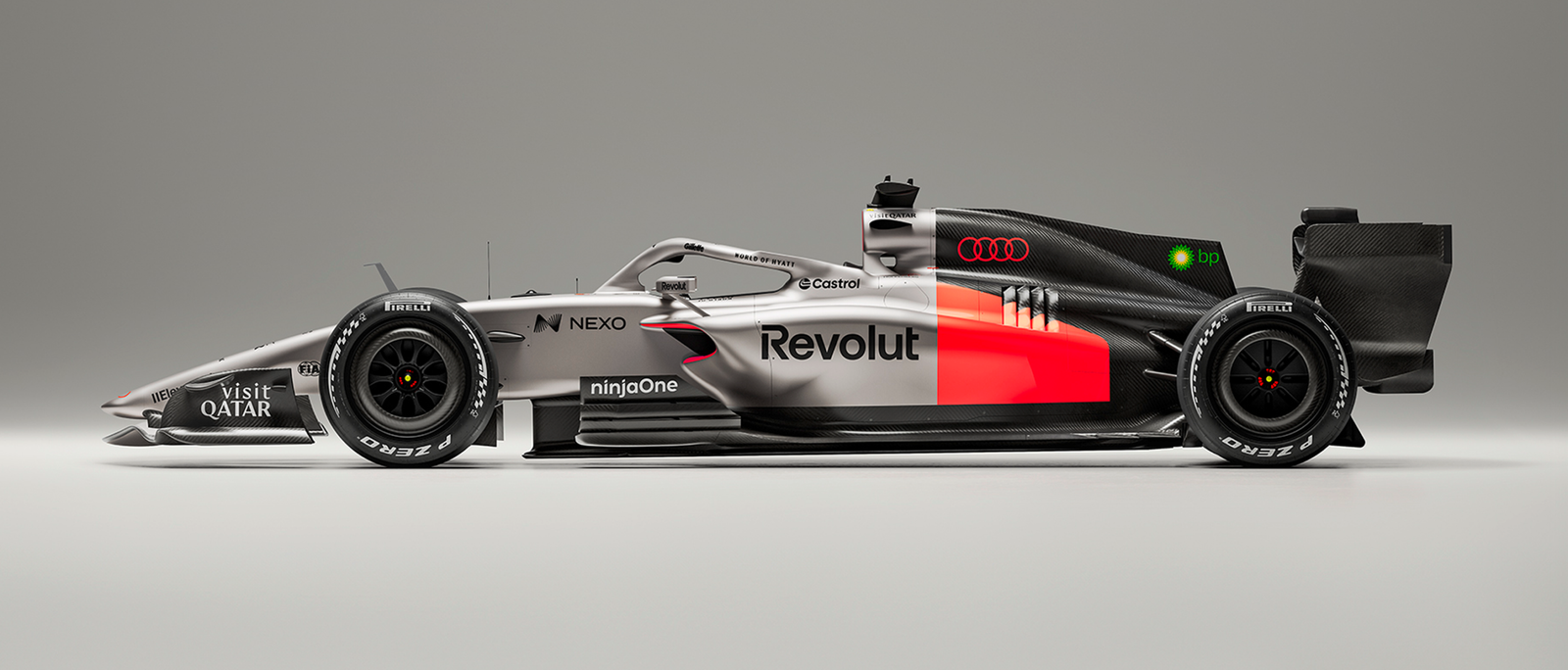
Audi F1 Team 2026 Formula 1 car with silver, black and red livery and Revolut branding
Audi F1 | Image: Audi Australia

F1Audi
About the Author

Related Articles

Cars

Nissan’s R35 GT-R Bids Farewell After an Incredible 18-Year Legacy

Reading Time: 5 minutes

Our team of editors and experts thoughtfully chooses each product. If you decide to buy through one of our links, we may earn a commission. Learn more. Want to know how we test products? Click here for more details.

Eighteen years after it first stunned the automotive world, the final R35 Nissan GT-R has rolled off the production line, closing the chapter on one of Japan’s most iconic performance cars. In an industry where models are constantly redesigned, electrified, or softened to meet regulations, the GT-R refused to compromise. It stayed loud, raw, and unapologetically itself while the rest of the market shifted around it.

What makes its farewell even more remarkable is how fiercely it held its ground. Across nearly two decades of increasingly fierce competition, the R35 built a loyal following that never wavered. With almost 48,000 units ever produced since 2007, it became the most successful GT-R of all time, earning global respect not through flashy marketing or exotic pricing, but through engineering honesty and real-world performance.

Even as the years caught up with it, the formula remained unrivalled, offering all-wheel drive, fierce acceleration, and a fighter-jet personality that many modern performance cars quietly emulate. Watching the last R35 leave the factory hits harder than expected because this wasn’t just another fast car. It marked an era when machines felt mechanical, emotional, and deeply connected to the driver.

Now, as Godzilla takes its final bow in Japan, we’re left with admiration, nostalgia, and one big question—what form will its next evolution take?

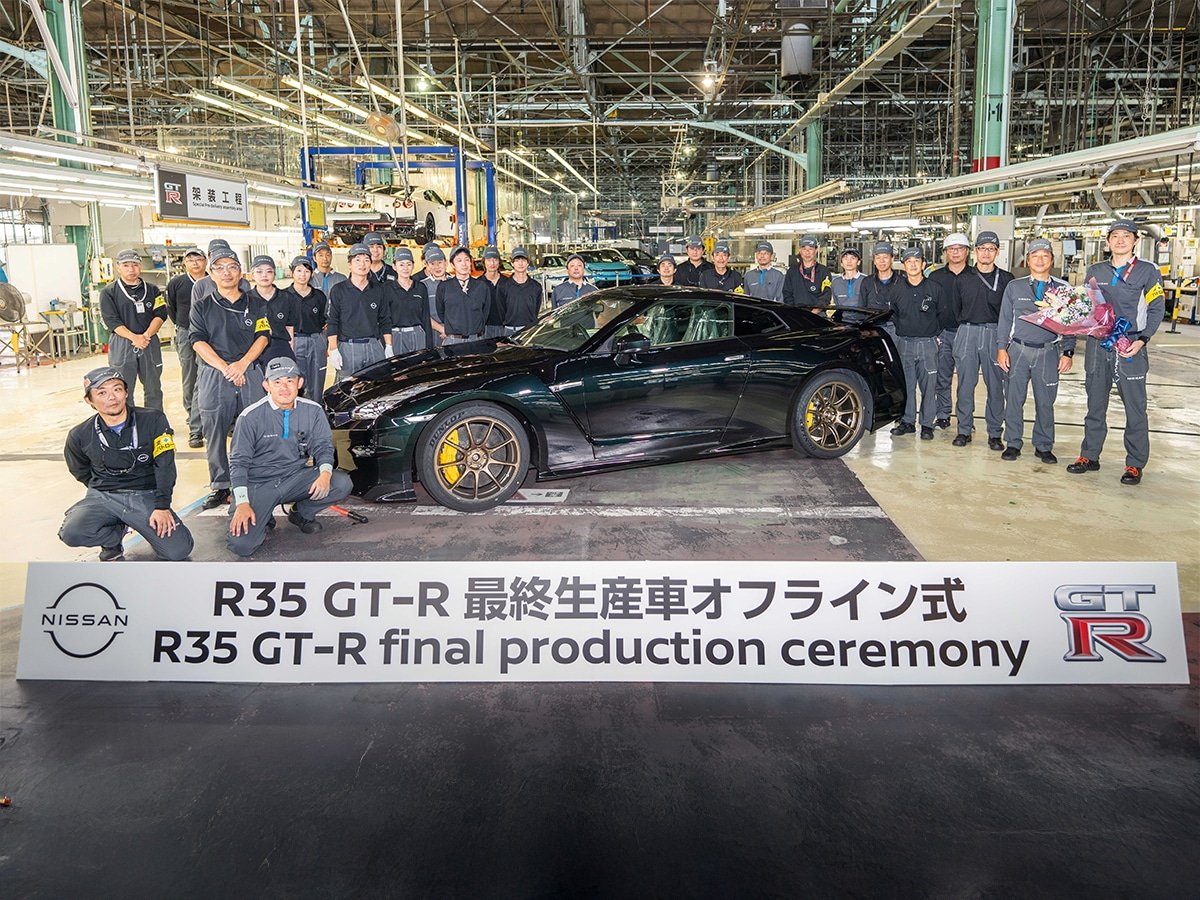
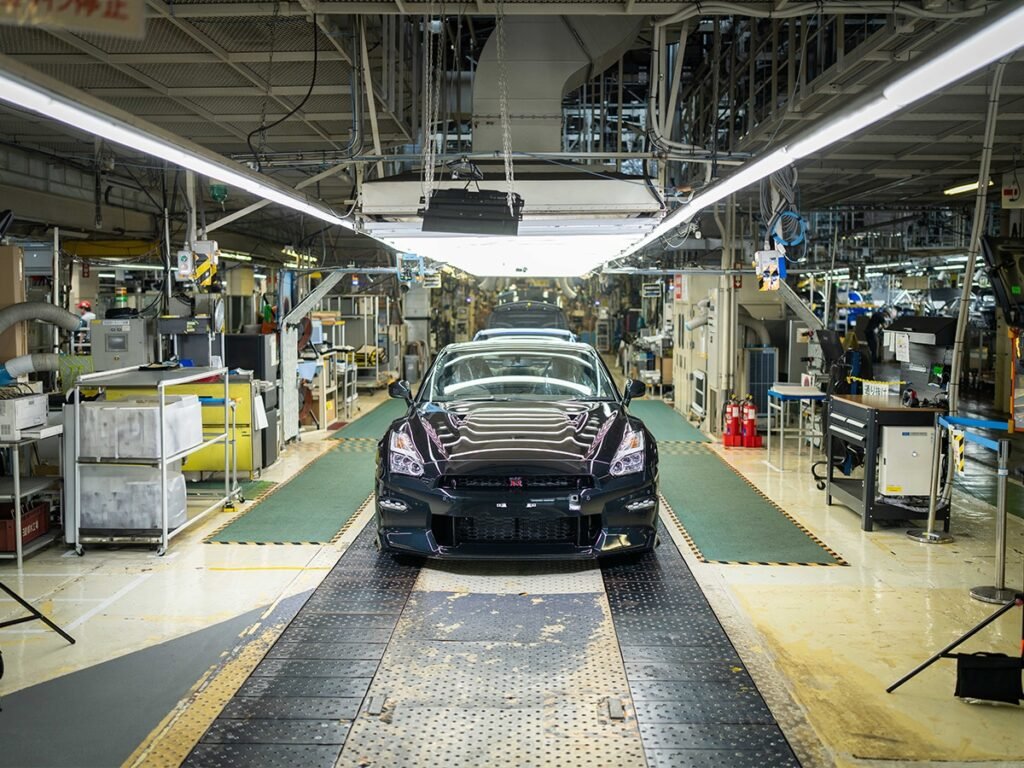
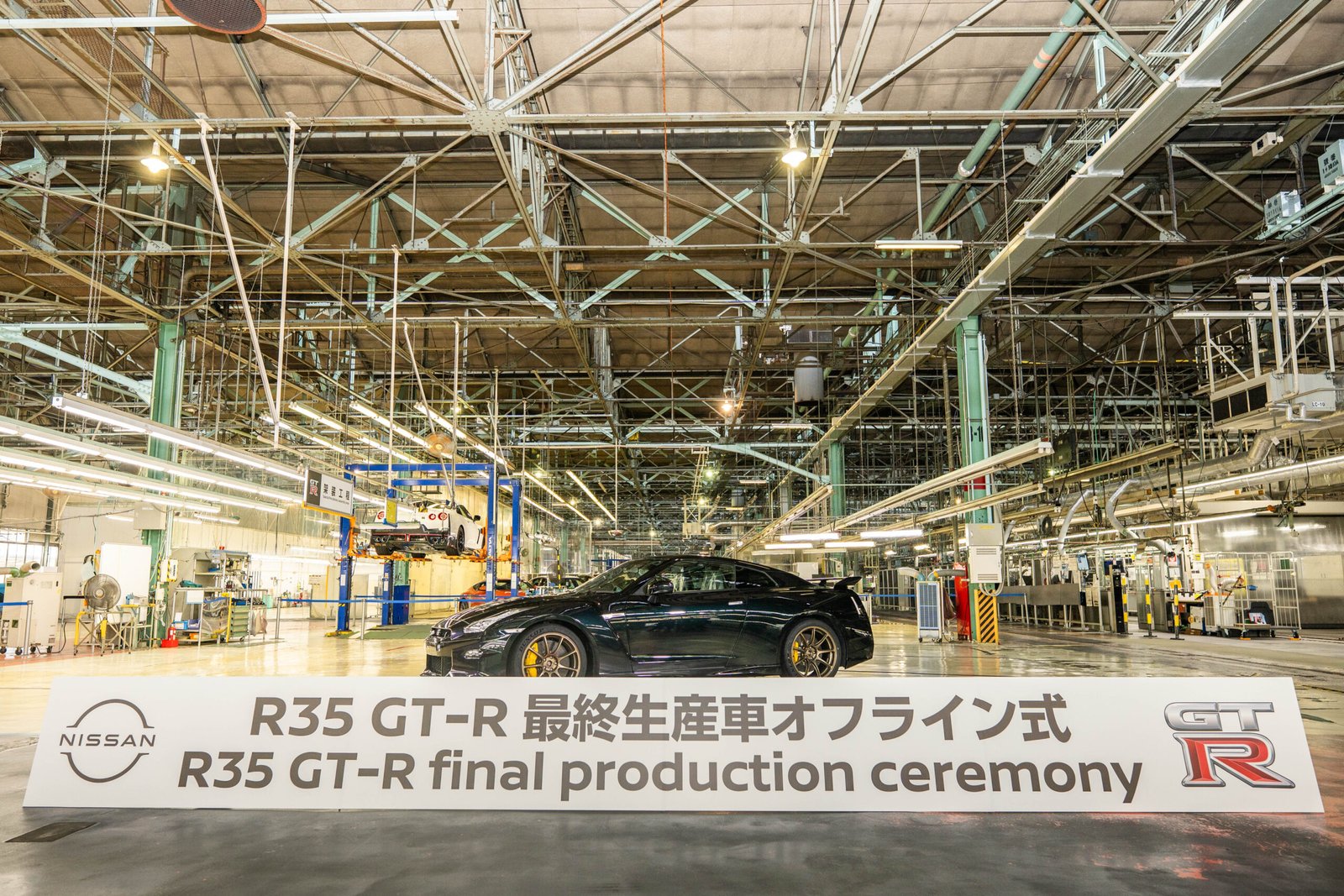
Nissan R35 GT-R final production ceremony | Image: Nissan

The Final R35 & Its Place in History

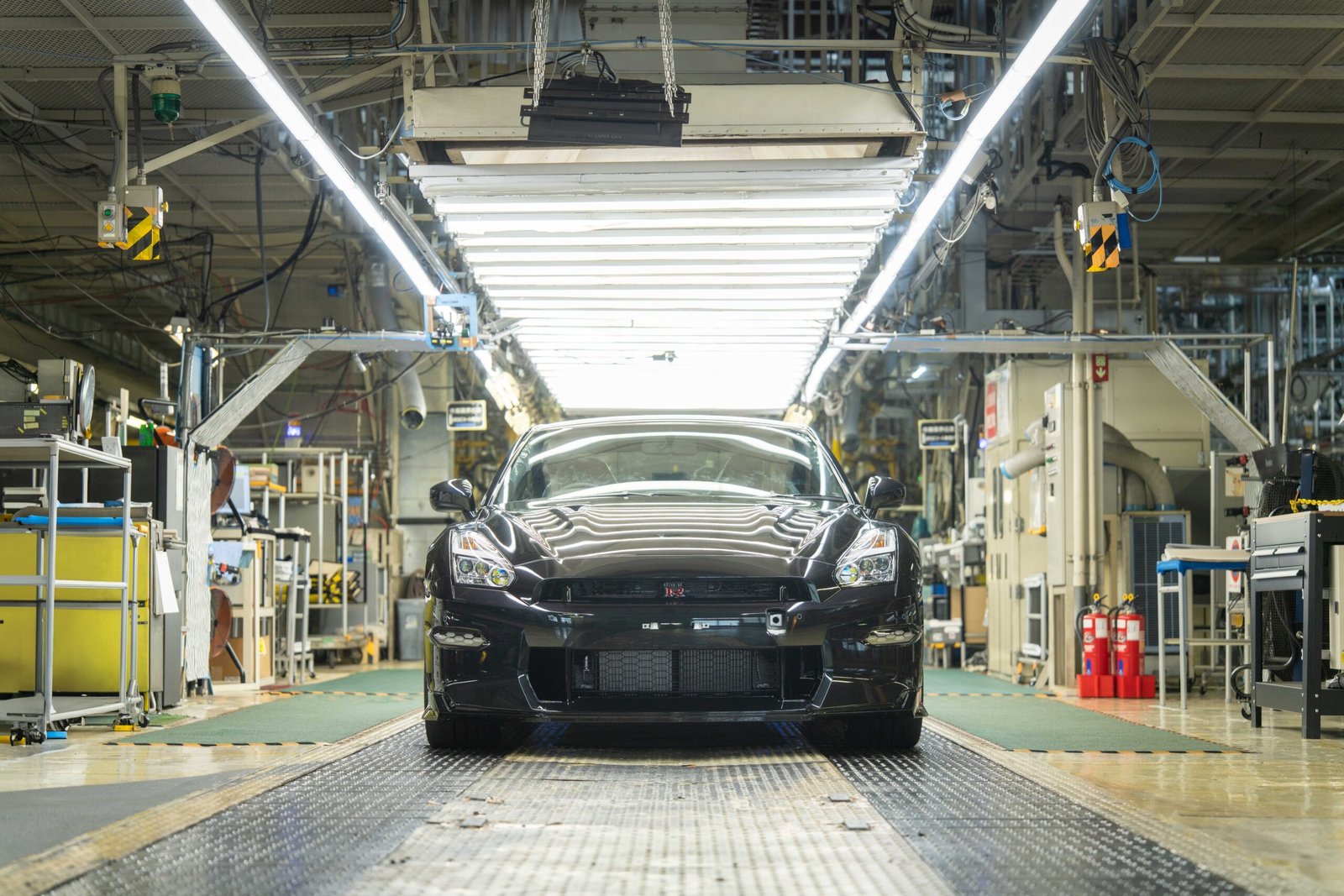
The last R35 Nissan GT-R to ever leave the production line rolled out of the Tochigi, Japan, factory as a Premium edition T-Spec finished in Midnight Purple. It was a poetic farewell for a car that never followed the traditional automotive timeline. Rather than full redesigns every few years, Nissan spent eighteen years fine-tuning the R35 with careful upgrades and special editions, including the ferocious 600 PS Nismo models.

The impressive development of the GT-R originated from its strong performance foundation. Power increased from 480 PS in the original model to about 570 PS by 2017. Nismo engineers pushed the boundaries further by adopting technology from GT3 racecars, fitting later versions with motorsport-inspired turbochargers and lightweight internals such as upgraded piston rings, connecting rods, crankshafts, and valve springs. Each update aimed to improve speed while maintaining the GT-R’s unshakeable durability.

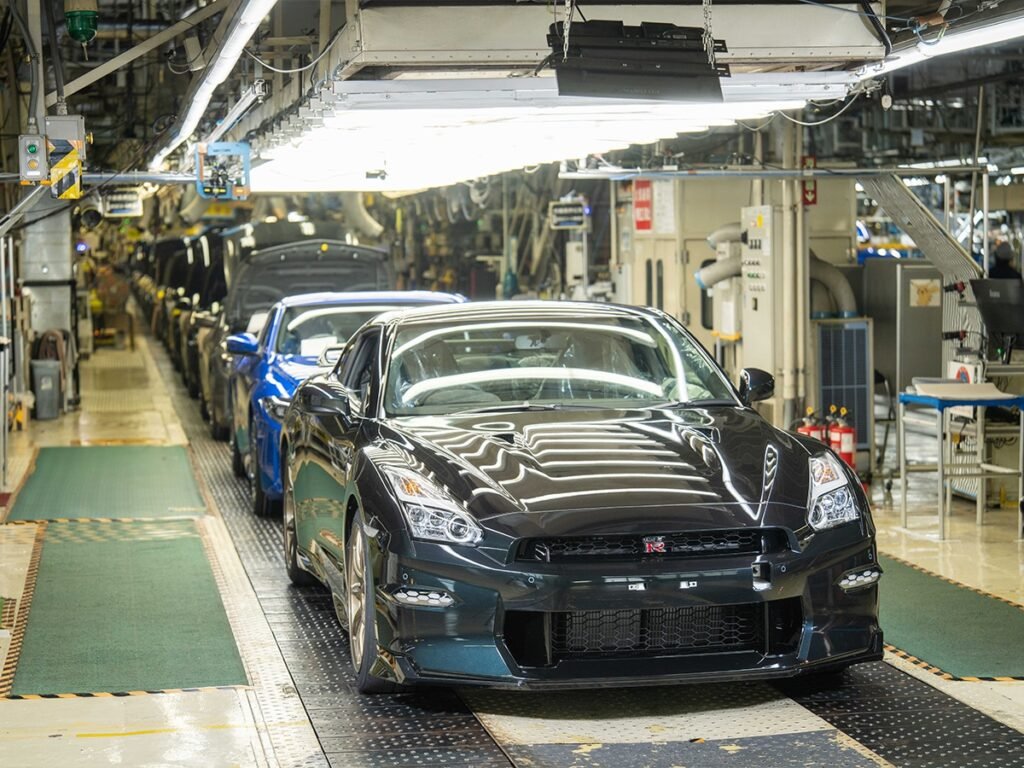
Nissan R35 GT-R final production ceremony | Image: Nissan

Although the R35’s performance improved considerably, it was still largely handcrafted in an industry now dominated by automation. Its VR38DETT twin-turbo V6 engine was assembled by just nine Takumi masters, each dedicating hours to building an engine from the ground up. Their signatures were proudly displayed on a plaque attached to every unit, positioning the GT-R alongside more exotic brands in terms of craftsmanship.

And of course, you can’t talk about the R35 without mentioning the Nürburgring. When the 2007 car clocked a 7:38 lap time, it didn’t just turn heads — it sparked a worldwide obsession with beating the ’Ring. Manufacturers started chasing lap records as if they were championship titles, and the GT-R was at the heart of that movement. That achievement helped solidify its reputation as a giant-killer, a car able to humiliate much more expensive and exotic machines.

Nissan R35 GT-R final production ceremony | Image: Nissan

With the R35’s eighteen-year reign coming to an end, the obvious question is what lies ahead for Nissan’s legendary performance badge. Nissan has been cautious, providing no concrete details about the R36, but there are enough clues to indicate that Godzilla’s next form will look quite different from the current model. As the automotive industry rapidly shifts toward electrification, Nissan’s long-term plans are heavily focused on EV technology. All indications suggest that a future GT-R will combine electric performance with the core essence that fans cherish.

Ivan Espinosa, Nissan’s President and CEO, clarified the company’s future plans for the GT-R community with a message blending gratitude and reassurance: “After 18 remarkable years, the R35 GT-R has left an enduring mark on automotive history… To the many fans of the GT-R worldwide, I want to tell you this isn’t a goodbye to the GT-R forever, it’s our goal for the GT-R nameplate to one day make a return.”

As for what the R36 will look like, industry expectations point toward a hybrid layout as the most realistic path, allowing Nissan to comply with worldwide emissions rules while maintaining the dynamic acceleration and all-wheel-drive traction that have characterised every GT-R generation. Combining electric torque with a new combustion engine could elevate performance further into supercar territory, while modern software and torque-vectoring systems would unlock capabilities only hinted at by the R35.

The real challenge ahead is emotional rather than technical. Enthusiasts connected with the R35 because it felt mechanical, visceral, and unapologetically human—traits that are becoming increasingly rare in a world of batteries and silent drivetrains. Translating that soul into a new era will be Nissan’s greatest test. But if the brand’s history has proven anything, it’s that the GT-R always returns stronger, bolder, and more iconic than anyone expects. One chapter has closed, but Godzilla’s story is far from finished.

Nissan R35 GT-R final production ceremony | Image: Nissan
NissanSports Cars
About the Author
arrow_drop_up