Our team of editors and experts thoughtfully chooses each product. If you decide to buy through one of our links, we may earn a commission. Learn more. Want to know how we test products? Click here for more details.
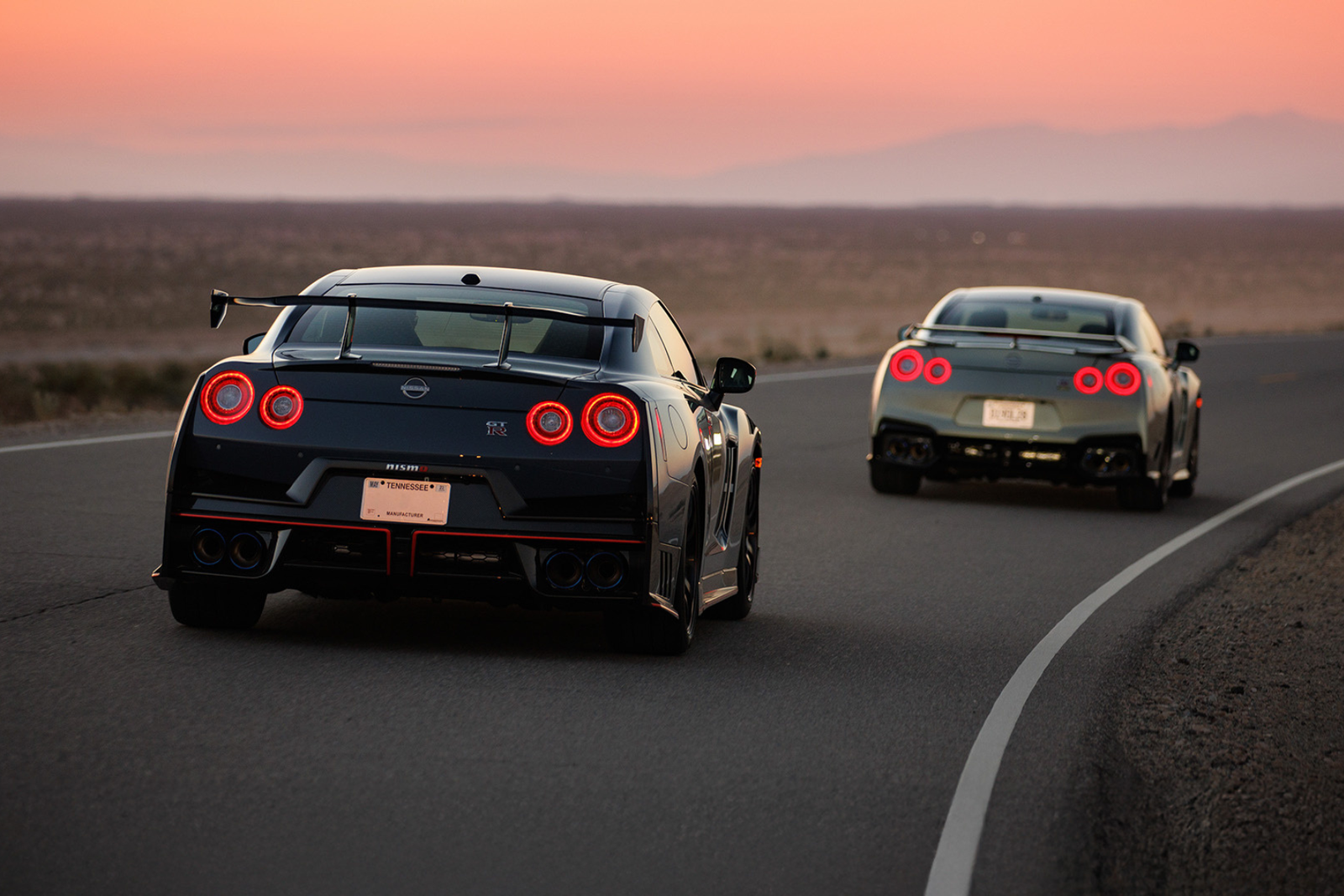
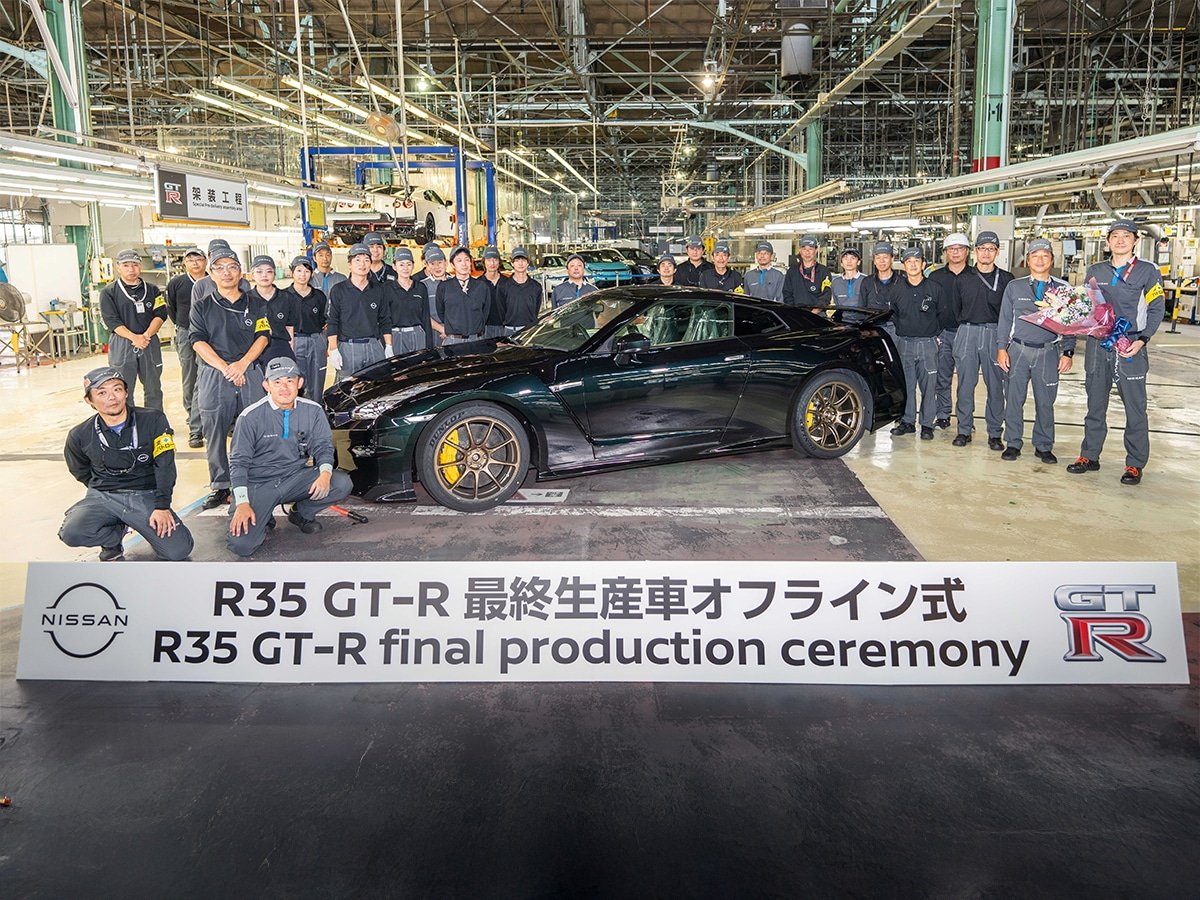
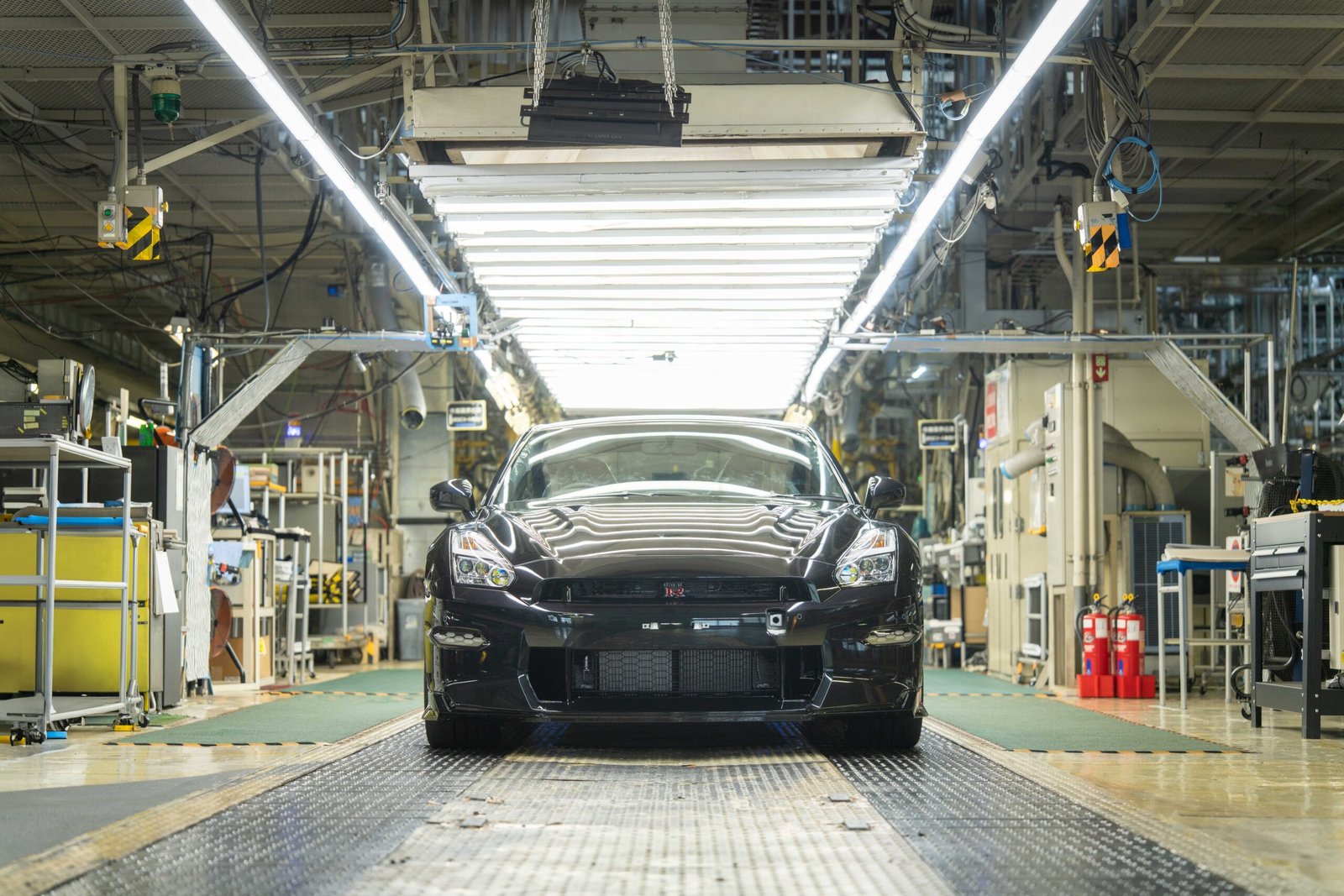
Eighteen years after it first stunned the automotive world, the final R35 Nissan GT-R has rolled off the production line, closing the chapter on one of Japan’s most iconic performance cars. In an industry where models are constantly redesigned, electrified, or softened to meet regulations, the GT-R refused to compromise. It stayed loud, raw, and unapologetically itself while the rest of the market shifted around it.
What makes its farewell even more remarkable is how fiercely it held its ground. Across nearly two decades of increasingly fierce competition, the R35 built a loyal following that never wavered. With almost 48,000 units ever produced since 2007, it became the most successful GT-R of all time, earning global respect not through flashy marketing or exotic pricing, but through engineering honesty and real-world performance.
Even as the years caught up with it, the formula remained unrivalled, offering all-wheel drive, fierce acceleration, and a fighter-jet personality that many modern performance cars quietly emulate. Watching the last R35 leave the factory hits harder than expected because this wasn’t just another fast car. It marked an era when machines felt mechanical, emotional, and deeply connected to the driver.
Now, as Godzilla takes its final bow in Japan, we’re left with admiration, nostalgia, and one big question—what form will its next evolution take?
Nissan R35 GT-R final production ceremony | Image: Nissan
The Final R35 & Its Place in History
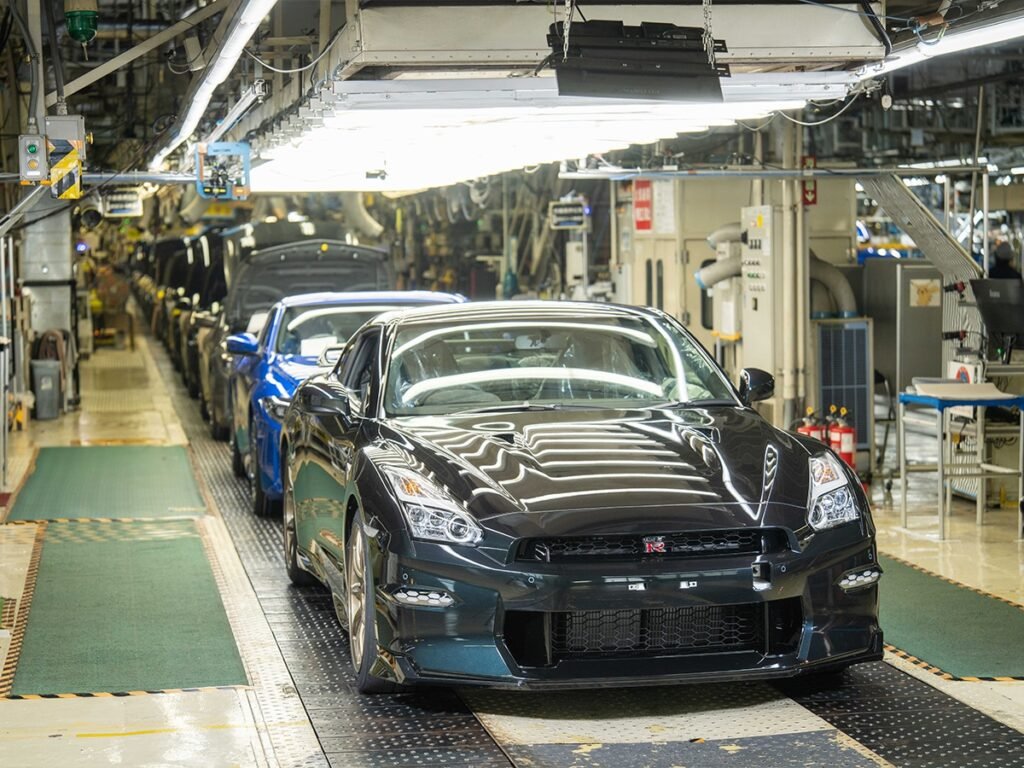
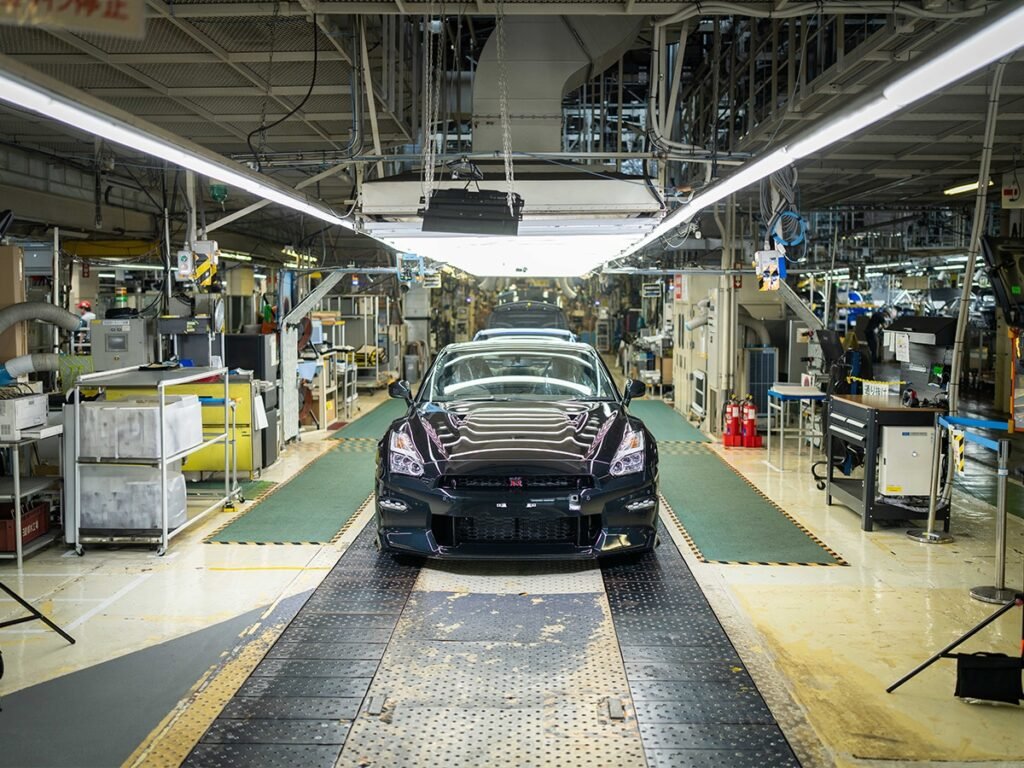
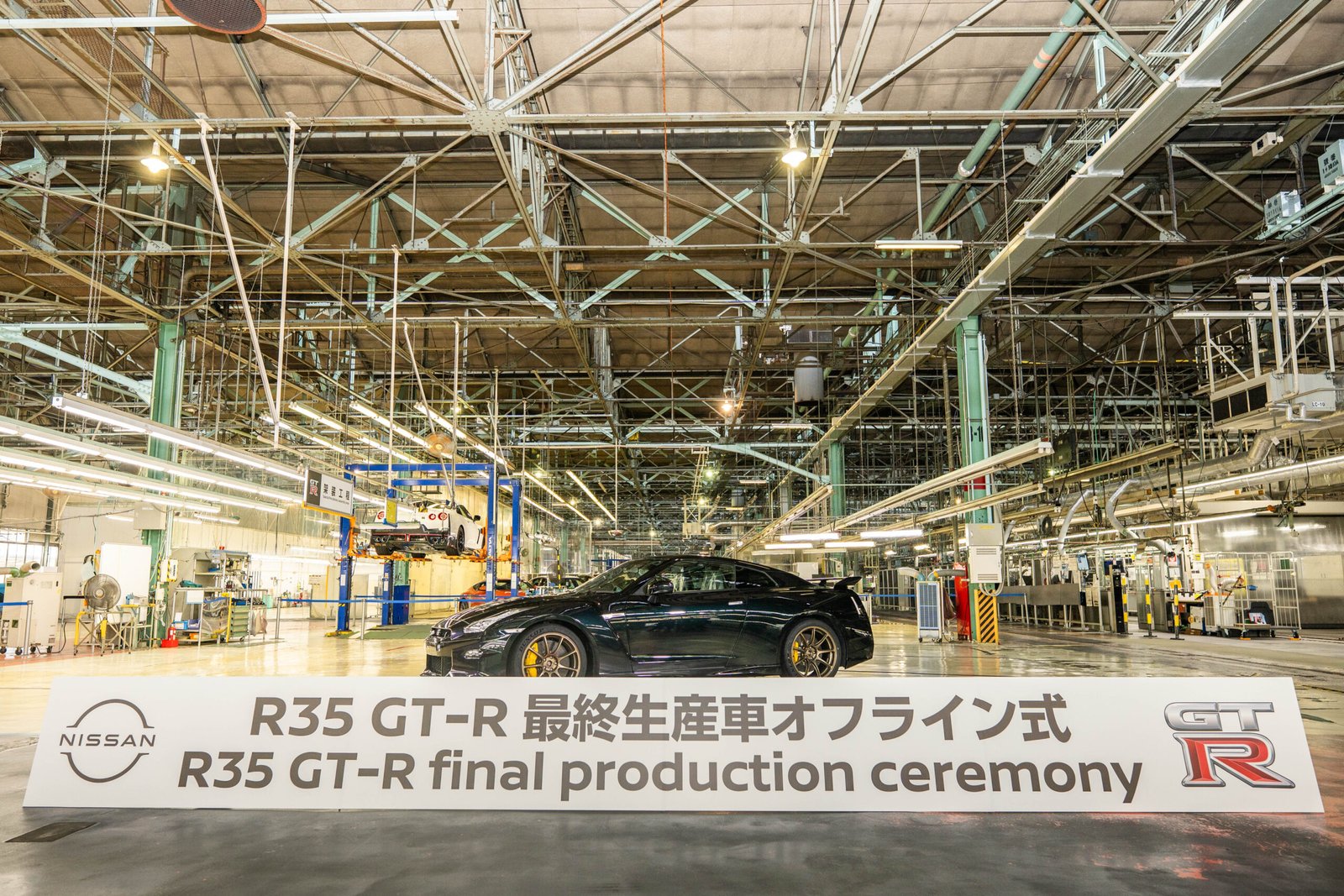
The last R35 Nissan GT-R to ever leave the production line rolled out of the Tochigi, Japan, factory as a Premium edition T-Spec finished in Midnight Purple. It was a poetic farewell for a car that never followed the traditional automotive timeline. Rather than full redesigns every few years, Nissan spent eighteen years fine-tuning the R35 with careful upgrades and special editions, including the ferocious 600 PS Nismo models.
The impressive development of the GT-R originated from its strong performance foundation. Power increased from 480 PS in the original model to about 570 PS by 2017. Nismo engineers pushed the boundaries further by adopting technology from GT3 racecars, fitting later versions with motorsport-inspired turbochargers and lightweight internals such as upgraded piston rings, connecting rods, crankshafts, and valve springs. Each update aimed to improve speed while maintaining the GT-R’s unshakeable durability.
Nissan R35 GT-R final production ceremony | Image: Nissan
Nissan R35 GT-R final production ceremony | Image: Nissan
Although the R35’s performance improved considerably, it was still largely handcrafted in an industry now dominated by automation. Its VR38DETT twin-turbo V6 engine was assembled by just nine Takumi masters, each dedicating hours to building an engine from the ground up. Their signatures were proudly displayed on a plaque attached to every unit, positioning the GT-R alongside more exotic brands in terms of craftsmanship.
And of course, you can’t talk about the R35 without mentioning the Nürburgring. When the 2007 car clocked a 7:38 lap time, it didn’t just turn heads — it sparked a worldwide obsession with beating the ’Ring. Manufacturers started chasing lap records as if they were championship titles, and the GT-R was at the heart of that movement. That achievement helped solidify its reputation as a giant-killer, a car able to humiliate much more expensive and exotic machines.
Nissan R35 GT-R final production ceremony | Image: Nissan
With the R35’s eighteen-year reign coming to an end, the obvious question is what lies ahead for Nissan’s legendary performance badge. Nissan has been cautious, providing no concrete details about the R36, but there are enough clues to indicate that Godzilla’s next form will look quite different from the current model. As the automotive industry rapidly shifts toward electrification, Nissan’s long-term plans are heavily focused on EV technology. All indications suggest that a future GT-R will combine electric performance with the core essence that fans cherish.
Ivan Espinosa, Nissan’s President and CEO, clarified the company’s future plans for the GT-R community with a message blending gratitude and reassurance: “After 18 remarkable years, the R35 GT-R has left an enduring mark on automotive history… To the many fans of the GT-R worldwide, I want to tell you this isn’t a goodbye to the GT-R forever, it’s our goal for the GT-R nameplate to one day make a return.”
As for what the R36 will look like, industry expectations point toward a hybrid layout as the most realistic path, allowing Nissan to comply with worldwide emissions rules while maintaining the dynamic acceleration and all-wheel-drive traction that have characterised every GT-R generation. Combining electric torque with a new combustion engine could elevate performance further into supercar territory, while modern software and torque-vectoring systems would unlock capabilities only hinted at by the R35.
The real challenge ahead is emotional rather than technical. Enthusiasts connected with the R35 because it felt mechanical, visceral, and unapologetically human—traits that are becoming increasingly rare in a world of batteries and silent drivetrains. Translating that soul into a new era will be Nissan’s greatest test. But if the brand’s history has proven anything, it’s that the GT-R always returns stronger, bolder, and more iconic than anyone expects. One chapter has closed, but Godzilla’s story is far from finished.
Elias Albay is the Founder and Director of Many Men Magazine, a Toronto-based digital publication dedicated to promoting modern masculinity through style, culture, and self-improvement. What started as a personal turning point became a purposeful platform. — born from Elias’ desire to create something meaningful after completing his studies and finding no career path that truly matched his ambitions. With a background in Civil Engineering from York University and experience in Commercial Flight Operations at CAE, he applied skills, and resilience from both fields to forge a new path.
Our team of editors and experts thoughtfully chooses each product. If you decide to buy through one of our links, we may earn a commission. Learn more. Want to know how we test products? Click here for more details.
If you’ve ever been on a skateboard, you understand that the deck is central to the experience. It’s the focal point for everything, from honing tricks to cruising down the streets. With countless skateboard deck brands available, selecting the right one can be overwhelming. Not every deck is the same, and finding one that suits your style—whether you’re just starting or are a veteran—can significantly enhance your ride.
That’s where we come in. This guide showcases the top 15 skateboard deck brands, detailing what sets each apart. We’ll discuss aspects like durability, performance, and the distinctive designs that make these brands popular among skaters worldwide. Whether you’re searching for the perfect graphic to express your style, a board sturdy enough for the toughest tricks, or simply seeking a smooth ride, we’ve got everything you need.
From legendary brands that have influenced skate culture for years to fresh names making waves, we’ve compiled a selection of the finest. Get ready (or should we say lace up your shoes?) as we embark on a journey through the leading skateboard deck brands that are defining the standard this year. Are you prepared to discover your ideal deck? Let’s hit the road.
Baker Skateboards transcends mere branding; it embodies a movement. Founded by pro skater Andrew Reynolds, Baker captures the essence of challenging boundaries and celebrating skateboarding’s raw, wild spirit. Renowned for its striking and often rebellious designs, Baker decks are engineered to endure whatever you throw their way—be it grinding down a handrail or kickflipping over a flight of stairs. However, what truly distinguishes Baker is not just their ruggedness; it’s the vibrant culture that accompanies it. With a team of daring riders perpetually pushing the limits of possibility, Baker decks symbolize creativity, defiance, and an unwavering pursuit of progress. If you’re seeking a deck that matches your most demanding sessions while making a bold statement, Baker is the ideal choice.
Real Skateboard | Image: Instagram @ realskateboards
2. Real Skateboard
Real Skateboards has become synonymous with authenticity and innovation in the skateboarding world. Founded in 1991 by the iconic skater Jim Thiebaud, Real has consistently led the way in both skate culture and performance. Their decks are meticulously crafted with an unwavering commitment to pushing limits—whether you’re skating in the streets, at the park, or downhill, Real decks are designed to endure, offering an ideal combination of durability, pop, and control. Featuring simple yet striking graphics, Real decks allow the ride’s quality to take center stage. With a team of skaters who consistently push the boundaries of what’s achievable, Real Skateboards represents more than just equipment—it embodies a legacy that celebrates creativity, passion, and the pure joy of skating.
Anti Hero Skateboard | Image: Instagram @antihero18
3. Anti Hero Skateboard
Skateboarding at its most rebellious, raw, and unapologetic—Anti-Hero Skateboards embodies the spirit of pushing boundaries. Founded by legendary skater Julien Stranger in 1995, the brand has always stayed true to skateboarding’s gritty, punk rock roots. Known for its provocative graphics and tough-as-nails construction, Anti-Hero decks are built to withstand the roughest sessions while delivering the stability and pop skaters need to push their limits. Whether you’re bombing hills or grinding rails, these decks are made for those who thrive on adrenaline and live on the edge. With a team of skaters who constantly rewrite the rules, Anti-Hero is more than just a brand—it’s a badge of honor for those who embrace the thrill and chaos of the ride.
Heroin Skateboards focuses on innovation, creativity, and breaking traditional skateboarding norms. Founded in the late ’90s by skater and artist Powell Peralta, Heroin has earned a reputation for expanding the limits of skateboards—not just in performance but also in design. Recognized for their vibrant, unique graphics and distinctive shapes, Heroin decks have become icons of artistic expression in the skate community. However, it’s not merely aesthetic; these decks are engineered for performance, providing an ideal mix of pop, durability, and control. Whether you’re hitting urban spots or honing tricks at the park, Heroin equips you with the essentials to elevate your skateboarding. With a team that consistently defies the ordinary, Heroin caters to skaters eager to distinguish themselves, both in appearance and ability.
Polar Skate Co. merges Scandinavian minimalism with vibrant skate culture, producing decks that are stylish yet functional. Founded in 2011 by professional skater Pontus Alv, Polar gained rapid recognition for its fusion of sleek, artistic design and high-performance quality. With their smooth lines, bright graphics, and distinctive shapes, Polar decks cater to skaters who value both aesthetic appeal and durability. Whether cruising around the city or executing intricate tricks at the park, Polar decks offer an ideal mix of pop, control, and stability. The team of skaters, celebrated for their technical skills and inventive style, continually enhances the brand’s reputation, making it a favorite for those aiming to stand out while advancing their skateboarding skills.
Since its inception in 1993, Girl Skateboards has served as a cornerstone of skate culture, perfectly blending style, quality, and innovation. Founded by industry legends Mike Carroll and Rick Howard, the brand swiftly established a reputation for its clean, recognizable graphics and superior deck construction. These decks are crafted for skaters seeking both durability and pop, excelling equally on the streets and in parks. However, Girl Skateboards represents more than just exceptional boards—it embodies community, progression, and the joy of skateboarding. With a talented team of riders and a history of groundbreaking video segments, Girl Skateboards continuously pushes the boundaries of skate culture while staying true to its roots.
Emerging from the streets of London, Palace Skateboards has transformed the skateboarding landscape with its unique fusion of high fashion, underground edge, and authentic skate culture. Established in 2009 by Lev Tanju, Palace quickly stirred attention with its recognizable style—vivid graphics, retro inspiration, and a defiant spirit that feels both nostalgic and forward-thinking. Yet, Palace goes beyond aesthetics; their boards are designed for serious skaters, featuring robust construction, impressive pop, and the resilience necessary to tackle everything from stair sets to intricate ledges.
Palace has expanded beyond skateboarding into a worldwide sensation, launching flagship stores in major cities such as New York, Tokyo, and most recently, Seoul. Featuring a talented team of elite skaters and a loyal fanbase, Palace has evolved into more than a brand—it is now a movement. Whether you’re attracted to its striking designs or its dedication to authentic skateboarding, Palace Skateboards uniquely combines style and performance.
Krooked Skateboarding embodies fun, creativity, and the spirit of skateboarding. Established by the iconic Mark “Gonz” Gonzales, a pioneering figure in the skate world, Krooked introduces a whimsical yet innovative take on deck design. Renowned for its distinctive hand-drawn graphics and unconventional shapes, Krooked decks excel not only in appearance but also in performance, providing outstanding pop, durability, and a smooth riding experience for skaters of all levels. Whether gliding through city streets or executing technical tricks, Krooked decks inspire skaters to break the mold and celebrate their uniqueness. With a roster of riders who each bring their own flair, the brand persistently advances skate culture, keeping it enjoyable and unpredictable. If you seek a deck that combines quality, creativity, and the vibrant essence of skateboarding, Krooked is the perfect choice.
Pass-Port Skateboards brings a unique, grassroots perspective to the skateboarding world, blending rugged visuals with a strong connection to Australian skate culture. Founded by Trent Evans in 2009, the brand has developed a distinct identity anchored in its DIY spirit, community initiatives, and striking deck designs that draw inspiration from vintage photography and working-class themes. Pass-Port decks are not only visually appealing but also engineered for optimal performance, offering excellent pop, durability, and control, whether navigating urban environments or backyard spots. With a crew of innovative, boundary-breaking skaters and an expanding international presence, Pass-Port is steadily carving out its niche in skateboarding.
Carpet Company embodies the fusion of art, craftsmanship, and skateboarding. Established by brothers Ayman and Osama Abdeldayem, this Baltimore-based brand has gained recognition for its handcrafted, small-batch decks that resemble art pieces rather than generic boards. Each Carpet deck boasts detailed, screen-printed graphics that showcase a DIY aesthetic, emphasizing the brand’s underground ethos. Beyond aesthetics, these decks are designed for high performance, delivering exceptional pop, durability, and a smooth ride, perfect for both street and park skating. With a dedicated cult following and a passion for maintaining skateboarding’s raw and creative spirit, Carpet Company actively redefines both design and culture.
Santa Cruz Skateboards | Image: Instagram @santacruzskateboards
11. Santa Cruz Skateboards
Santa Cruz Skateboards stands as an enduring icon in skateboarding history, boasting a legacy that spans over four decades. Established in 1973, the brand is celebrated for its iconic Screaming Hand logo, striking graphics, and high-quality decks that have remained relevant through the years. Always leading the way in skateboarding innovation, Santa Cruz delivers robust, responsive, and long-lasting boards suitable for skaters of every style—whether you’re tackling large bowls, grinding rails, or simply cruising around town. With a roster of elite skaters and exciting collaborations that keep the brand dynamic, Santa Cruz relentlessly advances skateboarding while respecting its heritage.
Creature Skateboards caters to those who embrace the intense, edgy aspect of skateboarding. Renowned for its dark, horror-themed graphics and robust deck construction, Creature has earned its place as the preferred brand for skaters who enjoy deep bowls, huge transitions, and versatile shredding. These decks are crafted for strength and resilience, appealing to skaters who challenge themselves. With a bold team of daring riders and a signature look that embodies rebellion, Creature consistently offers high-performance boards that excel in both style and quality.
GX1000 Skateboards epitomizes street skating with its raw power and minimalist style. Renowned for its uncompromising commitment to skating, GX1000 has emerged as an emblem for hardcore street skaters who value performance above all else. Established by professional skater and filmmaker Zered Bassett, the brand has garnered a dedicated following through its genuine, rugged designs and boards built to withstand the harshest urban environments. GX1000 decks are engineered for strength and maneuverability, allowing skaters to push their boundaries, whether navigating rough streets or preparing for intricate tricks. With a team that truly represents the essence of street skating, GX1000 keeps progressing, solidifying its status as a go-to for riders seeking power and precision.
Toy Machine Skateboards combines creativity and skating, featuring unique designs and high-performance decks. Established by the iconic Ed Templeton in 1993, Toy Machine has established itself in skate culture, recognized for its quirky and sometimes surreal graphics that challenge the limits of skate art. However, the focus isn’t solely on aesthetics—these decks are crafted for serious skating, providing durability, great pop, and the stability necessary for everything from street spots to intricate tricks. With a roster of influential riders who continually innovate in the skateboarding world, Toy Machine motivates skaters to celebrate their individuality and ride with intent.
Hockey Skateboard | Image: Instagram @hockey.eyeswithoutaface
15. Hockey Skateboard
Hockey Skateboards embodies boldness and rebellion, adopting a fierce, unrestrained approach to street skating. Established by professional skateboarder and artist Jason Dill, the brand has gained recognition for its edgy, skate punk aesthetics and durable decks designed to endure the toughest sessions. With a unique graphic style that often features dark humor and unconventional designs, Hockey produces decks that are as distinctive as they are tough. Catering to skaters who seek resilience, pop, and a touch of attitude, Hockey decks perform excellently in both street and transition skating. Boasting an impressive lineup of formidable riders who consistently challenge limits, Hockey is a significant player in the skateboarding scene. For those in search of a deck that embodies power, originality, and pure skating energy, Hockey Skateboards is the way to go.
Elias Albay is the Founder and Director of Many Men Magazine, a Toronto-based digital publication dedicated to promoting modern masculinity through style, culture, and self-improvement. What started as a personal turning point became a purposeful platform. — born from Elias’ desire to create something meaningful after completing his studies and finding no career path that truly matched his ambitions. With a background in Civil Engineering from York University and experience in Commercial Flight Operations at CAE, he applied skills, and resilience from both fields to forge a new path.