







Christopher Nolan has travelled through dreams, space, time, and the very edge of human obsession, but now the legendary filmmaker is setting his sights on one of the greatest stories ever told. The Odyssey, inspired by Homer’s ancient Greek epic, is already shaping up to be one of the most anticipated films of modern cinema. With a star-studded cast, massive production scale, and Nolan’s signature approach to storytelling, the upcoming epic is generating serious excitement long before its release hits theatres.
For centuries, The Odyssey has influenced literature, film, and popular culture with its tale of survival, temptation, war, and the long journey home. Now, Christopher Nolan is bringing the legendary story to the big screen in a way only he can. From the cast lineup and filming locations to the release date and early details surrounding the production, here’s everything you need to know about The Odyssey before the film finally arrives.
Advertisement · Continue Reading Below
The Odyssey follows Odysseus, the King of Ithaca, as he tries to return home after the Trojan War. The fighting is over, but his troubles are just beginning. What should have been a simple sea voyage becomes years of disaster, loss, and a struggle to survive. Along the way, Odysseus faces violent storms, shipwrecks, mythical creatures, and angry gods who want to keep him from ever seeing his wife, Penelope, and his son, Telemachus, again.
The first trailer already reveals the story’s emotional side. It opens with the aftermath of war, showing burned land, abandoned armour, and tired soldiers walking through the ruins of victory. Throughout the scenes, Odysseus reflects on the cost of the war, saying, “After years of war, no one could stand between my men and home. Not even me.” This powerful moment quickly shifts the focus from glory to the wounds left by years of fighting.
Advertisement · Continue Reading Below
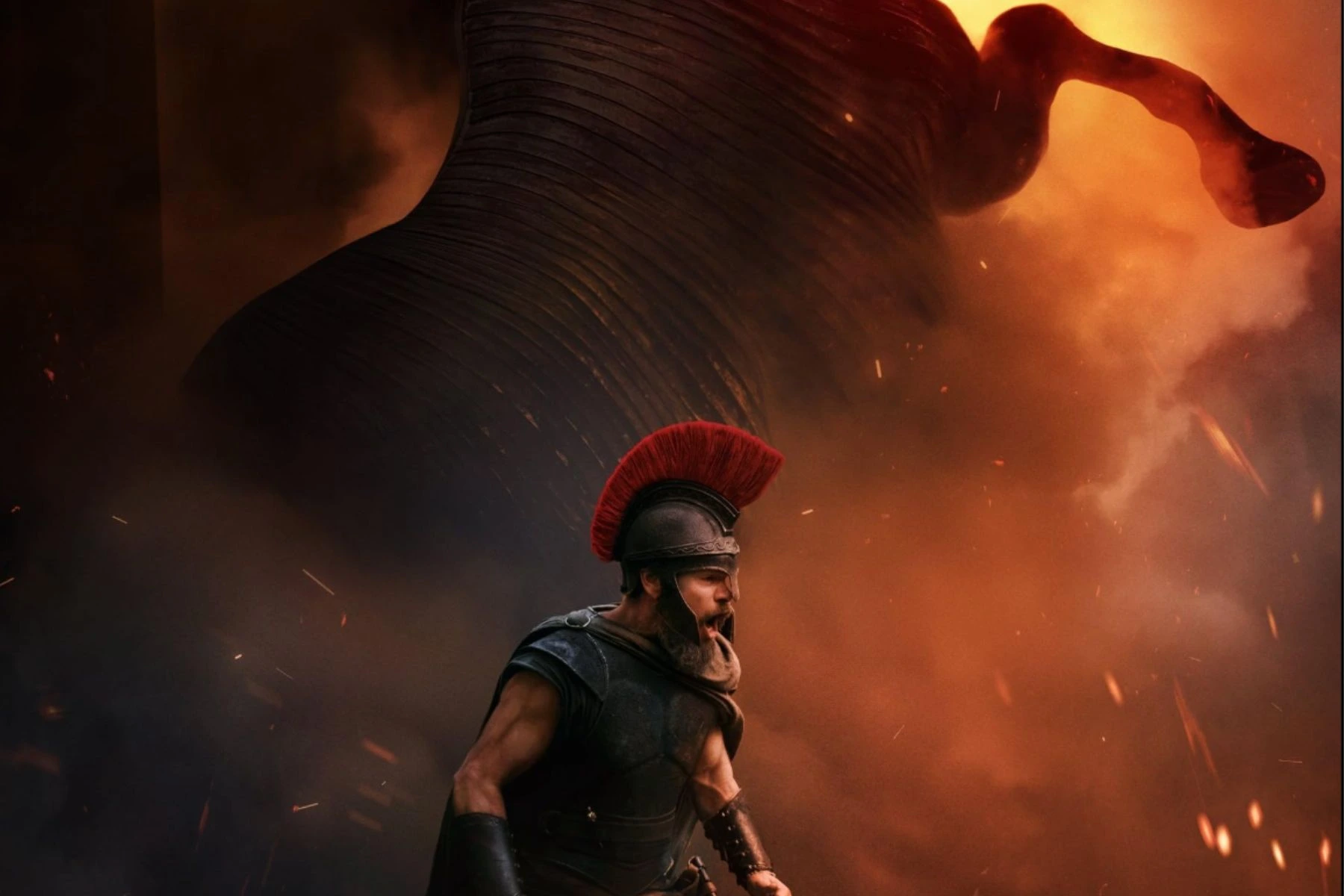
As the trailer goes on, the scale of the journey becomes clear. Huge waves crash against ships lost at sea, dark shapes emerge from the mist, and a giant figure believed to be the Cyclops briefly fills the screen. The trailer also slows for a quiet moment between Odysseus and Penelope. “Promise me you’ll come back,” she says. His answer says everything about what lies ahead: “What if I can’t?” That one line means more than any battle scene in the trailer.
Written by Homer centuries ago, The Odyssey remains one of the greatest adventure stories ever told, and Christopher Nolan seems poised to bring a darker, more realistic version to the big screen. Rather than explaining every detail, the trailer focuses on tension, emotion, and the sense of being lost in a world ruled by forces beyond human control. If the final film captures that same feeling, audiences might be seeing one of Nolan’s most ambitious projects yet.
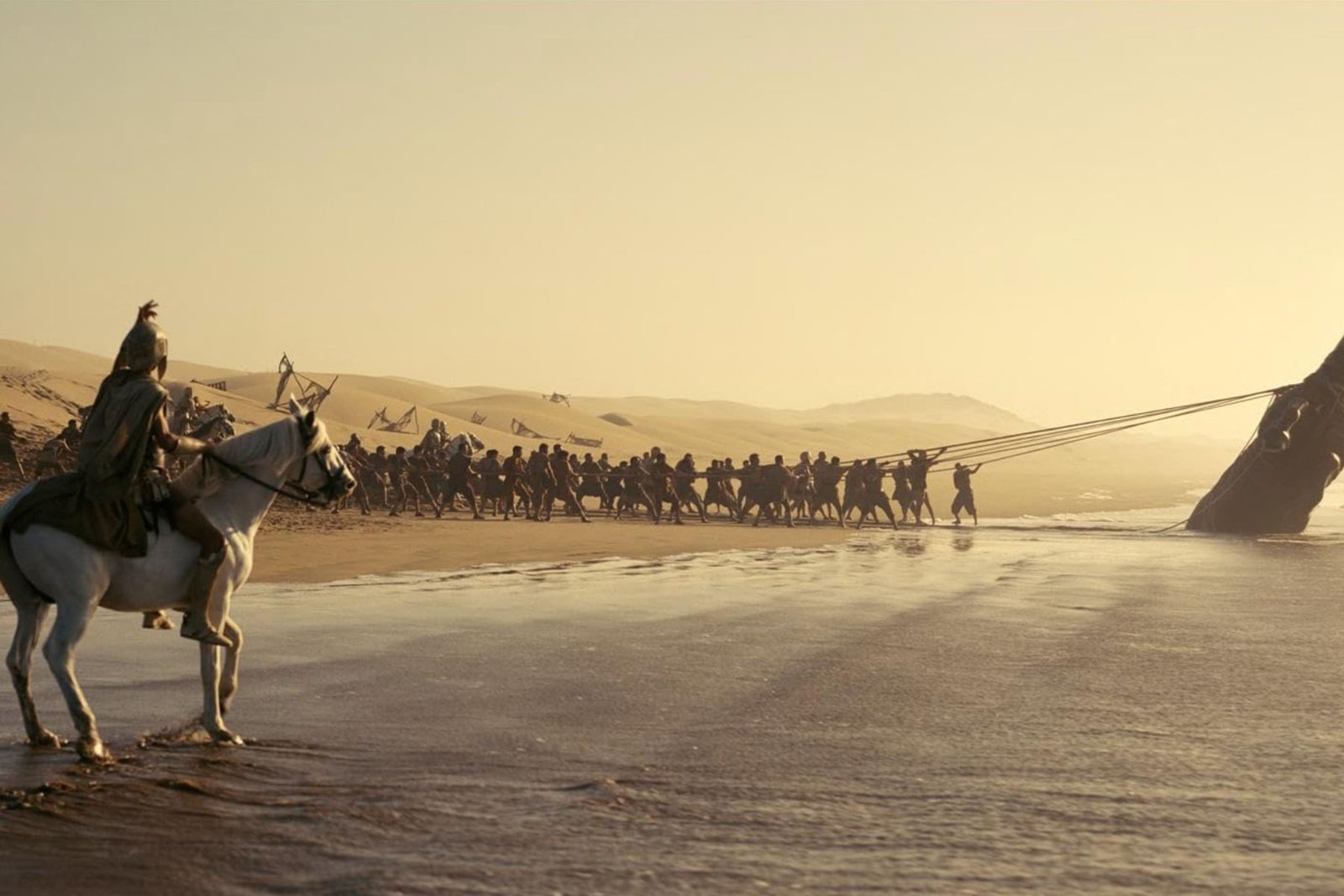
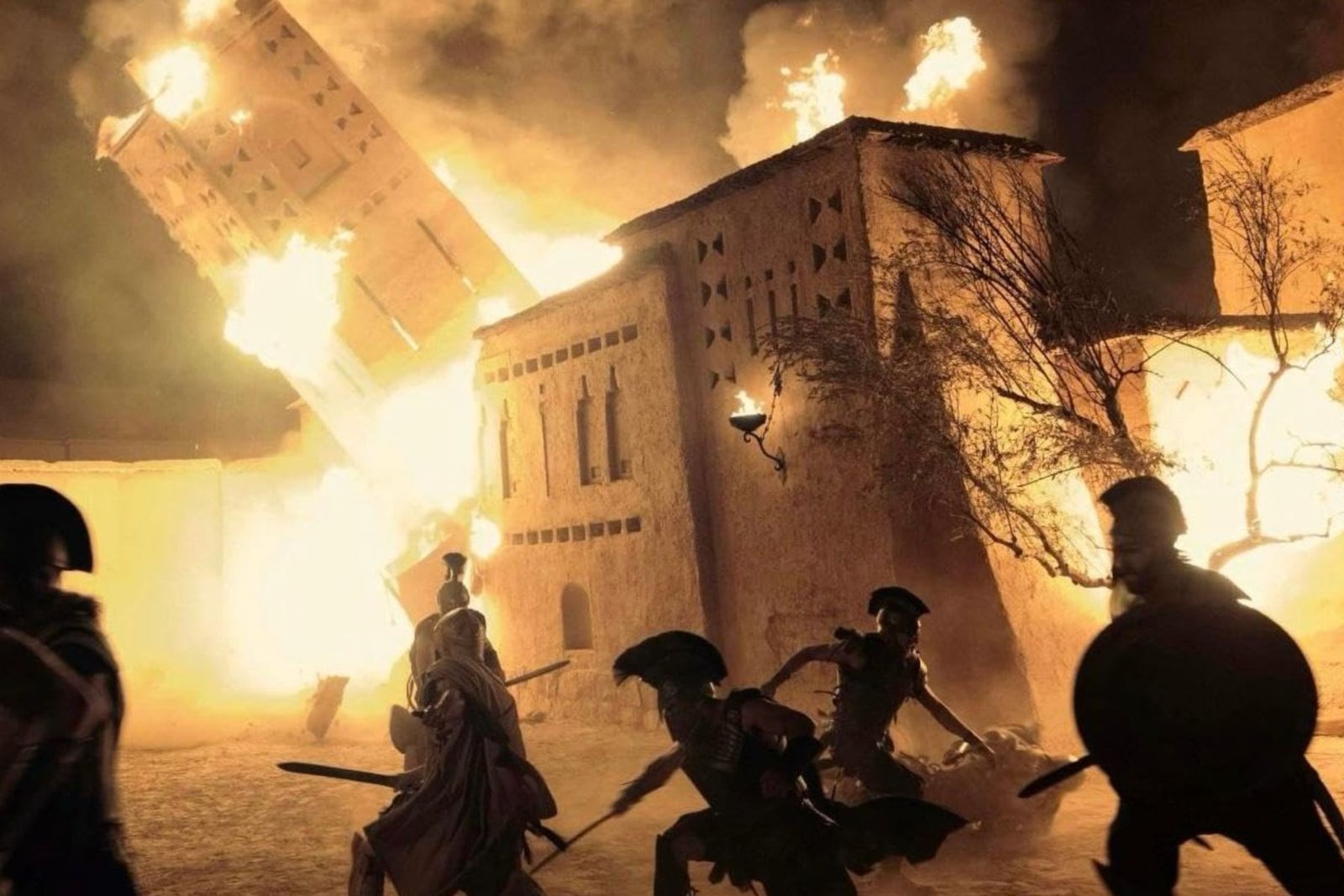
Christopher Nolan is filming ‘The Odyssey’ in the same style that made films like Dunkirk and Oppenheimer feel so massive on screen. Instead of building the entire world in CGI, the production relies heavily on real locations, practical sets, physical stunt work, and large-scale effects. That decision already gives the film a rougher, more believable look than many modern fantasy blockbusters.
One of the biggest talking points about the production is the camera technology itself. ‘The Odyssey’ is reportedly the first major narrative feature shot entirely on IMAX 70mm film, using newly developed cameras created specifically for the project. These updated IMAX cameras are said to be lighter and quieter than previous versions, making them easier to use during difficult outdoor shoots and large action sequences. Nolan also chose not to switch between formats during filming, meaning the entire movie is captured in large-format photography from start to finish.
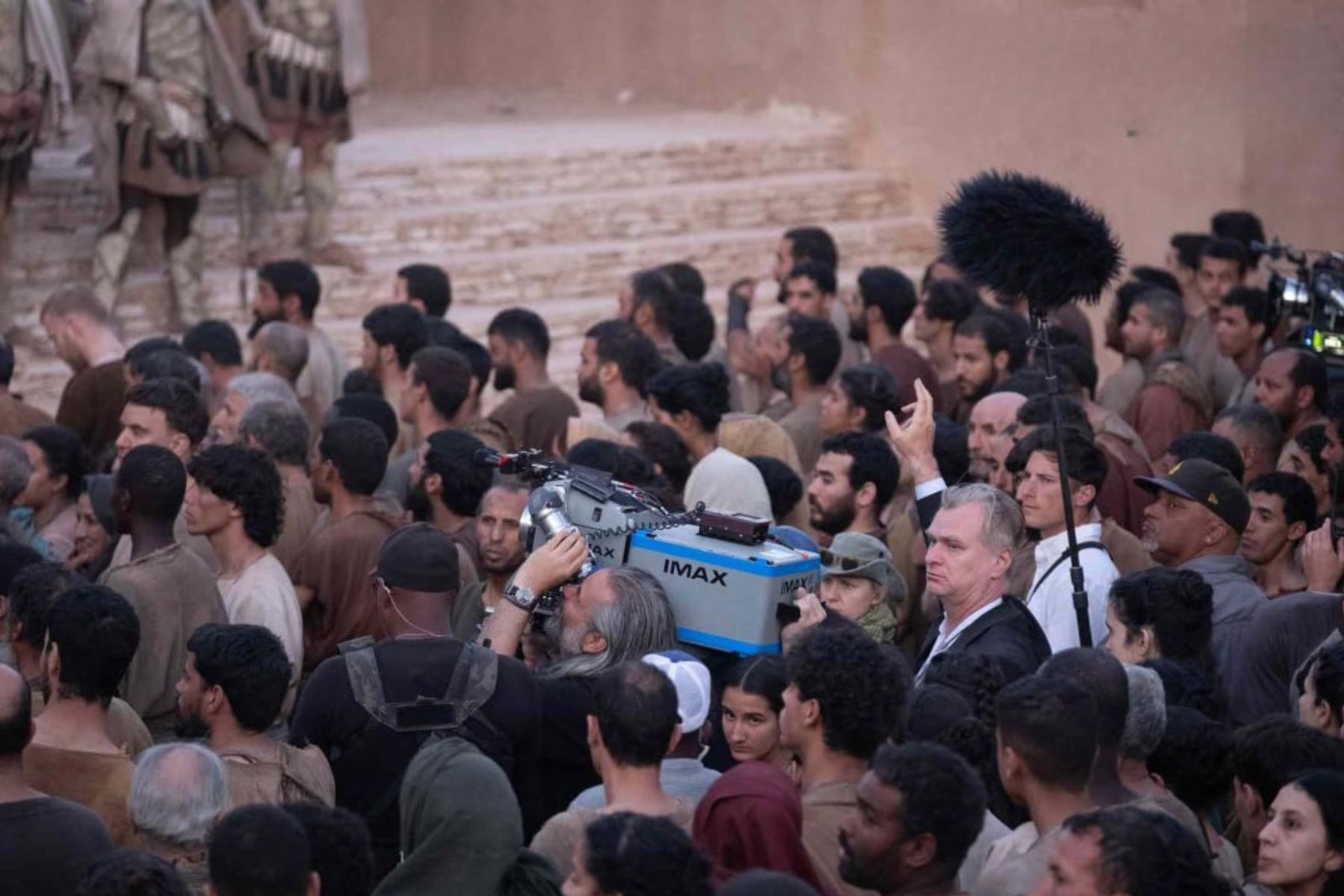
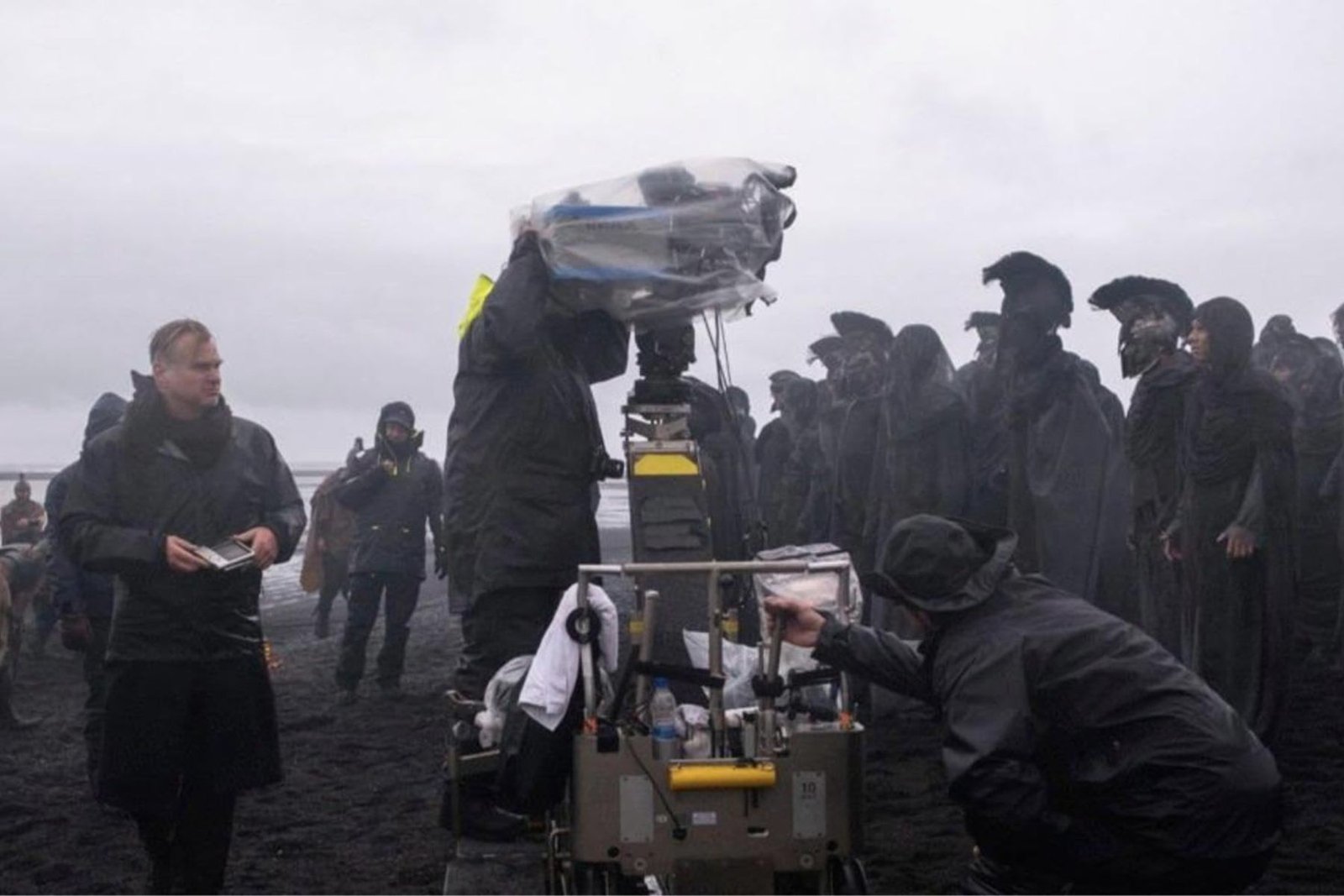
That choice changes how viewers will see the film in theatres. IMAX 70mm shows a much taller picture than normal formats, revealing far more detail and scale in each shot. You see more ocean around the ships, more sky above the characters, and more of the surroundings around them. For a story about being alone, surviving, and the power of nature, that extra space in the image helps make Odysseus feel small in the harsh world he is trying to live in.
Filming reportedly took place across several countries between February and August 2025, including Morocco, Greece, Italy, Iceland, and Scotland. Each location appears to have been chosen to show a different part of Odysseus’ journey, from rough coastlines and open seas to rocky terrain and ancient ruins. Rather than relying solely on studio sets, Nolan seems intent on placing the cast in real locations, which should make the film feel even more authentic in theatres.
Advertisement · Continue Reading Below
Reports claim the film used more than 2 million feet of IMAX film stock during production, and the budget is estimated at around US$250 million. If those reports are accurate, ‘The Odyssey’ would be the most expensive film Nolan has directed to date. Given the locations, practical effects, and large-format filming, it is easy to see how ambitious this project is.
For audiences planning to watch the film in cinemas, Nolan clearly wants IMAX to be the definitive experience. His films have always been built around the theatrical experience, but ‘The Odyssey’ appears designed specifically for giant screens from the very beginning. The size of the image, the detail in the landscapes, and the scale of the ocean sequences are all expected to be experienced differently in IMAX, making it feel less like a regular movie screening and more like an event.
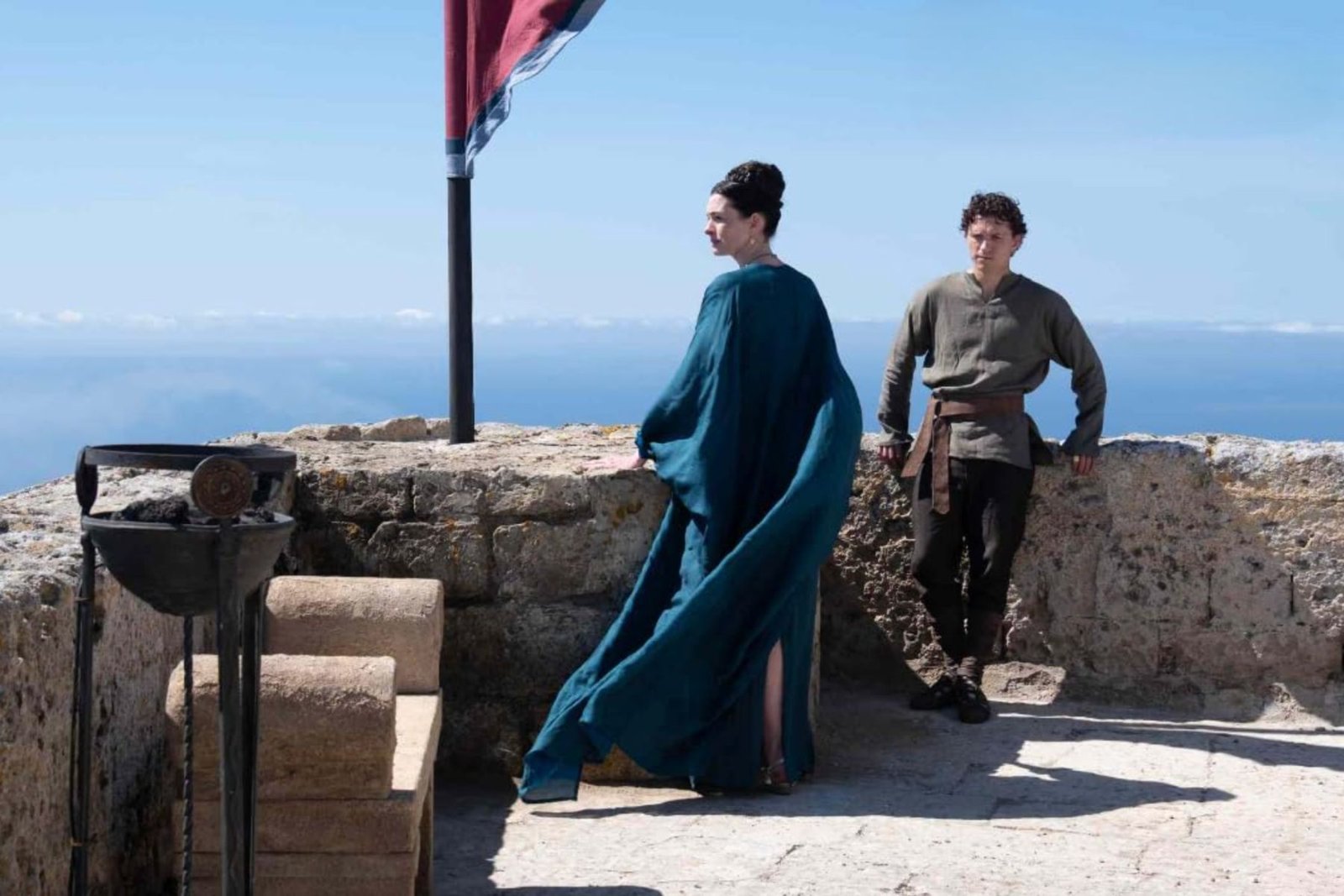
When Christopher Nolan announced The Odyssey, the internet went into full meltdown mode. A massive Greek myth directed by the man behind Interstellar, Dunkirk, and Oppenheimer already sounds like a huge event on paper, but the more details that keep surfacing, the bigger the film feels. Nolan described The Odyssey as “bedrock storytelling,” explaining that it encompasses everything from war and monsters to survival and homecoming. For many fans, it feels like the type of project he has been slowly building toward for years.
The way the movie is being filmed has only added more attention to it. Nolan reportedly shot over 2 million feet of film while taking the cast to difficult real-world locations rather than relying heavily on studio environments. Speaking about the production, Nolan explained, “We got them out there on the real waves, in the real places.” He went on to describe the experience as “vast and terrifying and wonderful,” especially as weather and ocean conditions constantly changed during filming. That rough and unpredictable environment seems to be a huge part of the film’s identity.
Advertisement · Continue Reading Below
Matt Damon also gave fans a clearer idea of what to expect while discussing his experience working on the film. Damon called The Odyssey “exactly what you want of a summer movie” and said it “should feel mythic.” He also explained that Nolan’s sets place actors directly in the chaos rather than surround them with green screens and unfinished visuals. “Chris doesn’t hide the ball,” Damon said, pointing to Nolan’s hands-on approach during filming. If the scene called for danger, exhaustion, or brutal conditions, the cast reportedly felt every bit of it while shooting.
That is a major reason people keep talking about The Odyssey. In a time where many blockbuster films feel polished to perfection before actors even step onto a set, Nolan seems to be doing the complete opposite. Real locations, real water, practical effects, giant IMAX cameras, and one of the most legendary stories ever written, all coming together under one director, is enough to make this feel far bigger than a normal studio release. Right now, The Odyssey feels less like another movie and more like one of those rare cinema events people will remember for years.
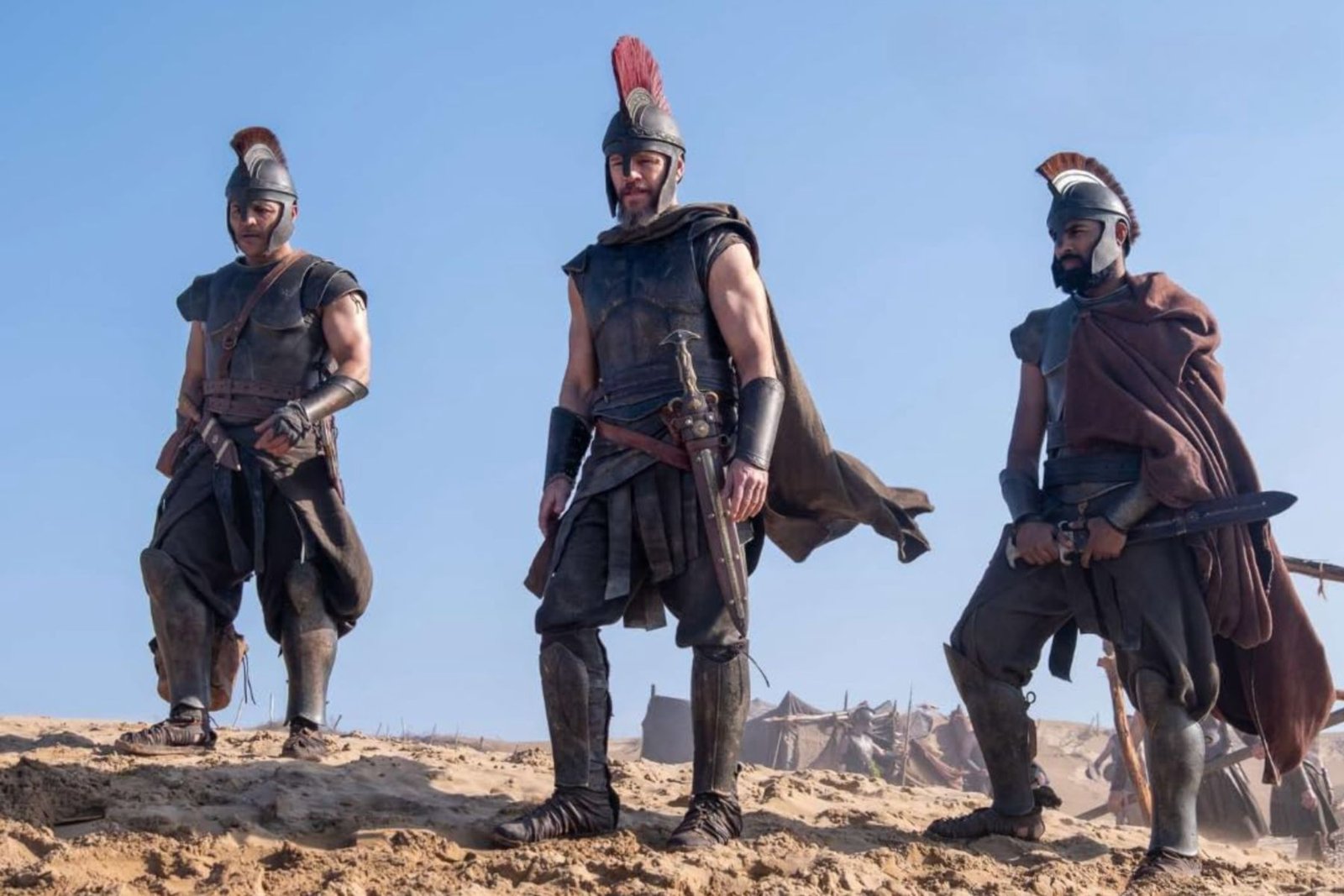
Christopher Nolan has brought together one of the largest groups of actors in his career for ‘The Odyssey’, combining familiar partners with some of Hollywood’s top stars. Although some character details are still hidden, the cast already looks huge and is one of the strongest for a major film in recent years.
Here’s every confirmed cast member for The Odyssey so far:
- Odysseus — played by Matt Damon
- Telemachus — played by Tom Holland
- Athena — played by Zendaya
- Penelope — played by Anne Hathaway
- Hermes — played by Robert Pattinson
- Clytemnestra — played by Lupita Nyong’o
- Circe — played by Charlize Theron
- Antinous — played by Jon Bernthal
- Agamemnon — played by Benny Safdie
- Aeolus — played by John Leguizamo
- Persephone — played by Mia Goth
- Tiresias — played by Elliot Page
Leading the film is Matt Damon, who stars as Odysseus, working again with Christopher Nolan after Interstellar and Oppenheimer. From the trailer and early clips, Damon’s Odysseus looks much more tired and worn out than the usual heroic image. The emotional struggle of the journey seems to be a big part of the film.
Part of the excitement about the cast comes from watching these actors enter a world full of Greek myths, dangerous sea trips, gods, monsters, and tough survival. Nolan’s films are known for putting actors in physically hard situations, and ‘The Odyssey’ seems to be one of his most challenging projects so far. With real locations, practical effects, and big IMAX filming, many fans expect performances that feel more real and down-to-earth than typical fantasy movies.
Behind the camera, ‘The Odyssey’ brings together many of Christopher Nolan’s longtime collaborators, making the project feel even more like a complete Nolan production. Over the years, Nolan has built a creative team that helped shape films like Dunkirk, Interstellar, and Oppenheimer, and much of that same crew has returned for ‘The Odyssey’.
- Director and Writer — Christopher Nolan
- Producer — Emma Thomas via Syncopy
- Cinematography — Hoyte van Hoytema
- Music — Ludwig Göransson
- Editing — Jennifer Lame
- Studio — Universal Pictures
Hoyte van Hoytema returning as director of photography is a big deal. His work on Interstellar, Dunkirk, and Oppenheimer helped create the distinctive visual style for which Nolan’s films are famous, and with ‘The Odyssey’ being filmed entirely on IMAX 70mm film, expectations are very high. Ludwig Göransson also returns after receiving widespread praise for his music on Oppenheimer, so audiences can likely expect another soundtrack that feels intense, emotional, and powerful in a full theatre.
If you loved the tension and big scale of Dunkirk, or the way Oppenheimer trusted audiences to stay focused on the story without always explaining everything, ‘The Odyssey’ already seems ready to show that same confidence. With Nolan leading the project along with the team that helped create some of his biggest films, excitement for this movie keeps growing with every new detail.
Advertisement · Continue Reading Below
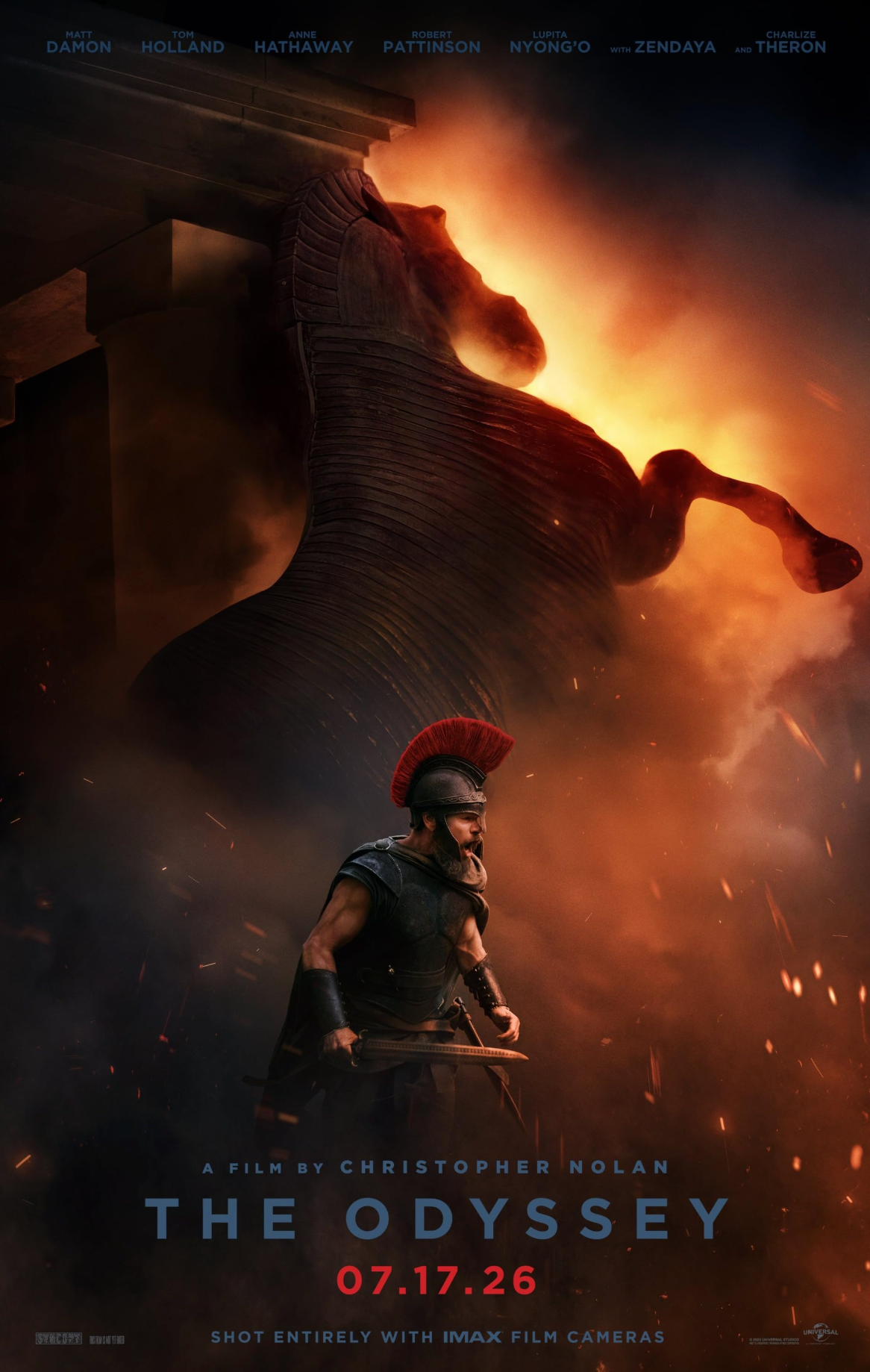
Christopher Nolan’s ‘The Odyssey’ will come to theatres on July 17, 2026, right in the middle of the summer blockbuster season. Given the size of the production, the huge IMAX 70mm format, and the excitement already building around the film, it is expected to be one of the biggest movie events of 2026. Nolan is known for making must-see movies in theatres, and with ‘The Odyssey’, it seems audiences will once again get a film made especially for the biggest screen.
Advertisement · Continue Reading Below