






The Winter Olympics are heading back to Italy, and this time the world’s best winter athletes will compete at some of the country’s most famous mountain destinations. From February 6 to February 22, 2026, the Olympic Winter Games Milano Cortina 2026 will bring together nearly 3,000 athletes from more than 90 countries for 16 days of competition. From alpine skiing and snowboarding to ice hockey, figure skating, biathlon, and speed skating, the Games will showcase the very best of winter sport against the stunning backdrop of the Italian Alps.
Unlike previous editions, which were centred on a single host city, Milano Cortina 2026 will be spread across several locations in Northern Italy, including Milan, Cortina d’Ampezzo, Bormio, Livigno, and Val di Fiemme. By using existing world-class venues and renowned winter sports destinations, the organizers have created a Games that celebrates both Italy’s sporting heritage and its spectacular mountain scenery. Whether you’re planning to attend in person or follow the action from home, here’s everything you need to know about the Olympic Winter Games Milano Cortina 2026.
Here’s everything you need to know about the Olympic Winter Games Milano Cortina 2026
Advertisement · Continue Reading Below
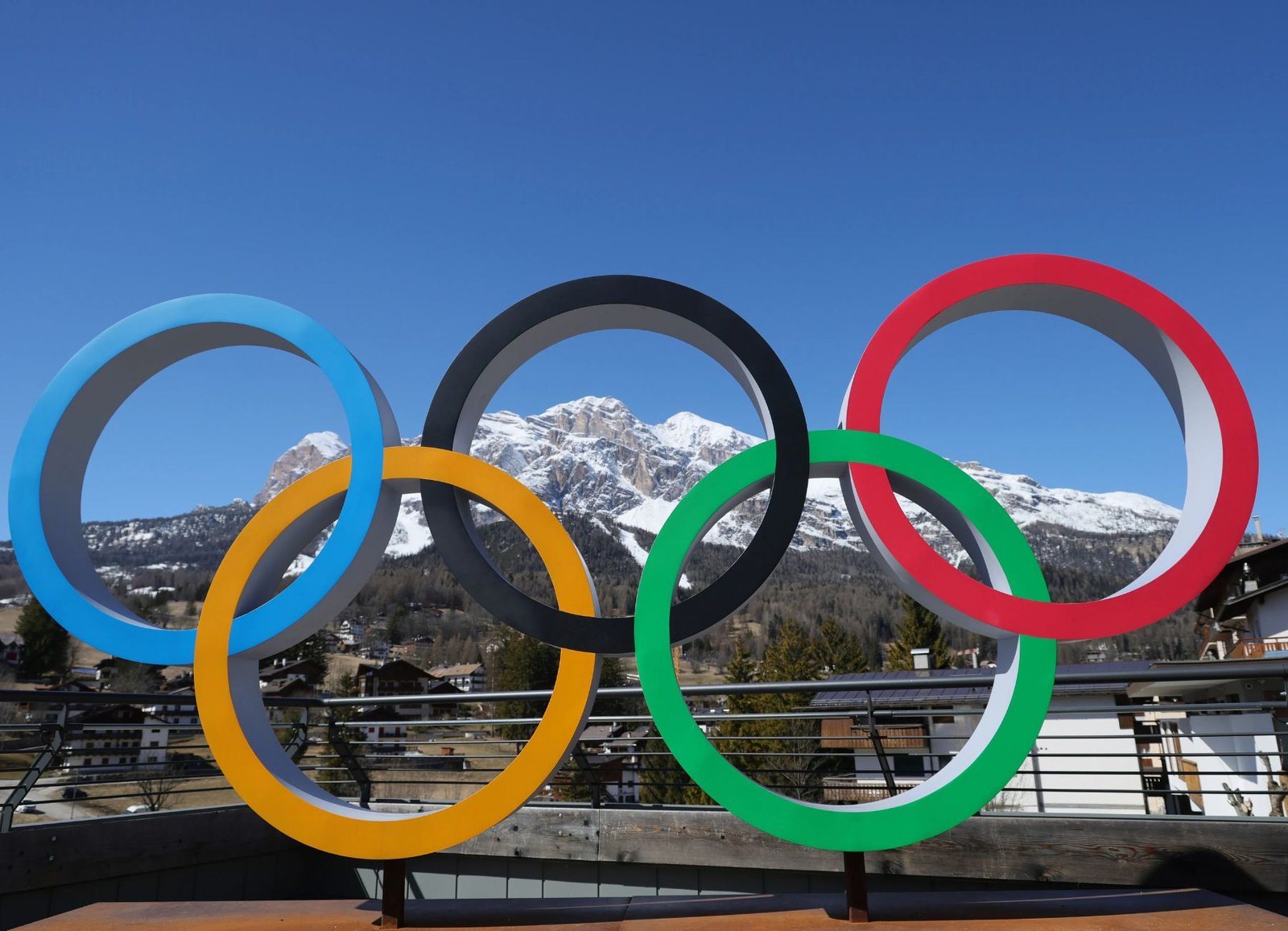
The Olympic Winter Games Milano Cortina 2026 are set for February 6 to 22, 2026. This will be Italy’s first Winter Olympics since Turin in 2006. The Opening Ceremony is planned for Milan’s San Siro Stadium, and the Closing Ceremony will be at the Arena di Verona. For 16 days, top winter athletes from around the world will compete for Olympic medals in this much-anticipated event.
Instead of being held in just one city, Milano Cortina 2026 will take place across several locations in Northern Italy, including Milan, Cortina d’Ampezzo, Bormio, Livigno, Val di Fiemme, Anterselva, Predazzo, and Verona. The approach allows the Games to leverage existing venues and some of Italy’s most renowned winter-sports destinations. More than 2,900 athletes from over 90 countries are expected to compete in events like alpine skiing, snowboarding, ice hockey, figure skating, biathlon, speed skating, and more.
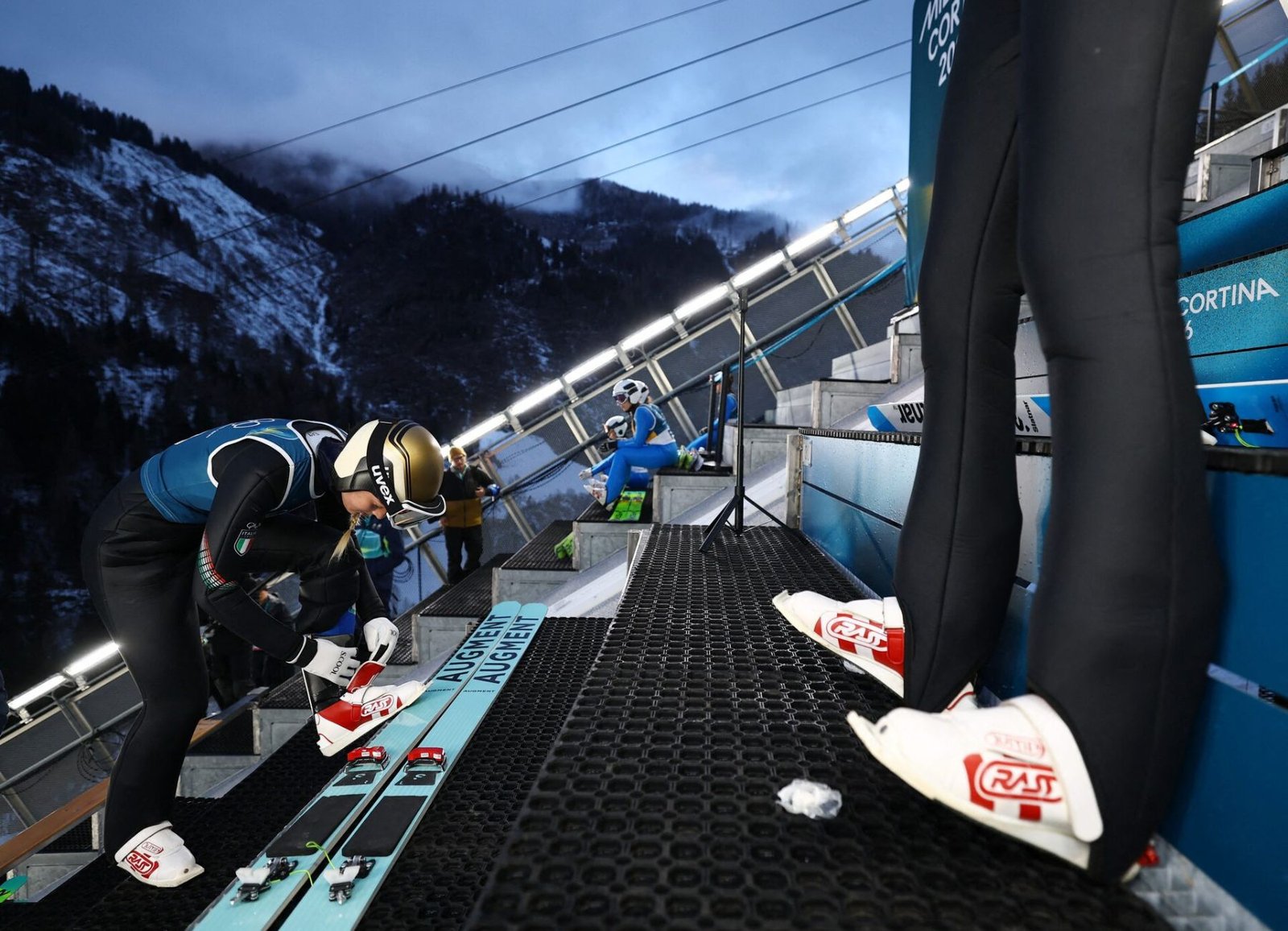
Milano Cortina 2026 is unique for its multi-city format: instead of building a single Olympic hub, the organizers spread events across several famous winter sports venues in Northern Italy. This means athletes will compete at places that already host World Cup events, and fans can experience both the excitement of Milan and the beauty of the Dolomite mountains. More than 90 percent of the venues are already built or temporary, making this one of the most ambitious and wide-ranging Winter Olympics yet.
Here are the venues for Milano Cortina 2026:
- San Siro Stadium (Milan): Opening Ceremony
- Milano Ice Skating Arena (Milan): Figure skating and short track speed skating
- Milano Santa Giulia Ice Hockey Arena (Milan): Ice hockey
- Milano Rho Ice Hockey Arena (Rho): Ice hockey
- Milano Speed Skating Stadium (Rho): Speed skating
- Tofane Alpine Skiing Centre (Cortina d’Ampezzo): Women’s alpine skiing
- Cortina Sliding Centre (Cortina d’Ampezzo): Bobsleigh, luge, and skeleton
- Cortina Curling Olympic Stadium (Cortina d’Ampezzo): Curling
- Stelvio Ski Centre (Bormio): Men’s alpine skiing and ski mountaineering
- Livigno Snow Park (Livigno): Snowboard and freestyle skiing
- Livigno Aerials & Moguls Park (Livigno): Freestyle skiing aerials and moguls
- Anterselva Biathlon Arena (Anterselva/Antholz): Biathlon
- Predazzo Ski Jumping Stadium (Predazzo): Ski jumping and Nordic combined
- Tesero Cross-Country Skiing Stadium (Tesero): Cross-country skiing and Nordic combined.
- Arena di Verona (Verona): Closing Ceremony
The venues are organized into four main groups: Milan, Cortina d’Ampezzo, Valtellina, and Val di Fiemme. The Closing Ceremony will take place in Verona. All together, these locations make the Games special, stretching across more than 22,000 square kilometres of Northern Italy. From the well-known San Siro Stadium and the historic Arena di Verona to the snowy slopes of Bormio and Livigno, each spot brings something unique to the event.
For winter sports fans, this is more than just a list of venues. Many of these places are already famous for hosting the world’s best skiers, snowboarders, biathletes, and Nordic athletes. For winter sports fans, this is more than just a list of venues. With Italy’s beautiful mountains, strong sports tradition, and passionate fans, Milano Cortina 2026 is shaping up to be one of the most memorable Winter Games in recent years.
Advertisement · Continue Reading Below
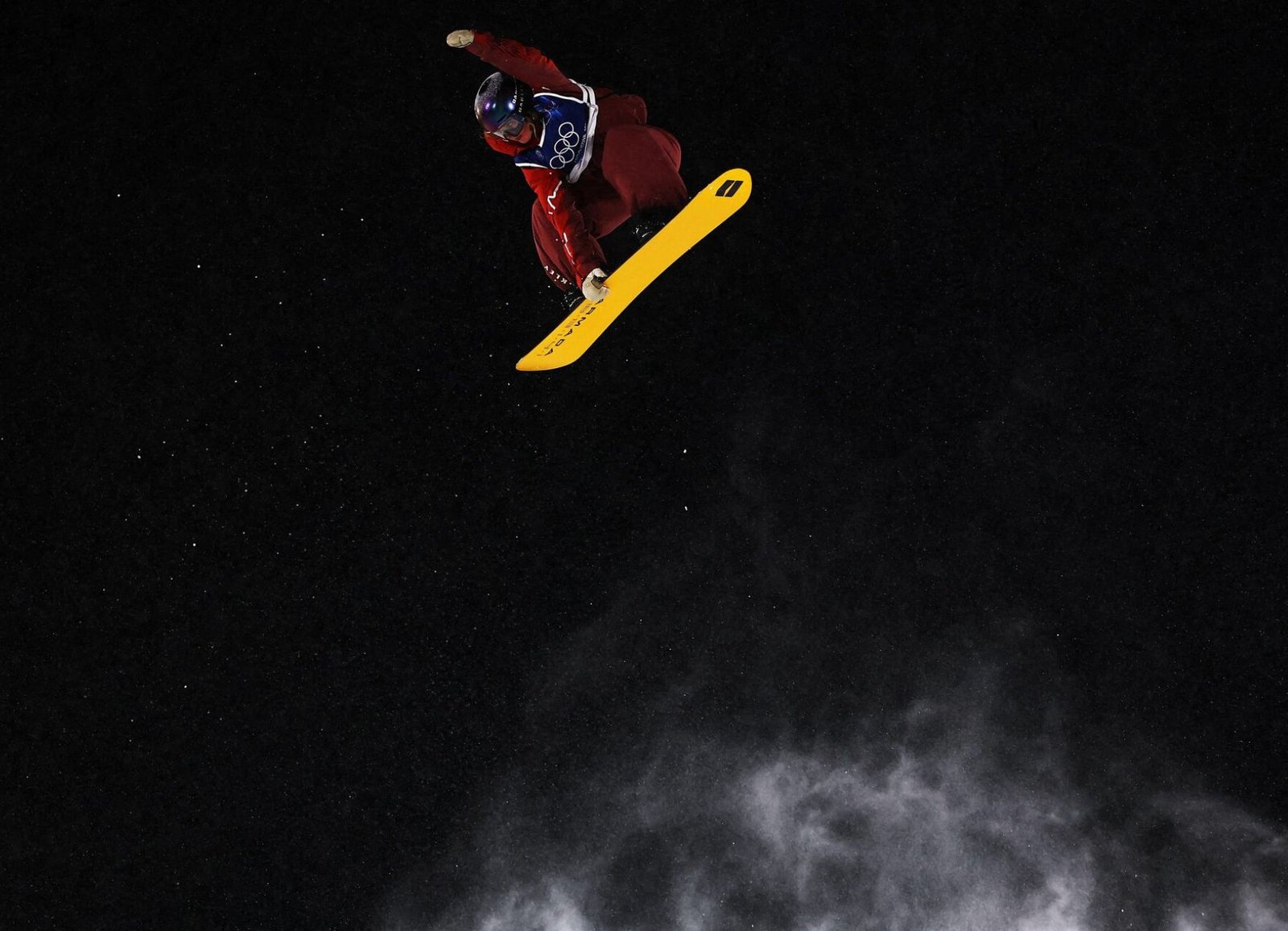
The Winter Olympics might have fewer sports than the Summer Games, but they often create some of the most memorable moments in sports. One day, you could watch skiers racing down a mountain at over 130 km/h. Next, a gold medal could be decided by a photo finish on the ice. Milano Cortina 2026 will feature 16 disciplines across eight winter sports categories, so fans will have plenty of reasons to watch from start to finish.
The sports featured at Milano Cortina 2026 include:
- Alpine Skiing
- Biathlon
- Bobsleigh
- Cross-Country Skiing
- Curling
- Figure Skating
- Freestyle Skiing
- Ice Hockey
- Luge
- Nordic Combined
- Short Track Speed Skating
- Skeleton
- Ski Jumping
- Ski Mountaineering
- Snowboard
- Speed Skating
Ice hockey, figure skating, and alpine skiing are expected to attract the largest crowds. Ice hockey is known for its intense rivalries, while figure skating blends athletic skill with artistry in front of full arenas. The slopes of Cortina d’Ampezzo and Bormio will host alpine skiing, where winning gold or silver can be decided by just fractions of a second.
Besides the main events, one of the best parts of the Winter Olympics is finding a new favourite sport. You might enjoy the skill of curling, the courage needed for ski jumping, or the determination of athletes racing down the ice in bobsleigh or skeleton. Each sport has its own story. With medals and national pride on the line, Milano Cortina 2026 promises two weeks of competition that will keep fans watching closely.
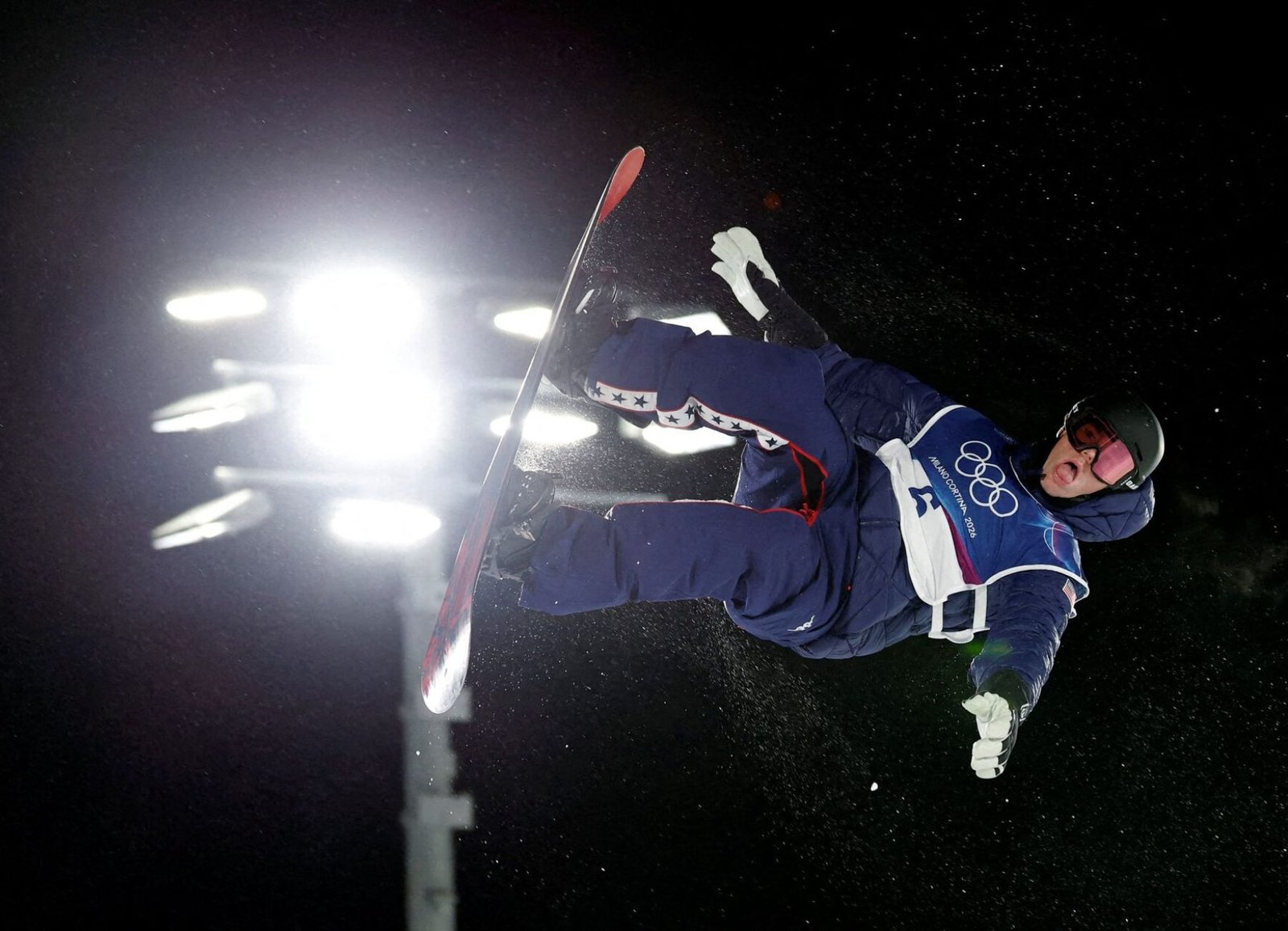
While fans can expect the return of familiar events such as alpine skiing, figure skating, and ice hockey, the upcoming Winter Olympics will also introduce several new medal opportunities, making every Olympic Games brings a few changes, and Milano Cortina 2026 is no different. The biggest addition is ski mountaineering, often called “Skimo,” which will make its Olympic debut in Italy. A sport with deep roots in mountain communities, ski mountaineering combines uphill climbing and downhill skiing, with athletes competing in men’s sprint, women’s sprint, and mixed relay events.
Milano Cortina 2026 will also introduce new medal events in several existing sports. These include women’s doubles luge, mixed-team skeleton, women’s large hill ski jumping, men’s and women’s dual moguls in freestyle skiing, and a new team combined event in alpine skiing. With these additions, more athletes will have the chance to compete for medals, and fans can look forward to fresh takes on some favourite sports. These updates keep the Winter Olympics rooted in tradition while bringing something new for everyone to enjoy.
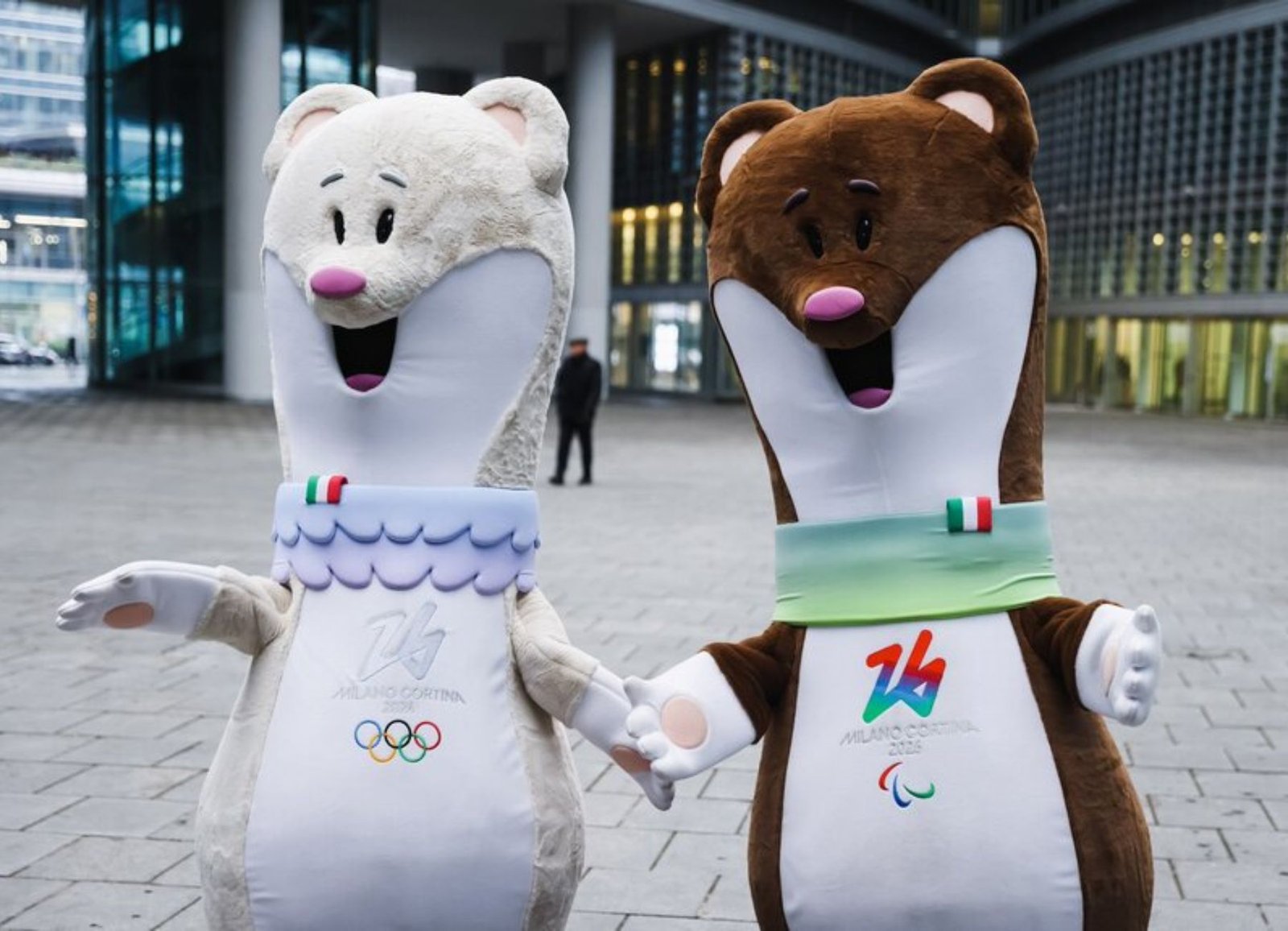
Every Olympic Games has a mascot, but Milano Cortina 2026 has two. Tina and Milo are the stars chosen to represent the Olympic and Paralympic Winter Games. Their names honour the host cities: Tina stands for Cortina d’Ampezzo, and Milo stands for Milan. Italian students created these mascots, which were selected from over 1,600 designs submitted by schools across Italy. Tina, the Olympic mascot, has a white coat. Milo, the Paralympic mascot, has a brown coat and was born without a leg, so he uses his tail to help him get around. Together, they show determination, friendship, and the idea that challenges can be overcome. They are joined by six snowdrop flowers called The Flo, a happy group inspired by one of the first flowers to bloom after winter, symbolizing hope and new beginnings.
Advertisement · Continue Reading Below
Canadians can watch the Olympic Winter Games Milano Cortina 2026 on CBC, the country’s official Olympic broadcaster. Coverage will be available on CBC Television, CBC Gem, the CBC Sports website, and the CBC Sports app. You can watch live events, highlights, replays, and videos whenever you want during the Games. CBC is also partnering with TSN, Sportsnet, and RDS to bring Olympic coverage across Canada.
If you enjoy streaming, CBC Gem offers live coverage of the action. You can also access the official Olympics website and app for schedules, results, medal tallies, athlete profiles, and updates from Milano Cortina 2026. Whether you’re supporting Team Canada or simply want to catch the highlights, there are numerous ways to watch the Games from February 6 to 22, 2026.
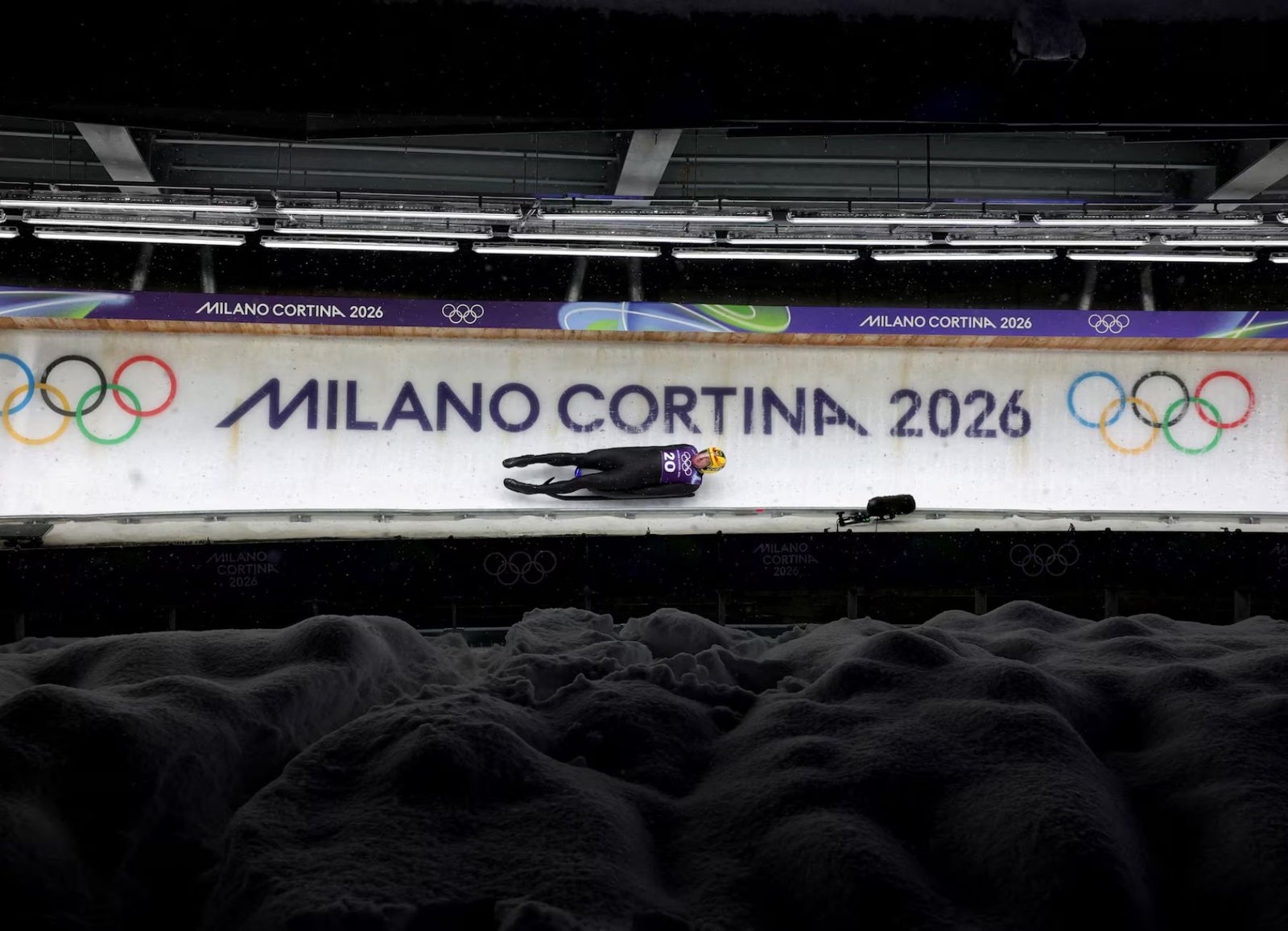
If you want to attend the Olympic Winter Games Milano Cortina 2026, you can buy tickets only through the official ticketing platform, which uses a digital system. Ticket prices start at €30 for some events, and more than half of all tickets cost less than €100. Tickets for popular events, like the men’s ice hockey final, range from €450 to €1,400. Seats for the Closing Ceremony at the Arena di Verona can cost up to €2,900.
All tickets are digital, and you can only access them through the official Tickets Milano Cortina 2026 app, which you need to enter the venues. The app lets you transfer tickets, update ticket holder details, or resell them if you cannot attend. To buy tickets or check availability, visit the official Milano Cortina 2026 Olympic ticketing website.