Our team of editors and experts thoughtfully chooses each product. If you decide to buy through one of our links, we may earn a commission. Learn more. Want to know how we test products? Click here for more details.
With the Olympic Winter Games coming to an end at Milano Cortina 2026, turning moments into unforgettable memories. Over the course of two weeks, the mountains and ice rinks of northern Italy became the stage for record-breaking performances, emotional victories, unexpected heroes, and stories that have reached far beyond the podium. This year, some athletes made history, others inspired millions through perseverance, and still others reminded us why sport has the power to bring people together.
Milano Cortina 2026 had its ups and downs, and heartbreaking moments. There were painful crashes, crushing defeats, and moments that left both athletes and fans speechless. Yet those disappointments were balanced by remarkable comebacks, long-awaited triumphs, performances, and celebrations that will be remembered after the closing ceremony. Whether it was Team USA ending a 46-year wait for hockey gold or Johannes Høsflot Klæbo rewriting the Olympic record books, the Games never ran short of unforgettable moments.
With the Olympic flame now extinguished and attention slowly shifting toward Los Angeles 2028, it’s the stories—not just the statistics—that continue to stand out. Here are the moments that made the Olympic Winter Games Milano Cortina 2026 truly unforgettable.
Team USA celebrates its dramatic overtime victory over Canada, ending a 46-year wait for Olympic men’s hockey gold at Milano Cortina 2026. | Image: Getty Images – Petr David Josek
1. A Golden Night for Team USA Hockey
For the first time since the famous “Miracle on Ice” in 1980, Team USA won Olympic men’s hockey gold, ending a 46-year wait. The Americans beat their longtime rivals, Canada, 2-1 in a tense final that gave fans everything they wanted. Jack Hughes scored the winning goal in overtime, sending the United States into celebration and adding another unforgettable chapter to one of hockey’s greatest rivalries. It may not have had the Cold War background that made the 1980 win so famous, but it didn’t need to. This was simply two hockey giants fighting for Olympic gold, creating a final that will be remembered as one of the best moments of the Milano Cortina 2026 Winter Games.
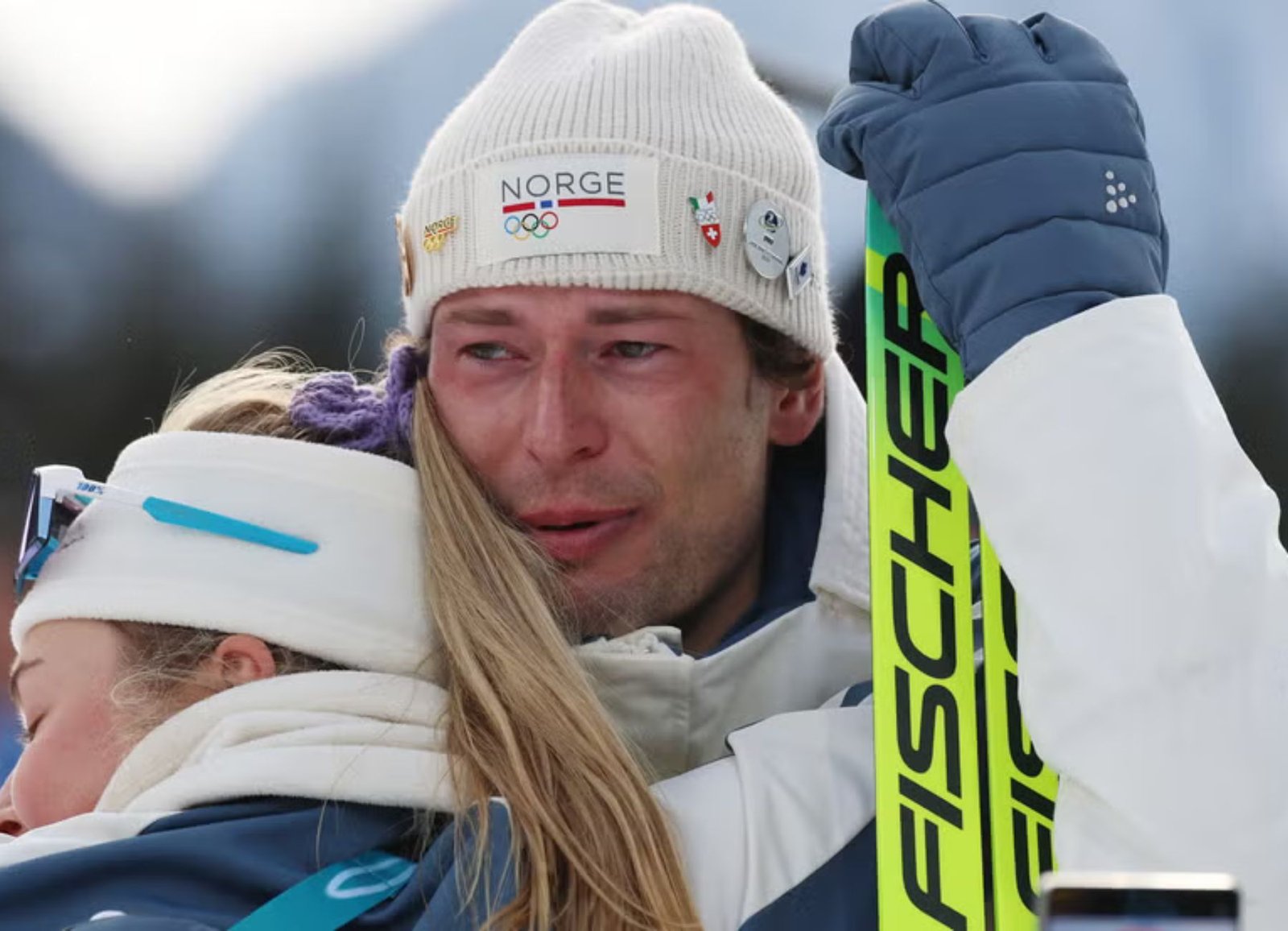
Sturla Holm Lægreid celebrates his bronze medal with an emotional embrace following the men’s 20km biathlon at the Olympic Winter Games Milano Cortina 2026. | Image: Getty Images – Harry How
2. Sturla Holm Lægreid Opens Up After Winning Bronze
Olympic interviews are usually filled with celebrations, reflections on the race, and dreams fulfilled. Sturla Holm Lægreid, on the other hand, took a very different approach. Moments after winning bronze in the men’s 20 km biathlon, the Norwegian stunned viewers by using his post-race interview to publicly admit he had been unfaithful to his girlfriend. Instead of talking about the medal around his neck, he chose to speak about the personal mistake that had weighed on him throughout the Games.
As Sturla Holm Lægreid says, “I told her a week ago, and it’s been the worst week of my life. I had a gold medal in life, and there’s probably a lot of people out there who look at me differently now, but I only have eyes for her. Sports has taken a bit of a back seat these past couple of days. Yeah, I wish I could share this with her.”
The interview quickly transcended biathlon fans, turning into one of the most talked-about moments of Milano Cortina 2026. Although the emotional confession received mixed reactions, it highlighted the immense pressure Olympic athletes face beyond their sport.
Choi Ga-on (Left) and Chloe Kim (Right) share a smile after claiming gold and silver, respectively, in the women’s snowboard halfpipe at the Olympic Winter Games Milano Cortina 2026. | Image: Getty Images – Patrick Smith
3. Chloe Kim Returns to the Olympic Podium With Silver
Chloe Kim arrived at Milano Cortina 2026 chasing history. A third straight Olympic gold medal in the women’s halfpipe would have seen her match Shaun White’s remarkable record, but it wasn’t to be. Instead, the American snowboard star claimed silver after an outstanding performance, while 17-year-old South Korean sensation Choi Ga-on recovered from a heavy fall in her opening run to produce a stunning final run and capture the gold. Despite falling short of another Olympic title, Kim’s response said just as much about her character as her riding. Having mentored Choi in the lead-up to the Games, she was among the first to celebrate her young rival’s breakthrough, showing the kind of sportsmanship that makes the Olympic Games so special.
Atle Lie McGrath walks away from the finish area after the men’s slalom, a moment that quickly went viral and captured the emotions of Olympic competition. | Image: Getty Images – Christian Petersen
4. Atle Lie McGrath Walks Away from the Finish
After missing out on first place in the men’s slalom, Norway’s Atle Lie McGrath showed just how much the moment meant to him. Instead of talking to reporters, he left the finish area and walked into the nearby forest, looking for a chance to collect his thoughts away from the noise. The unexpected walk struck a chord with fans, many of whom saw it as an honest reminder of the pressure Olympic athletes face every time they compete. Later, McGrath said, “I thought I would get some peace and quiet, which I didn’t because photographers and police found me out in the woods. I just needed some time for myself.” Not every Olympic moment that stands out ends with a medal ceremony.
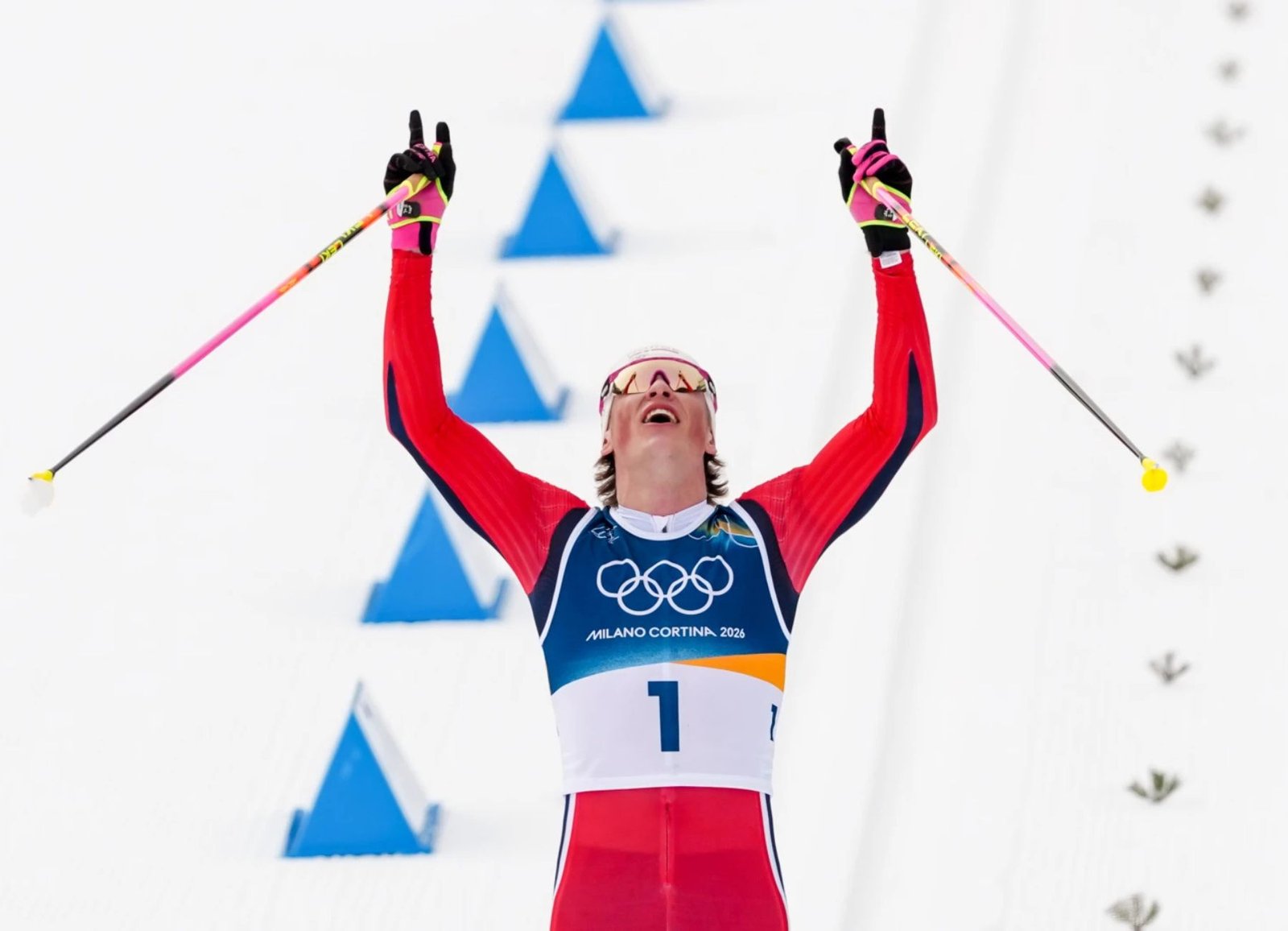
Johannes Høsflot Klæbo celebrates one of his six cross-country skiing gold medals, completing a historic clean sweep at the Olympic Winter Games Milano Cortina 2026. | Image: Getty Images – Kirsty Wigglesworth
5. Johannes Høsflot Klæbo Completes a Historic Gold Medal Sweep
Johannes Høsflot Klæbo came to Milano Cortina 2026 as one of the cross-country skiers and left as a Winter Olympic legend. He won all six men’s cross-country events, making him the first Winter Olympian to earn six gold medals at a single Games. This broke the previous record of five gold medals set by American speed skater Eric Heiden at the 1980 Lake Placid Olympics. Klæbo’s incredible performance also highlighted Norway’s strength at the Games, as the country topped the medal table with 41 medals.
Alysa Liu captured the women’s figure skating gold medal with a near-flawless free skate, completing one of the most inspiring comebacks at Milano Cortina 2026. | Image: Getty Images – Francisco Seco
6. Alysa Liu’s Golden Comeback
Few stories at Milano Cortina 2026 were as inspiring as Alysa Liu’s. After leaving competitive figure skating in 2022 at just 16, many wondered whether she would return. She did—and in amazing style. The 20-year-old delivered a joyful, almost-perfect free skate to win Team USA’s first Olympic women’s figure skating gold medal in 24 years, making one of the most impressive comebacks of the Games.
Looking down at her gold medal after the competition, Liu summed up her mindset perfectly:”I don’t need this. What I needed was the stage, and I got that, so I was all good. No matter what happened, I would have been fine.”
After finding her love for skating again during her break, Liu’s win felt more important than just the result. Looking back on her path, she said, “I think my story means more to me than anything, and that’s what I will treasure, and this journey has been amazing, and my life has just been—I have no complaints.” Along with teammate Ilia Malinin’s graceful way of handling disappointment, Liu’s words offered strength, perspective, and a sense of enjoyment in the journey far more than medals ever could.
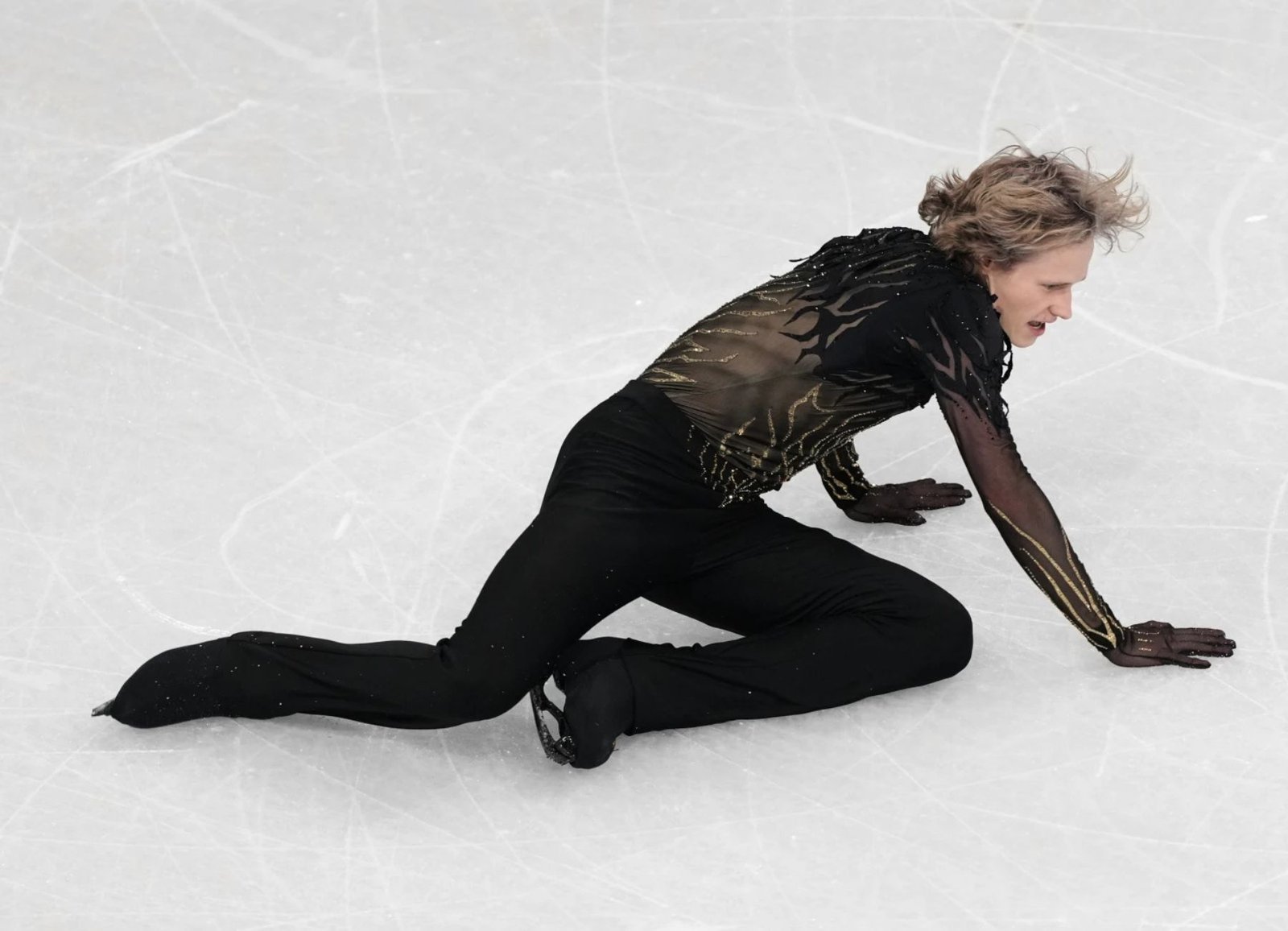
Ilia Malinin falls during the men’s free skate at the Olympic Winter Games Milano Cortina 2026, then recovers to finish his performance with a crowd-pleasing backflip. | Image: Getty Images – Francisco Seco)
7. ‘The Quad God’ Ilia Malinin Lands a Spectacular Backflip
Known as the “Quad God,” Ilia Malinin arrived at Milano Cortina 2026 carrying some of the highest expectations of any athlete at the Games. Even after making costly mistakes during the team competition, the 21-year-old still finished with the highest score of the night—a reflection of just how far he has pushed the technical limits of figure skating. As the only skater in the world capable of consistently landing the elusive quad Axel, Malinin performs at a level that few of his rivals can realistically match. Although he opted not to attempt the historic jump during his disappointing free skate, he still brought the crowd to its feet by landing a spectacular backflip, a move that was only recently made legal in international competition.
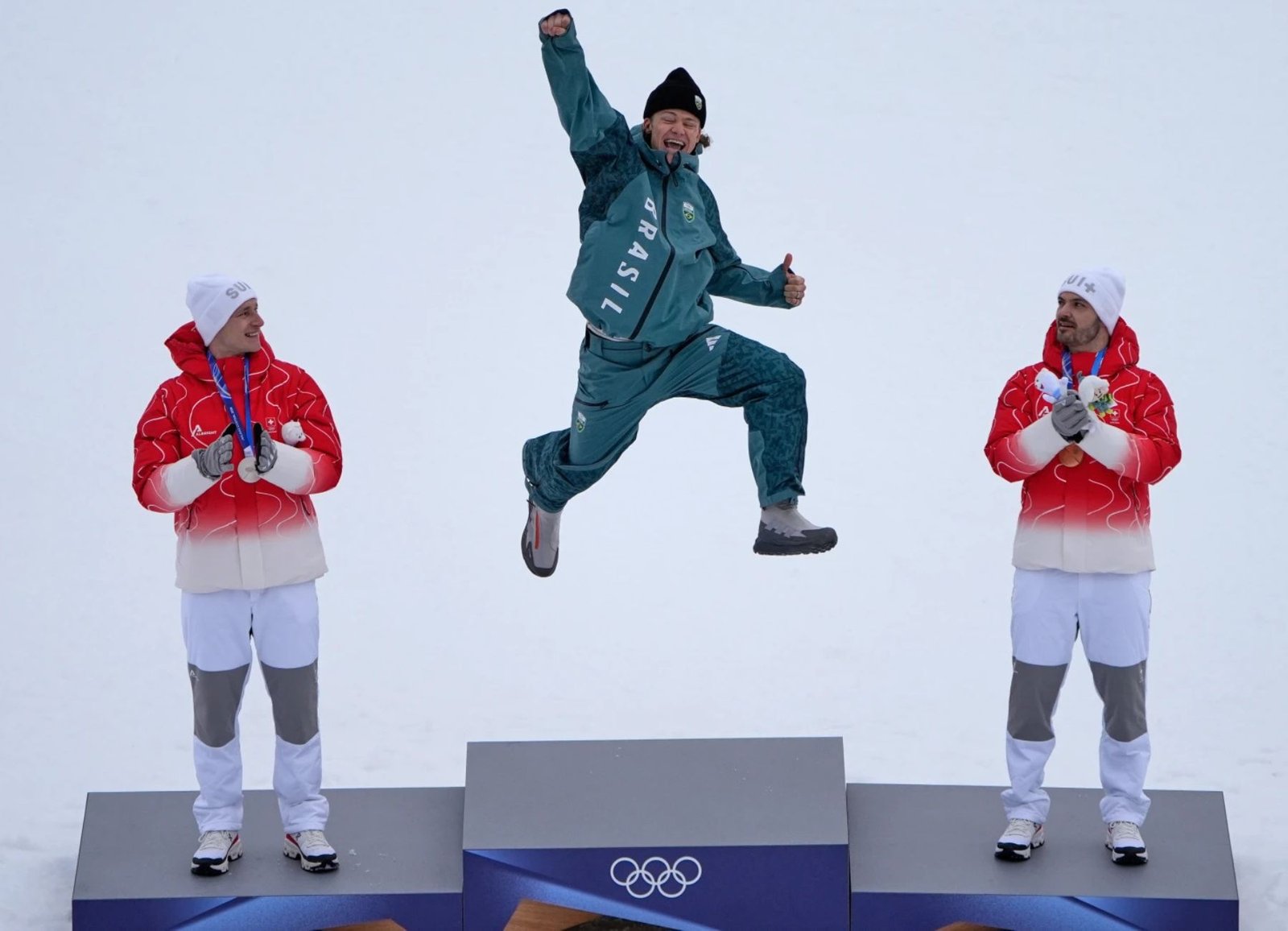
Lucas Pinheiro Braathen celebrates his giant slalom gold medal, becoming the first athlete to win a Winter Olympic medal for Brazil and South America at Milano Cortina 2026. | Image: Getty Images – /John Locher
8. South America Celebrates Its First Winter Olympic Medal
History was made on the slopes when Lucas Pinheiro Braathen won South America’s first-ever medal at the Olympic Winter Games. The Brazilian alpine skier delivered his best performance to win gold in the giant slalom, giving Brazil another reason to celebrate during Carnival and creating a new moment in Olympic history. It was a major achievement not only for Brazil but also for the whole continent, showing that winter sports can succeed far beyond their usual strongholds. Struggling to find the right words after his victory, an emotional Pinheiro Braathen said, “I’ve tried over and over again to put words into what it is that I’m feeling. But it’s simply impossible.” His historic win quickly became one of the key moments of Milano Cortina 2026 and a breakthrough that could inspire many South American winter athletes in the future.
Breezy Johnson wins the gold medal in Downhill Skiing, earning Team USA its first medal at the Olympic Winter Games Milano Cortina 2026. | Image: China News Service
9. Breezy Johnson Gives Team USA Its First Medal
Breezy Johnson delivered one of Team USA’s biggest moments at Milano Cortina 2026 by winning gold in the women’s downhill, giving the United States its first medal of the Winter Games. The 30-year-old from Wyoming raced down the course in an impressive 1 minute and 36 seconds, holding off the field to claim the biggest victory of her career. “Lindsey has accomplished so much and will live in a different echelon than I do, but I think that to have your name alongside her is really something special,” Johnson said. It was an emotional day for American skiing following Lindsey Vonn’s heavy crash earlier in the competition, making Johnson’s triumph even more meaningful for Team USA during the Olympic Winter Games Milano Cortina 2026.
Nasgul runs alongside a cross-country skier at the Olympic Winter Games Milano Cortina 2026 before being safely reunited with his owners. | Image: Getty Images – Terje Pedersen
Nasgul is reunited with his owner after winning hearts around the world at the Olympic Winter Games Milano Cortina 2026. | Getty Images – Kai Pfaffenbach
10. Nasgul Becomes the Unexpected Star of the Games
During the cross-country skiing events in Tesero, a local wolfdog named Nasgul escaped from his home near the venue and happily joined the race, running alongside the skiers all the way toward the finish. The unexpected appearance quickly won over spectators in the stands and millions more online, with the adventurous pup becoming one of the Games’ most talked-about personalities. After crossing the finish area, Nasgul was rewarded with plenty of well-deserved belly rubs before being safely reunited with his owners. He may not have earned an official medal, but judging by the reaction from fans around the world, he was one of the biggest winners of the Olympic Winter Games.
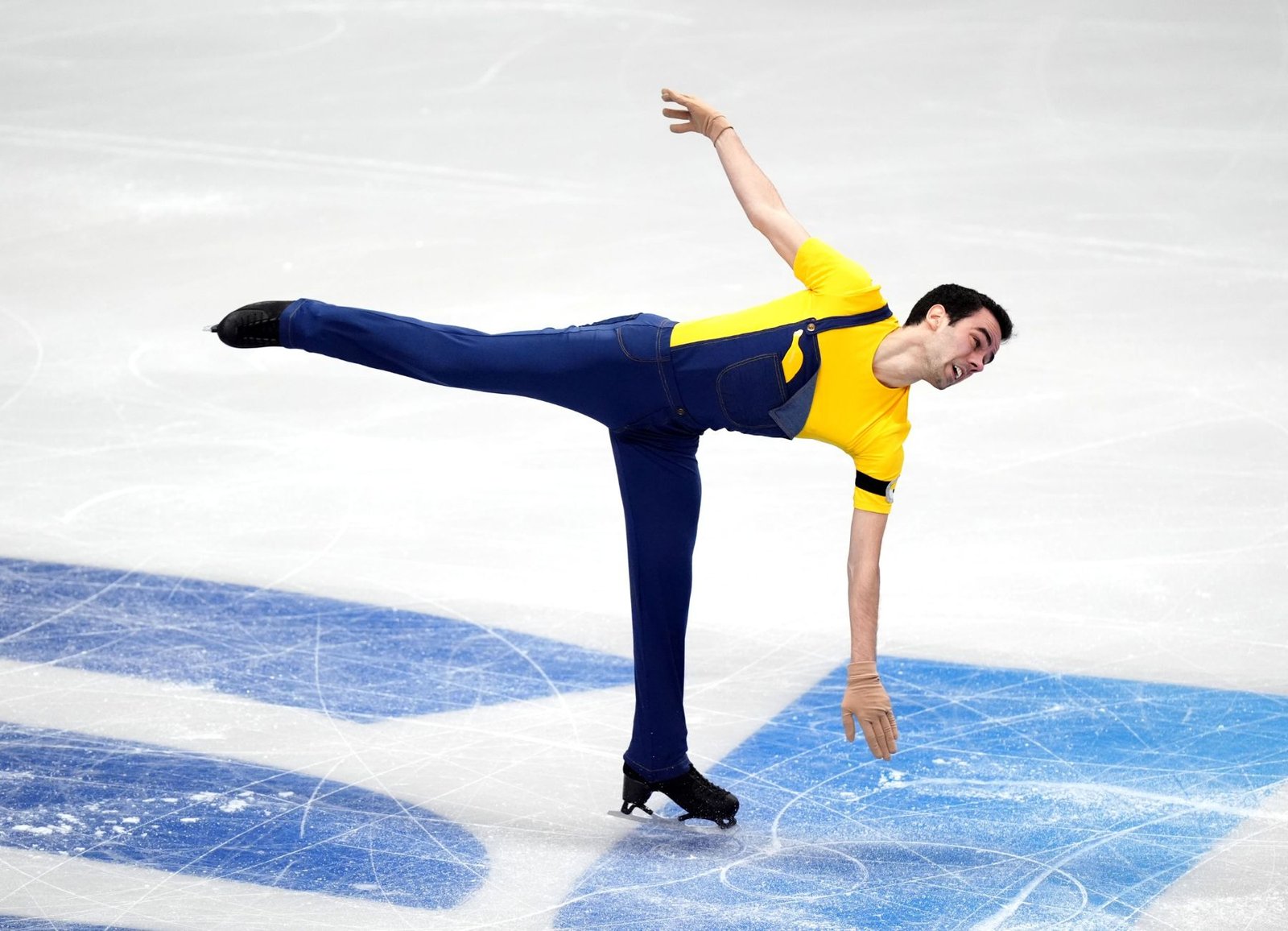
Spanish figure skater Tomàs Guarino performs his Minions-inspired routine after last-minute music rights issues were resolved ahead of the Olympic Winter Games Milano Cortina 2026 | Image: Getty Images / Mike Egerton
11. Tomàs Guarino’s Minion Dance
Tomàs Guarino gave the Olympic Winter Games one of their most unexpected crowd-pleasers. The Spanish figure skater took to the ice wearing a Minions-inspired outfit, complete with the characters’ signature yellow and blue colours, before treating fans to a fun-filled routine that quickly became a talking point. The performance almost didn’t happen after last-minute music rights issues threatened to pull the program, but Pharrell Williams and Universal Music Group stepped in to clear the song just in time. Once Guarino finally skated, the audience loved every second of it.
There was plenty for fans to cheer about at the Olympic Winter Games Milano Cortina 2026. These Games had a little bit of everything. Record-breaking performances and emotional victories, unforgettable celebrations and unexpected moments. Some athletes made history at the Games, others won hearts with stories that had nothing to do with medals. After the competition and the Olympic flame have gone out, the memories created across northern Italy will last, and that is just why the Winter Olympics are one of the greatest sporting events in the world.
Elias Albay is the Founder and Director of Many Men Magazine, a Toronto-based digital publication dedicated to promoting modern masculinity through style, culture, and self-improvement. What started as a personal turning point became a purposeful platform. — born from Elias’ desire to create something meaningful after completing his studies and finding no career path that truly matched his ambitions. With a background in Civil Engineering from York University and experience in Commercial Flight Operations at CAE, he applied skills, and resilience from both fields to forge a new path.
Our team of editors and experts thoughtfully chooses each product. If you decide to buy through one of our links, we may earn a commission. Learn more. Want to know how we test products? Click here for more details.
Ever wondered what it would feel like to sip your morning coffee in a city where the rent alone could buy you a small villa elsewhere? Welcome to the world’s most expensive cities, where luxury is standard—and so is the staggering price tag. From the neon-lit buzz of Asia’s financial hubs to Europe’s postcard-perfect streets and America’s bustling metropolises, the cost of living in these urban jungles tells its own story.
And yet—people can’t seem to stay away. In this list, we’re breaking down the 10 most expensive cities to live in for 2025, giving you a glimpse of what makes them so outrageously costly and why, despite the sticker shock, millions still call them home.
So, which city claimed the crown this year? Let’s just say your bank account might want to look away.
Ranking the World’s Expensive Cities
Thinking about packing your bags for New York, Geneva, or London? Better check your savings first. Some cities don’t just offer world-class skylines and cultural perks—they also come with jaw-dropping living costs that can make even the most ambitious dreamers pause.
Each year, Mercer’s Cost of Living City Ranking shows how expensive life can be around the world by comparing housing, food, transport, and daily essentials across 226 cities. The result is a snapshot of the priciest places to live, providing a guide for expats, businesses, and curious readers to understand the financial realities of living in big cities. For 2025, the list highlights which destinations are worth every penny—and which ones will stretch your paycheck thin.
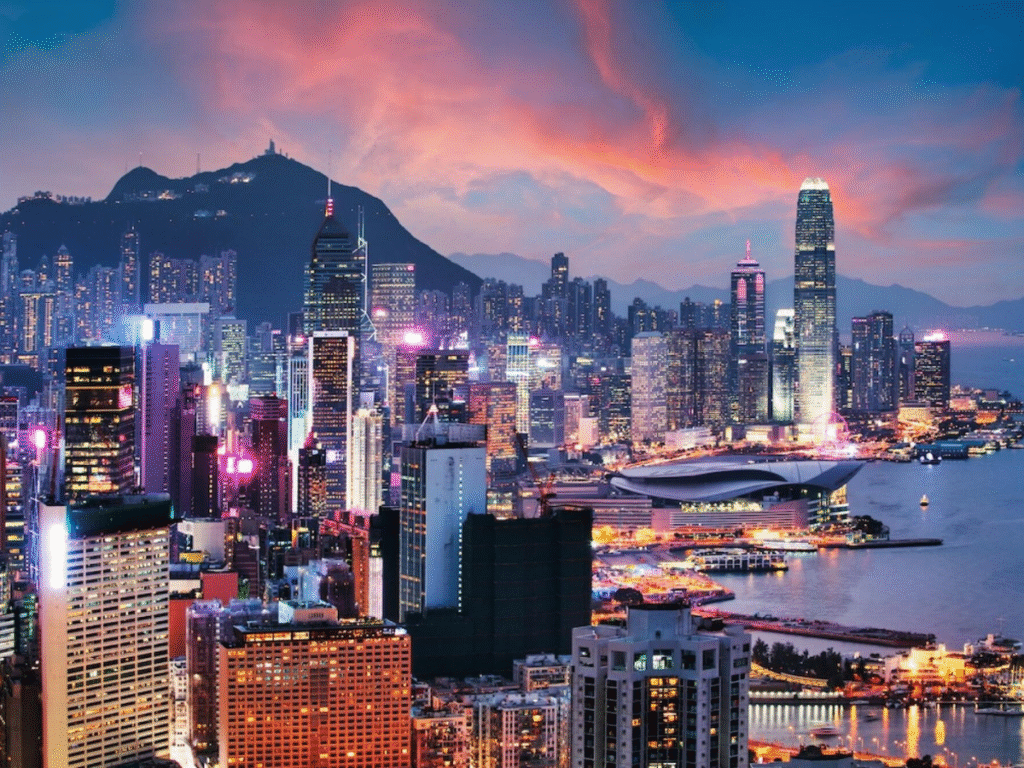
Hong Kong | Image: Sereda Tomas/TTstudio
1. Hong Kong, Hong Kong
Area (land): 1,114 km²
Population: 7.524 Million (2024 World Bank)
Official Languages: Cantonese / English
Currency: Hong Kong Dollar (HKD)
GDP: 407.11 Billion
Median Monthly Salary: HK$20,500
Living in Hong Kong feels like signing up for a never-ending adrenaline rush—only with a monthly fee that would make most wallets shudder. Space is the city’s greatest luxury, and with nearly 7.5 million people packed into just over a thousand square kilometres, rent prices are sky-high. Even the tiniest shoebox apartments in Central can rival the cost of a family home elsewhere, and everyday essentials like groceries or schooling come with their own hefty prices. It’s no surprise that Hong Kong often ranks as the world’s most expensive city to live in.
Yet despite the sticker shock, people can’t seem to resist. The glittering skyline, world-class dining, bustling nightlife, and the relentless energy of a city that never truly slows down make Hong Kong irresistible. Sure, your bank account might take a hit, but the thrill of living here—the fusion of East and West, tradition and innovation—feels priceless to many who proudly call it home.
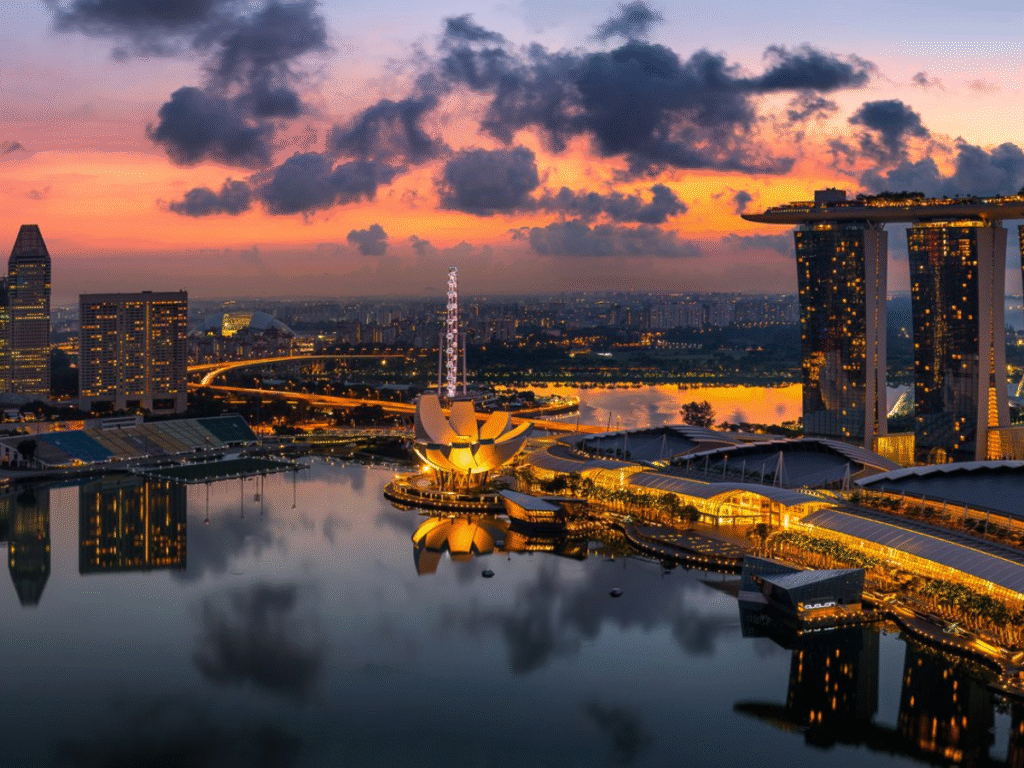
Singapore | Image: Nico Trinkhaus
2. Singapore, Singapore
Area: 734 km²
Population: 6.036 Million (2024 World Bank)
Official Languages: English, Malay, Singaporean Mandarin, & Tamil
Currency: Singapore Dollar (SGD)
GDP: 547.39 Billion
Median Monthly Salary: SGD $5,197
Singapore may be tiny in size, but when it comes to the cost of living, it packs one heavyweight punch. With limited land for development, real estate prices soar to dizzying heights, making housing the largest expense for both locals and expats. Add to that the high costs of owning a car (due to the well-known Certificate of Entitlement system) and premium prices for imported goods, and daily life here suddenly feels like a luxury lifestyle subscription. It’s no wonder Singapore often ranks highly in global cost-of-living surveys.
Despite the high costs, people continue to pay happily. Why? Because Singapore uniquely combines top-tier efficiency, safety, and cleanliness with a lively cultural scene. Its culinary landscape ranges from bustling hawker stalls to Michelin-starred restaurants, while its status as a financial hub attracts constant opportunities. The city’s impressive skyline, abundant green areas, and seamless mix of modern and traditional elements demonstrate that, although living here is costly, it offers exceptional rewards.
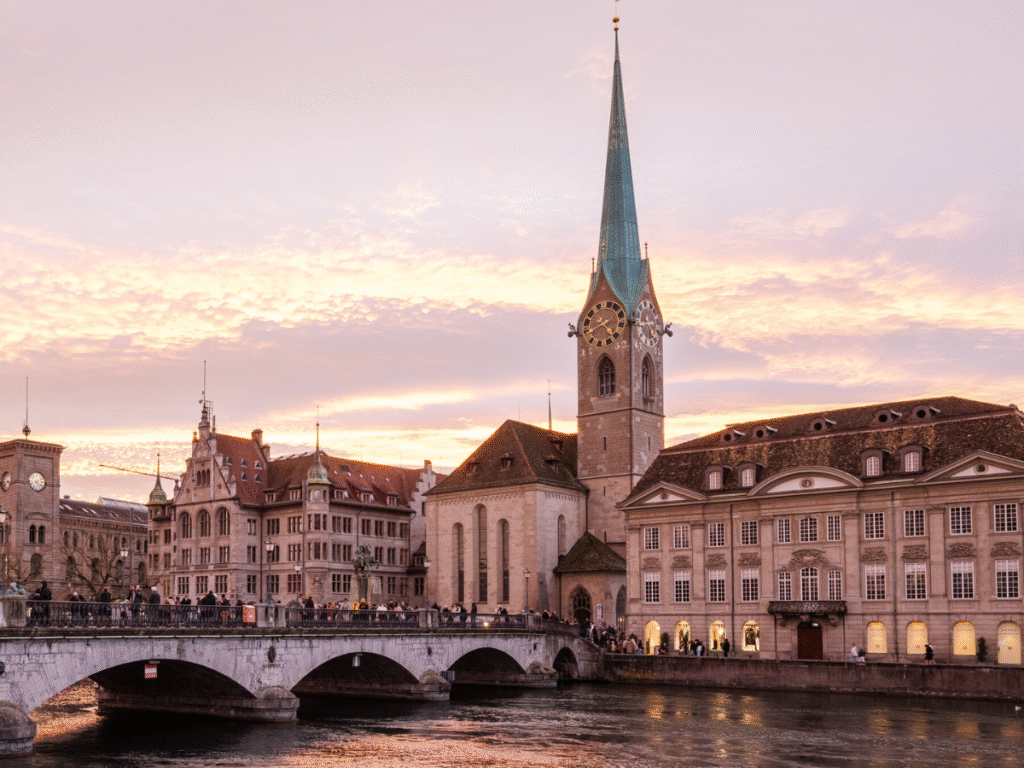
Zurich, Switzerland | Image: Clara Tuma
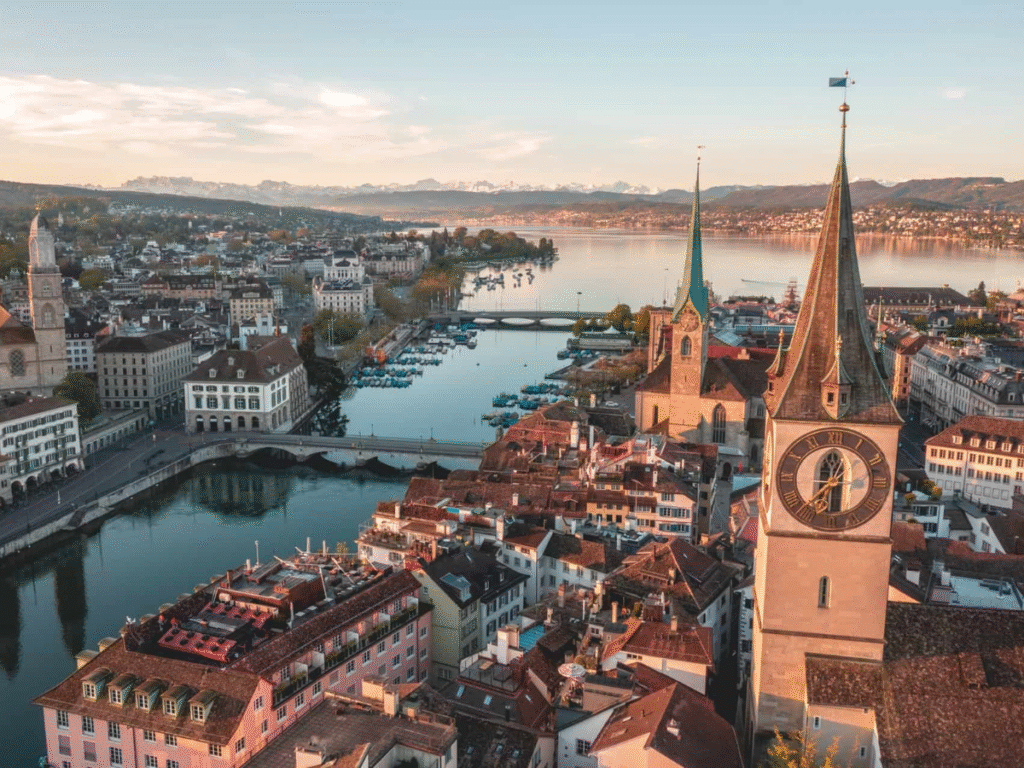
3. Zurich, Switzerland
Area: 91.9 km²
Elevation: 408 m
Population: 423,000 (2021 Common Data)
Official Language: German
Currency: Swiss Franc (CHF)
Median Monthly Salary: CHF 7,800
Zurich might be Switzerland’s largest city, but it feels more like a perfectly polished village dressed up in a luxury suit. With its snowcapped Alps in the distance, the shimmering Lake Zurich at its centre, and cobblestone streets lined with history, this is the kind of place where every postcard view is real life. Of course, that picture-perfect charm comes with a cost. Housing here is sky-high, a quick grocery run could feel like a fine dining experience, and grabbing drinks with friends often comes with a bill that makes you double-check if you accidentally ordered champagne.
What pushes prices so high prices? Zurich is both a global financial centre and a lifestyle capital. High wages support high prices, creating a cycle where everything—from rent to transportation to healthcare—remains on the upper end. But people aren’t just paying for essentials; they’re paying for precision. Public services are efficient, infrastructure is pristine, and trains really do run like clockwork. Living here is like buying into the Swiss promise of quality—flawless, but costly.
Ask anyone who has made Zurich their home, and they’ll confirm it’s worth it. The city provides exceptional access to nature, a lively cultural scene, and one of the safest and most organized ways of life globally. Zurich isn’t merely where you reside—it’s a place where you flourish, as long as your budget can match the pace of the Swiss Franc.
Geneva, Switzerland | Image: Henrique Ferreira
4. Geneva, Switzerland
Area: 15.9 km²
Elevation: 375 m
Population: 644,513 (Common Data)
Official Language: French
Currency: Swiss Franc (CHF)
Median Monthly Salary: CHF 7,200
Geneva is a city where luxury isn’t just present—it feels like part of the air you breathe. Situated along the shores of Lake Geneva with the magnificent Alps in the distance, it’s a postcard-perfect locale that hosts diplomats, bankers, and jet-setters. But with that prestige comes a hefty price tag. Housing is notoriously costly, daily essentials are more expensive than in most parts of Europe, and dining out at even a casual café can leave your credit card gasping.
The city’s reputation as a global hub elevates living costs. Geneva hosts the United Nations, the World Health Organization, numerous NGOs, and a vibrant financial sector—attracting an international crowd willing (and able) to pay a premium for a piece of this cosmopolitan city. It’s also the birthplace of haute horlogerie, home to some of the world’s most esteemed Swiss watchmakers, which further enhances its image as a global centre of sophistication. When you’re surrounded by boutiques selling timepieces worth more than cars, it’s no surprise that everyday living tends to be more expensive.
Yet Geneva’s charm makes the cost easier to accept. Picture weekends sailing on Lake Geneva, skiing in the Alps just an hour away, or strolling through stylish streets filled with chocolatiers and watch shops. Combine that with safety, top-notch healthcare, and an international atmosphere that effortlessly blends cultures, and it’s no surprise so many are willing to pay the high price of calling Geneva home.
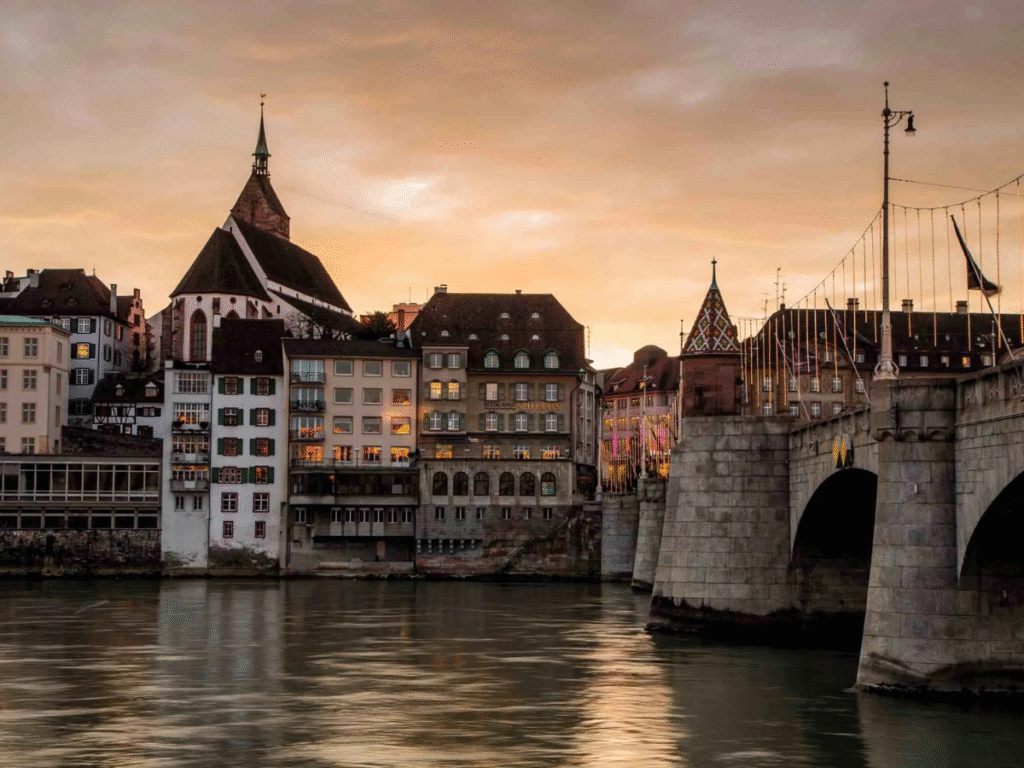
Basel, Switzerland | Image: Getty
5. Basel, Switzerland
Area: 23.9 km²
Elevation: 261m
Population: 578,700 (Common Data)
Official Language: German
Currency: Swiss Franc (CHF)
Median Monthly Salary: CHF 7,200
Basel may not always grab the spotlight from Zurich or Geneva, but it certainly competes with them in terms of cost. Located at the crossroads of Switzerland, France, and Germany, Basel is a cultural and economic hub where living costs climb just as quickly as the trams weaving through its streets. Rent is steep, groceries are pricey, and even a simple night out can feel like a luxury. As a global centre for pharmaceuticals and life sciences, salaries are generous — but so are the expenses.
Basel offers more than just business; it stands out as a cultural hub. Famous for the renowned Art Basel fair and a diverse range of museums, it attracts international visitors willing to spend top dollar on a vibrant cultural experience. The scenic Rhine River, efficient public transportation, and convenient trips to France or Germany further boost its appeal. These factors help explain why Basel remains both costly and highly attractive.
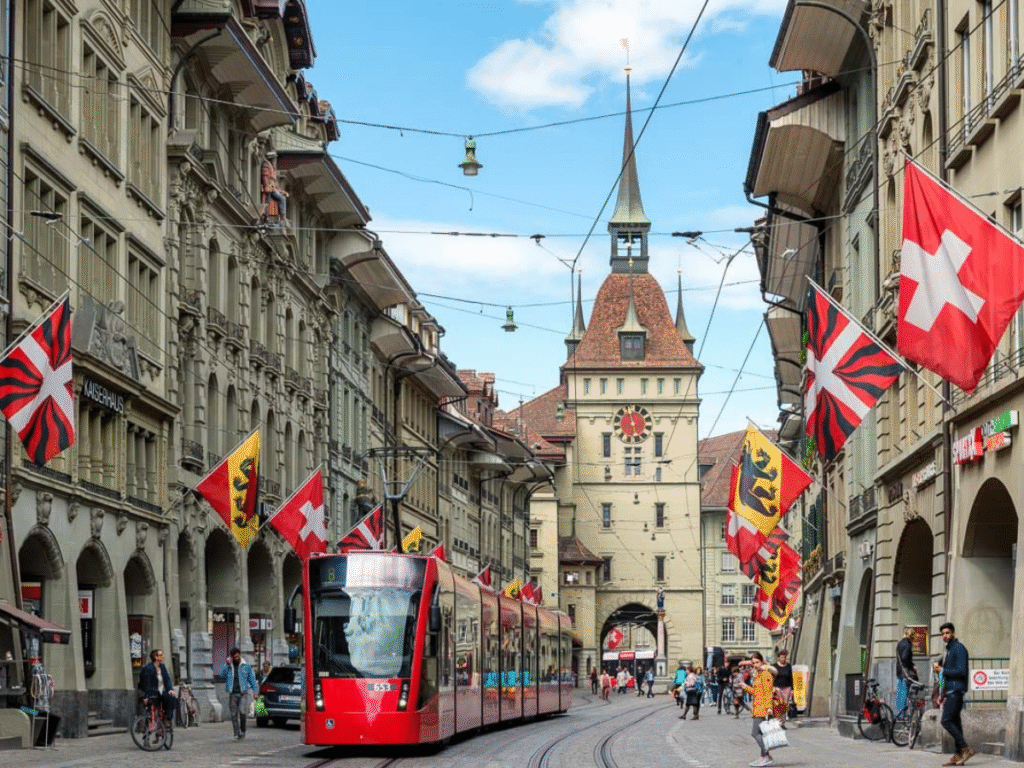
Bern, Switzerland|Image: Devon Honeyman
6. Bern, Switzerland
Area: 51.6 km²
Elevation: 540m
Population: 448,100 (Common Data)
Official Language: German/French
Currency: Swiss Franc (CHF)
Median Monthly Salary: CHF 6,900
As the capital of Switzerland, Bern manages to blend political significance with old-world charm—and the cost of living here reflects that mix. Housing expenses are steep, groceries strain your budget, and even a casual café visit can quickly turn into a costly treat. Though it’s smaller than Zurich or Geneva, Bern isn’t behind in costs, mainly because of its role as the nation’s political centre and a hub for international organisations. Salaries are solid, but everyday life still bears the hallmark Swiss price tag.
What makes Bern special is its balance of heritage and livability. With its UNESCO-listed old town, winding cobblestone streets, and the Aare River meandering through the city, it feels like stepping into a postcard. Yet, it’s also efficient, safe, and well-connected, offering residents the polished quality of life that Switzerland is known for. Living in Bern may strain your bank account, but it rewards you with an atmosphere that blends history, culture, and modern convenience in one very expensive package.
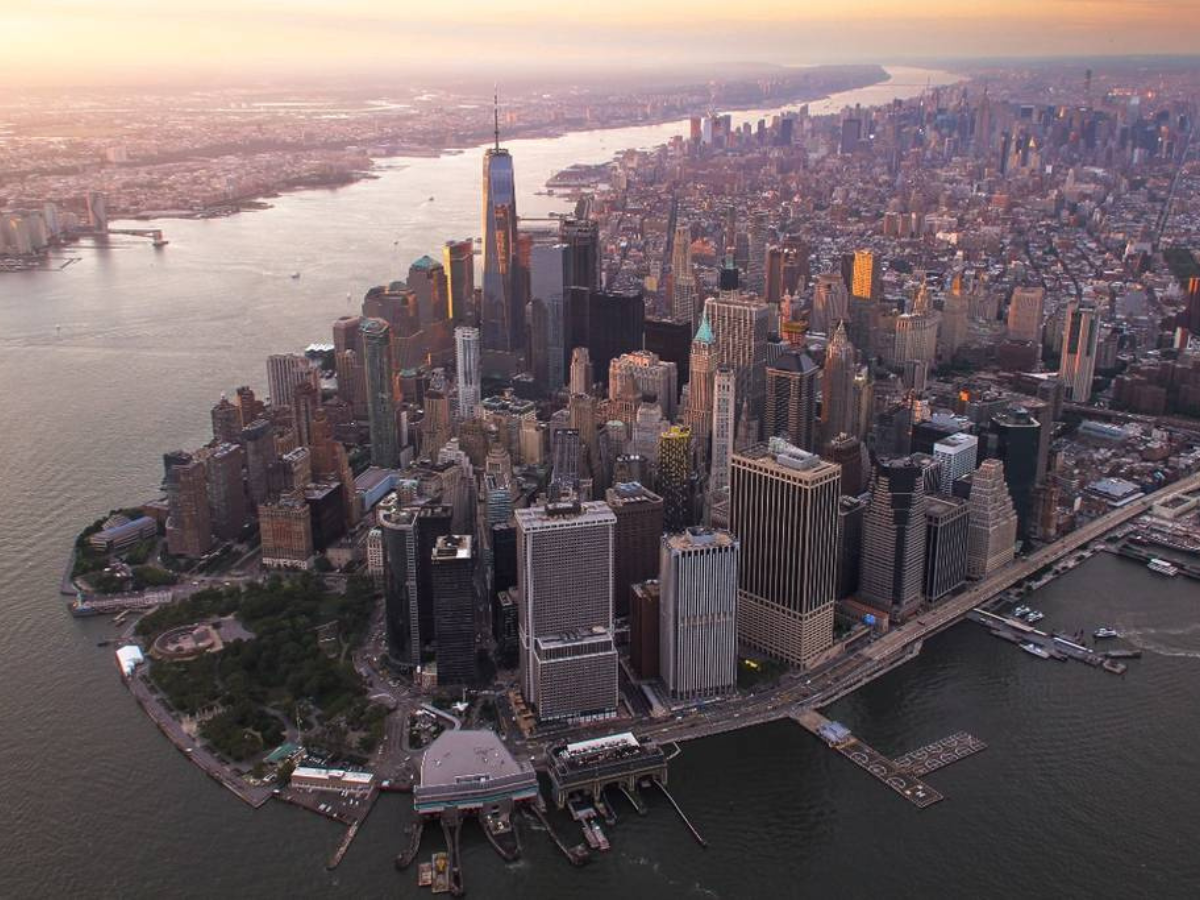
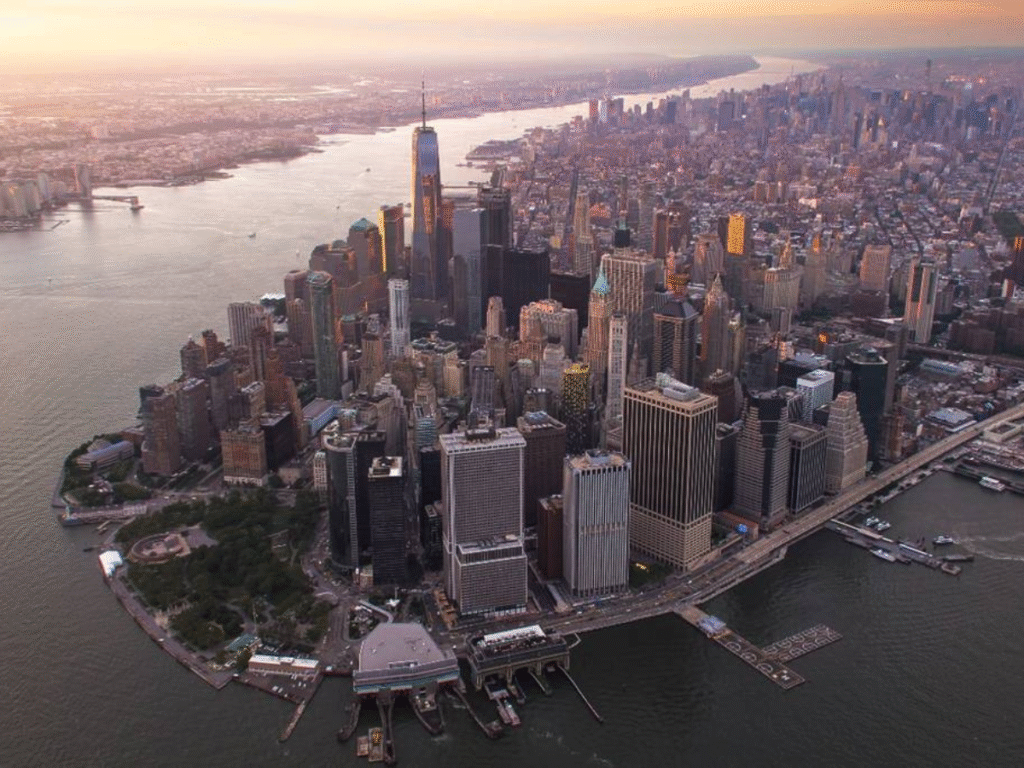
New York City | Image: Brandon Jacoby
7. New York City, USA
Area: 783.8 km²
Population: 7.936 Million (World Population Review)
Official Language: English
Currency: US Dollar (USD)
GDP: 1.286 Trillion
Median Monthly Salary: USD $6,700
New York City epitomizes a city that never sleeps—and neither does the cost of living. Housing remains a central issue, with rents that can match mortgages in many parts of the world. From tiny Manhattan studios to stylish Brooklyn lofts, living spaces are limited and highly sought after, driving prices skyward. Combine that with expensive utilities, childcare, and transportation, and simply managing daily life can feel like running an endless financial marathon.
Food and entertainment are also expensive. A quick trip to the grocery store can drain your wallet faster than expected, and while the city’s dining scene is famous, eating out often is a luxury few can afford without planning. Even simple pleasures—a baseball game, a Broadway show, or a night at a rooftop bar—cost a lot. New York doesn’t just test your budget; it pushes you to keep up with its relentless pace.
Nevertheless, people keep returning. New York offers something few cities worldwide can match: limitless opportunities. It’s a melting pot of cultures, a global business hub, and a stage for ambition. The energetic atmosphere, inspiring diversity, and the mindset that “anything is possible” drive millions to chase their dreams. Although your bank account might take a hit, the lifestyle and opportunities in the Big Apple? Truly invaluable.
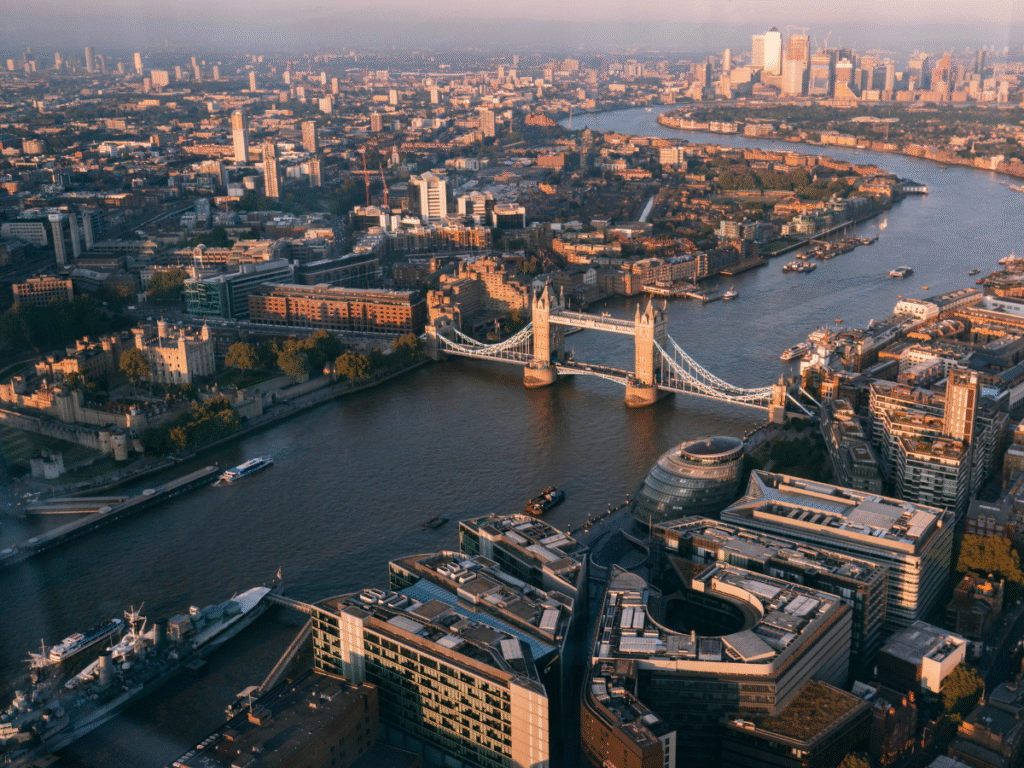
London, United Kingdom | Image: Getty Images
8. London, United Kingdom
Area: 1,572 km²
Population: 9 million (2024 estimate)
Official Language: English
Currency: Pound Sterling (GBP)
GDP: £617.915 billion
Median Monthly Salary: ~ GBP £3,000
London is a city where history meets modern hustle, and unfortunately, where rent hits the stratosphere. Housing costs are notoriously high, especially in central boroughs like Kensington or Chelsea, where apartments can command eye-watering prices. Add in council tax, utilities, and transportation on the iconic but costly Tube, and you start to see why living in London requires deep pockets. Even modest lifestyles here stretch budgets further than in most European capitals.
The city’s status as a global financial hub doesn’t help lower costs. With large sums flowing through the City of London and Canary Wharf, competition for housing and services remains intense. Dining out, whether at a cozy pub or a Michelin-starred restaurant, is never cheap, and tickets for theatre in the West End or football at Stamford Bridge remind you that leisure is a luxury. Even grabbing a pint after work can leave your wallet lighter than expected.
But London’s appeal is undeniable. It’s a cultural hub full of museums, galleries, and nightlife, where tradition and innovation blend together. From passing Buckingham Palace on your morning commute to enjoying the energy of Shoreditch after dark, London offers a lifestyle as lively as it is demanding. Expensive? Certainly. But for many who choose to live here, the city’s energy, history, and opportunities make the high price tag worth every pound.
Nassau, The Bahamas | Image: State Magazine
9. Nassau, The Bahamas
Area: 207 km²
Population: 322,600 (World Population Review)
Official Language: English
Currency: Bahamian Dollar (BSD), Pegged 1:1 With USD
GDP: 15.83 Billion
Median Monthly Salary: BSD $2,600
Nassau may be a tropical paradise with turquoise waters and white sandy beaches, but living here is far from cheap. As the capital of the Bahamas and its main economic hub, Nassau carries the highest living costs in the Caribbean. Housing is expensive, utilities are steep, and because so much is imported—from groceries to cars—prices for everyday items are consistently high. Even a simple grocery trip or dinner out can leave locals and expats alike with sticker shock.
Tourism drives much of Nassau’s economy, and that comes with a premium lifestyle tax. Resorts, luxury developments, and demand from wealthy international visitors push up costs across the board. While salaries are modest compared to global metropolises, the day-to-day expenses feel closer to big-city living, making Nassau one of the most challenging (and expensive) places to balance income with expenses.
But the city’s appeal is undeniable. Imagine stepping out your door to beaches that look like postcards, enjoying year-round sunshine, and living where others dream of vacationing. Nassau blends island charm with modern energy, offering a lifestyle that feels like an endless holiday—if your wallet can keep up. For many, the beauty, climate, and laid-back atmosphere make the high price tag worth paying to call this island city home.
Los Angeles, USA | Image:
10. Los Angeles, USA
Area: 1,302 km²
Population: 3.9 Million
Official Language: English
Currency: US Dollar (USD)
GPD:
Median Monthly Salary: USD $6,200 (2024 estimate)
Los Angeles is the city of sunshine, palm trees, and Hollywood glamour—but living here comes with a blockbuster-sized price tag. Housing is the biggest expense, with homes and apartments in desirable neighbourhoods like Santa Monica, Beverly Hills, or West Hollywood reaching staggering levels. Even modest rentals in less central areas are costly, and rising property values make owning a home feel like winning the lottery. Combine that with high utility bills and insurance costs, and just having a roof over your head in LA can be a major financial production.
Transportation adds another layer to the cost of living in LA. Unlike New York, where you can rely on the subway, LA is a city designed for cars. Owning one isn’t optional — it’s vital. Gas, insurance, maintenance, and the notorious traffic all add up on your monthly expenses. Then there’s the lifestyle: dining in trendy restaurants, staying current with health-conscious food trends, and enjoying the city’s endless entertainment choices. Even “casual” nights out tend to drain wallets in Los Angeles.
People are drawn to LA by the dream. It’s a centre for entertainment, startups, and tech, with sunshine almost every day. Beaches, trails, celebrity culture, and opportunities attract many. While the high cost of living might seem like a dramatic plot twist, the chance to chase the California dream keeps millions here, scripts and all.
Most Expensive Cities In The World – Full List
Rank
City
Country
1
Hong Kong
Hong Kong
2
Singapore
Singapore
3
Zurich
Switzerland
4
Geneva
Switzerland
5
Basel
Switzerland
6
Bern
Switzerland
7
New York City
United States Of America
8
London
United Kingdom
9
Nassau
Bahamas
10
Los Angeles
United States Of America
11
Copenhagen
Denmark
12
Honolulu
United States Of America
13
San Francisco
United States Of America
14
Bangui
Central African Republic
15
Dubai
United Arab Emirates
16
Tel Aviv
Israel
17
Miami
United States Of America
18
Dijbouti
Dijbouti
19
Boston
United States Of America
20
Chicago
United States Of America
21
N’Djamena
Chad
22
Washington
United States Of America
23
Shanghai
China
24
Vienna
Austria
25
Beijin
China
26
Conakry
Guinea Republic
27
Atlanta
United States Of America
28
Seattle
United States Of America
29
Paris
France
30
Amsterdam
Netherlands
31
Berlin
Germany
32
Souel
South Korea
33
Mexico City
Mexico
34
Shenzhen
China
35
Frankfurt
Germany
36
San Jose
Costa Rica
37
Brussels
Belgium
38
Munich
Germany
39
Dakar
Senegal
40
Helsinki
Finland
41
Dublin
Ireland
42
Montevideo
Uruguay
43
Abu Dhabi
United Arab Emirates
44
The Hague
Netherlands
45
Libreville
Gabon
46
Philadelphia
United States Of America
47
Luxemboug
Luxemboug
48
San Juan
Puerto Rico
49
Tokyo
Japan
50
Houston
United States Of America
51
Dusseldorf
Germany
52
Oslo
Norway
53
Edinburgh
Scotland
54
Hamburg
Germany
55
Dallas
United States Of America
56
Prague
Czech Republic
57
Milan
Italy
58
Sydney
Australia
59
Minneapolis
United States Of America
60
Noumea
New Caledonia
61
Riga
Latvia
62
Pittsburgh
United States Of America
63
Douala
Cameroon
64
Victoria
Seychelles
65
Portland
United States Of America
66
Barcelona
Spain
67
Rome
Italy
68
Glasgow
Scotland
69
Taipei
Taiwan
70
Stuttgart
Germany
71
Guangzhou
China
72
St. Louis
United States Of America
73
Melbourne
Australia
74
Brazzaville
The Republic Of Congo
75
Lyon
France
76
Madrid
Spain
77
Buenos Aires
Argentina
78
Birmingham
United Kingdom
79
Kinshasa
The Democratic Republic Of Congo
80
Abidjan
Cote d’lvoire
81
Detroit
United States Of America
82
Aberdeen
United Kingdom
83
Bratislava
Slovakia
84
Cleveland
United States Of America
85
Nuremburg
Germany
86
Leipzig
Germany
87
Belfast
United Kingdom
88
Busan
South Korea
89
Brisbane
Australia
90
Riyadh
Saudia Arabia
91
Yaounde
Cameroon
92
Toronto
Canada
93
Qingdao
China
94
Pointe-A-Pitre
Guadeloupe (France)
95
Toulouse
France
96
Tallinn
Estonia
97
Jeddah
Saudi Arabia
98
Accra
Ghana
99
Kingston
Jamaica
100
Lisbon
Portugal
101
Vancover
Canada
102
Stockholm
Sweden
103
Tirana
Albania
104
Athens
Greece
105
Nanjing
China
106
Canberra
Australia
107
Adelaide
Australia
108
Amman
Jordan
109
Perth
Australia
110
Manama
Bahrain
111
Auckland
New Zealand
112
Shenyang
China
113
Vilnius
Lithuania
114
Port Of Spain
Trinidad & Tobago
115
Monterrey
Mexico
116
Harare
Zimbabwe
117
Ljubljana
Slovenia
118
Montreal
Canada
119
Kuwait City
Kuwait
120
Bamako
Mali
121
Doha
Qatar
122
Muscat
Oman
123
Phnom
Cambodia
124
Sao Paulo
Brazil
125
Chengdu
China
126
Ottawa
Canada
127
Guatemala City
Guatemala
128
Lome
Togo
129
Bangkok
Thailand
130
Istanbul
Türkiye
131
Manlia
The Philippines
132
Taichung
Taiwan
133
Suzhou
China
134
Chongqing
China
135
Warsaw
Poland
136
Mumbai
India
137
Zagreb
Croatia
138
Addis Ababa
Ethiopia
139
Xian
China
140
Dhaka
Bangladesh
141
Calgary
Canada
142
Cotonou
Benin
143
Budapest
Hungary
144
Ouagadougou
Burkina Faso
145
Wellington
New Zealand
146
Osaka
Japan
147
Wuhan
China
148
Quito
Ecuador
149
Kaohsiung
Taiwan
150
Rio De Janeiro
Brazil
151
Panama City
Panama
152
Niamey
Niger
153
Casablanca
Morocco
154
Yokohama
Japan
155
Bucharest
Romania
156
Yerevan
Armenia
157
Jakarta
Indonesia
158
Luanda
Angola
159
Belgrade
Serbia
160
Santiago
Chile
161
Nagoya
Japan
162
Sofia
Bulgaria
163
Limassol
Cyprus
164
Maputo
Mozambique
165
New Dehli
India
166
Lima
Peru
167
Santo Domingo
Dominican Republic
168
Cairo
Eygpt
169
Wroclaw
Poland
170
Bujumbura
Burundi
171
Baku
Azerbijan
172
Hanol
Vietnam
173
Rabat
Morocco
174
Bogata
Colombia
175
Krakow
Poland
176
Bandar Seri Begawan
Brunei
177
Kampala
Uganda
178
Ho Chi Minh City
Vietnam
179
Brasilia
Brazil
180
San Salvador
El Salvador
181
Dar es Salaam
Tanzania
182
Manaus
Brazil
183
Yangon
Myanmar
184
Tegucigalpa
Honduras
185
Beto Horizonte
Brazil
186
Nouakchott
Mauritania
187
Port Louis
Mauritius
188
Tbilisi
Georgia
189
Chennai
India
190
Colombo
Sri Lanka
191
Almaty
Kazakhstan
192
Asunción
Paraguay
193
Antananarivo
Madagascar
194
Algiers
Algeria
195
Bengaluru
India
196
La Paz
Bolivia
197
Managua
Nicaragua
198
Skopje
Republic Of Macedonia
199
Kigali
Rwanda
200
Kuala Lampur
Malaysia
201
Nairobi
Kenya
202
Hyderabad
India
203
Sarajevo
Bosnia & Herzegovina
204
Banjul
Gambia
205
Pune
India
206
Johannesburg
South Africa
207
Kolkata
India
208
Ankara
Türkiye
209
Cape Town
South Africa
210
Tunis
Tunisia
211
Vientiane
Lao People’s Democratic Republic
212
Minsk
Belarus
213
Lusaka
Zambia
214
Johor Bahru
Malaysia
215
Gaborone
Botswana
216
Tashkent
Uzbekistan
217
Havana
Cuba
218
Windhoek
Namibia
219
Durban
South Africa
220
Dushanbe
Tajikistan
221
Blantyre
Malawi
222
Karachi
Pakistan
223
Bishkek
Kyrgyzstan
224
Islamabad
Pakistan
225
Lagos
Nigeria
226
Abuja
Nigeria
Key Insights: Global Cost of Living
One of the clearest takeaways from Mercer’s ranking is that global hubs with strong economies and high demand tend to top the list. Cities like Hong Kong, Singapore, and Zurich exemplify the perfect mix of limited space, strong currencies, and international appeal. Switzerland stands out in particular, with four cities in the Top 10—a sign that high wages and premium services go hand in hand with rising daily expenses. Meanwhile, in Asia, the dense population and competition for housing continue to drive costs higher year after year.
But it’s not just about housing and salaries. Currency fluctuations, inflation, and global supply chains all significantly influence the rankings each year. A city can move up or down not because the cost of living suddenly changed, but because exchange rates shifted or import costs fell. The bigger picture shows that while these cities offer exceptional infrastructure, safety, and opportunities, the financial strain on residents is substantial—making affordability a constant balancing act between income and lifestyle.
Housing Costs
Housing remains the single most influential factor in shaping the Cost of Living City Ranking. As Mercer explains, “the cost of housing is a major factor in the Cost of Living City Ranking,” and between 2023 and 2024, rental markets experienced extreme volatility globally. Istanbul led with an astonishing 301% increase in average rental prices, while Ankara followed with a 141% rise. Conversely, some cities like Tel Aviv (-22%) and Minsk (-10%) experienced decreases. Even among the world’s Top 10 most expensive cities, rents generally edged upward—albeit more gradually, between 3% and 8%—with Nassau, Bahamas, remaining unchanged.
Mercer points out that these spikes often result from a supply-demand imbalance: “A contributing factor to the cost of housing is a shortage of housing relative to the number of people seeking accommodation. This mismatch between supply and demand is driving up prices for international assignment logistics.” For employees, this means a larger portion of their income is consumed by rent, leaving less disposable income for other expenses and increasing financial stress. For companies, it necessitates increasing compensation packages with housing allowances to stay competitive in high-cost markets, which stretches budgets and adds to the challenge of attracting and retaining global talent.
Housing Costs
Safety is becoming more important when comparing expensive cities. Mercer emphasizes that beyond cost, “quality of life, safety and security … have become key factors in a location’s appeal.” In practice, this means that even among high-cost areas, those with low crime, stable politics, and robust emergency services are more valued by residents and employers. Cities like Zurich, Singapore, and Geneva are not just costly—they are also among the safest worldwide, which helps justify many of the trade-offs people accept. Conversely, if housing and living costs are high but safety is seen as weak, it can significantly reduce the overall quality of life.
Cheapest Cities In The World
On the opposite end of Mercer’s ranking are cities like Havana (Cuba), Windhoek (Namibia), and Karachi (Pakistan), which are among the most affordable places to live. Housing, food, and transportation costs are much lower here, often due to weaker currencies, lower international demand, or generally modest income levels compared to global standards. While these cities may lack some of the infrastructure, stability, or services found in their more expensive counterparts, they underscore the stark contrast between affordable living and the sky-high costs of global centres like Hong Kong, Singapore, or Zurich.
Methodology
Behind the eye-catching headlines and jaw-dropping rental prices, Mercer’s Cost of Living City Ranking relies on one of the most detailed surveys of its kind. Conducted in March 2024, it analysed more than 200 items across 226 cities worldwide, covering everything from housing and transportation to groceries, clothing, and personal care. New York City is used as the base city, with all data converted into US dollars, ensuring inflation and exchange rates are factored into the results.
To make the findings relatable, Mercer examined not only housing and utilities but also the cost of daily essentials. Their basket of goods includes items such as:
12 large eggs
1 litre of olive oil
Espresso coffee at a popular café
1 litre of gasoline (unleaded 95 octane)
Men’s blue jeans
Women’s shampoo, haircut, and styling
By incorporating both major living costs and everyday expenses into its analysis, Mercer offers a practical snapshot of what life genuinely costs in cities worldwide. The outcome is a ranking that businesses use to develop expat packages and that individuals can reference to assess how far their money may stretch abroad.
And that’s what makes Mercer’s annual study more than just a list — it’s a guide to understanding the global economy through everyday life. Whether you’re dreaming about Hong Kong’s skyline, Zurich’s lakeside charm, or London’s bustling streets, the methodology behind the ranking reveals the true cost of turning those dreams into reality.
Elias Albay is the Founder and Director of Many Men Magazine, a Toronto-based digital publication dedicated to promoting modern masculinity through style, culture, and self-improvement. What started as a personal turning point became a purposeful platform. — born from Elias’ desire to create something meaningful after completing his studies and finding no career path that truly matched his ambitions. With a background in Civil Engineering from York University and experience in Commercial Flight Operations at CAE, he applied skills, and resilience from both fields to forge a new path.