




After years of multiverse stories, changing timelines, and nonstop talk about the future of the Marvel Cinematic Universe, Avengers: Doomsday is finally becoming clearer. Marvel Studios kept details secret for months, but the first trailer has now given fans a real look at what’s coming next. The clips shown so far have already started big conversations online, especially as Marvel seems to be preparing another huge crossover event for the series.
The movie also marks a big return behind the scenes. Joe Russo and Anthony Russo are officially back after directing Avengers: Infinity War and Avengers: Endgame, two of Marvel’s biggest films. Their comeback has quickly brought new excitement to the Avengers series, especially after several years of delays, script changes, release shifts, and uncertainty about the MCU’s overall path.
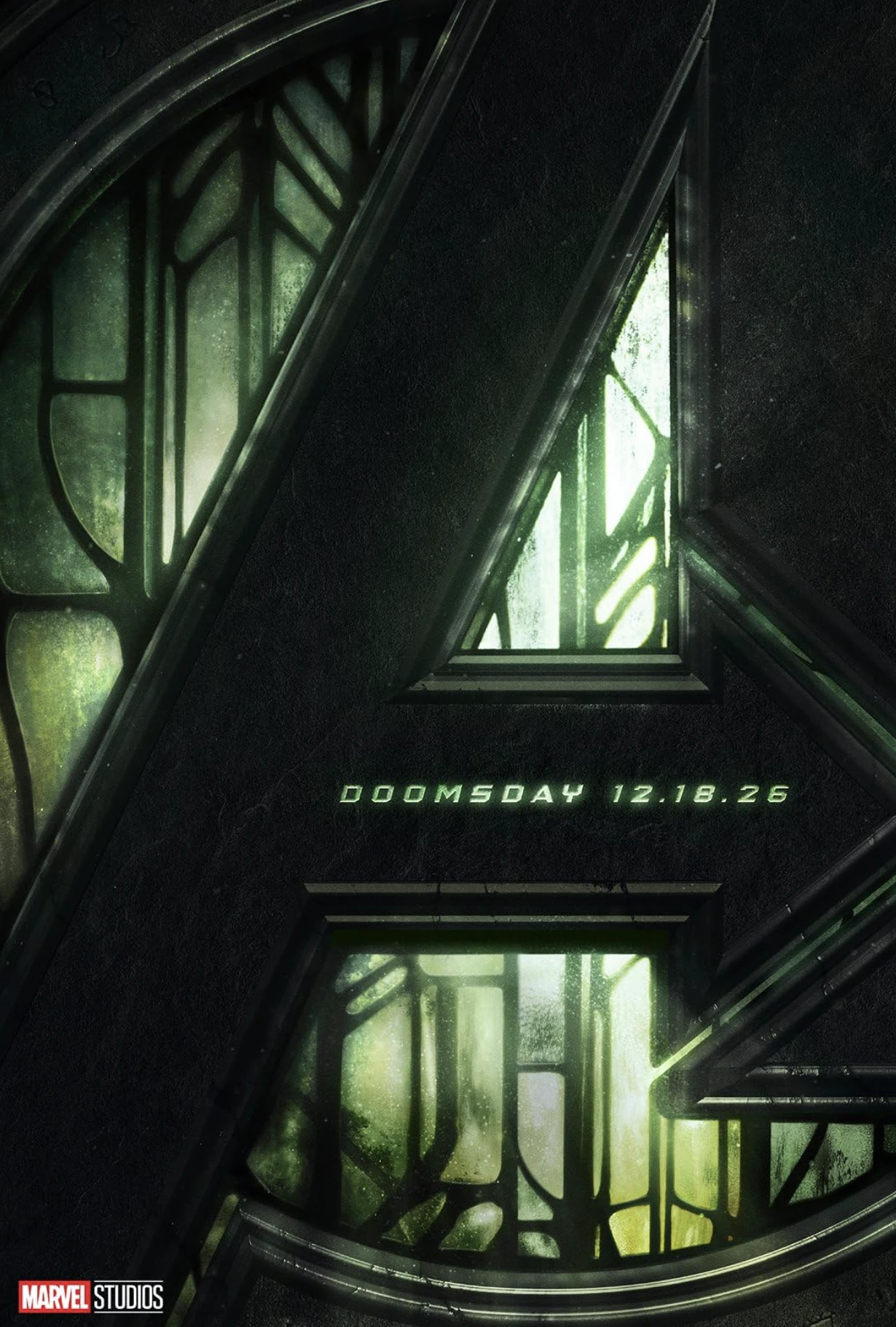
Marvel has now confirmed that Avengers: Doomsday will come out on December 18, 2026, making it one of the studio’s biggest upcoming movies. The footage shown so far suggests major multiverse problems, returning heroes, and the start of another huge crossover story. With growing rumours about Doctor Doom and Marvel clearly preparing for something much bigger, Avengers: Doomsday already feels less like a regular Avengers sequel and more like the beginning of the MCU’s next big event.
Advertisement · Continue Reading Below
The first trailer for Avengers: Doomsday quickly shows how unstable the Marvel Cinematic Universe has become after everything that happened in the Multiverse Saga. The footage moves through breaking realities, damaged cities, strange attacks, and returning heroes trying to figure out why different universes are starting to crash into each other. Marvel is still keeping most of the story secret, but the trailer already makes it clear this is much bigger than a usual Avengers-level threat.
One of the biggest surprises is the trailer’s mood. Instead of starting with nonstop action and huge battle scenes, the trailer takes more time to slow down and focus on the people behind the costumes. The scale still feels huge, but the footage has a much stronger emotional feel than many recent Marvel projects.
Much of the teaser focuses on Steve Rogers instead of Captain America. The footage shows him arriving by motorcycle at a house longtime Marvel fans will recognize right away from the end of Avengers: Endgame. Inside, Steve quietly looks at his old Captain America suit, almost like he is looking back on a life he left behind years ago.
Advertisement · Continue Reading Below
The teaser later reveals Steve alongside his child, with a softer piano version of the Avengers theme playing in the background. Marvel closes the footage with the line: “Steve Rogers will return for Avengers: Doomsday.” The moment immediately exploded across social media, especially because Anthony Mackie still remains the MCU’s current Captain America as Sam Wilson.
What makes this scene interesting is that Marvel appears to be maintaining Sam Wilson’s role as Captain America. Instead of removing him, the teaser hints at a multiverse where both versions of the character can remain important simultaneously. The emphasis is less on Steve returning as a symbol and more on Steve Rogers coming back as a character who has endured years of sacrifice and war.
Another teaser was released, focusing on Thor, but again, the focus is much more personal than dramatic. Instead of battlefields and destruction, Thor is alone in the woods with Stormbreaker resting beside him. Much of the scene feels thoughtful, with Thor speaking quietly to Odin as he reflects on family, responsibility, and what going back into another fight could cost him this time.
The footage also shows Love, now older than when audiences last saw her. One peaceful scene shows Thor leaning down to kiss her forehead before leaving, making it clear that his role as a father now matters just as much as his role as a hero. Instead of talking about glory or fate, Thor seems more worried about living long enough to come home again. Whatever threat is coming in Doomsday, the trailer already makes it feel very personal for several of its returning heroes.
Marvel has also been surprisingly careful about how it is promoting the film. As leaks and teaser clips began spreading online, Joe Russo and Anthony Russo released a simple teaser confirming that exactly one year remained until the film’s release. The clip showed little more than a countdown timer before briefly glitching to reveal the word “DOOMSDAY.” No cast announcements, no huge action scenes, and no big surprises. Instead, Marvel seems more focused on slowly building tension around the characters, their emotional consequences, and the bigger threat posed by the collapse of the multiverse.
Advertisement · Continue Reading Below
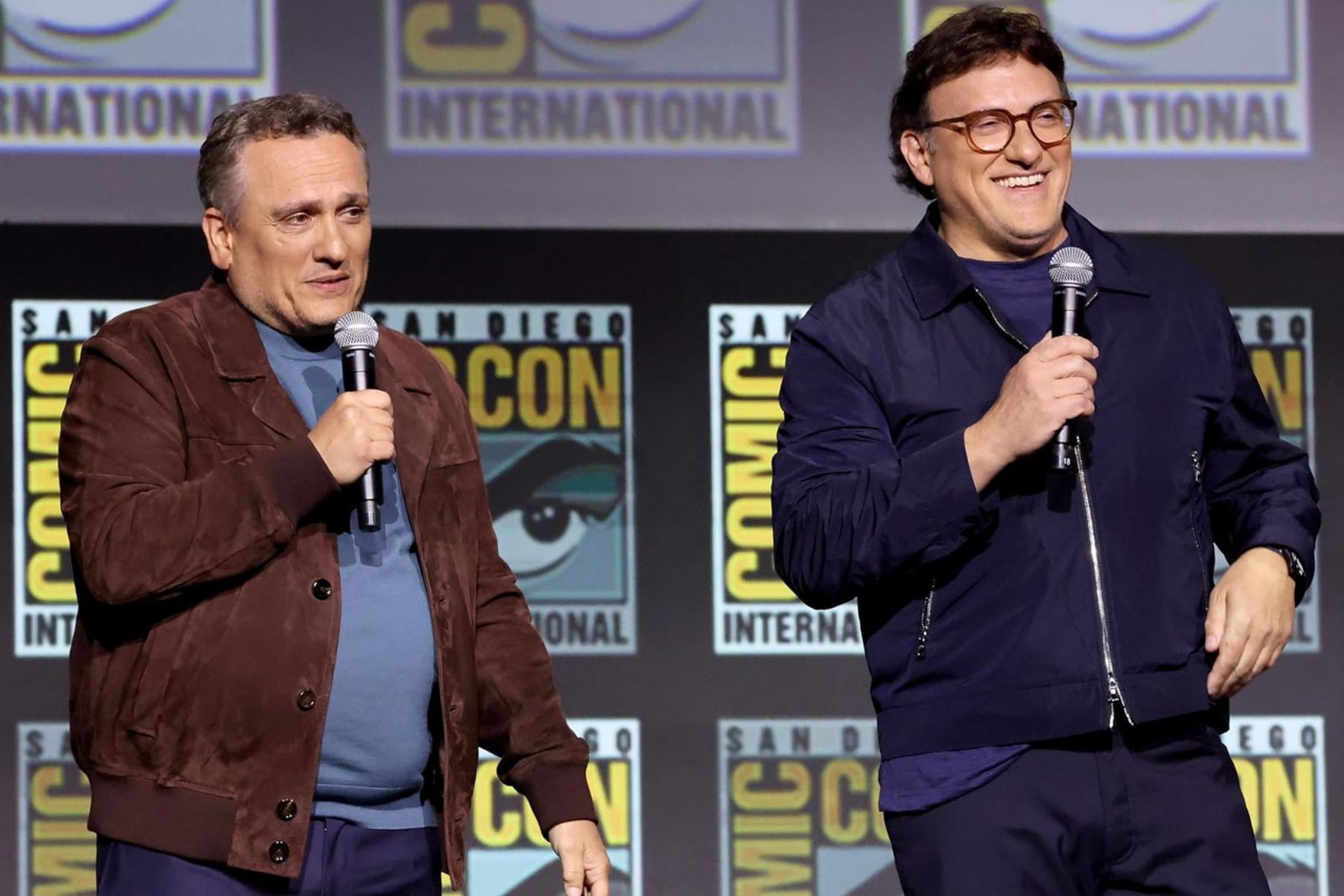
One of the biggest reasons excitement around ‘Avengers: Doomsday’ has exploded so quickly is the return of Joe Russo and Anthony Russo. The directing duo helped shape some of the MCU’s most important films through ‘Captain America: The Winter Soldier’, ‘Captain America: Civil War’, ‘Avengers: Infinity War’, and ‘Avengers: Endgame’. Together, those films completely changed the scale of the Marvel Cinematic Universe and helped turn the Avengers saga into one of the biggest box office events in film history.
Their return also comes at an important time for Marvel Studios. In recent years, the MCU has been criticized for uneven storytelling, too many releases, and a lack of clear direction after ‘Avengers: Endgame’. Bringing the Russo Brothers back gives ‘Avengers: Doomsday’ instant confidence, especially since they have already shown they can manage large casts, emotional character stories, and big crossover events without losing the personal side of the characters.
Advertisement · Continue Reading Below
This ability to balance exciting action with genuine emotion set the Russo brothers apart in their earlier Marvel movies. ‘Avengers: Infinity War’ and ‘Avengers: Endgame’ featured plenty of big action scenes and major comic-book moments, but they also included quieter scenes that gave the battles more meaning. Early footage from ‘Avengers: Doomsday’ suggests they are taking a similar approach, with teasers that highlight legacy, sacrifice, and personal stakes rather than nonstop action.
Their involvement also sends a clear message about how seriously Marvel is taking this next Avengers story. With the Russo Brothers returning, an expanding multiverse story, and the possibility of Doctor Doom becoming a main character, Marvel seems to be preparing another huge event film meant to change the franchise’s future.
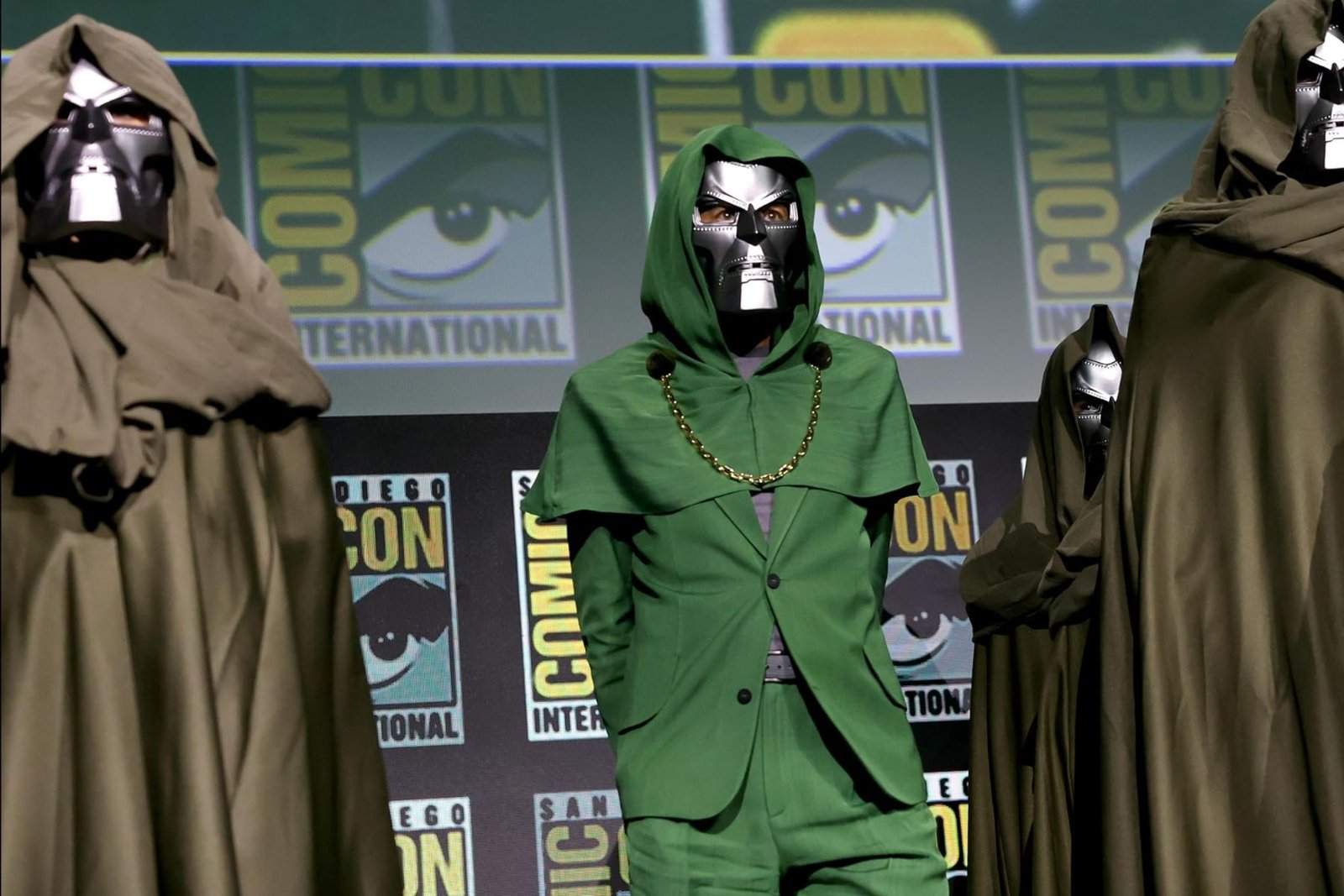
Avengers: Doomsday looks set to be one of the biggest moments in the Marvel Cinematic Universe since ‘Avengers: Endgame’. The movie is expected to bring together storylines from across the Multiverse Saga, including the effects from shows and movies like Loki, Doctor Strange in the Multiverse of Madness, Spider-Man: No Way Home, and Deadpool & Wolverine. Events like timeline crashes and alternate realities have been slowly building up for years, and ‘Avengers: Doomsday’ seems ready to combine all these events into one huge crossover.
The movie also seems to be the next big step in changing the future of the MCU. With more focus on the multiverse, the possible arrival of Doctor Doom, and the return of several older characters, Marvel appears to be creating a story that spans many generations of heroes and the current Avengers team. From the footage shown so far, ‘Avengers: Doomsday’ feels less like a single sequel and more like the start of a new major chapter that could change the franchise’s path going forward.
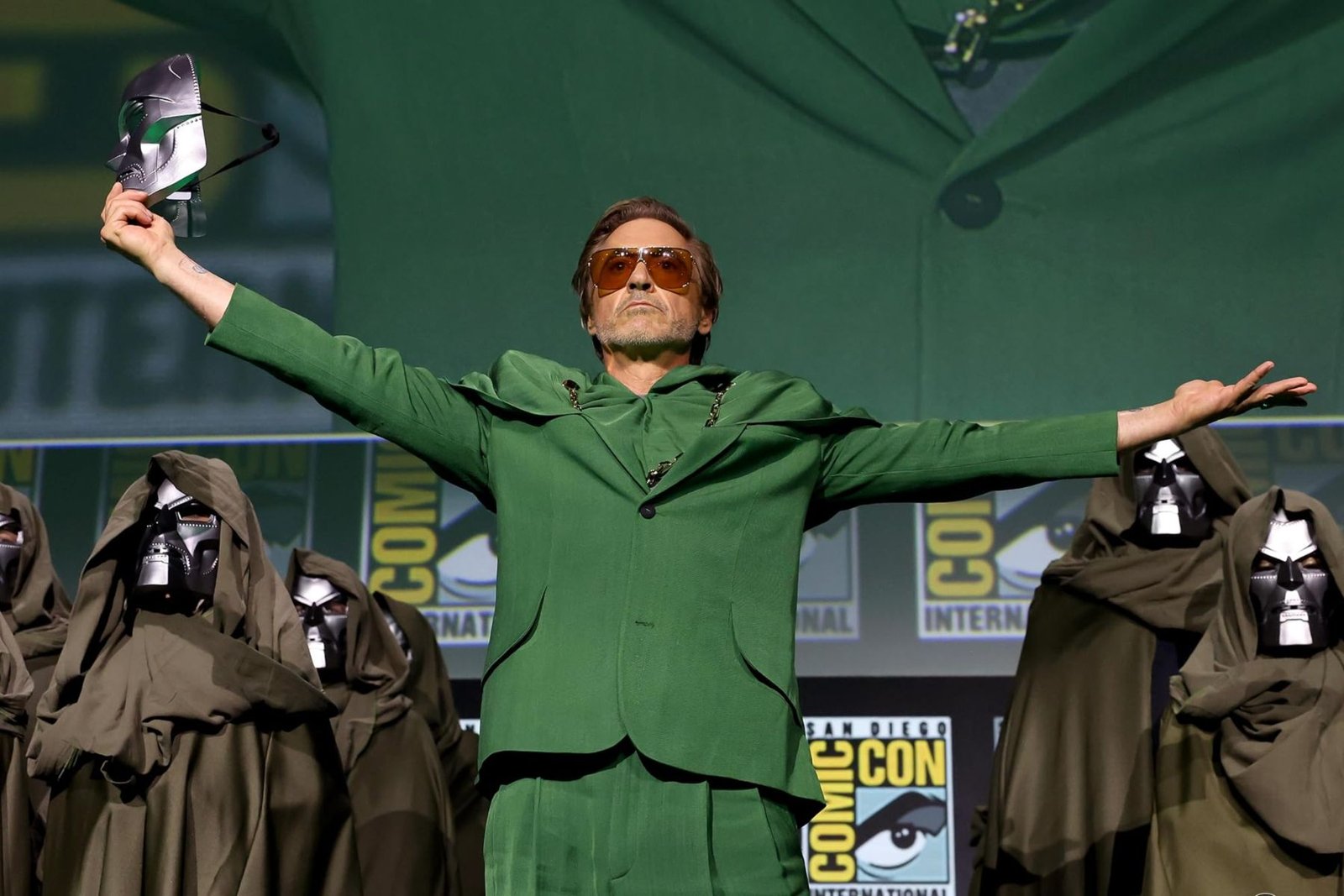
Marvel Studios is still keeping some big surprises secret, but ‘Avengers: Doomsday’ already seems to have one of the largest casts the MCU has ever put together. With returning Avengers, the arrival of the Fantastic Four, classic X-Men characters, and major multiverse crossovers, the movie is bringing together heroes and villains from across many Marvel films.
Here’s the confirmed cast of ‘Avengers: Doomsday’ so far:
- Thor — played by Chris Hemsworth
- Steve Rogers — played by Chris Evans
- Gambit — played by Channing Tatum
- Doctor Doom — played by Robert Downey Jr.
- Captain America / Sam Wilson — played by Anthony Mackie
- Bucky Barnes — played by Sebastian Stan
- Black Panther / Shuri — played by Letitia Wright
- Ant-Man — played by Paul Rudd
- Loki — played by Tom Hiddleston
- Yelena Belova — played by Florence Pugh
- Shang-Chi — played by Simu Liu
- U.S. Agent — played by Wyatt Russell
- Falcon — played by Danny Ramirez
- Red Guardian — played by David Harbour
- Ghost — played by Hannah John-Kamen
- M’Baku — played by Winston Duke
- Namor — played by Tenoch Huerta Mejía
- Reed Richards / Mister Fantastic — played by Pedro Pascal
- Sue Storm / Invisible Woman — played by Vanessa Kirby
- Johnny Storm / Human Torch — played by Joseph Quinn
- Ben Grimm / The Thing — played by Ebon Moss-Bachrach
- Sentry — played by Lewis Pullman
- Professor X — played by Patrick Stewart
- Magneto — played by Ian McKellen
- Cyclops — played by James Marsden
- Mystique — played by Rebecca Romijn
- Nightcrawler — played by Alan Cumming
- Beast — played by Kelsey Grammer
Advertisement · Continue Reading Below
The return of several classic X-Men actors has become one of the main topics of discussion about the film, especially as Marvel explores the multiverse more. Seeing actors like Patrick Stewart, Ian McKellen, James Marsden, and Rebecca Romijn return alongside newer MCU characters already makes Doomsday feel much bigger than a typical Avengers sequel.
Of course, the biggest surprise is Robert Downey Jr. coming back to Marvel — this time as Doctor Doom instead of Tony Stark. That casting news alone changed how people talked about the film as soon as it was announced. With the returning Avengers, the Fantastic Four, the X-Men, and Doctor Doom now involved, ‘Avengers: Doomsday’ is already looking like one of Marvel’s biggest crossover movies ever.
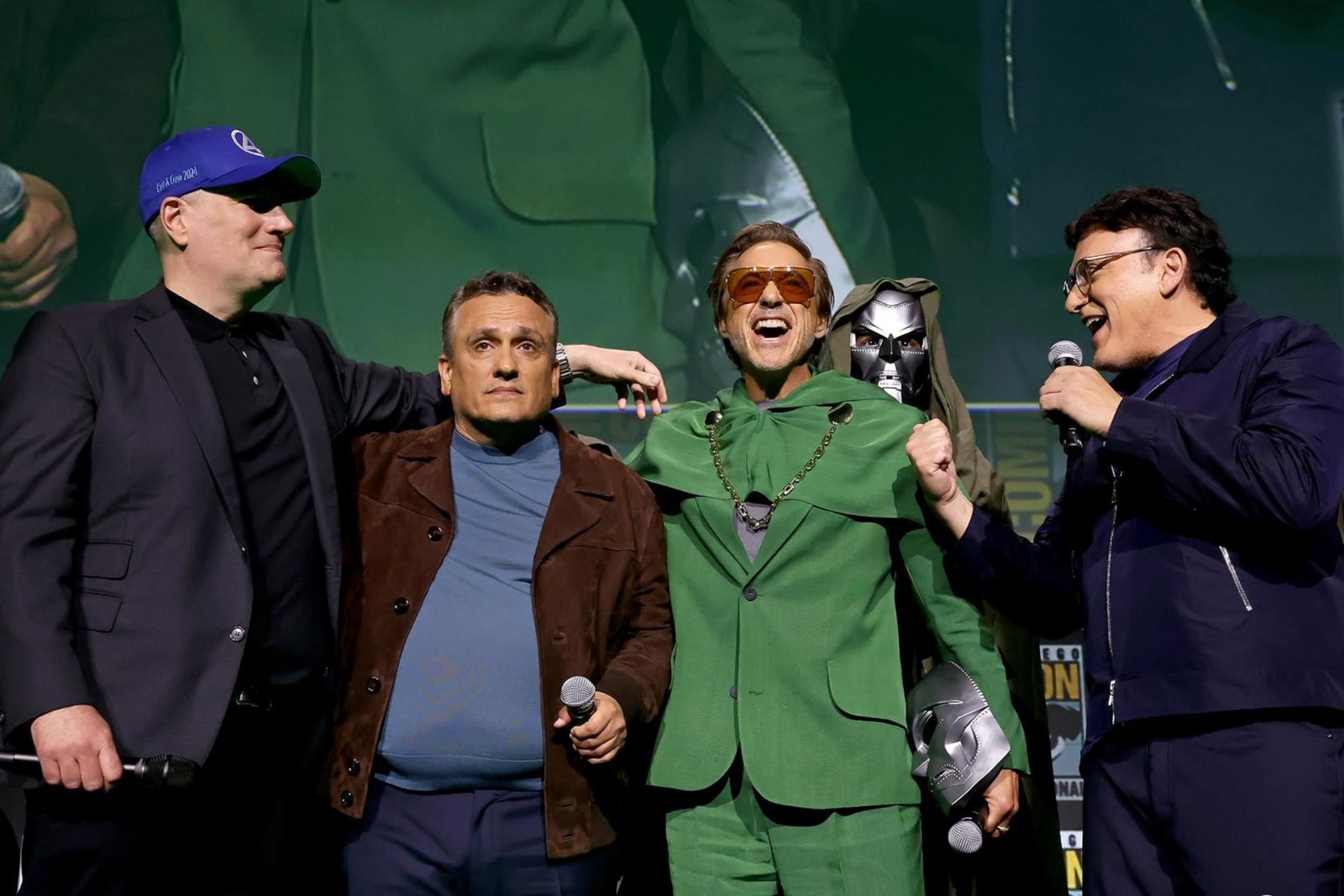
Marvel Studios has officially confirmed ‘Avengers: Doomsday’ to theatres on December 18, 2026, so mark your calendars, folks. The film was originally expected to come out much sooner as part of Marvel’s broader Multiverse Saga plans, but delays in production, script changes, and major behind-the-scenes shifts pushed the release date back. Now, with the upcoming film already feeling like one of Marvel Studios’ biggest movies in years, especially with the return of the Russo Brothers, the introduction of Doctor Doom, and a cast full of Avengers, X-Men, and Fantastic Four characters, the film is already becoming one of the most talked-about releases for 2026.