






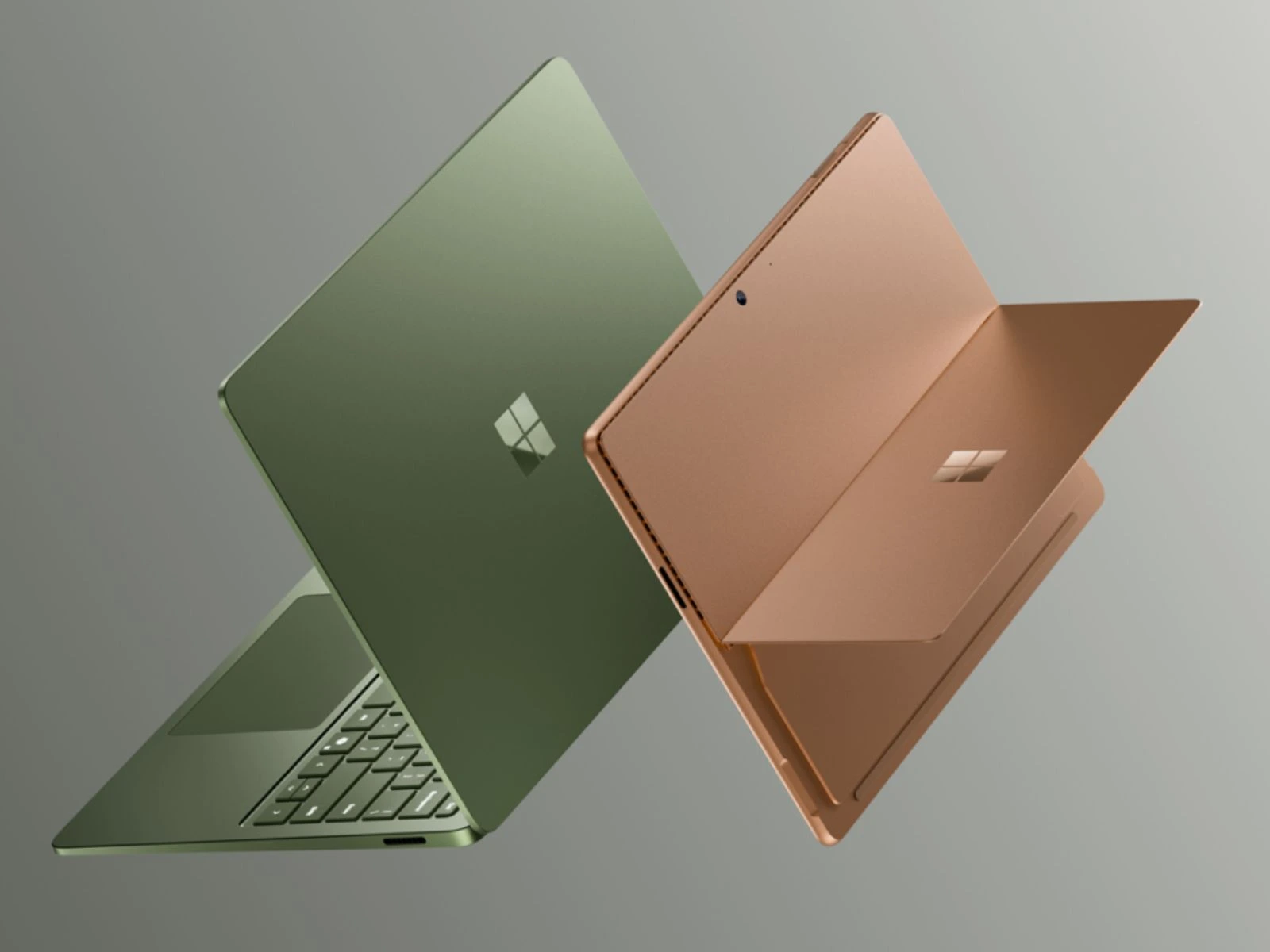

- Microsoft has unveiled its latest Surface Pro and Surface Laptop models, with U.S. availability beginning June 16, 2026.
- The new 13-inch Surface Pro, 13.8-inch Surface Laptop and 15-inch Surface Laptop are powered by Qualcomm’s Snapdragon X2 processors.
- The wider Surface Pro range starts at USD$849.99, while the new 13-inch Snapdragon X2 model starts at USD$1,499.
- The Surface Laptop family starts at USD$949.99, while the new X2 models cost USD$1,599 for the 13.8-inch version and USD$1,699 for the 15-inch model.
- The outgoing 13-inch Surface Pro 11th Edition and 13.8-inch Surface Laptop 7th Edition originally launched in the U.S. at USD$999, while the 15-inch Surface Laptop started at USD$1,299
Microsoft has refreshed its premium Surface line, introducing a new 13-inch Surface Pro alongside 13.8-inch and 15-inch Surface Laptop models powered by Qualcomm’s Snapdragon X2 processors.
The familiar designs remain, but Microsoft has added faster graphics, longer claimed battery life, sharper displays, upgraded 1440p cameras and a new Jade colour for the smaller Surface Laptop. The goal is fairly straightforward — more performance without sacrificing the flexibility and portability that define the Surface range.
Advertisement · Continue Reading Below
And yes, none of those upgrades are cheap.
The wider Surface Pro family starts at USD$849.99, while the Surface Laptop range begins at USD$949.99, but those prices apply to the smaller 8GB Snapdragon X Plus models. Stepping up to the new X2 generation costs USD$1,499 for the 13-inch Surface Pro, USD$1,599 for the 13.8-inch Surface Laptop and USD$1,699 for the 15-inch model—and higher memory or storage configurations push those prices considerably further.
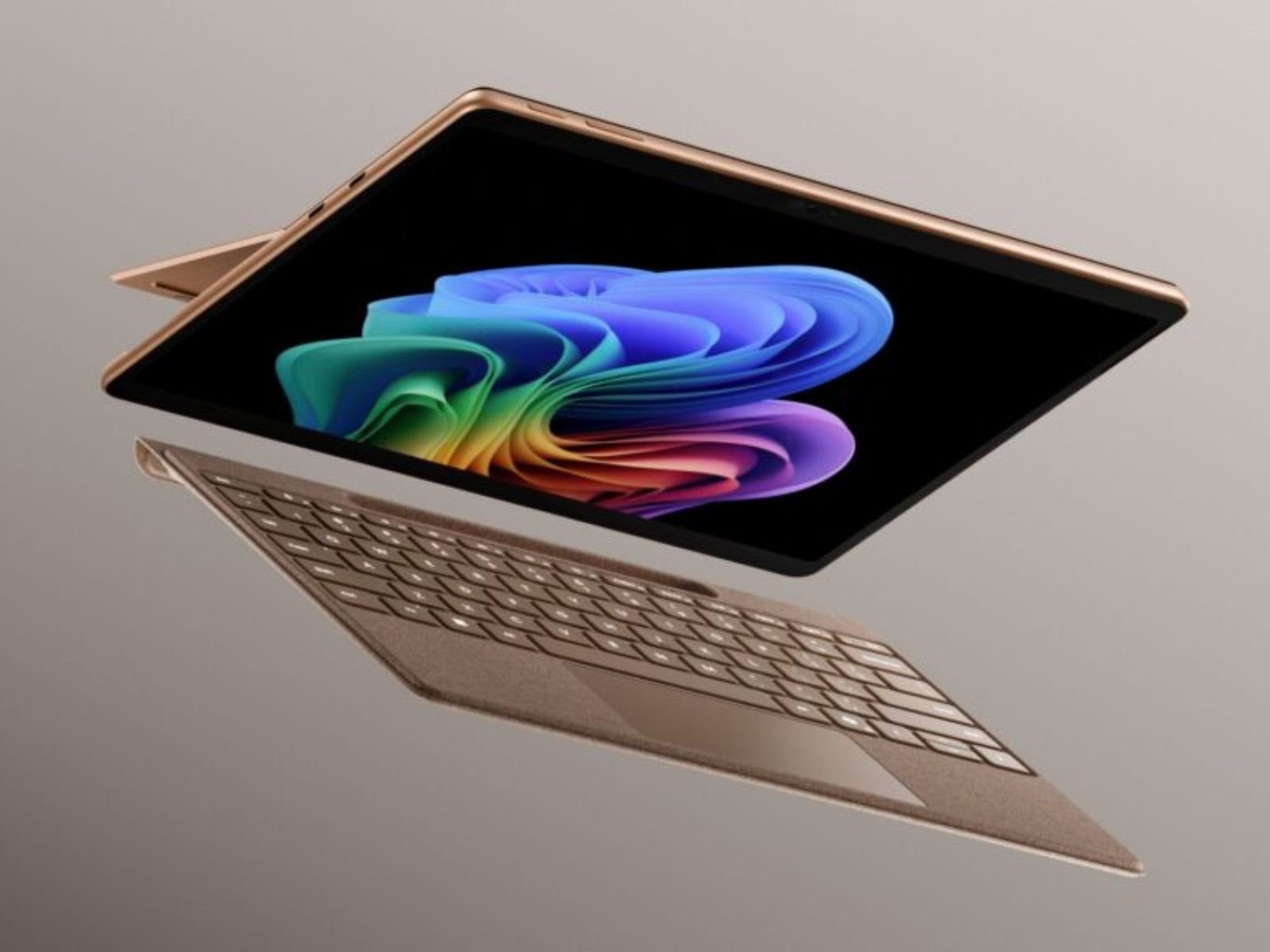
Before diving into what has changed, it helps to see how Microsoft’s increasingly crowded Surface range fits together. The smaller 12-inch Surface Pro and 13-inch Surface Laptop remain the more affordable Snapdragon X Plus options, while the new 13-inch Surface Pro and larger Surface Laptops introduce Snapdragon X2 performance, sharper displays and considerably higher prices. Here is a quick breakdown of the key specifications and pricing for all five models.
- Processor: 8-core Snapdragon X Plus
- Display: 12-inch PixelSense LCD touchscreen, 2196 × 1464, up to 90Hz
- Battery life: Up to 16 hours of local video playback
- Colours: Platinum, Violet & Ocean
- Price: USD $849.99
- Processor: Snapdragon X2 Plus or Snapdragon X2 Elite
- Display: 13-inch PixelSense HDR OLED or LCD touchscreen, 2880 × 1920, up to 120Hz
- Battery life: Up to 15.5 hours of local video playback
- Graphics: Up to 53% faster graphics performance than the previous generation
- Colours: Platinum, Black & Dune
- Price: USD $1,499
- Processor: 8-core Snapdragon X Plus
- Display: 13-inch PixelSense LCD touchscreen, 1920 × 1280, 60Hz
- Battery life: Up to 23 hours of local video playback
- Colours: Platinum, Violet & Ocean
- Price: USD $949.99
- Processor: Snapdragon X2 Plus or Snapdragon X2 Elite
- Display: 13.8-inch PixelSense HDR LCD touchscreen, 2304 × 1536, up to 120Hz
- Battery life: Up to 20 hours of local video playback
- Graphics: Up to 58% faster graphics performance than the previous generation
- Colours: Platinum, Black, Dune & Jade
- Price: USD $1,599
- Processor: Snapdragon X2 Plus or Snapdragon X2 Elite
- Display: 15-inch PixelSense HDR LCD touchscreen, 3270 × 2180, up to 120Hz
- Battery life: Up to 19 hours of local video playback
- Graphics: Up to 58% faster graphics performance than the previous generation
- Colours: Platinum and Black
- Price: USD $1,699
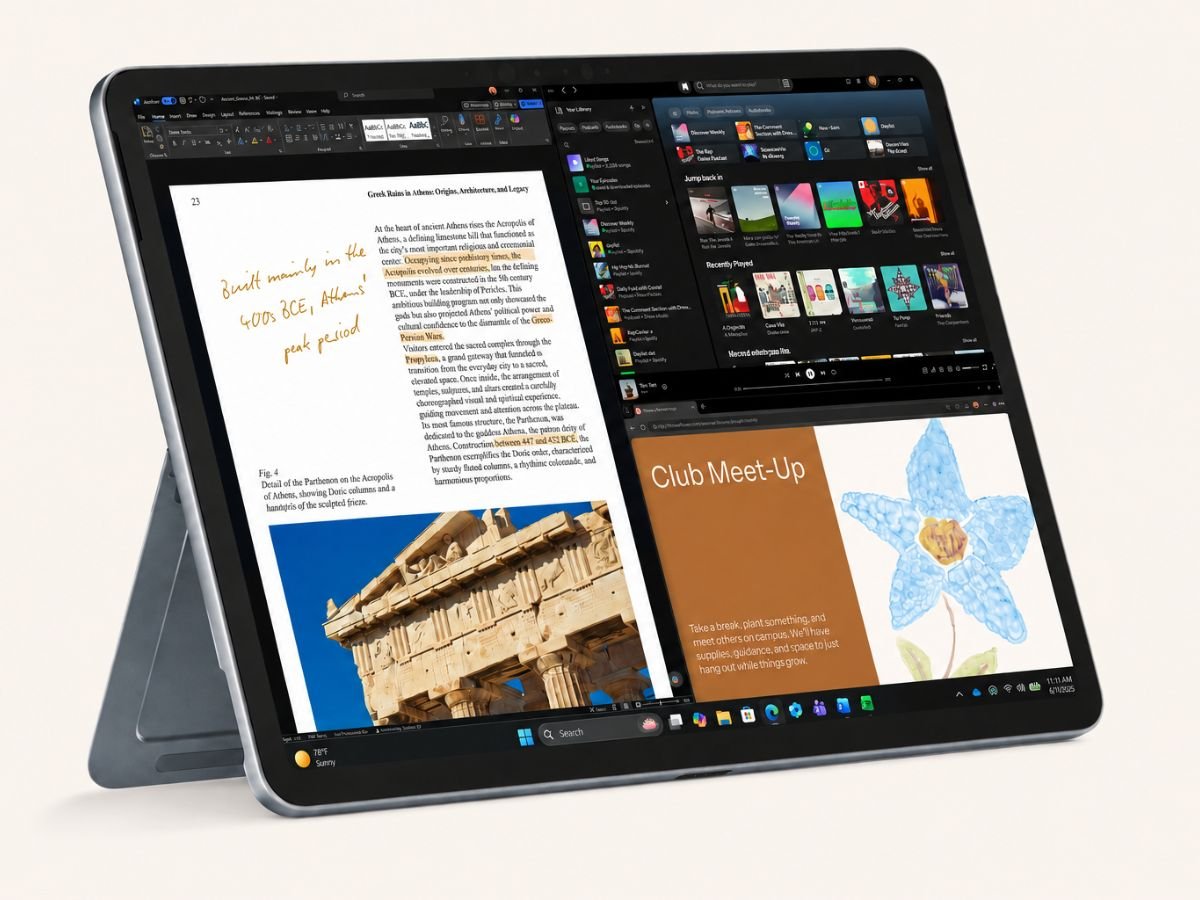
The most important upgrade inside the new 13-inch Surface Pro and larger Surface Laptop models is Qualcomm’s Snapdragon X2 platform. Buyers can choose between a 10-core Snapdragon X2 Plus for everyday productivity and a 12-core Snapdragon X2 Elite intended for more demanding creative workloads, including photo editing, video production and 3D rendering. Both chips use Qualcomm’s third-generation Oryon CPU architecture and include an upgraded Adreno GPU.
Microsoft claims the new Surface Pro offers up to 53% faster graphics performance than the previous generation, along with as much as 15.5 hours of local video playback. The 13.8-inch and 15-inch Surface Laptops promise graphics improvements of up to 58%, while their claimed battery figures reach 20 hours and 19 hours, respectively. Those results come from Microsoft’s controlled testing, so real-world endurance will depend heavily on brightness, applications, connectivity and workload.
Advertisement · Continue Reading Below
That combination of additional power and longer claimed battery life is designed for heavier browser sessions, video calls, creative applications and full working days away from a charger. The Surface Laptops provide the more traditional desktop-style experience, while the Surface Pro packages much of the same performance into a tablet-first design that can move between touch, pen and keyboard input. It remains the more adaptable option, although the Flex Keyboard is still an additional purchase.
The Snapdragon X2 platform also brings a Qualcomm Hexagon NPU capable of up to 80 trillion operations per second, giving Microsoft more headroom for Copilot+ features, camera effects, local image processing and future agentic AI tools. Running supported tasks directly on the device can improve responsiveness and reduce the need to send information to the cloud, but the impressive 80-TOPS figure will only become genuinely useful if Windows applications make proper use of it. More AI power is here; now the software needs to give people a convincing reason to care.
The new processors are only part of the story, because Microsoft has also reorganized the Surface range and added several smaller upgrades across its premium models.
The new devices replace the Surface Pro 11th Edition and Surface Laptop 7th Edition introduced in 2024 with the original Snapdragon X platform. At launch, the 13-inch Surface Pro and 13.8-inch Surface Laptop both started at USD$999, while the 15-inch Laptop began at USD$1,299. Choosing the Surface Pro with a Snapdragon X Elite processor and OLED display raised the price to USD$1,499. Microsoft has now made the differences between its models clearer, keeping the cheaper 12-inch Surface Pro and 13-inch Surface Laptop with 8-core Snapdragon X Plus chips, while saving the Snapdragon X2 power for the 13-inch Pro and the 13.8-inch and 15-inch Laptops.
The 13-inch Surface Pro keeps its optional OLED display and adds a 1440p ultrawide front camera for clearer video and better framing. Both Surface Laptop sizes have PixelSense HDR LCD touchscreens, but the 15-inch gets a bigger upgrade, increasing from 201 to 262 pixels per inch for sharper text and finer detail. The 13.8-inch Laptop also comes in a new Jade colour, and haptic feedback now works on the Laptop’s touchpad and Surface Slim Pen to make gestures and on-screen actions feel more accurate.
Microsoft is also adding Affinity’s professional design, photography, and publishing software to the Start menu, while some parts of the case use 100% recycled aluminum alloy. A new Surface Repair Tool can recognize the device, check parts like the battery, display, and camera, and give step-by-step instructions for repairs that qualify. The more affordable X Plus models still appeal to buyers who want the Surface design without paying for the full X2 features, although “affordable” is becoming a bigger challenge in Microsoft’s current lineup.
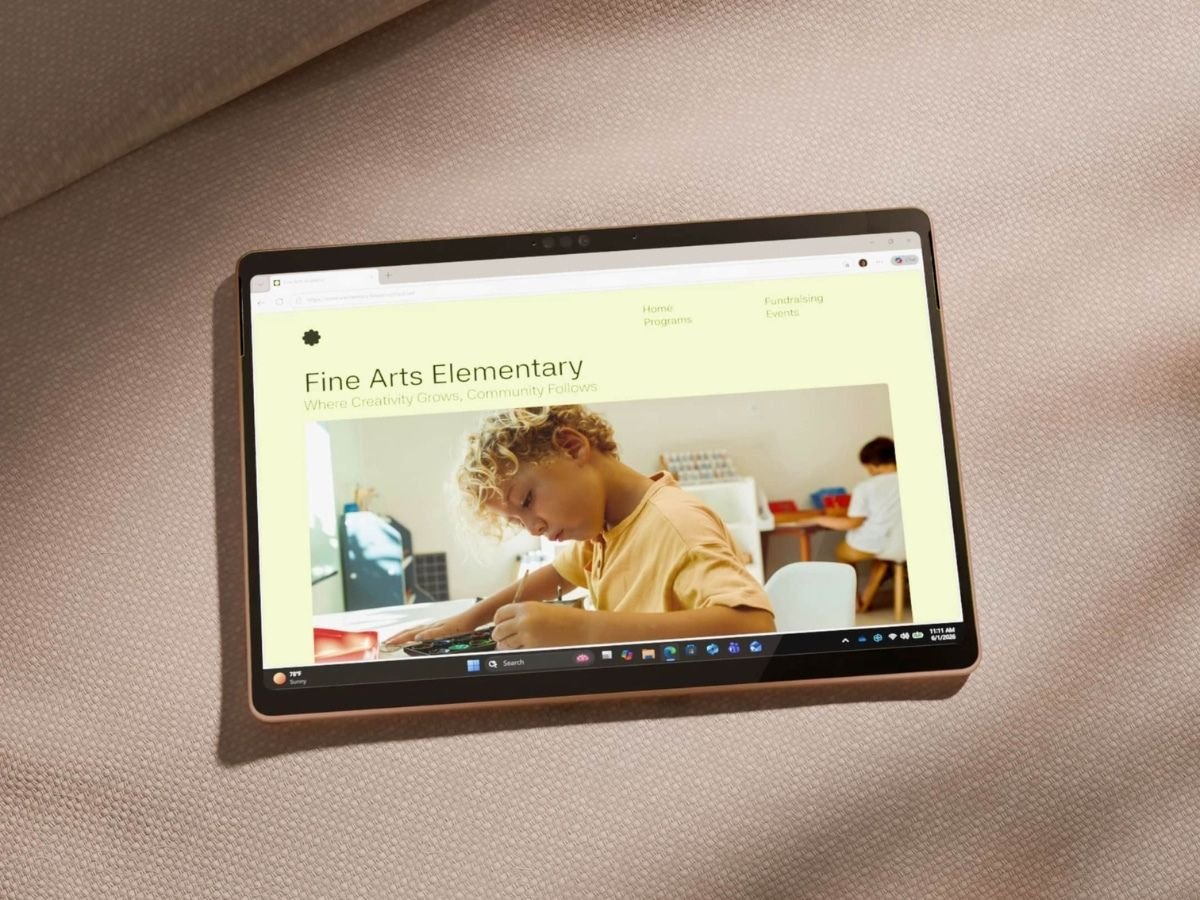
The new 13-inch Surface Pro keeps Microsoft’s familiar formula intact, combining a slim 1.97-pound (895-gram) Windows tablet with an adjustable kickstand, optional keyboard support and compatibility with the Surface Slim Pen.
It can be used as a touchscreen tablet, turned into something closer to a laptop or paired with the pen for sketching and handwritten notes. Its 13-inch PixelSense Flow touchscreen comes with either an LCD or optional OLED panel, both offering a 2880 × 1920 resolution, refresh rates of up to 120Hz and HDR support. Microsoft has also added a 1440p ultrawide front camera, while Wi-Fi 7, two USB-C/USB4 ports, up to 64GB of memory and a removable SSD with up to 1TB of storage round out the package.
Advertisement · Continue Reading Below
Colour options include Platinum, Black and the new Dune finish, which is a nicer way of saying sparkling beige. More annoyingly, the USD$1,499 launch price still covers the tablet alone, so buyers wanting the complete laptop-style experience must pay another USD$169.99 for the standard Surface Pro Keyboard or USD$399.99 for the Flex Keyboard.
The Flex Keyboard and Slim Pen bundle costs USD$499.99, pushing a complete entry-level setup to USD$1,998.99 before any memory or storage upgrades. No wonder Microsoft still avoids putting “Laptop” in the name.
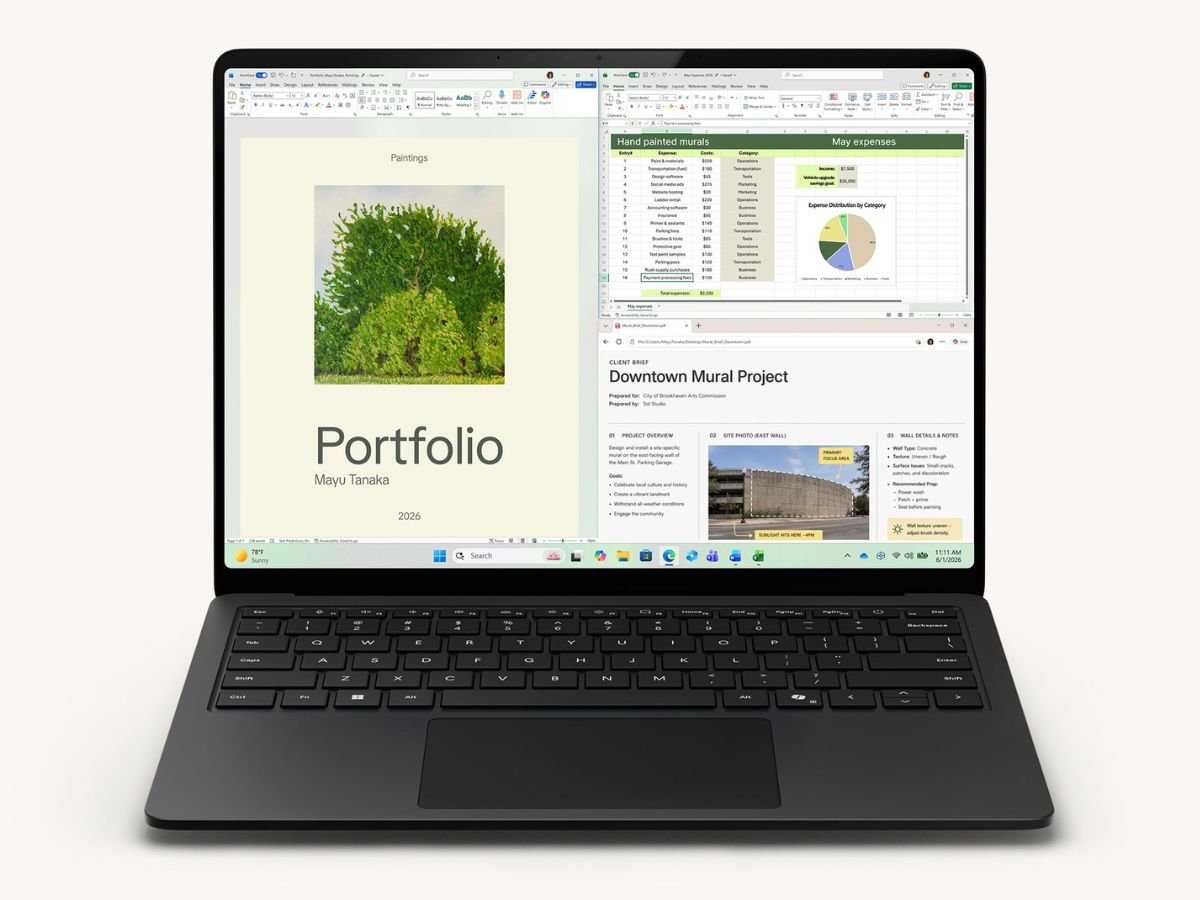
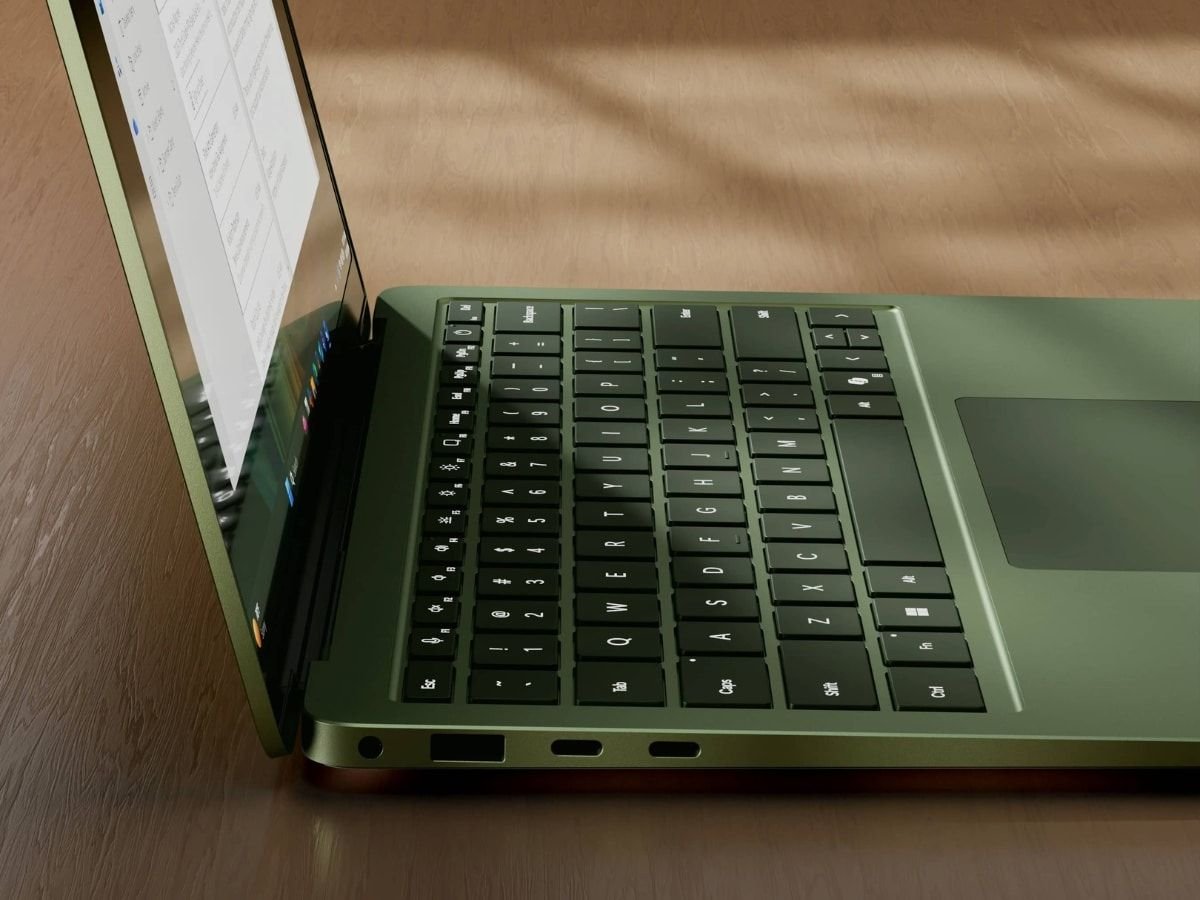
Microsoft’s new Surface Laptop takes the more traditional route, combining a recycled aluminium enclosure with a physical keyboard, responsive touchscreen and the tall 3:2 display that has long distinguished the Surface family. The clean lines and rounded corners remain, meaning Microsoft has concentrated most of this generation’s meaningful changes inside the machine and behind the screen.
The 13.8-inch model features a 2304 × 1536 PixelSense HDR LCD touchscreen with a refresh rate of up to 120Hz, while the larger 15-inch version increases that resolution to 3270 × 2180. Microsoft has raised the pixel density of its biggest Surface Laptop from 201 to 262 pixels per inch, which should make text, photographs, spreadsheets and detailed creative projects appear noticeably crisper. Both screens also support Dolby Vision IQ and reach up to 600 nits of peak brightness.
The 15-inch screen is easily the star of this particular update.
The 13.8-inch Surface Laptop adds a new Jade finish alongside Platinum, Black and Dune, bringing some much-needed colour to a premium laptop market that often settles for silver, grey and more silver. Both sizes also receive Microsoft’s haptic touchpad and upgraded camera system, which Microsoft describes as the top-ranked laptop camera tested by DXOMARK at launch. Subtle haptic feedback can be felt when arranging windows, scrubbing through videos and completing other supported actions, adding a little more polish to an otherwise familiar laptop design.
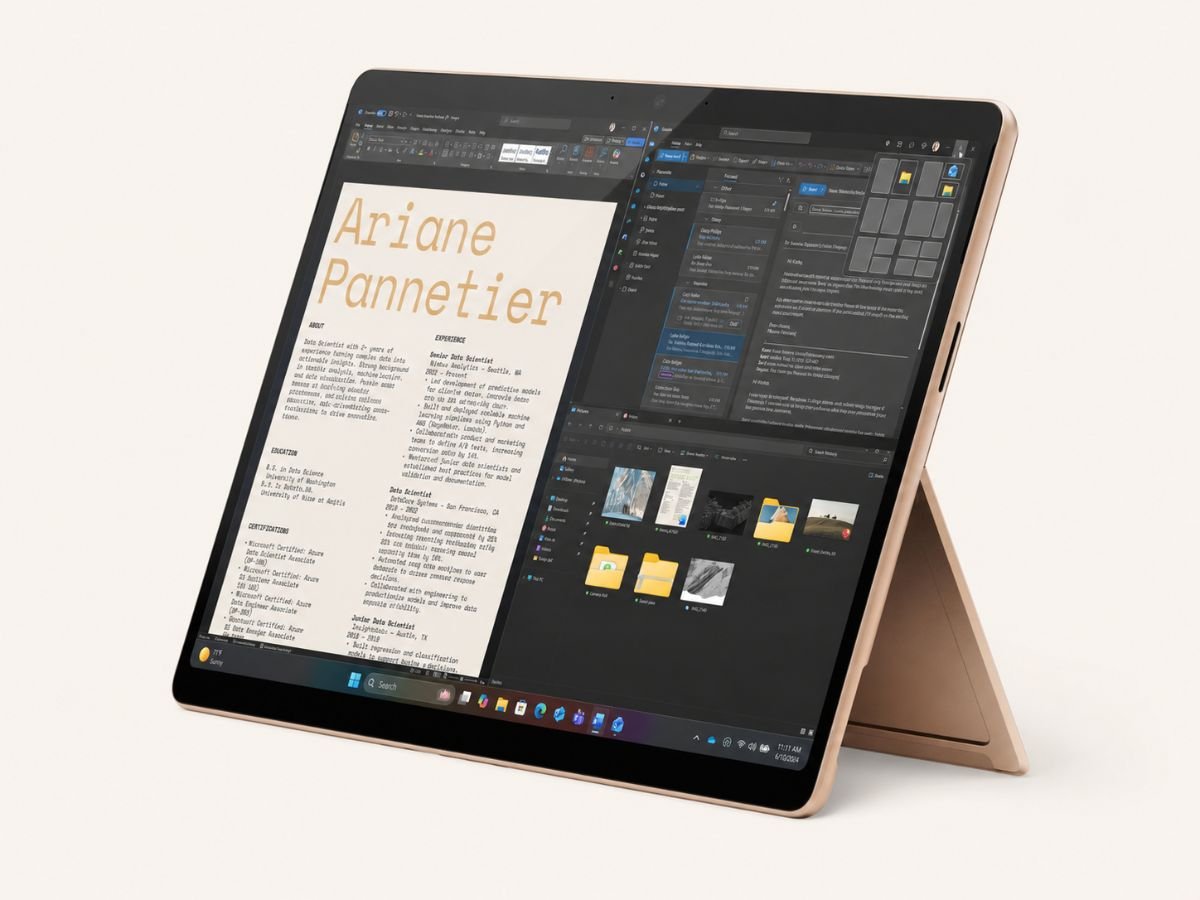
Surface has never been Microsoft’s answer to the bargain aisle. The appeal has always been a cleaner design, strong cameras, high-quality displays and a more polished interpretation of the Windows experience, and this refresh stays firmly on that path. The Surface Pro remains the flexible option for anyone who will genuinely use its tablet mode, kickstand, detachable keyboard and Slim Pen, while the Surface Laptop is the easier choice for buyers wanting a conventional machine that opens, types and stays out of the way.
Advertisement · Continue Reading Below
These are better Surface devices—but they are not cheap ones. Microsoft has made the hardware more capable and refined, but it is also asking buyers to pay handsomely for that extra polish.
Microsoft claims up to 53% faster graphics for the new Surface Pro and up to 58% for the Surface Laptop, alongside longer battery figures, Snapdragon X2 processing and a much sharper 15-inch display. However, with prices starting at USD$1,499 for the Pro before adding a keyboard and USD$1,599 for the Laptop, you need to want the latest Surface rather than simply a capable Windows computer. Previous-generation machines and Microsoft’s cheaper Snapdragon X Plus models remain compelling alternatives, making the new X2 devices stronger premium choices but far from essential upgrades.