






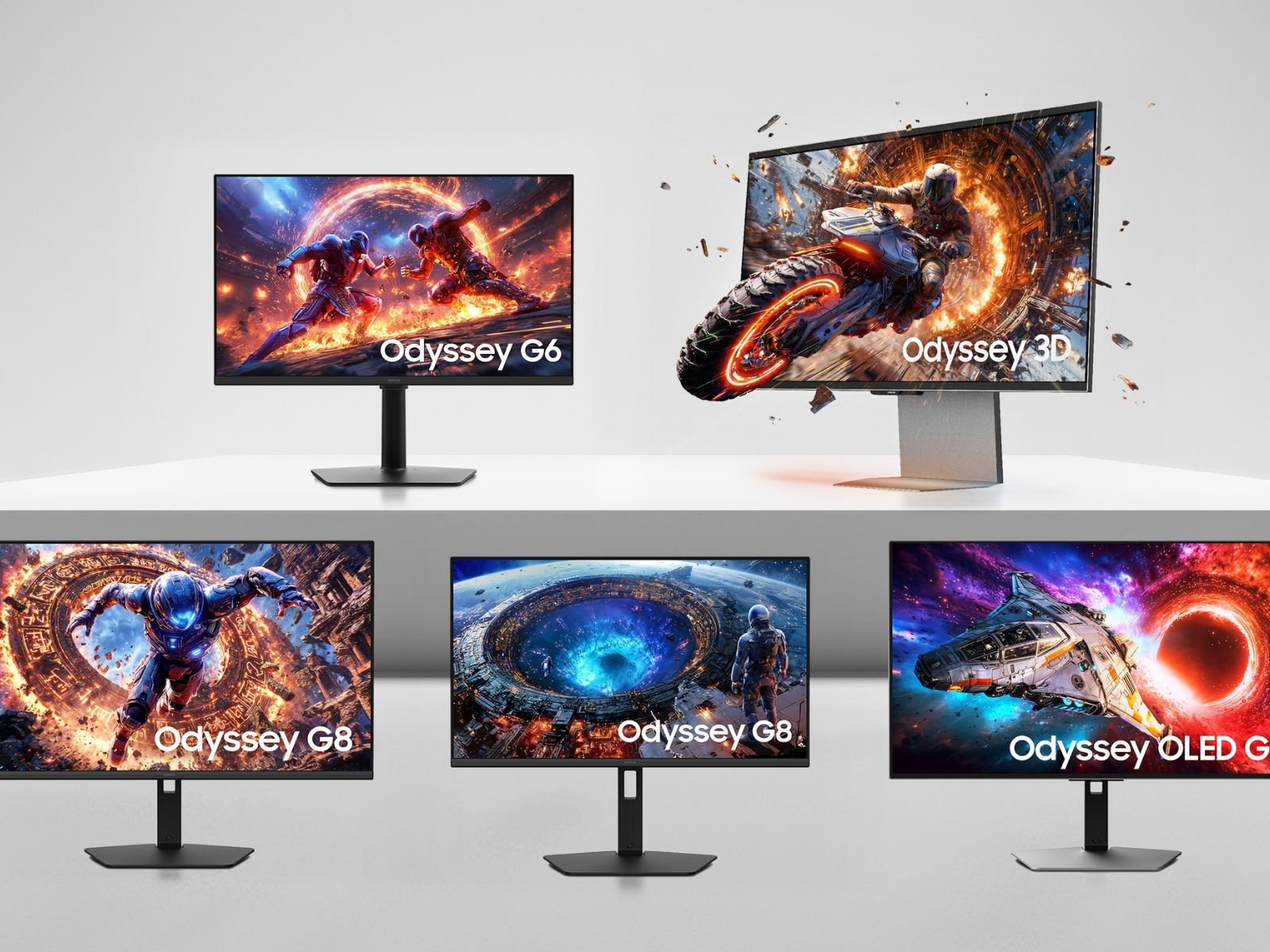
Gaming monitors have spent the last few years chasing bigger numbers, but Samsung’s latest Odyssey lineup feels like it has decided to throw just about everything at the wall at once. We’re talking 6K resolution, glasses-free 3D, refresh rates stretching into the four figures, and enough display tech to make the monitor on your desk feel suddenly behind the times.
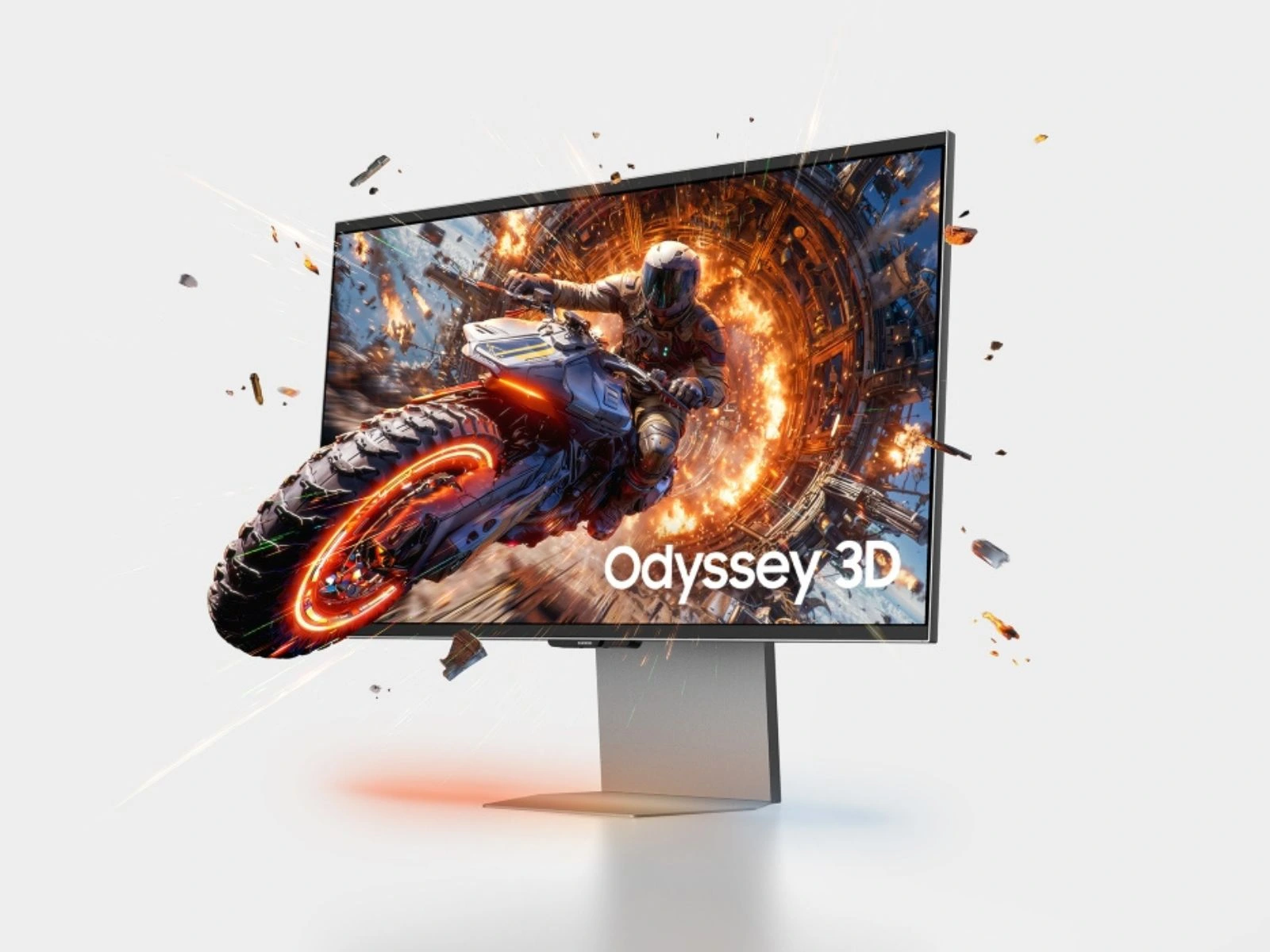
At the centre of it all is the 32-inch Samsung Odyssey 3D (G90XH), which Samsung calls the world’s first 6K gaming monitor with glasses-free 3D. Instead of asking you to strap on a headset or reach for a pair of 3D glasses, the display uses real-time eye tracking to adjust depth and perspective based on where you’re sitting. The idea is to add another layer of immersion while keeping the experience as simple as sitting down in front of a regular monitor.
But Samsung isn’t only chasing prettier pixels. Sitting elsewhere in the new Odyssey family is the 27-inch Odyssey G6 (G60H), a monitor aimed squarely at the speed-obsessed end of PC gaming. It runs at up to 600Hz at its native QHD resolution and can reach a staggering 1,040Hz through Dual Mode — a figure Samsung says is a world first for a gaming monitor.
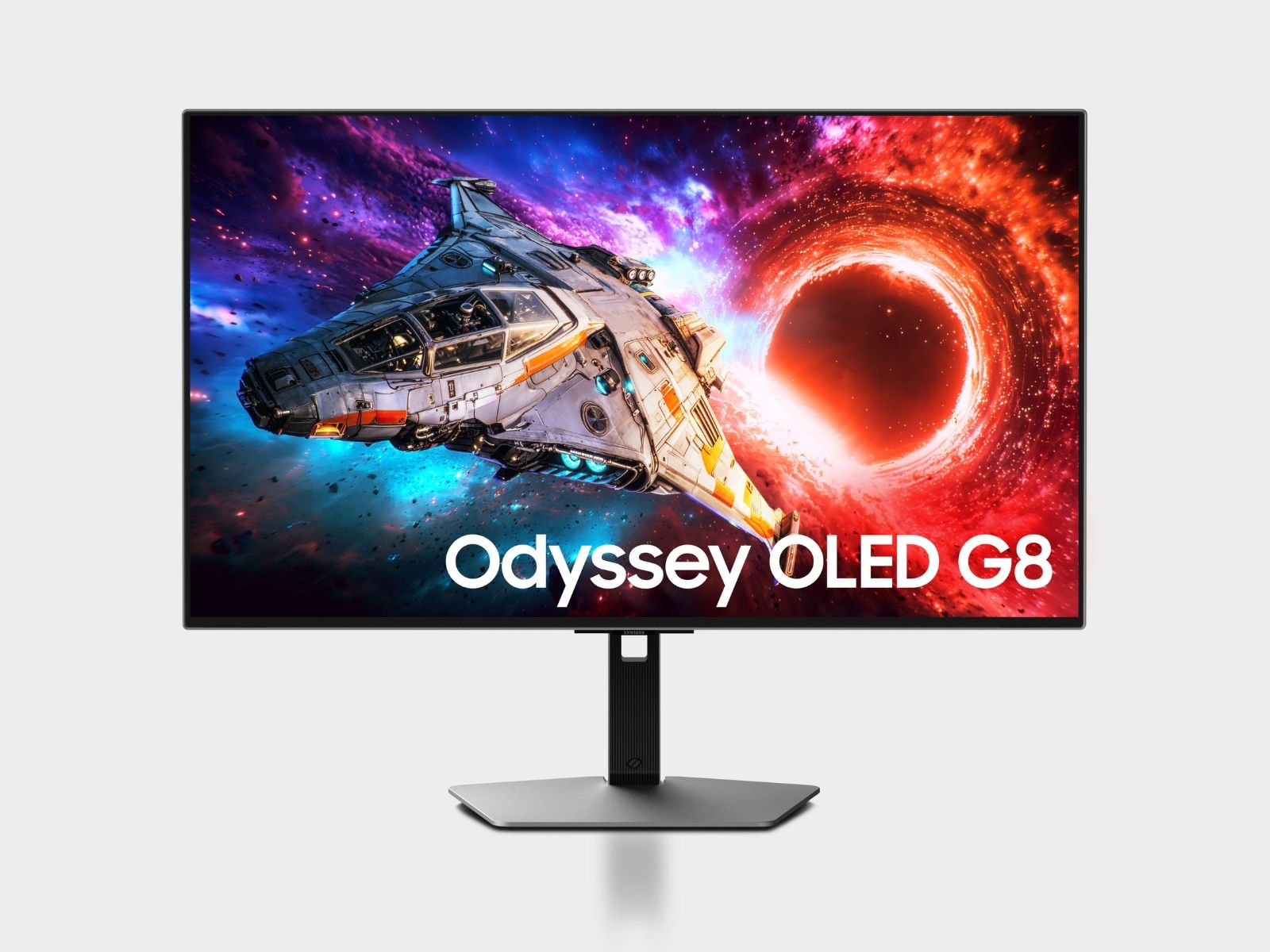
The headline attraction is undoubtedly the new Odyssey 3D. Its 32-inch IPS panel packs a 6,144 × 3,456 resolution, giving Samsung considerably more pixels to play with than a conventional 4K gaming monitor. At its full 6K resolution, it runs at up to 165Hz with a 1ms GtG response time. Switch to Dual Mode, and the monitor trades some resolution for speed, reaching 330Hz at 3K.
The specs are impressive, but the real standout feature is what happens in front of the screen. Samsung uses real-time eye tracking to detect where you are and adjust the image’s depth and perspective, creating a 3D effect without glasses or a VR headset.
Advertisement · Continue Reading Below
There’s also 2D-to-3D conversion, which lets compatible content gain extra depth even when it wasn’t originally created for the display. Samsung has also worked with game developers to optimize titles for the technology, including ‘Stellar Blade’, ‘The First Berserker: Khazan’, and ‘Lies of P: Overture ‘.
That matters because glasses-free 3D is only really interesting if there’s something worth playing on it. Rather than treating 3D as a gimmick bolted onto an otherwise conventional monitor, Samsung appears to be trying to build an ecosystem around the feature.
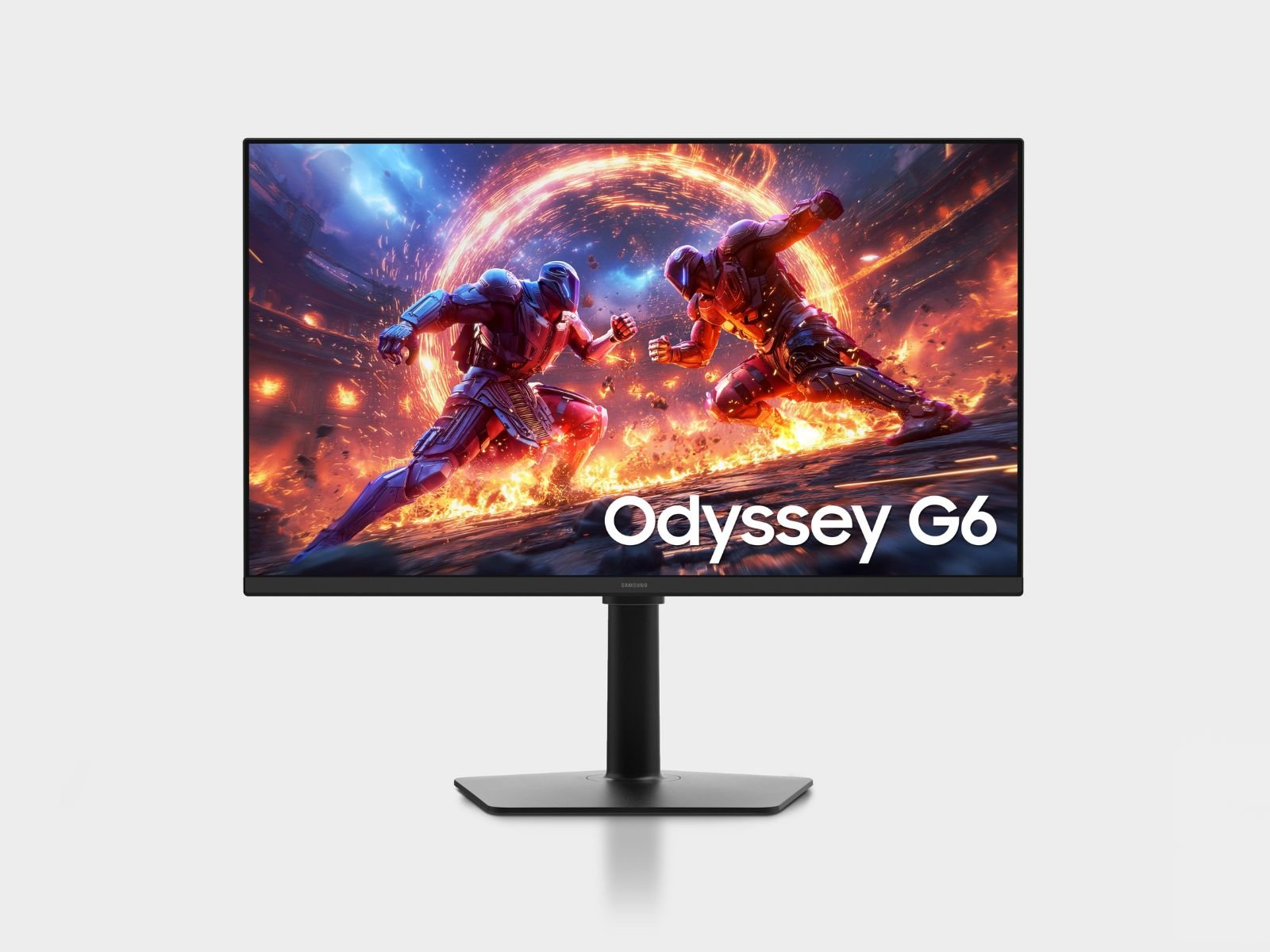
If the Odyssey 3D is Samsung showing off what it can do with immersion, the new Odyssey G6 is about one thing — speed.
The 27-inch G60H uses a QHD 2,560 × 1,440 IPS panel that can run natively at up to 600Hz. That is already an enormous refresh rate, especially for competitive gaming, but Dual Mode takes things into slightly ridiculous territory by letting the monitor reach 1,040Hz at HD resolution.
Of course, 1,040Hz isn’t something the average player needs for a few rounds after work. This hardware is aimed at the extreme end of competitive gaming, where motion clarity and shaving tiny amounts of latency can matter.
It’s important to understand the trade-off. You won’t get 1,040Hz at native QHD resolution. That top refresh rate only works in Dual Mode with the lower HD resolution, while QHD maxes out at an already impressive 600Hz. Samsung also supports AMD FreeSync Premium Pro and NVIDIA G-Sync Compatible to help keep gameplay smooth when frame rates change.
Even so, reaching a four-digit refresh rate is a big milestone. Not long ago, 240Hz seemed like a lot unless you played competitive esports. Now, Samsung is offering more than four times that speed.
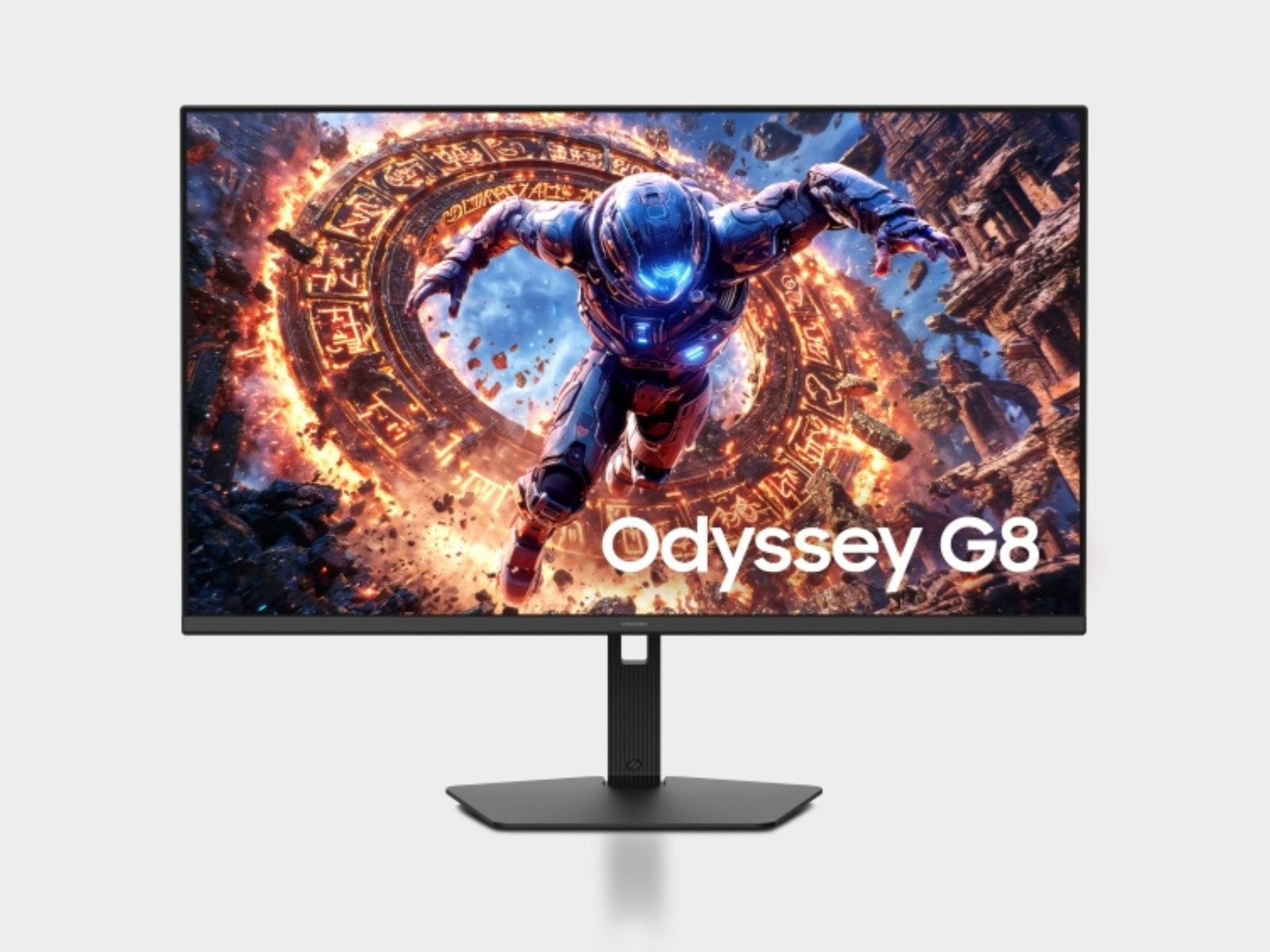
Samsung hasn’t stopped at two headline-grabbing monitors. The Odyssey G8 family also expands with several models covering 6K, 5K, and OLED, giving gamers different ways to access Samsung’s latest display technology.
At the top sits the 32-inch Odyssey G8 G80HS, which Samsung calls the industry’s first 6K gaming monitor. Like the Odyssey 3D, it delivers a 6,144 × 3,456 resolution at 165Hz and can reach 330Hz at 3K through Dual Mode. The difference is that the G8 takes a more conventional approach, leaving the glasses-free 3D technology to the G90XH.
Then there’s the 27-inch G80HF, which drops the resolution slightly to 5K but increases the speed. It runs at up to 180Hz at 5K, while Dual Mode pushes that to 360Hz at QHD.
For OLED fans, Samsung has the Odyssey OLED G8 G80SH. Available in 27- and 32-inch sizes, it combines a 4K QD-OLED panel with a 240Hz refresh rate, Glare Free technology and USB-C charging up to 98W. Samsung has also moved to its QD-OLED Penta Tandem technology, which the company says improves brightness, efficiency and durability.
In other words, Samsung isn’t betting on one definition of what a flagship gaming monitor should be. You can chase resolution, refresh rate, OLED contrast or glasses-free 3D depending on what matters most to you.
Advertisement · Continue Reading Below
That’s probably the question most people will have after reading the spec sheet. For most gamers, probably not.Even driving modern games at several hundred frames per second can require serious hardware, and running demanding titles at 6K is another challenge entirely. The G6’s 1,040Hz mode is therefore less about turning Cyberpunk 2077 into a thousand-frame-per-second showcase and more about competitive games where extremely high frame rates are actually achievable.
But that’s almost beside the point. Displays like these are less about what everyone needs today and more about where gaming monitors could head next. We’ve already watched 144Hz become commonplace, 240Hz move well beyond esports specialists and 500Hz-plus monitors become increasingly serious propositions.
Samsung crossing 1,000Hz suggests the refresh-rate race isn’t slowing down just yet. The same applies to glasses-free 3D. We’ve seen the concept before, but combining it with eye tracking, a 6K panel and genuinely high refresh rates makes Samsung’s latest attempt considerably more interesting than many of the 3D monitor experiments that came before it.
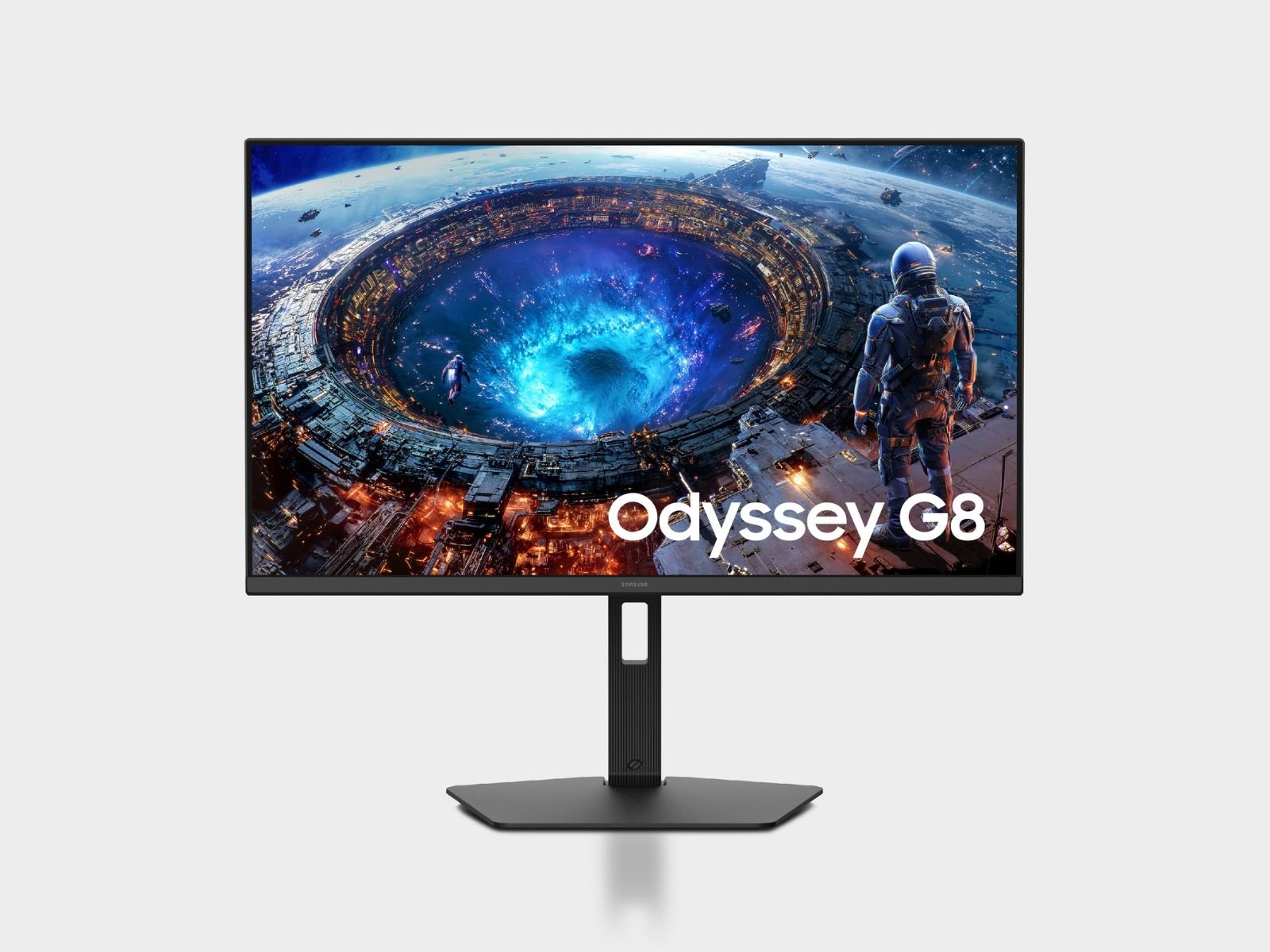
There’s something slightly ridiculous about seeing 6K, glasses-free 3D and a 1,040Hz refresh rate arrive in the same generation of gaming monitors — and that’s exactly what makes Samsung’s latest Odyssey lineup so interesting.
After showing the full range at CES 2026 in Las Vegas, Samsung made it pretty clear that Odyssey is becoming a playground for pushing display technology to its limits. From the 6K Odyssey 3D and its eye-tracking 3D experience to the G6 breaking through the four-figure refresh-rate barrier, this feels less like a routine yearly refresh and more like Samsung showing off just how far gaming monitors can go.
Of course, none of this suddenly makes a good 4K 144Hz or 240Hz monitor obsolete, and most gamers probably aren’t desperate for 1,040Hz just yet. But that’s almost beside the point. CES 2026 gave us a glimpse of where Samsung thinks high-end gaming displays are heading next — sharper resolutions, ridiculous speed, and new ways to make games feel more immersive. Whether glasses-free 3D finally catches on remains to be seen, but Samsung certainly isn’t playing it safe with Odyssey this year.
- Display: 32-inch IPS
- Resolution: 6K (6,144 × 3,456)
- Refresh Rate: 165Hz at 6K, 330Hz at 3K (Dual Mode)
- Response Time: 1ms (GtG)
- 3D: Glasses-free 3D
- 3D Features: Real-time eye tracking, 2D-to-3D conversion
- Connectivity: HDMI 2.1, DisplayPort 2.1
- Display: 27-inch IPS
- Resolution: QHD (2,560 × 1,440)
- Refresh Rate: 600Hz at QHD, up to 1,040Hz at HD (Dual Mode)
- Response Time: 1ms (GtG)
- Gaming Features: AMD FreeSync Premium Pro, NVIDIA G-Sync Compatible
- Connectivity: HDMI 2.1, DisplayPort 2.1
- Display: 32-inch Fast IPS
- Resolution: 6K (6,144 × 3,456)
- Refresh Rate: 165Hz at 6K, 330Hz at 3K (Dual Mode)
- Gaming Features: HDR10+ Gaming
- Connectivity: DisplayPort 2.1, HDMI
- Display: 27-inch
- Resolution: 5K (5,120 × 2,880)
- Refresh Rate: 180Hz at 5K, 360Hz at QHD (Dual Mode)
- Gaming Features: AMD FreeSync Premium Pro, NVIDIA G-Sync Compatible
- Display: 27-inch or 32-inch QD-OLED
- Resolution: 4K UHD (3,840 × 2,160)
- Refresh Rate: 240Hz
- Response Time: 0.03ms GtG
- Display Features: Glare Free, OLED Safeguard+
- Connectivity: DisplayPort 2.1, HDMI 2.1, USB-C with up to 98W charging