Our team of editors and experts thoughtfully chooses each product. If you decide to buy through one of our links, we may earn a commission. Learn more. Want to know how we test products? Click here for more details.
Gaming monitors have spent the last few years chasing bigger numbers, but Samsung’s latest Odyssey lineup feels like it has decided to throw just about everything at the wall at once. We’re talking 6K resolution, glasses-free 3D, refresh rates stretching into the four figures, and enough display tech to make the monitor on your desk feel suddenly behind the times.
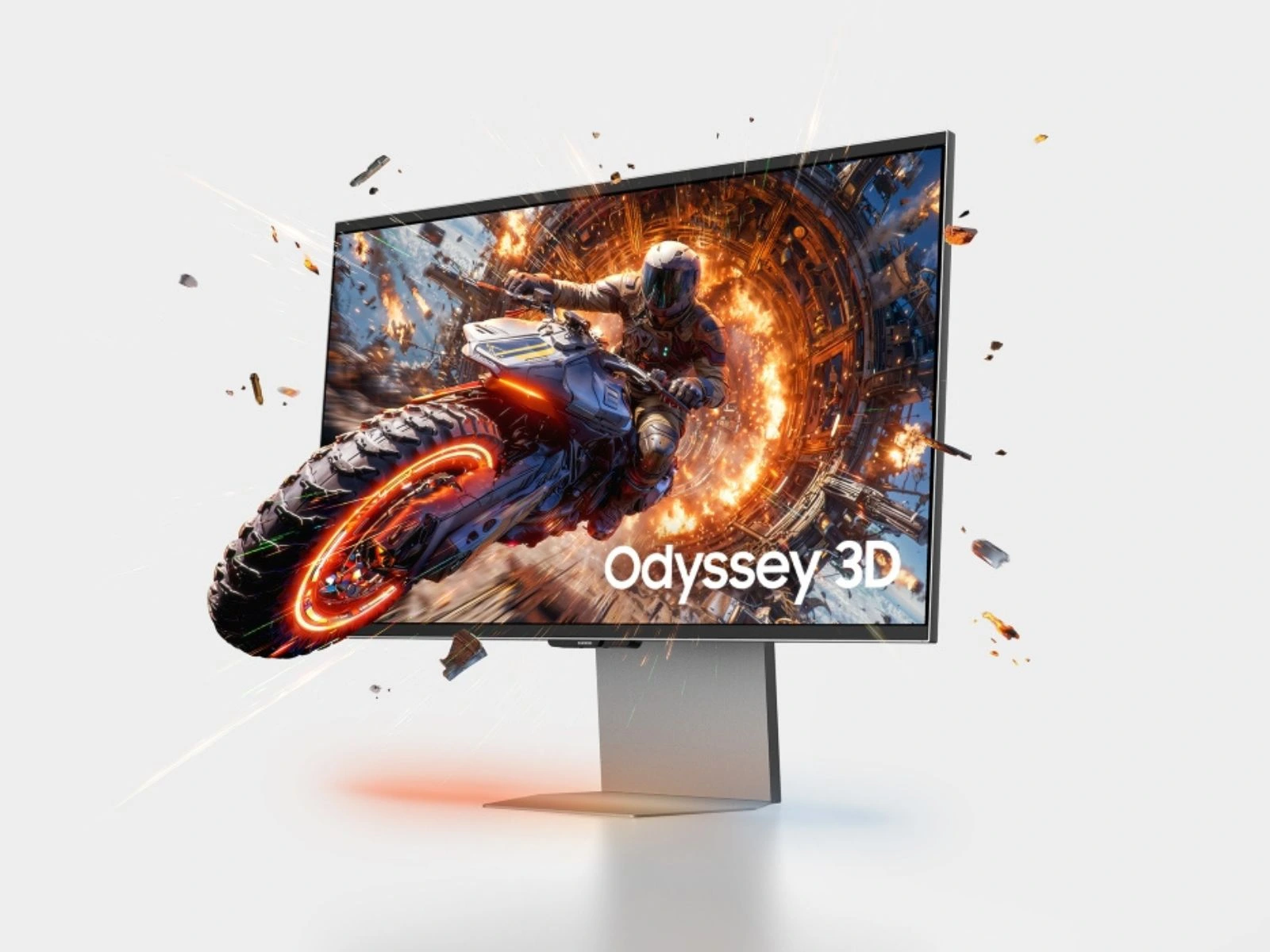
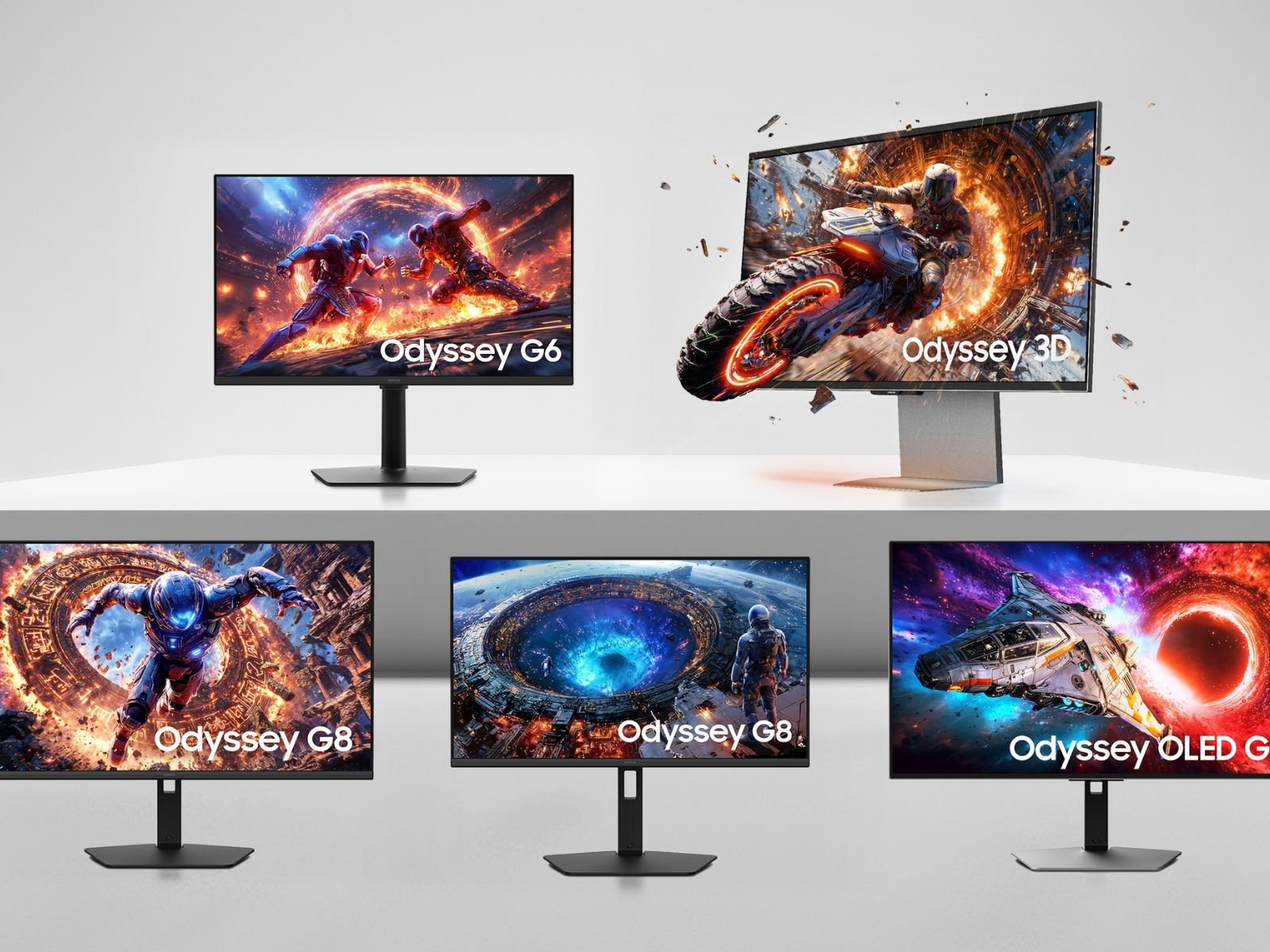
At the centre of it all is the 32-inch Samsung Odyssey 3D (G90XH), which Samsung calls the world’s first 6K gaming monitor with glasses-free 3D. Instead of asking you to strap on a headset or reach for a pair of 3D glasses, the display uses real-time eye tracking to adjust depth and perspective based on where you’re sitting. The idea is to add another layer of immersion while keeping the experience as simple as sitting down in front of a regular monitor.
But Samsung isn’t only chasing prettier pixels. Sitting elsewhere in the new Odyssey family is the 27-inch Odyssey G6 (G60H), a monitor aimed squarely at the speed-obsessed end of PC gaming. It runs at up to 600Hz at its native QHD resolution and can reach a staggering 1,040Hz through Dual Mode — a figure Samsung says is a world first for a gaming monitor.
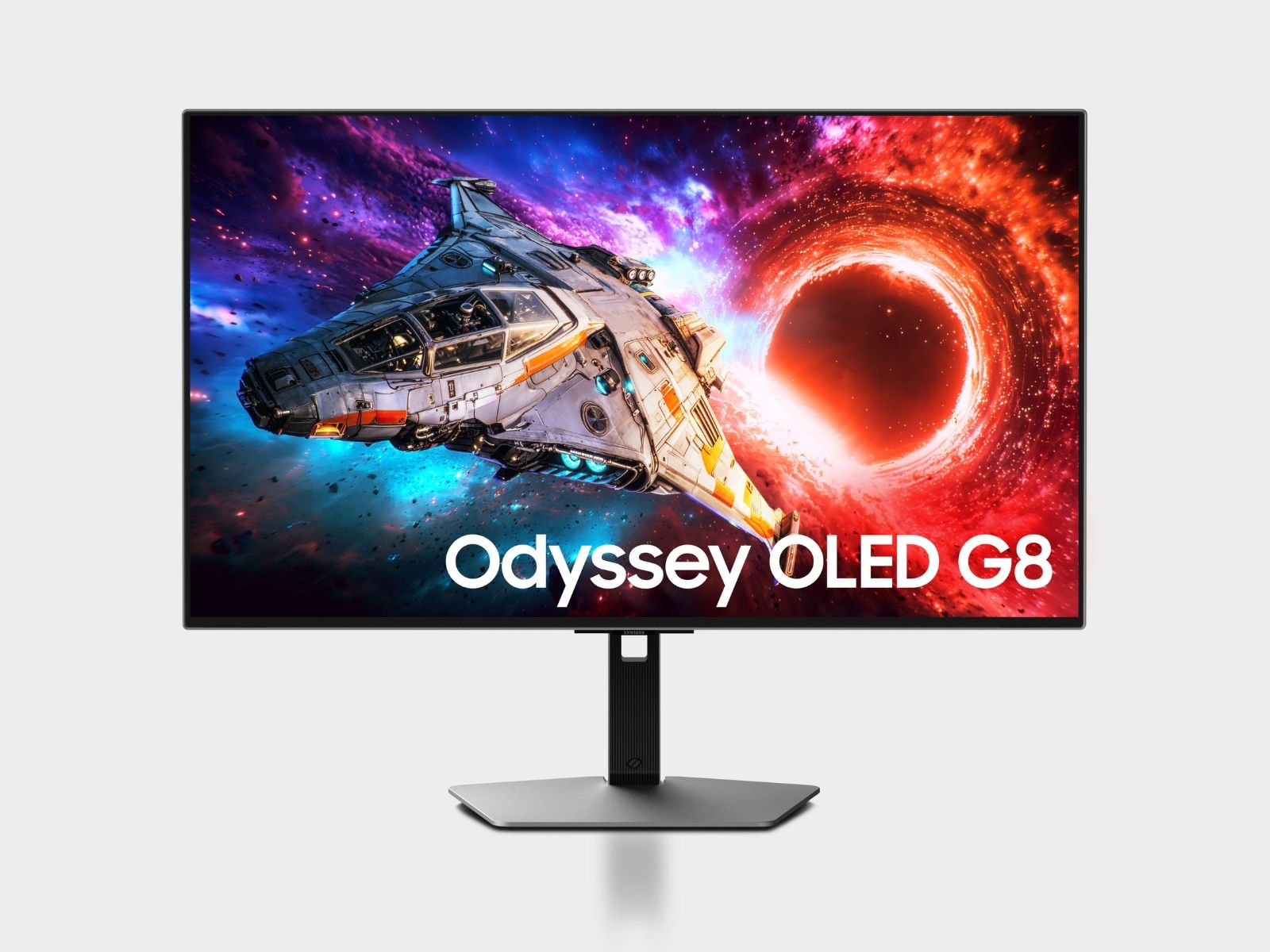
Samsung Odyssey OLED G8 | Image: Samsung Newsroom
Samsung Odyssey 3D Goes All the Way to 6K
The headline attraction is undoubtedly the new Odyssey 3D. Its 32-inch IPS panel packs a 6,144 × 3,456 resolution, giving Samsung considerably more pixels to play with than a conventional 4K gaming monitor. At its full 6K resolution, it runs at up to 165Hz with a 1ms GtG response time. Switch to Dual Mode, and the monitor trades some resolution for speed, reaching 330Hz at 3K.
The specs are impressive, but the real standout feature is what happens in front of the screen. Samsung uses real-time eye tracking to detect where you are and adjust the image’s depth and perspective, creating a 3D effect without glasses or a VR headset.
There’s also 2D-to-3D conversion, which lets compatible content gain extra depth even when it wasn’t originally created for the display. Samsung has also worked with game developers to optimize titles for the technology, including ‘Stellar Blade’, ‘The First Berserker: Khazan’, and ‘Lies of P: Overture ‘.
That matters because glasses-free 3D is only really interesting if there’s something worth playing on it. Rather than treating 3D as a gimmick bolted onto an otherwise conventional monitor, Samsung appears to be trying to build an ecosystem around the feature.
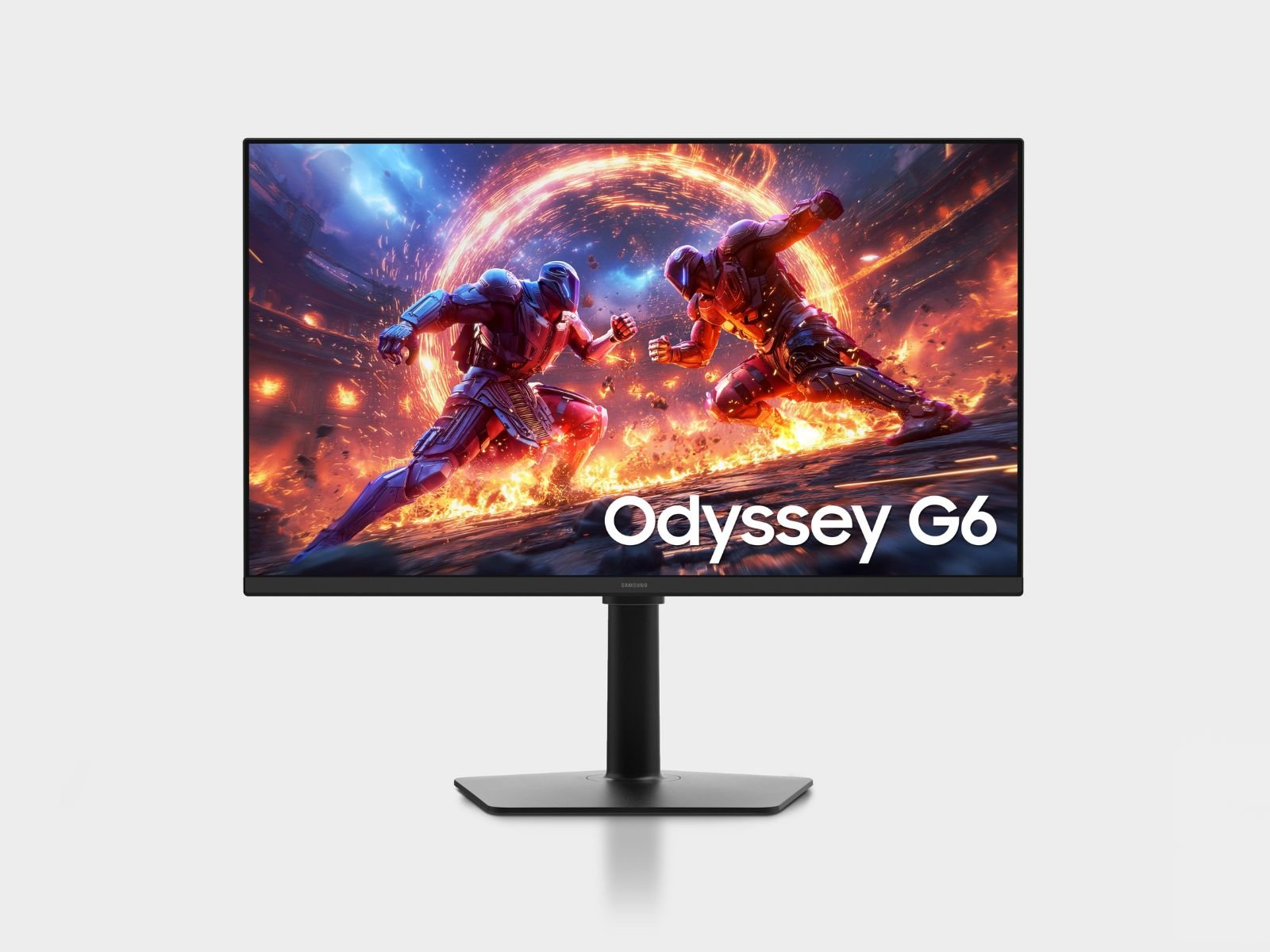
Samsung’s Odyssey G6 | Image: Samsung Newsroom
Samsung’s Odyssey G6 Breaks the 1,000Hz Barrier
If the Odyssey 3D is Samsung showing off what it can do with immersion, the new Odyssey G6 is about one thing — speed.
The 27-inch G60H uses a QHD 2,560 × 1,440 IPS panel that can run natively at up to 600Hz. That is already an enormous refresh rate, especially for competitive gaming, but Dual Mode takes things into slightly ridiculous territory by letting the monitor reach 1,040Hz at HD resolution.
Of course, 1,040Hz isn’t something the average player needs for a few rounds after work. This hardware is aimed at the extreme end of competitive gaming, where motion clarity and shaving tiny amounts of latency can matter.
It’s important to understand the trade-off. You won’t get 1,040Hz at native QHD resolution. That top refresh rate only works in Dual Mode with the lower HD resolution, while QHD maxes out at an already impressive 600Hz. Samsung also supports AMD FreeSync Premium Pro and NVIDIA G-Sync Compatible to help keep gameplay smooth when frame rates change.
Even so, reaching a four-digit refresh rate is a big milestone. Not long ago, 240Hz seemed like a lot unless you played competitive esports. Now, Samsung is offering more than four times that speed.
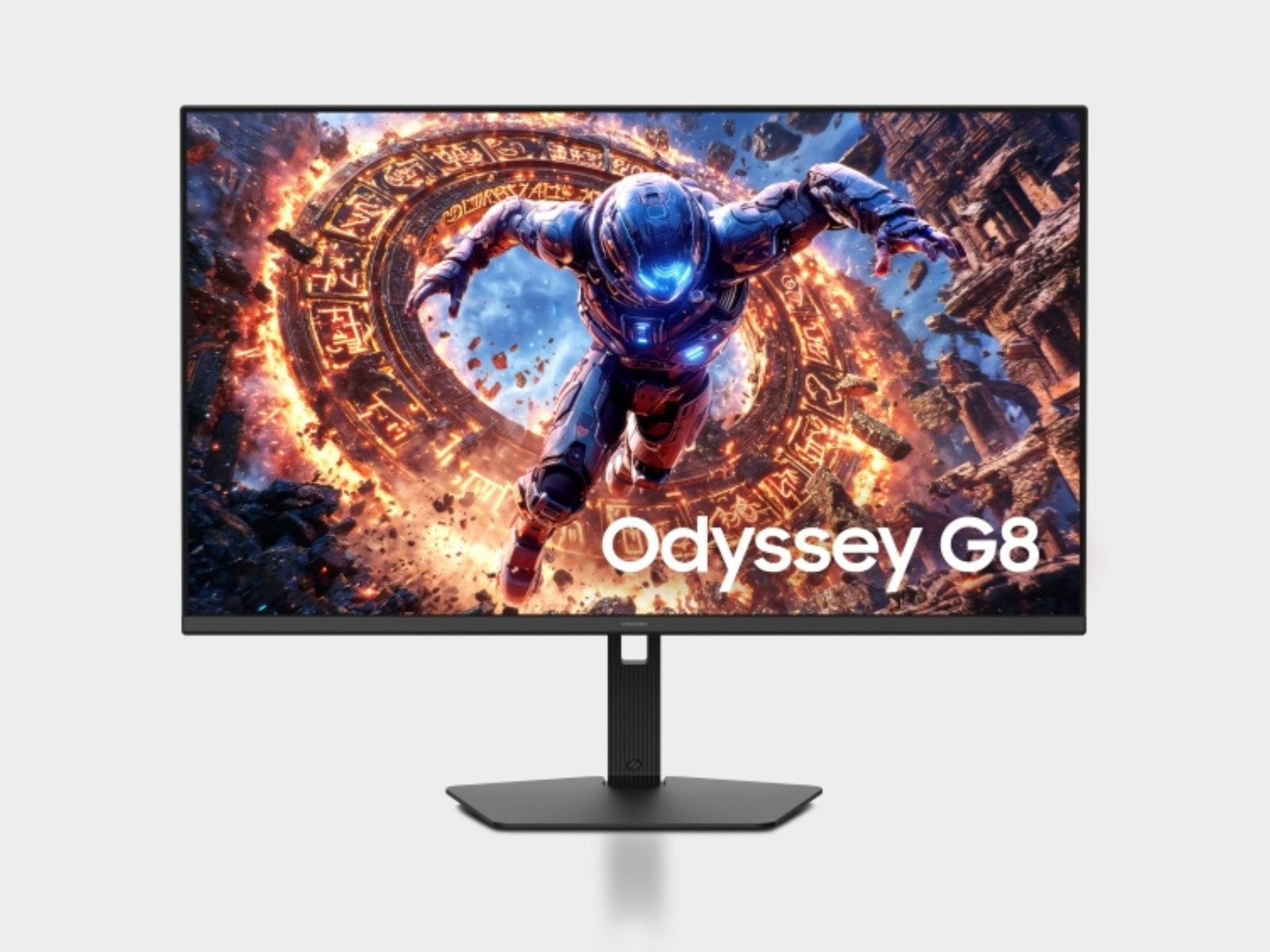
Samsung Odyssey G8 | Image: Samsung Newsroom
Samsung Gives the Odyssey G8 a Serious Upgrade
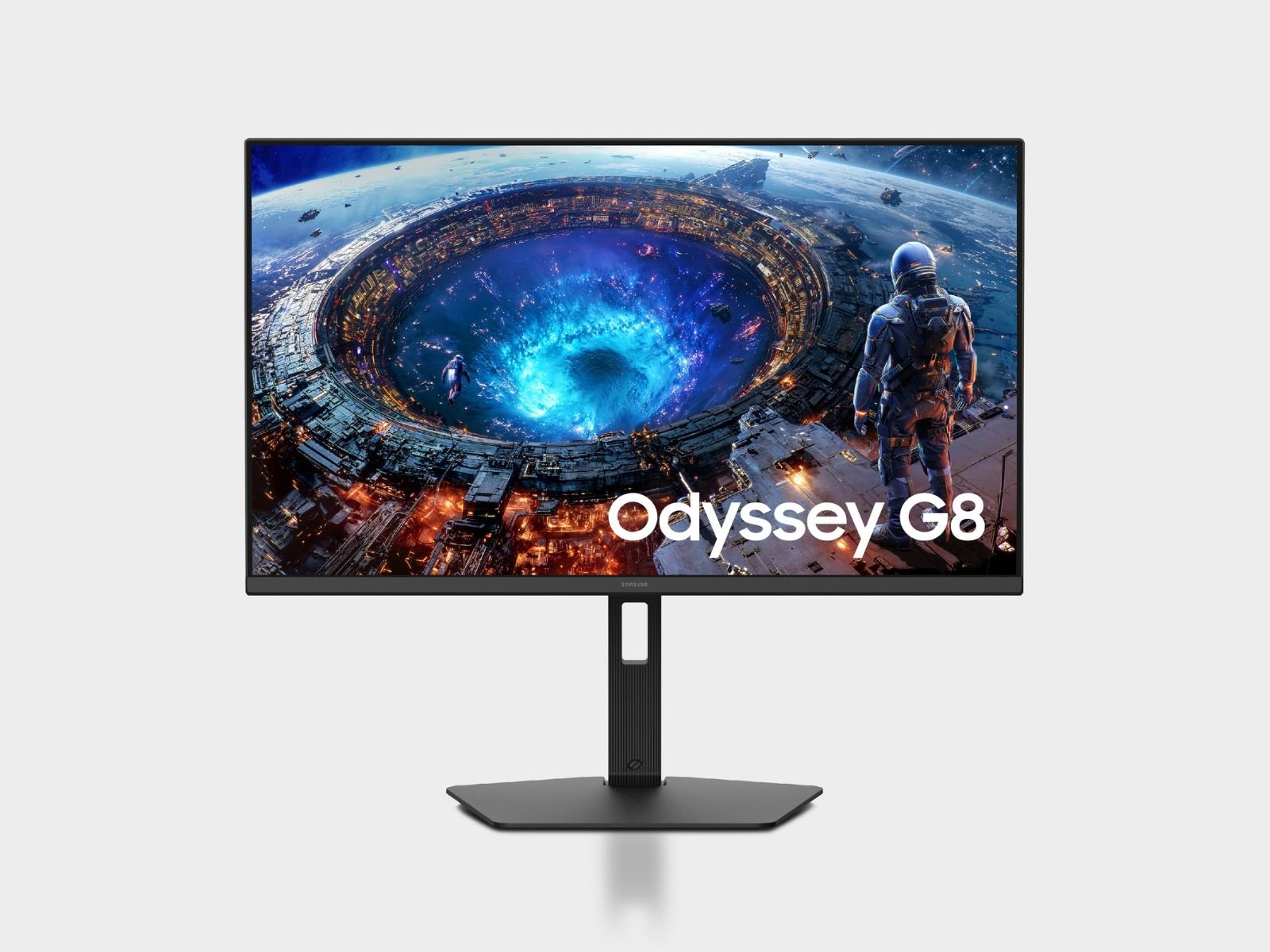
Samsung hasn’t stopped at two headline-grabbing monitors. The Odyssey G8 family also expands with several models covering 6K, 5K, and OLED, giving gamers different ways to access Samsung’s latest display technology.
At the top sits the 32-inch Odyssey G8 G80HS, which Samsung calls the industry’s first 6K gaming monitor. Like the Odyssey 3D, it delivers a 6,144 × 3,456 resolution at 165Hz and can reach 330Hz at 3K through Dual Mode. The difference is that the G8 takes a more conventional approach, leaving the glasses-free 3D technology to the G90XH.
Then there’s the 27-inch G80HF, which drops the resolution slightly to 5K but increases the speed. It runs at up to 180Hz at 5K, while Dual Mode pushes that to 360Hz at QHD.
For OLED fans, Samsung has the Odyssey OLED G8 G80SH. Available in 27- and 32-inch sizes, it combines a 4K QD-OLED panel with a 240Hz refresh rate, Glare Free technology and USB-C charging up to 98W. Samsung has also moved to its QD-OLED Penta Tandem technology, which the company says improves brightness, efficiency and durability.
In other words, Samsung isn’t betting on one definition of what a flagship gaming monitor should be. You can chase resolution, refresh rate, OLED contrast or glasses-free 3D depending on what matters most to you.
That’s probably the question most people will have after reading the spec sheet. For most gamers, probably not.Even driving modern games at several hundred frames per second can require serious hardware, and running demanding titles at 6K is another challenge entirely. The G6’s 1,040Hz mode is therefore less about turning Cyberpunk 2077 into a thousand-frame-per-second showcase and more about competitive games where extremely high frame rates are actually achievable.
But that’s almost beside the point. Displays like these are less about what everyone needs today and more about where gaming monitors could head next. We’ve already watched 144Hz become commonplace, 240Hz move well beyond esports specialists and 500Hz-plus monitors become increasingly serious propositions.
Samsung crossing 1,000Hz suggests the refresh-rate race isn’t slowing down just yet. The same applies to glasses-free 3D. We’ve seen the concept before, but combining it with eye tracking, a 6K panel and genuinely high refresh rates makes Samsung’s latest attempt considerably more interesting than many of the 3D monitor experiments that came before it.
Samsung Odyssey G8 | Image: Samsung Newsroom
Samsung’s Odyssey Lineup Is Getting Seriously Ambitious
There’s something slightly ridiculous about seeing 6K, glasses-free 3D and a 1,040Hz refresh rate arrive in the same generation of gaming monitors — and that’s exactly what makes Samsung’s latest Odyssey lineup so interesting.
After showing the full range at CES 2026 in Las Vegas, Samsung made it pretty clear that Odyssey is becoming a playground for pushing display technology to its limits. From the 6K Odyssey 3D and its eye-tracking 3D experience to the G6 breaking through the four-figure refresh-rate barrier, this feels less like a routine yearly refresh and more like Samsung showing off just how far gaming monitors can go.
Of course, none of this suddenly makes a good 4K 144Hz or 240Hz monitor obsolete, and most gamers probably aren’t desperate for 1,040Hz just yet. But that’s almost beside the point. CES 2026 gave us a glimpse of where Samsung thinks high-end gaming displays are heading next — sharper resolutions, ridiculous speed, and new ways to make games feel more immersive. Whether glasses-free 3D finally catches on remains to be seen, but Samsung certainly isn’t playing it safe with Odyssey this year.
Elias Albay is the Founder and Director of Many Men Magazine, a Toronto-based digital publication dedicated to promoting modern masculinity through style, culture, and self-improvement. What started as a personal turning point became a purposeful platform. — born from Elias’ desire to create something meaningful after completing his studies and finding no career path that truly matched his ambitions. With a background in Civil Engineering from York University and experience in Commercial Flight Operations at CAE, he applied skills, and resilience from both fields to forge a new path.
Our team of editors and experts thoughtfully chooses each product. If you decide to buy through one of our links, we may earn a commission. Learn more. Want to know how we test products? Click here for more details.
There’s something undeniably compelling about a watch with a turquoise dial. It brings a burst of personality into the wrist—fresh, modern, and instantly eye-catching—while still maintaining an elegance that feels timeless. Over the past few years, this colour has shifted from a niche choice to a widespread trend, appearing in everything from accessible everyday pieces to limited editions that vanish the moment they’re announced. Turquoise has become a way for brands to add energy to classic designs and for collectors to stand out without trying too hard.
This list features some of the finest turquoise offerings available today, covering a broad range of styles, materials, and price points. You will find exceptional high-end craftsmanship, bold statement pieces, thoughtful independent creations, and a few playful surprises along the way. Whether you’re building a collection or searching for one standout watch that feels a bit different, these turquoise dials are well worth your attention.
1. Seiko Prospex 1968 Heritage Diver’s GMT U.S. Limited Edition
Brand: Seiko
Model: Prospex 1968 Heritage Diver’s GMT U.S. Limited Edition
Reference: SPB475
Diameter: 42 mm
Thickness: 12.9 mm
Material: Stainless Steel
Dial Colour: Turquoise
Calibre: 6R54
Power Reserve: 72 Hours
Water Resistance: 20 Bar (200 metres, 660 feet )
Price: USD $1,600 (Limited Edition – 500 Pieces)
If you’re looking to start your turquoise watch collection the right way, this is as close to a perfect first step as it gets. The Seiko Prospex 1968 Heritage Diver’s GMT U.S. Limited Edition offers that bold, ocean-inspired turquoise dial without straining your wallet. You get colour, heritage, mechanical credibility, and real-world functionality all in one confident package—making it an easy first move into turquoise without overcommitting.
Inspired by Seiko’s legendary 1968 diver, this U.S.-exclusive release adds a GMT function powered by the in-house 6R54 calibre, allowing you to track a second time zone while maintaining its serious dive credentials. At 42 mm, it fits with confident balance, the 72-hour power reserve keeps it practical, and the 200-metre water resistance ensures it’s just as capable underwater as it is on land. Limited to only 500 pieces, this model combines colour, utility, and exclusivity in a way that feels genuinely well judged.
Tudor Black Bay Chrono ‘Flamingo Blue’ Ref. M79360N-0024 | Image: Supplied
2. Tudor Black Bay Chrono ‘Flamingo Blue’
Brand: Tudor
Model: Black Bay Chrono ‘Flamingo Blue’
Reference: M79360N-0024
Diameter: 41 mm
Thickness: 14.4 mm
Material: Stainless Steel
Dial Colour: Turquoise
Calibre: MT5813
Power Reserve: 70 Hours
Water Resistance: 20 Bar (200 metres, 660 feet )
Price: USD $6,350
This is turquoise with attitude—and a serious sense of style. The ‘Flamingo Blue’ name isn’t just for show; the dial draws inspiration from the bright, tropical waters associated with iconic coastal destinations, evoking a full South Beach vibe on the wrist. The bold turquoise hue is combined with crisp contrasting sub-dials, adding depth, balance, and personality to the watch. It’s part of a special line designed for collectors who enjoy standing out and embracing colour without sacrificing refinement.
Beneath that vibrant surface lies a chronograph engineered with high-performance architecture, featuring an MT5813 in-house movement with a column wheel and vertical clutch—two key signs of serious chronograph craftsmanship—plus a silicon balance spring and a 70-hour power reserve. A five-link stainless steel bracelet with Tudor’s T-Fit clasp provides both comfort and quick adjustments. At 41 mm and with 200 metres of water resistance, this timepiece combines professional dive-watch heritage with motorsport precision—set against one of the boldest turquoise dials on the market.
OMEGA Seamaster Aqua Terra 150M Ref. 220.10.41.21.03.006 | Image: Supplied
3. OMEGA Seamaster Aqua Terra
Brand: OMEGA
Model: Seamaster Aqua Terra 150M
Reference: 220.10.41.21.03.006
Diameter: 41 mm
Thickness: 13.26 mm
Material: Stainless Steel
Dial Colour: Turquoise
Calibre: Omega 8900
Power Reserve: 60 Hours
Water Resistance: 15 Bar (150 metres, 500 feet )
Price: USD $7,400
This is turquoise in its purest form. The Seamaster Aqua Terra celebrates a modern homage to OMEGA’s rich maritime history, encased in a flawlessly symmetrical 41 mm stainless-steel case. The lacquered turquoise dial draws direct inspiration from the sea, featuring a darker outer rim that gradually brightens towards the centre, forming a lush gradient that feels both sophisticated and vibrant. It’s the kind of dial that never appears flat—constantly shifting with the light.
Up close, the details truly elevate it. The facetted hands and hour markers are finished with a subtle grey-toned coating and filled with crisp white lume, giving the watch a clean, high-contrast look both day and night. The logo, date window, and dial text follow the same refined grey treatment, tying everything together in a way that feels intentional and sophisticated. The overall effect is calm, confident, and unmistakably high-quality.
The 150-metre water resistance firmly places it in its Seamaster lineage, while the ample power reserve adds practicality for daily wear. Priced at just USD $7,450, this is turquoise that doesn’t shout—it speaks with quiet authority, offering colour, depth, and heritage in a thoughtfully crafted package.
Audemars Piguet Royal Oak Ref.15550BA.OO.1356BA.01 | Image: Supplied
4. Audemars Piguet Royal Oak
Brand: Audemars Piguet
Model: Royal Oak
Reference: 15550BA.OO.1356BA.01
Diameter: 37 mm
Thickness: 9.3 mm
Material: 18-Carat Yellow Gold
Dial Colour: Turquoise
Calibre: 5900
Power Reserve: 60 Hours
Water Resistance: 5 Bar (50 metres, 165 feet )
Price: USD $69,900
If you want something a bit more all-in—something that instantly grabs attention—this is the one. The Royal Oak in solid 18-carat yellow gold with a turquoise dial doesn’t whisper luxury; it announces it. The contrast between the cool, electric turquoise and the warmth of full yellow gold is impossible to ignore, and the moment this hits the wrist, it truly speaks for itself. And yes—this is one of our favourite pieces in this entire turquoise collection.
At 37 mm, the case feels perfectly suited for elegance, giving the iconic Royal Oak architecture a more refined, dressy presence, while the ultra-slim 9.3 mm profile keeps it sleek and fluid on the wrist. Inside, the Calibre 5900 provides a 60-hour power reserve with smooth, reliable performance, and although water resistance is rated at 50 metres, this piece clearly sits within the realm of high luxury. Priced at just under USD $70,000, this is turquoise at its most elite—bold, unapologetic, and made for collectors who want serious presence.
TAG Heuer Aquaracer Professional 300 Date Ref. WBP231K.BA0618 | Image: Supplied
5. TAG Heuer Aquaracer Professional 300 Date
Brand: Audemars Piguet
Model: Royal Oak
Reference: 15550BA.OO.1356BA.01
Diameter: 36 mm
Thickness: 11.4 mm
Material: Stainless Steel
Dial Colour: Turquoise – Green
Calibre: Calibre 5 Automatic
Power Reserve: 38 Hours
Water Resistance: 30 Bar (300 metres, 985 feet )
Price: USD $4,200
If you want a turquoise dial with personality, sparkle, and true versatility, this Aquaracer delivers it beautifully. The dial blends turquoise and green tones with a soft wave pattern inspired by warm, tropical waters—an effect that already sets it apart. But what truly elevates it are the eight VS-quality diamonds set as hour markers, each about 1.4 mm in diameter. They’re subtle enough to feel refined, yet bright enough to catch the light and add a touch of luxury to an otherwise rugged diver. It’s eye-catching without ever losing TAG Heuer’s sporty heritage.
With 300 metres of water resistance, a slim 11.4 mm profile, and the reliable Calibre 5 automatic movement, this Aquaracer is built for genuine adventure, not just for looks. The 38-hour power reserve keeps it practical, and the stainless-steel case makes it easy to wear every day. At USD $4,200, it’s one of the best turquoise-value propositions on the market—a colourful, diamond-accented diver that feels fun. It doesn’t get better than this, gentlemen.
Doxa Sub 200 Aquamarine Ref.796.15.241.25 | Image: Supplied
6. Doxa Sub 200 Aquamarine
Brand: Doxa
Model: Sub 200 Aquamarine
Reference: 796.15.241.25
Diameter: 42 mm
Thickness: 13.8 mm
Material: Stainless Steel
Dial Colour: Turquoise – Green
Calibre: Sellita SW200-1
Power Reserve: 38 Hours
Water Resistance: 20 Bar (200 metres, 656 feet )
Price: CHF ₣1,090 – USD $1,400
If any brand understands the power of colourful dive watches, it’s Doxa—and the Sub 200 Aquamarine is the perfect example of how fun this category can be. The turquoise–green dial offers a burst of energy that instantly transports you to crystal-clear ocean waters and sunlit coastlines. It’s vibrant without feeling overdone, and paired with Doxa’s signature cushion-shaped case, it becomes one of the most approachable and personality-filled divers you can buy today.
Beneath its charming exterior, the watch remains highly reliable. The Sellita SW200-1 automatic movement ensures consistent daily performance, and its 200-metre water resistance makes it suitable for serious diving and water activities. With a 42 mm case, it offers a comfortable fit and a sporty look. Priced at around USD $1,400, it’s among the most affordable turquoise watches available—fun yet durable, adding a splash of colour to your collection without a high price tag. It’s a perfect entry point for anyone looking to build a turquoise-themed watch collection.
And now, the Rolex and a few turquoise watches have created as much conversation—and demand—as the Oyster Perpetual 36 with the turquoise blue dial. It’s clean, minimal, and instantly recognizable, yet the splash of colour gives the watch an unexpectedly playful edge. The shade itself sits in that perfect sweet spot: bright enough to catch the eye, smooth enough to feel timeless. It’s Rolex stepping just outside its traditional palette and doing so with absolute confidence.
The 36 mm oystersteel case exudes the familiar Rolex robustness, offering a comfortable, all-day wear that never feels oversized. The smooth bezel and uncluttered dial layout allow the turquoise colour to be the focal point, giving the watch a fresh, modern vibe while still honouring the subtle elegance of the OP line. It’s a piece that looks equally sharp with a T-shirt as it does under a tailored cuff.
Inside, the Calibre 3230 keeps everything with Rolex’s signature precision and a strong 70-hour power reserve. Adding 100 metres of water resistance, you get a watch that’s as practical as it is stylish. Priced at USD $6,350, this Oyster Perpetual is not just a colourful twist—it’s a future classic for collectors who value simplicity brought to life by a dial that refuses to fade into the background.
If you want to shift away from stainless steel cases and want something a bit different for your collection, few colourful watches have built such a loyal following as the Oris ‘Cotton Candy’ series, and the turquoise variant is the standout of the trio. Light, bright, and full of personality, the dial adds an effortless sense of fun to a design that still respects vintage dive-watch roots. The combination of turquoise and bronze creates a warm–cool contrast that feels energetic without being over the top, giving the watch a playful yet refined character that instantly elevates any wrist it’s on.
At 38 mm, the case is beautifully proportioned and fits comfortably on nearly every wrist. The bronze material naturally develops a patina over time, creating a unique finish that makes each watch truly your own. Paired with the reliable Oris 733 movement and robust 100-metre water resistance, the Cotton Candy combines charm, durability, and individuality in a way few colourful pieces ever achieve.
Audemars Piguet Royal Oak Perpetual Calendar Ref.26613ST.OO.1220ST.01 | Image: Supplied
9. Audemars Piguet Royal Oak Perpetual Calendar
Brand: Audemars Piguet
Model: Royal Oak Perpetual Calendar
Reference: 26613ST.OO.1220ST.01
Diameter: 41 mm
Thickness: 9.5 mm
Material: Stainless Steel
Dial Colour: Turquoise
Calibre: 5134
Power Reserve: 40 Hours
Water Resistance: 5 Bar (50 metres, 165 feet )
Price: USD $93,100
When Audemars Piguet pairs its iconic Royal Oak design with a turquoise dial and a full perpetual calendar, the result is truly captivating. Made in a very limited run of just 75 pieces, this is one of the rarest turquoise watches available today. The vibrant dial adds a contemporary twist to one of haute horlogerie’s most respected complications, all housed within the legendary Royal Oak shape. It’s bold, elegant, and unmistakably AP—showing that even heritage complications can feel remarkably contemporary with the right splash of colour.
What makes this particular model so captivating is how the turquoise dial reacts to its environment. Under bright light, it shines with nearly electric intensity, highlighting the moonphase and contrasting sub-dials. In softer lighting, it shifts to a calm blue-green hue that enhances the symmetry and complexity of the perpetual calendar display. The dial itself offers a visual journey—alternating between energetic and serene depending on the moment.
Despite showing the month, day, date, moonphase, and leap year, the watch remains notably slim at 9.5 mm, making it surprisingly comfortable for a perpetual calendar. The Calibre 5134 manages the complexity with ease, requiring no adjustments for decades when properly maintained. On the wrist, the stainless-steel integrated bracelet and turquoise dial come together effortlessly, creating a striking combination of presence, craftsmanship, and technical sophistication in a single statement piece. Priced at USD $93,100, this Royal Oak positions itself firmly at the pinnacle of modern turquoise watchmaking.
Among a collection of striking turquoise watches, this stands out as one of the most refined—an ultra-exclusive, highly complex masterpiece that combines colour with pure horological prestige.
For collectors who prefer the greener side of turquoise, the Monta Noble Mint Lacquer hits a sweet spot that few brands match. The glossy mint dial has a smooth, almost enamel-like richness that shifts beautifully between soft green and pale turquoise depending on the light. It’s refreshing, modern, and full of character—yet remains incredibly wearable thanks to the Noble’s clean lines and perfectly judged 38.5 mm case. With only 100 pieces made, it also offers a subtle exclusivity that distinguishes it from mainstream options.
Despite its refined appearance, the Noble remains a practical everyday companion. The M-22 calibre offers a reliable 56-hour power reserve, and the 150-metre water resistance enhances its versatility beyond its polished look. The slim 9.7 mm profile ensures comfort on the wrist, while the mint lacquer dial provides a touch of playfulness that catches the light and brings a smile.
Kurono Tokyo Classic Series Seiji | Image: Supplied
11. Kurono Tokyo Classic Series Seiji
Brand: Monta
Model: Noble
Diameter: 37 mm
Thickness: 7 mm
Material: Stainless Steel
Dial Colour: Blue-Green Lacquer
Calibre: M-22
Power Reserve: 40 Hours
Water Resistance: 3 Bar (30 metres, 100 feet )
Price: USD $1,800 (Limited Edition – 500 Pieces)
Here’s a brand not a lot of people know about—but those who do know it highly recommend it. Kurono Tokyo is the creation of Japanese master watchmaker Hajime Asaoka, one of the few independent artisans in Japan producing haute horlogerie by hand. While Asaoka’s bespoke pieces sell for six-figure prices, Kurono was designed as his more approachable line—offering thoughtful design, Japanese aesthetics, and limited-edition charm without the high price tag.
The Seiji embodies that philosophy beautifully with its blue-green lacquer dial, a colour that shifts between soft turquoise, jade, and misty seafoam depending on the light. With only 500 pieces produced and demand that surged overnight, it now trades for up to USD $5,000 on the secondary market.
The 37 mm stainless-steel case and ultra-slim 7 mm profile give the Seiji an elegance that feels almost vintage, while the lacquered dial remains the highlight—sleek, expressive, and distinctly Japanese in character. Polished indices and hands add just enough warmth without distracting from the richness of the colour.
With a 40-hour power reserve and everyday comfort, it’s a watch you can easily wear from morning to night, yet it still carries the intimacy and artistry of an independent brand. This is turquoise reimagined through a uniquely Japanese perspective—quiet, poetic, and undeniably soulful.
The Alpine Eagle has always been Chopard’s answer to the modern luxury sports watch, but the Beach Edition takes a livelier, more vibrant approach. The “Maritime Blue” dial reflects the colours of crystal-clear shorelines—somewhere between turquoise, deep aqua, and sunlit ocean water—complete with the collection’s signature textured surface inspired by an eagle’s iris.
At 41 mm, the watch makes a bold statement, but the slim 9.7 mm profile keeps it sleek and easy to wear. It’s colourful without being overwhelming, luxurious without losing that warm, summery vibe suggested by its name. Inside, Chopard’s in-house 01.01-C calibre delivers a robust 60-hour power reserve, and the integrated bracelet drapes smoothly on the wrist with that unmistakable high-end feel.
With a retail price of USD $15,900, the Beach Edition positions itself firmly in the premium sports-watch category—but it more than justifies that status through craftsmanship, comfort, and distinctive style. The 100 metres of water resistance prepare it for real-life adventures—beach clubs, coastal drives, and early-morning swims included. As part of your turquoise-inspired lineup, the Alpine Eagle Beach Edition stands out not only for its vibrant colour but also for the confident, contemporary lifestyle it represents.
Among this turquoise-inspired collection, the Glashütte Original Senator Meissen stands out as the most artistic piece. Its celadon-green dial isn’t just coloured—it’s hand-painted porcelain, crafted in partnership with the renowned Meissen manufactory, Germany’s oldest and most esteemed porcelain maker. The gentle green hue, reminiscent of jade and pale turquoise, imparts an elegant, almost meditative calm to the watch. Paired with a warm red-gold case and limited to 150 pieces, the Senator Meissen feels more like wearable art than a conventional timepiece.
With an impressive 100-hour power reserve from its 36-16 Calibre, it reinforces Glashütte Original’s reputation for precise German engineering. The 9.7 mm thickness keeps the watch elegant on the wrist, and every detail—from the Roman numerals to the hand-painted traditional Meissen blue accents—reflects a level of craftsmanship rarely seen today. Priced around USD $35,000, the Senator Meissen sits at the intersection of watchmaking, fine art, and heritage craftsmanship. It’s a poetic, cultured alternative within the turquoise family—perfect for collectors who value the story as much as the aesthetics.
The Zenith Defy Revival Boutique Edition brings a vibrant, retro-futuristic touch to the turquoise trend. Inspired by the original Defy A3642 from 1969, this boutique-only model maintains the angular octagonal case, ladder bracelet, and vintage proportions of the original, while introducing a striking aquamarine dial. The colour sits beautifully between turquoise and sea-blue—bright, energetic, and full of personality—making it one of the boldest additions to Zenith’s revival lineup.
At just 37mm, Zenith pairs this with a reliable Elite 670 automatic calibre, delivering a smooth 50-hour power reserve and sturdy daily performance. The standout feature is the impressive 300-metre water resistance, something rarely seen in such a slim, retro-inspired case. With a price of USD $7,500, the Defy Revival Boutique Edition comfortably ranks as one of the most fun, distinctive, and technically capable turquoise watches on the market—ideal for collectors who want their colour with a touch of heritage swagger.
Patek Philippe Nautilus 5711 Tiffany Blue Ref. 5711/1A-018 | Image: Supplied
15. Patek Philippe Nautilus 5711 Tiffany Blue
Brand: Patek Philippe
Model: Nautilus
Reference: 5711/1A-018
Diameter: 40 mm
Thickness: 8.3mm
Material: Stainless Steel
Dial Colour: Tiffany Blue
Calibre:26-330 S C
Power Reserve: 45 Hours
Water Resistance: 12 Bar (120 metres, 400 feet)
Price: Upon Request (Limited Edition – 170 Pieces)
There are turquoise watches…and then there’s this. The Patek Philippe Nautilus 5711 “Tiffany Blue” isn’t just a watch; it’s a cultural moment frozen in steel. With only 170 pieces made to mark the 170-year partnership between Patek Philippe and Tiffany & Co., it quickly became one of the most desirable modern watches ever created. The dial displays a perfect matte Tiffany Blue—clean, playful, and incredibly refined—all contained within the unmistakable silhouette of one of the most iconic sports watches of all time. Even among a collection of standout turquoise pieces, this one stands out completely.
On the wrist, the 5711 remains as effortlessly elegant as ever—slim at 8.3 mm, perfectly sized at 40 mm, and finished with Patek’s beautifully crafted steel bracelet. It features a Calibre 26-330 S C, providing smooth automatic performance and a 45-hour power reserve. As for the price? There isn’t one—officially. “Upon request” simply hints at the reality: this piece often skyrockets into the multi-million-dollar range on the secondary market. It’s the ultimate turquoise trophy, the kind of watch that defines collections rather than joins them.
What makes this watch even more remarkable is the cultural impact it had beyond the watch community. When Jay-Z, LeBron James, and a few other high-profile collectors were seen wearing one, it only amplified the craze. Auction houses exceeded expectations, with one piece selling for over $6.5 million, immediately establishing the model as a modern icon. The hype didn’t just boost the Nautilus — it changed the conversation about what a limited release can achieve in the luxury market.
Yet beneath the headlines and the astronomical figures lies something far more compelling: a watch crafted as a love letter to a historic partnership, designed with deliberate intention and restraint. No diamonds, no excessive embellishments—just perfect proportions, a legendary case design, and one of the most recognizable colours in the world. It’s turquoise elevated to myth. And for collectors fortunate enough to own one, it’s not just a watch…it’s a piece of history.
Even after narrowing the list to fifteen watches, a few turquoise-dial standouts were simply too good to overlook. These pieces didn’t make the main selection—not because they lack merit, but because the competition was filled with icons, limited editions, and bold statement pieces that advanced the category. Still, each watch below offers something unique, from approachable turquoise brilliance to high-end craftsmanship and striking colour finishes that deserve recognition. Think of these as the hidden gems that complete the turquoise universe.
Tissot PRX Powermatic 80 (USD $850): This is also a good entry point for your collection. The PRX Powermatic 80’s turquoise dial adds a cool, modern vibe to one of the most popular integrated-bracelet designs in its price range. The sunburst finish creates a dynamic energy, shifting between light aqua and deeper turquoise tones as it moves. Paired with the Powermatic 80 movement and the iconic PRX silhouette, this is one of the cleanest, easiest ways to add a turquoise dial to your collection without sacrificing style or performance.
IWC Schaffhausen Ingenieur Automatic 40 (USD $12,900): The Ingenieur adopts a more industrial, architectural approach to the turquoise trend. Its grid-pattern dial in a soft turquoise-blue provides the watch with an unexpected freshness, adding colour to a design that is famously technical and angular. The result is a striking contrast—sporty engineering softened by a dial that reminds one of clear coastal waters. It’s a bold, modern interpretation demonstrating how turquoise can transform even the most utilitarian luxury sports watch.
Rolex Day-Date 36 Oyster Yellow-Gold (USD $50,600): The Oyster Perpetual Day-Date 36 in 18 ct yellow gold featuring a turquoise, diamond-set dial, fluted bezel, and President bracelet epitomizes true luxury with unmistakable Rolex confidence. The turquoise dial injects a splash of vibrant colour into one of the most esteemed designs in watchmaking, while the diamond markers enhance the look without overwhelming it. Combined with the warmth of yellow gold and the iconic President bracelet, this version of the Day-Date feels daring, joyful, and immediately memorable—proof that even the most formal watches can incorporate colour and still remain undeniably refined.
Grand Seiko SLGA025 (USD $11,000): Grand Seiko approaches turquoise with subtlety and texture. The SLGA025 features a dial inspired by the shifting colours of winter water—sitting somewhere between pale turquoise, icy blue, and glacier green. It has depth, movement, and that signature Grand Seiko brilliance that makes the surface shimmer like frozen waves under sunlight. Paired with the Spring Drive 9RA2 movement, this is turquoise reimagined through pure Japanese craftsmanship: calm, elegant, and masterfully executed.
Why Trust Our List?
This list results from extensive research, careful evaluation, and a clear understanding of the modern watch scene. Each model has been reviewed for its design quality, technical performance, craftsmanship, and overall relevance in today’s market. By analyzing brand heritage, manufacturing standards, collector opinions, emerging trends, and secondary-market behaviour, we ensure every watch featured meets a high standard of quality and significance. The aim is to provide a trustworthy, well-informed guide that helps readers navigate the world of turquoise-dial watches with clarity, confidence, and a deeper appreciation for the pieces that truly stand out.
Elias Albay is the Founder and Director of Many Men Magazine, a Toronto-based digital publication dedicated to promoting modern masculinity through style, culture, and self-improvement. What started as a personal turning point became a purposeful platform. — born from Elias’ desire to create something meaningful after completing his studies and finding no career path that truly matched his ambitions. With a background in Civil Engineering from York University and experience in Commercial Flight Operations at CAE, he applied skills, and resilience from both fields to forge a new path.