







Flying cars have been one of those ideas that always seem to be five years away. We’ve seen them in movies, watched countless concepts appear at tech shows and heard plenty of companies promise that traffic jams will eventually become something you simply fly over. But California-based Alef Aeronautics believes it’s finally getting much closer to making that idea real with the Model A.
And this isn’t another small aircraft with wheels attached and “flying car” slapped on the press release. The Alef Model A is designed to drive on ordinary roads, fit inside a normal parking space, and take off vertically when it’s time to leave traffic behind. Better still, Alef has now started building early customer-bound vehicles in California, bringing its flying-car dream one step closer to reality. The full Model A carries an expected price of USD $299,999, which certainly isn’t cheap — but then again, your neighbour’s SUV probably can’t take off from the driveway.
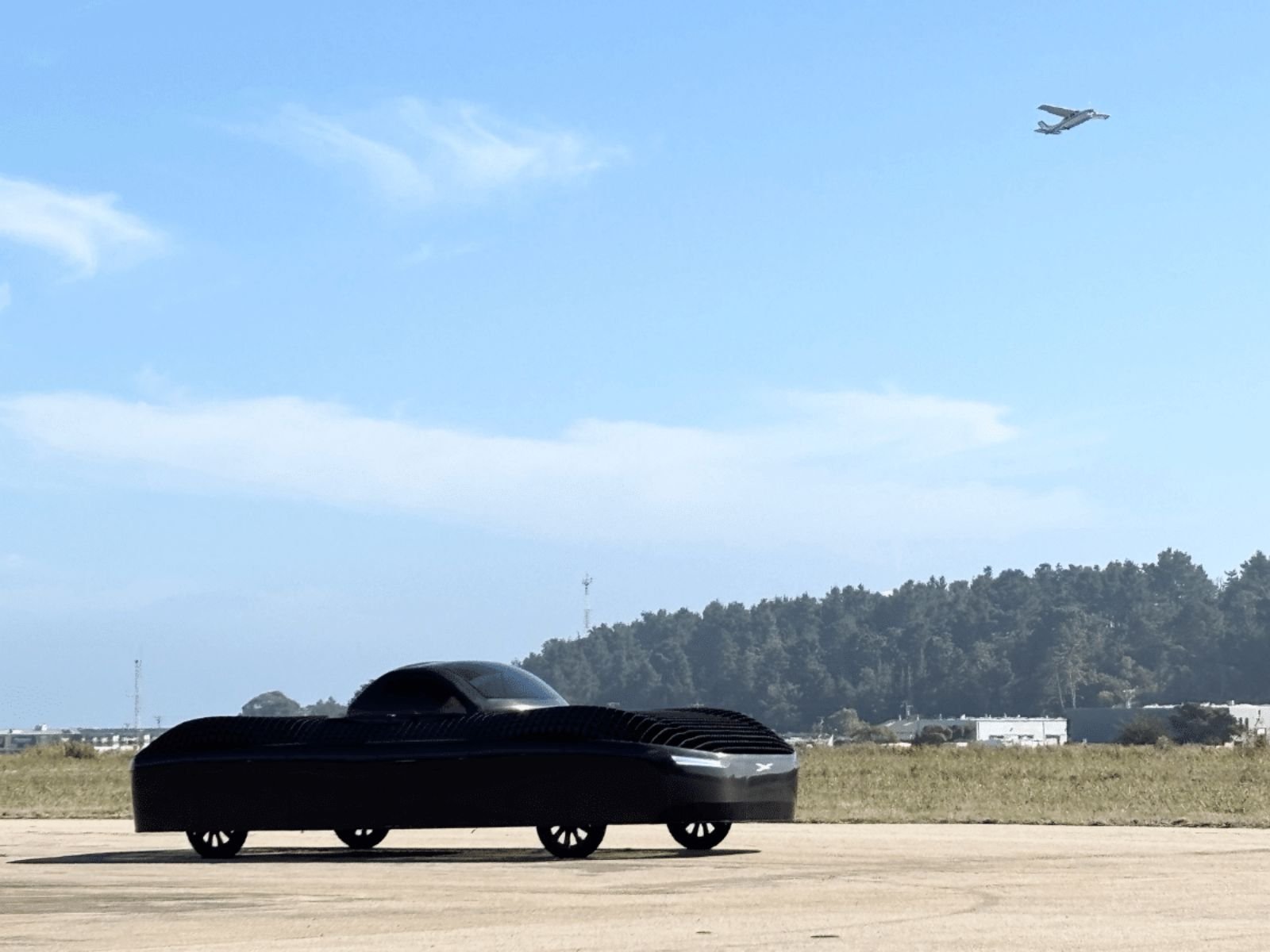
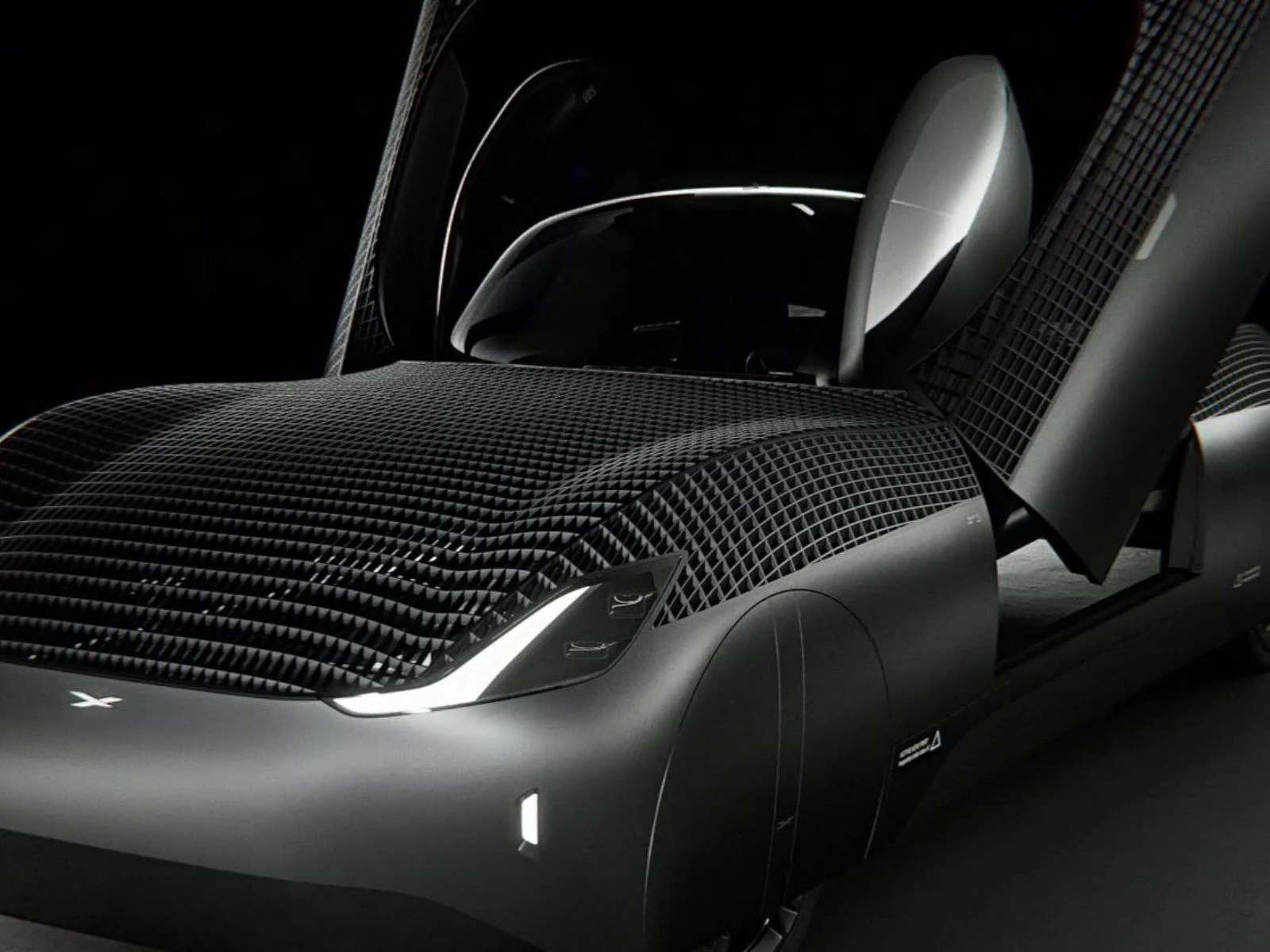
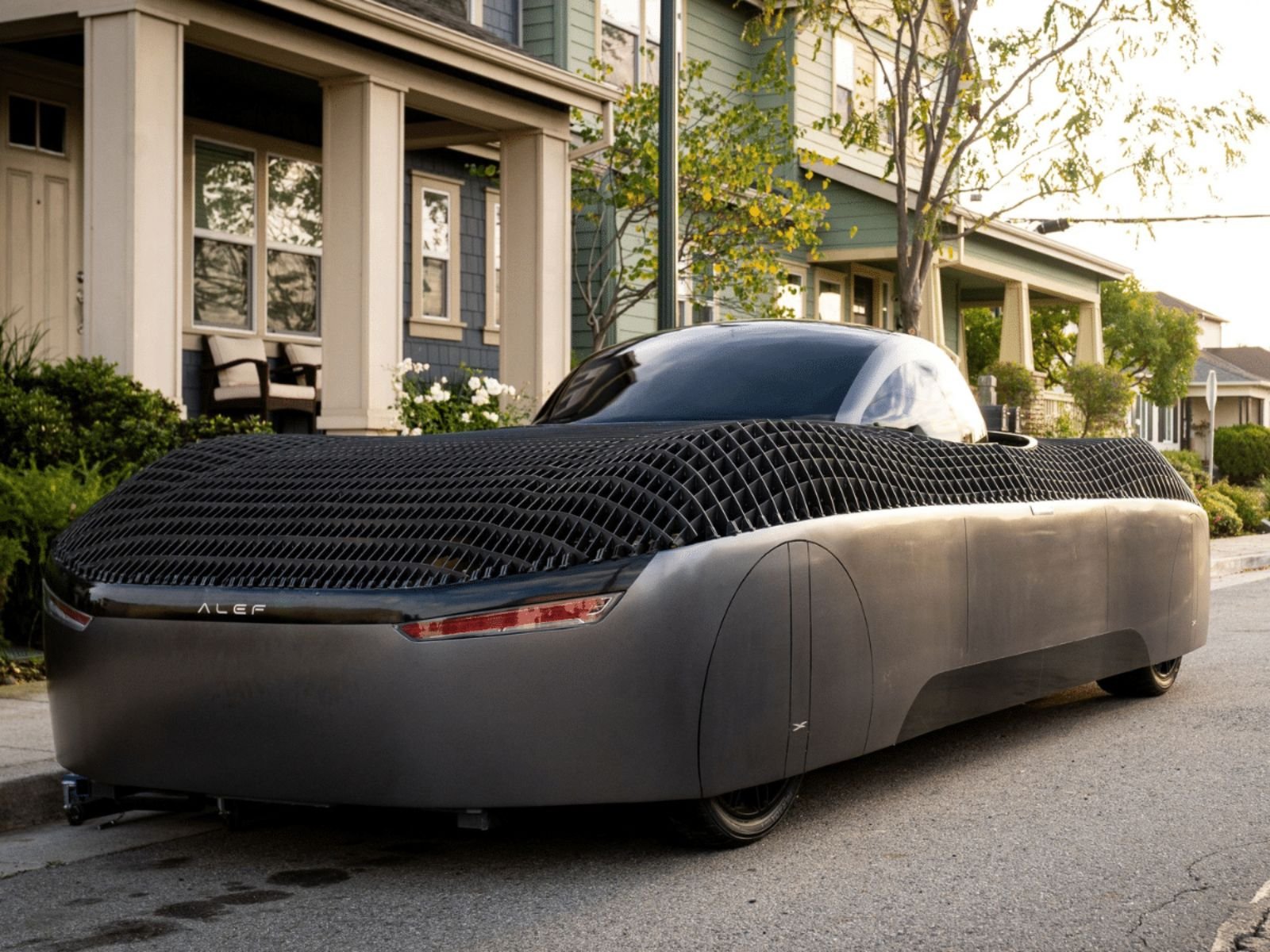
The Model A looks nothing like a conventional car, and there’s a good reason for that. Its electric flight system uses eight propellers embedded in the mesh bodywork around the cabin, allowing the vehicle to lift vertically without unfolding wings or needing a runway. Once airborne, things get considerably stranger. The vehicle rotates so its left and right sides effectively become the upper and lower wings for forward flight, while the cabin moves to keep the occupants facing the direction of travel.
That unusual setup is what separates Alef’s idea from many of the eVTOL aircraft currently being developed. The goal isn’t to build an aircraft that happens to have wheels; Alef wants something that can live part of its life as a car and the other part in the air. The full Model A is being developed for a driver-pilot and one passenger, with around 200 miles of targeted driving range and 110 miles of flying range. On the ground, Alef says the Model A is designed as a Low-Speed Vehicle, meaning speed and road-use limitations will depend on local regulations.
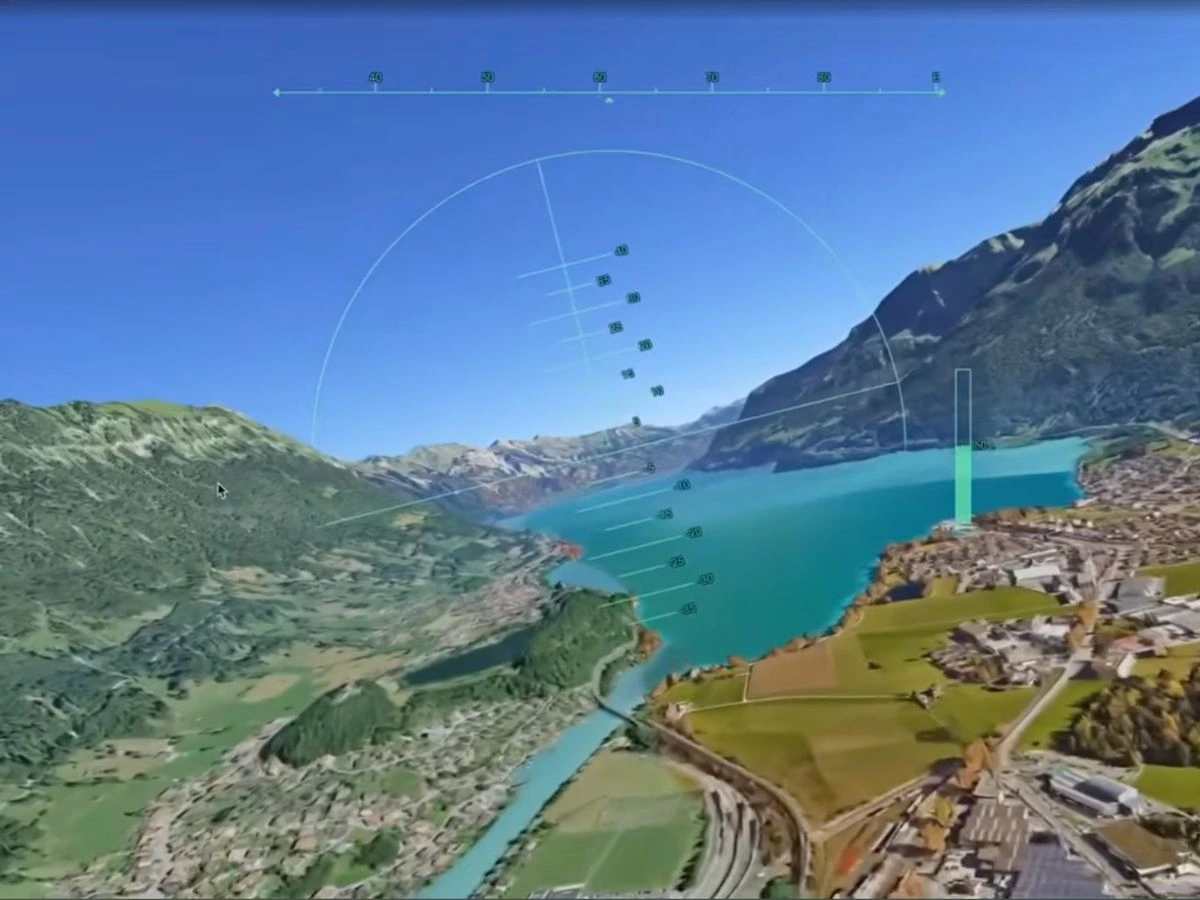
This is where the Model A story starts becoming more interesting than another collection of computer renders. In February 2025, Alef released footage of its Model Zero prototype driving along a public street in California before taking off vertically, flying over another vehicle and landing on the opposite side. Alef called it the first documented example of a car driving and taking off vertically from a city street, though that remains the company’s claim.
Alef has also expanded its testing programme to Half Moon Bay and Hollister Municipal airports in California, where the company plans to test how its vehicles operate alongside conventional aircraft and within normal air-traffic patterns. Traditional aircraft will have priority during the trials, while the programme gives Alef another chance to test the unusual combination of driving, vertical takeoff, and forward flight that the Model A eventually needs to perform reliably.
Advertisement · Continue Reading Below
Plenty of regulatory hurdles remain. Alef has received experimental flight authorization for prototype testing, but that shouldn’t be confused with full approval for owners to casually drive out of their garage and fly over rush-hour traffic. Moving from controlled testing to everyday road-and-air use will require considerably more work.
Perhaps the cleverest part isn’t even that the Model A flies. Alef wants owners to use it as an actual car first, rather than keeping an aircraft at an airport and driving another vehicle just to reach it. Drive out of your garage, travel along normal streets and then, where regulations and conditions allow, transition into flight. That’s much closer to the flying cars we’ve been promised for decades than simply owning a small aircraft with folding wings.
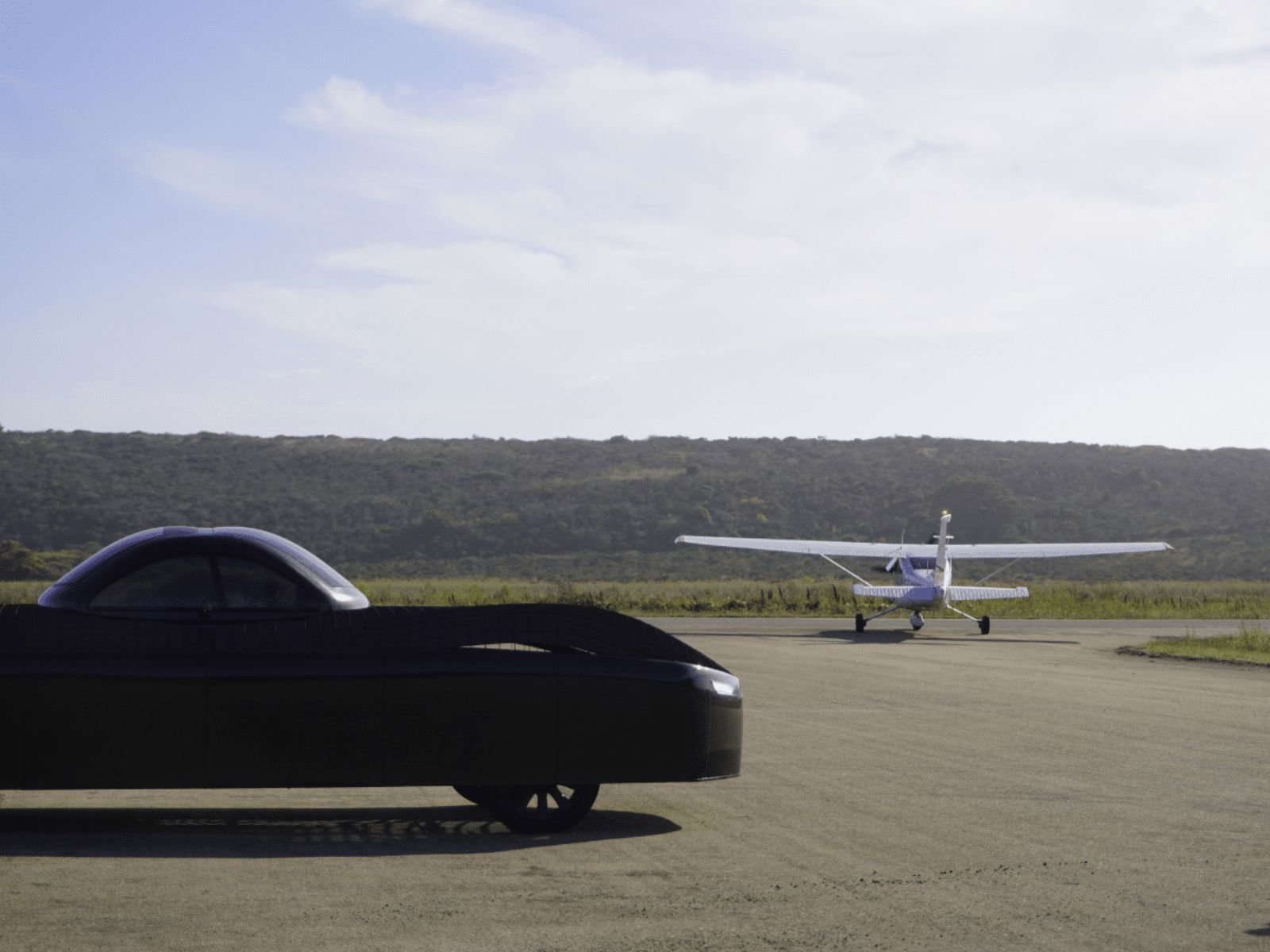
This is where things have taken a significant step forward. In December 2025, Alef announced that it had begun manufacturing the first Model A Ultralight vehicles at its Silicon Valley facility in California. These aren’t mass-produced Model As rolling down an assembly line just yet. Instead, they’re early vehicles being built using a combination of robotic and industrial manufacturing alongside plenty of hand assembly, with Alef saying each one will take several months to complete.
Only a handful of early customers will initially receive them, with the idea being to put Alef’s technology into real-world environments while keeping testing tightly controlled. The company plans to provide training, maintenance and compliance support while collecting information that can eventually help it move toward larger-scale production. As Alef explains, “The knowledge gained from this process will support the transition to manufacturing and delivering pre-orders in the queue.”
Alef isn’t rushing these first vehicles out of the workshop either. Individual components will undergo rigorous testing, followed by numerous flight tests of the completed cars, and the company will use what it learns to improve manufacturing before eventually moving toward more automated production. CEO Jim Dukhovny couldn’t resist a flying-car pun when production began, saying, “We’re finally able to get production off the ground.”
We’re still not at the point where the morning commute looks like The Jetsons. The Model A still faces regulatory, manufacturing, and practical hurdles, and an expected price of $299,999 means early examples won’t exactly replace the Toyota Corolla. Even these first customer-bound vehicles are part of a carefully controlled real-world testing programme, not the start of full-scale mass production.
Still, Alef has moved the flying-car conversation in an interesting direction. The technology has flown above a California street, early customer vehicles are now being built in Silicon Valley, and Alef says it has accumulated 3,500 pre-orders worth more than $1 billion. There’s still a long road — and apparently some airspace — between here and flying cars becoming normal, but for once, the idea of simply flying over traffic feels a little less like science fiction.